Advertising & Brands

5 artworks

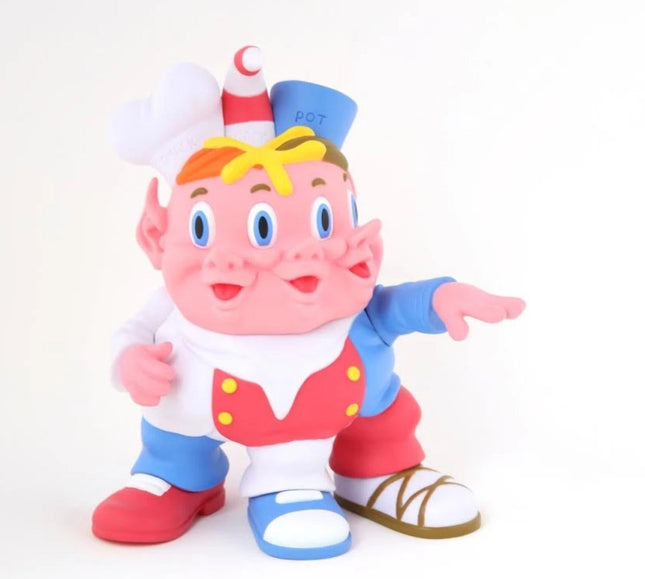
  • Smack, Crack & Pot Art Toy by Ron English

    Ron English- POPaganda Smack, Crack & Pot Art Toy by Ron English- POPaganda

    Smack, Crack & Pot Limited Edition Vinyl Art Toy Collectible Artwork by street graffiti artist Ron English- POPaganda. Cereal killer, SMACK CRACK & POT! These naughty boys join their brethren Fat Tony, Cap’n Cornstarch, and others to form the Last Fat Breakfast! Ron English- POPaganda's newest Cereal Killers figure! Like all Cereal Killer Popaganda products, this 8" vinyl figure is 100% nutrition-free! 8 inches tall vinyl designed by Ron English- POPaganda produced by POPaganda

    $206.00

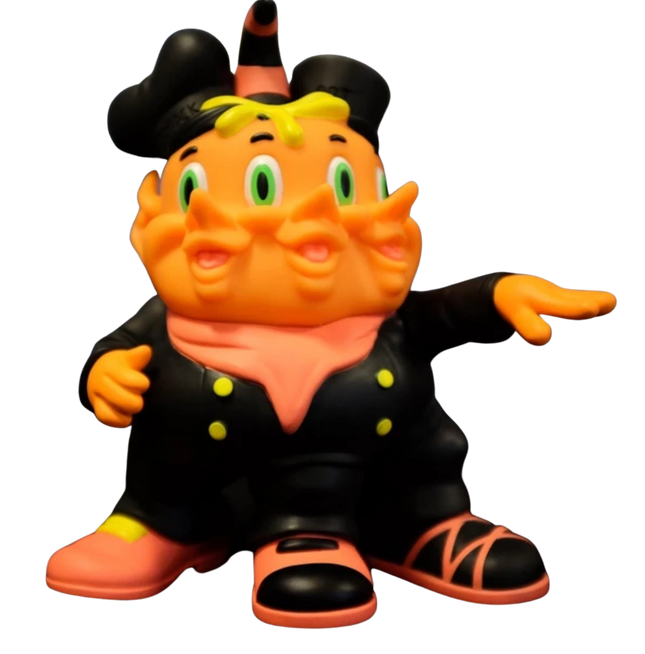
  • Smack, Crack & Pot Obesios Black Art Toy by Ron English

    Ron English- POPaganda Smack, Crack & Pot Obesios Black Art Toy by Ron English- POPaganda

    Smack, Crack & Pot- Obesios Black Limited Edition Vinyl Art Toy Collectible Artwork by street graffiti artist Ron English- POPaganda. 2021 Limited Edition Super limited special black colorway of the newest cereal killer figure "Obesios" Edition of 100. Collect all the cereal killer figures to form your own Last Fat Breakfast! Soft vinyl, appr. 8" tall..

    $264.00

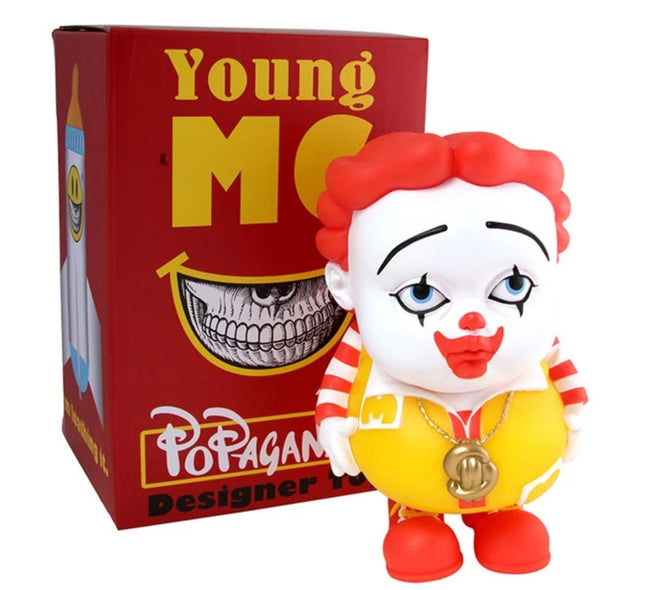
  • Young MC Art Toy by Ron English

    Ron English- POPaganda Young MC Art Toy by Ron English- POPaganda

    Young MC Limited Edition Vinyl Art Toy Collectible Artwork by street graffiti artist Ron English- POPaganda. Before there was MC Supersized, there was Young MC. Ron English- POPaganda’s iconic character has been captured in the prime of his youth in the form of a 7 inch vinyl figure with a box design by Ron English- POPaganda. The latest in Ron's ongoing POPaganda concept.

    $206.00

  • McVandul Walk Vinyl Art Toy by Vandul

    Vandul McVandul Walk Vinyl Art Toy by Vandul

    McVandul Walk Vinyl Art Toy by Vandul Limited Edition Collectible Sculpture Figure Fine Artwork by Graffiti Pop Street Artist. 2025 Limited Edition of 100 Artwork Size 4x7 New In Box Stamped/Printed/COA Vinyl Fine Art Toy Figure Sculpture. McVandul Walk Vinyl Art Toy by Vandul Street Pop Art & Graffiti Artwork The McVandul Walk Vinyl Art Toy by graffiti pop street artist Vandul is a sharp critique of consumer culture, cleverly packaged in the form of a collectible fine art sculpture. Released as a 2025 limited edition of only 100 pieces, this 4x7 inch vinyl figure arrives new in box with a stamped Certificate of Authenticity, underscoring its exclusivity and value for collectors. Vandul’s work frequently merges toy culture with graffiti aesthetics, using familiar commercial imagery to spark dialogue about branding, identity, and the commodification of childhood nostalgia. This figure reimagines the instantly recognizable colors and patterns of a global fast-food icon through Vandul’s signature faceless, hooded character. Striped red-and-white sleeves, oversized yellow footwear, and a bright yellow head merge with a subtle slouched posture, suggesting both familiarity and anonymity. In typical Vandul style, the absence of facial features removes individuality, allowing the character to become a stand-in for anyone navigating an environment shaped by corporate influence. It is a reminder of how deeply consumer brands permeate personal and cultural identity. The packaging reinforces the piece’s commentary. The red box, adorned with a yellow stylized smile, echoes the playful branding of fast-food marketing while serving as a striking sculptural element in its own right. The large, graphic iconography feels both celebratory and satirical, pulling viewers into a tension between the joy of childhood memories and the realities of mass consumerism. The artist’s graffiti tag on the side asserts authorship in a format where branding typically dominates, flipping the narrative from corporate ownership to artistic reclamation. As a street pop art and graffiti artwork, McVandul Walk stands at the intersection of multiple creative disciplines — designer toys, sculptural street art, and visual satire. Vandul’s vinyl figures often function as portable sculptures, bridging the gap between gallery walls and urban interventions. This particular edition captures the essence of contemporary art collecting, where fine art toys have become highly sought-after for their cultural commentary as much as their craftsmanship. Vandul’s output continues to push the boundaries of how street art can be experienced beyond the wall. McVandul Walk is not simply a figure to be displayed; it is a compact statement on the influence of branding, the persistence of childhood imagery in adulthood, and the reclaiming of those visuals through the lens of graffiti culture. For collectors and fans of street pop art, this limited edition is both a conversation starter and a testament to Vandul’s sharp cultural observations.

    $425.00

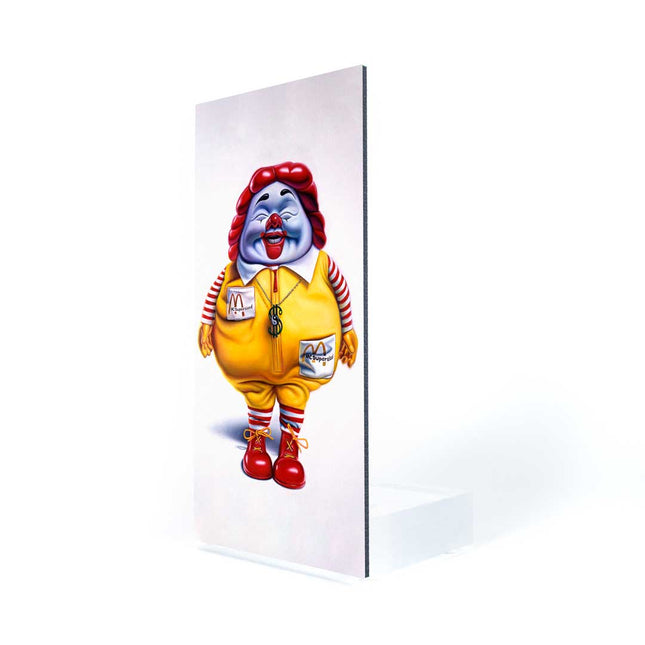
  • McSupersized Welcome Wall Archival Print by Ron English

    Ron English- POPaganda McSupersized Welcome Wall Archival Print by Ron English- POPaganda

    McSupersized- Welcome Wall Archival Pigment Print on Metal with Etched Acrylic Base Sculpture Artwork by graffiti street artist modern pop legend artist Ron English- POPaganda. Ron English- POPaganda is widely considered a seminal figure in the advancement of street art away from traditional wild-style lettering into clever statement and masterful trompe l’oeil based art. He has created illegal murals and billboards that blend stunning visuals with biting political, consumerist and surrealist statements, hijacking public space worldwide for the sake of art since the 1980s.

    $371.00

Advertising & Brands Graffiti Street Pop Artwork

 The Intersection of Advertising, Brands, and Street Art

Advertising through street graffiti art is a controversial practice that has been debated for many years. On the one hand, it is a creative way to promote products and services unconventionally. On the other hand, others see it as a violation of public spaces and a form of visual pollution. One of the main concerns with advertising in street graffiti art is that it can be seen as a form of corporate co-optation of a grassroots movement. Graffiti art has historically been associated with political dissent, social commentary, and artistic expression. Some argue that using this medium to promote commercial interests undermines the authenticity and integrity of the art form.
Furthermore, advertising through street graffiti art can be seen as a violation of public spaces. The relationship between advertising, brands, and street art has evolved dramatically, with each element borrowing from and influencing the others. Street Pop Art & Graffiti Artwork, once seen as a form of rebellion against mainstream culture and commercialization, has now, in many instances, become a tool for that very commercial world it once stood against. This intersection has given rise to a fascinating dialogue within the art community about street art's role in advertising and the commodification of brands. Street artists have long appropriated logos, slogans, and other corporate branding elements to critique consumer culture and the pervasiveness of advertising in public spaces. This appropriation often involves subverting brand imagery or using it in ironic ways to challenge the messages conveyed by corporations. This form of artistic expression serves to reclaim public spaces from the clutches of corporate advertising and spark conversations about consumerism's impact on society.

Brands Embracing Street Art Aesthetics

Conversely, brands have increasingly sought to harness the authenticity and 'cool' factor associated with street art. By commissioning street artists to create murals or to design products, brands aim to tap into the youth market and align themselves with the values associated with street culture. This collaboration has brought street art into the mainstream and has provided street artists with new platforms to showcase their work. However, it has also raised questions about the commercialization of an art form that was traditionally anti-establishment and has prompted discussions about the balance between artistic integrity and commercial success. The collaboration between street artists and brands can lead to a symbiotic relationship where artists gain exposure and financial support. In contrast, brands benefit from the association with the cutting-edge and socially conscious image of street art. However, it can also lead to accusations of selling out and diluting the subversive power that street art can wield.

Advertising as Inspiration for Street Art

In pop art, the influence of advertising and branding has always been evident, with artists like Andy Warhol turning the imagery of consumer goods into high art. Street artists have continued this tradition, using the techniques and aesthetics of advertising in their work. This can involve mimicking the slick production values of commercial billboards or adopting the language of advertising to convey an anti-consumerist or anti-corporate message. Advertising and branding provide a rich source of material for street artists to critique, and in doing so, they mirror contemporary society's values and priorities. By co-opting brands' imagery, street artists can comment on issues ranging from globalization to environmental degradation, making their work relevant and accessible to a broad audience. Graffiti art is often created without permission from property owners or city authorities and can be seen as vandalism. This raises questions about the ethics of using public spaces to promote commercial interests, mainly if done without consent. Despite these concerns, there are some arguments in favor of advertising through street graffiti art. For one, it can be seen as a creative way to reach a young and urban audience. Street art is often seen as edgy and calm, and by using this medium to promote products and services, companies can tap into this cultural currency.
Moreover, advertising through street graffiti art can be seen as a way to support and encourage emerging artists. Companies can commission artists to create graffiti art that incorporates their products or branding, providing a platform for these artists to showcase their talents and gain exposure.
In conclusion, advertising through street graffiti art is a controversial practice that raises questions about the ethics of using public spaces to promote commercial interests. While there are arguments in favor of this approach, there are also concerns about its impact on the authenticity of the art form and the use of public spaces. Ultimately, it is up to individual companies to decide whether this strategy aligns with their values and goals.

Cultural Implications of Branding in Street Art

The use of branding in street art also has more profound cultural implications. It reflects the increasingly blurred lines between high and low cultures, art and commerce, and public space and advertising billboards. In a world where consumers are constantly bombarded with advertising messages, street art incorporating branding can either contribute to the visual noise or cut through it with a powerful message. For street artists, the challenge is to use the imagery of advertising to enhance their message rather than undermine it. For brands, the challenge is to engage with street art in a way that is respectful and understanding of its history and ethos. As street art grows in popularity and visibility, the relationship between advertising, brands, and street art will undoubtedly continue to evolve, raising new questions and sparking fresh debates within the art world.
Footer image

© 2025 Sprayed Paint Art Collection,

    • Amazon
    • American Express
    • Apple Pay
    • Bancontact
    • Diners Club
    • Discover
    • Google Pay
    • iDEAL
    • Mastercard
    • PayPal
    • Shop Pay
    • Visa

    Login

    Forgot your password?

    Don't have an account yet?
    Create account