Alcohol

1 artwork

  • Pop Sub Final #5 - Sprayed Paint Art Collection

    Ayejay Pop Sub Final #5 Silkscreen Print by Ayejay

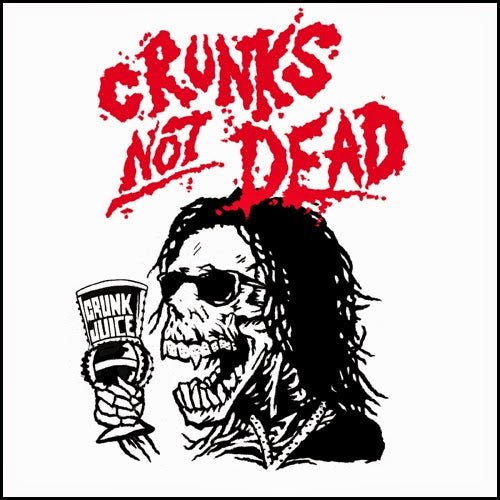
    Pop Sub Final #5 Limited Edition 2-Color Hand-Pulled Silkscreen Print on Fine Art Paper by Ayejay Graffiti Street Artist Modern Pop Art. 2014 Numbered Limited Edition of 100 Artwork Size 7x7 Pop Sub Final #5 Silkscreen Print by Ayejay: Crunk Culture in Raw Graphic Form Pop Sub Final #5 by Ayejay is a loud, irreverent piece of Street Pop Art & Graffiti Artwork that celebrates the exaggerated spirit of subcultural identity through bold minimalism. Released in 2014 as a numbered limited edition of 100, this 7x7 inch hand-pulled two-color silkscreen print is a striking piece that fuses humor, rebellion, and a gritty edge into a compact format. The skeletal figure, mid-toast with a branded cup labeled Crunk Juice, is a humorous yet pointed visual that merges late-2000s crunk hip-hop culture with punk and hardcore visual traditions. The phrase Crunk’s Not Dead explodes in jagged blood-red text above the figure, capturing a defiant message in a style that is equal parts parody and allegiance. Ayejay’s Graphic Voice in Street Pop Expression Ayejay, also known as Justin Aversano, is an American artist who channels the aesthetics of zine culture, punk flyers, and underground graphics into clean, impactful compositions. Pop Sub Final #5 showcases Ayejay’s knack for distilling complex cultural commentary into raw, visceral visual language. The black and white skeletal figure, detailed yet exaggerated, leans into grotesque cartooning, while the high-contrast red typography punctuates the piece with an almost anarchic urgency. At only two colors, the print thrives on its simplicity, allowing the energy of the composition to take full control of the viewer’s attention. It plays with the absurd while honoring the visual traditions of street culture, making it both comedic and culturally incisive. Subversive Nostalgia and Street Humor This artwork captures a very specific cultural moment while critiquing the fleeting nature of trends through the permanence of print. The skeletal form holding up a celebratory drink is a sarcastic tribute to crunk as both a musical and cultural phenomenon. Rather than fading away, the spirit of the genre is rendered as undead, satirical, and unrelentingly confident. The use of skeletal imagery ties this work to classic punk motifs and tattoo iconography, while the exaggerated text mimics hardcore record art and DIY poster design. By compressing all this visual and cultural density into a 7x7 inch print, Ayejay emphasizes how small-scale works can still deliver outsized impact when rooted in honest cultural expression. Edition Craftsmanship and Cultural Relevance Printed in a limited run of 100, each piece in this edition carries the hand-pulled quality that is central to Ayejay’s art practice and the ethos of Street Pop Art & Graffiti Artwork. The use of fine art paper and screen printing techniques grounds the work in tradition, but the message and delivery are unmistakably modern. Pop Sub Final #5 stands as a visual artifact of irreverent humor and cultural preservation. It celebrates the endurance of underground voices while mocking the idea that any scene or spirit can ever truly die. Through this print, Ayejay reinforces the notion that bold, satirical art can preserve and mutate cultural memories into permanent, punchy symbols of resistance.

    $60.00

Alcohol Graffiti Street Pop Artwork

Alcohol Cultural Contexts and Artistic Expressions

Alcohol has been a popular subject in art for centuries, from classical still-life paintings to modern graffiti and pop art. In this essay, I will focus on how alcohol has been represented in graffiti and pop art. Graffiti art is a form of visual communication involving writing or drawing on walls or other public spaces. Graffiti artists use tools such as spray paint, markers, and stencils to create artwork. Alcohol has been a popular theme in graffiti art, especially beer and liquor advertisements. One of the most famous examples of alcohol in graffiti art is the iconic "Stella Artois" mural in Brussels, Belgium. The mural, created in 2008, features the brand's logo in a vibrant red and gold color scheme. The Stella Artois mural has become a landmark and popular tourist attraction in Brussels. Alcohol advertisements in graffiti art can also be found in urban areas worldwide. Graffiti artists use the logos and slogans of popular beer and liquor brands to create bold and colorful murals that stand out in the urban landscape. Some artists use these advertisements to critique the commercialization of alcohol and its impact on society. In addition to ads, graffiti artists also use alcohol as a subject in their artwork. Some artists use alcohol bottles and cans as a canvas, painting elaborate designs and characters on them. These painted bottles and cans are often used as props in photo shoots or gallery display pieces. Pop art is an art movement that emerged in the 1950s and 1960s in Britain and the United States. Popular cultural imagery and objects, such as comic books, advertising, and consumer products, characterize pop art. Alcohol has been a popular subject in pop art, particularly in the work of artists such as Andy Warhol and Roy Lichtenstein.

Alcohol in the Lens of Street Pop Art and Graffiti Artwork

Andy Warhol is the most famous pop artist to use alcohol as a subject in his work. Warhol created a series of silkscreen prints featuring the iconic Coca-Cola logo and the slogan "It's the real thing." Warhol also created a series of paintings featuring the Budweiser logo and the brand's signature Clydesdale horses. Another pop artist who used alcohol in his work was Roy Lichtenstein. Lichtenstein created a series of paintings that depicted scenes from bars and nightclubs, featuring characters drinking and socializing. These paintings often featured bold, comic book-style graphics and captions. Alcohol has also been a popular subject in contemporary pop art. Artists like Damien Hirst and Jeff Koons have created sculptures and installations featuring alcohol bottles and cans. These works often play with scale and materiality, creating oversized or transparent versions of familiar objects. Alcohol has been a popular subject in graffiti and pop art. Graffiti artists use alcohol advertisements and bottles as a canvas for their artwork. In contrast, pop artists like Warhol and Lichtenstein have used alcohol logos and scenes from bars and nightclubs in their paintings. Contemporary pop artists continue to explore the theme of alcohol in their work, creating sculptures and installations that play with scale and materiality. Through their art, these artists explore the role of alcohol in society and its impact on popular culture. Alcohol has long been a potent symbol in various forms of art, representing everything from celebration and festivity to despair and addiction. In street pop art and graffiti artwork, alcohol is often depicted in a way that mirrors its complex role in society. Artists take to city walls to portray bottles, glasses, and bar scenes, infusing their pieces with the same duality that alcohol embodies. These works are splashed across urban landscapes, where they stand as both a critique and an embellishment of modern life.

The Symbolism of Alcohol in Urban Art

In street art, alcohol-related imagery often serves as a tool for social commentary. Artists might juxtapose the allure of alcohol with the consequences of its abuse or use it to spotlight issues of excess and escapism in contemporary culture. The visual vocabulary of this subject is rich and varied, encompassing everything from the celebratory pop of champagne in street pop art to the gritty reality of a brown paper bag in a graffiti-scarred alley. These pieces provide a visual shorthand for complex cultural dialogues, with each artist bringing their perspective to the topic. Moreover, street art's portrayal of alcohol frequently reflects the community's pulse, capturing the celebratory aspects of drinking as well as its darker side. In some neighborhoods, murals of vibrant, lively bars might evoke the spirit of local festivities. In contrast, in others, the stark depiction of a solitary drinker might comment on isolation or social decay. This contrast is emblematic of street art's capacity to hold a mirror up to the community, reflecting its highs and lows with striking clarity.

Commercial Influence and Street Art's Response

The cultural contexts in which alcohol is presented within street art vary greatly, with the substance sometimes used to honor heritage and tradition. In specific communities, murals might incorporate alcohol to signify cultural identity, celebrating traditional brewing methods or iconic local beverages. Elsewhere, alcohol use in street pop art and graffiti can be a nod to subversion and counterculture, aligning with the disruptive nature of street art itself. The influence of commercialism on the portrayal of alcohol in street art cannot be ignored. Advertising has long utilized art to sell alcoholic products, creating a pervasive presence in urban environments. Street artists sometimes reclaim this imagery, repurposing it for their ends or critiquing the commercialization of drinking culture. This recontextualization is a powerful aspect of street pop art and graffiti artwork, allowing artists to subvert mainstream messages and engage viewers in a deeper dialogue about consumption and influence. In examining the role of alcohol in street pop art and graffiti artwork, it becomes clear that it is as much a symbol of cultural identity and social commentary as it is a subject of aesthetic interest. From celebratory representations to stark warnings, alcohol-related imagery in street art offers a nuanced exploration of its subject matter, inviting reflection on the multifaceted role that alcohol plays in society.
Footer image

© 2025 Sprayed Paint Art Collection,

    • Amazon
    • American Express
    • Apple Pay
    • Bancontact
    • Diners Club
    • Discover
    • Google Pay
    • iDEAL
    • Mastercard
    • PayPal
    • Shop Pay
    • Visa

    Login

    Forgot your password?

    Don't have an account yet?
    Create account