Alcohol

1 artwork

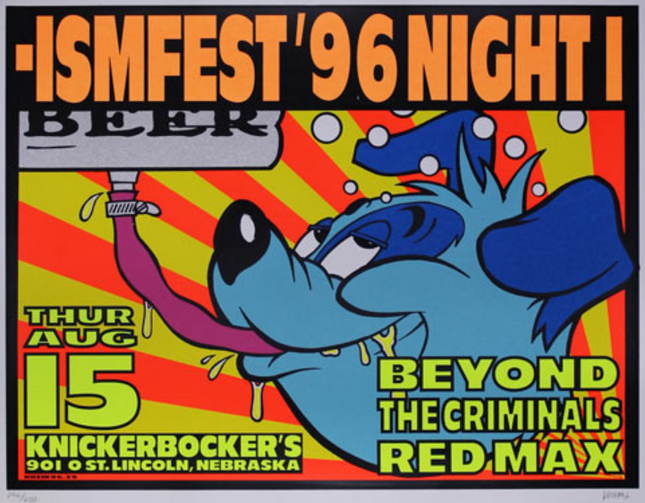
  • -ISMFEST 96 Night 1 Beyond the Criminals Red Max 1996 Lincoln NE Silkscreen Print by Frank Kozik

    Frank Kozik -ISMFEST 96 Night 1 Beyond the Criminals Red Max 1996 Lincoln NE Silkscreen Print by Frank Kozik

    -ISMFEST 96 Night 1 Beyond the Criminals Red Max 1996 Lincoln NE Silkscreen Print by Frank Kozik Hand-Pulled on Fine Art Paper Limited Edition Pop Street Art Artwork. 1996 Signed by Kozik & Numbered Limited Edition of 600 Artwork Size 22.5x17.5 Silkscreen Print Band Gig Poster by Frank Kozik. Beyond the Criminals Red Max Knickerbocker's, Lincoln, NE 8-15-1996 -ISMFEST '96 Night 1 Beyond the Criminals Red Max Silkscreen Print by Frank Kozik -ISMFEST '96 Night 1 is a hand-pulled silkscreen print by legendary artist Frank Kozik, created for the August 15, 1996, concert featuring Beyond the Criminals and Red Max at Knickerbocker's in Lincoln, Nebraska. Measuring 22.5 x 17.5 inches, this limited-edition print was produced in a numbered edition of 600 and is signed by the artist. Known for his bold, irreverent style, Kozik’s work is a defining example of Street Pop Art and Graffiti Artwork, blending underground music culture with the aesthetics of punk rock and lowbrow art. This gig poster encapsulates Kozik’s signature visual language—an electrifying color palette, exaggerated cartoon imagery, and an unapologetic embrace of counterculture aesthetics. The design features a grinning, intoxicated blue dog with drool dripping from its mouth, attached to a beer tap pouring directly into its tongue. The background bursts with vibrant red and yellow rays, enhancing the chaotic energy of the piece. The typography is oversized and confrontational, drawing inspiration from punk zines and DIY screen printing traditions. Every element in this artwork exudes raw energy, aligning perfectly with the rebellious nature of the underground music scene it represents. Frank Kozik and His Influence on Street Pop Art and Graffiti Artwork Frank Kozik is one of the most influential figures in modern poster art, widely credited with revitalizing the concert poster scene during the late 1980s and 1990s. Originally from Spain and later based in the United States, he began his artistic career creating DIY flyers for punk and alternative bands before evolving into a leading name in silkscreen printmaking. His work often draws from underground comics, psychedelic rock posters, and vintage advertising, merging them with an unfiltered punk ethos. This print exemplifies Kozik’s ability to capture the spirit of a moment in time—ISMFEST '96 was not just another concert, but an event that embodied the underground music culture of the era. The design’s mix of absurdity, humor, and confrontational visuals reflects Kozik’s knack for transforming promotional materials into collectible works of art. His contributions to Street Pop Art and Graffiti Artwork extend far beyond the music scene, influencing everything from contemporary poster design to vinyl toy culture. The Art of Silkscreen Printing in Music Poster Culture Silkscreen printing has played a crucial role in the history of concert posters, particularly within the punk and alternative rock movements. Unlike mass-produced digital prints, silkscreen posters are hand-pulled, meaning each piece carries unique imperfections and variations that add to its authenticity. This technique allows for intense, saturated colors and bold contrasts, which are essential in creating visually striking designs that stand out in a crowded promotional landscape. The printing process involves layering different colors one at a time, requiring precise alignment and expert craftsmanship. In this particular piece, the interplay of neon-like hues and bold black outlines demonstrates Kozik’s mastery of the medium. The thick ink application gives the print a tactile quality, reinforcing the handcrafted nature of the work. These qualities make silkscreen concert posters highly collectible, as they represent not only a historical moment in music but also an artistic achievement in printmaking. Collectibility and Cultural Impact of -ISMFEST '96 Night 1 As a signed and numbered limited-edition print, -ISMFEST '96 Night 1 is a sought-after piece for collectors of Street Pop Art and Graffiti Artwork. Kozik’s posters are revered not only for their visual impact but also for their role in shaping the aesthetics of underground music culture. His work has been featured in galleries and museums worldwide, solidifying its place as an important part of contemporary art history. Concert posters like this one serve as artifacts of a bygone era, where hand-printed promotional materials were essential to the identity of a band or event. Unlike today’s digital flyers and social media advertisements, these posters were tangible, often plastered on city walls or collected by fans as mementos. The humor, rebellion, and rawness embedded in this piece ensure that it remains relevant decades later, resonating with those who appreciate both the artistic craft and the cultural movement it represents. Frank Kozik’s influence extends beyond posters, impacting the worlds of graffiti, pop art, and designer toys. His ability to blur the lines between commercial art and fine art has made his work enduringly popular among both street artists and contemporary art collectors. -ISMFEST '96 Night 1 is a prime example of his legacy—a work that continues to inspire, provoke, and celebrate the unapologetic spirit of underground creativity.

    $254.00

Alcohol Graffiti Street Pop Artwork

Alcohol Cultural Contexts and Artistic Expressions

Alcohol has been a popular subject in art for centuries, from classical still-life paintings to modern graffiti and pop art. In this essay, I will focus on how alcohol has been represented in graffiti and pop art. Graffiti art is a form of visual communication involving writing or drawing on walls or other public spaces. Graffiti artists use tools such as spray paint, markers, and stencils to create artwork. Alcohol has been a popular theme in graffiti art, especially beer and liquor advertisements. One of the most famous examples of alcohol in graffiti art is the iconic "Stella Artois" mural in Brussels, Belgium. The mural, created in 2008, features the brand's logo in a vibrant red and gold color scheme. The Stella Artois mural has become a landmark and popular tourist attraction in Brussels. Alcohol advertisements in graffiti art can also be found in urban areas worldwide. Graffiti artists use the logos and slogans of popular beer and liquor brands to create bold and colorful murals that stand out in the urban landscape. Some artists use these advertisements to critique the commercialization of alcohol and its impact on society. In addition to ads, graffiti artists also use alcohol as a subject in their artwork. Some artists use alcohol bottles and cans as a canvas, painting elaborate designs and characters on them. These painted bottles and cans are often used as props in photo shoots or gallery display pieces. Pop art is an art movement that emerged in the 1950s and 1960s in Britain and the United States. Popular cultural imagery and objects, such as comic books, advertising, and consumer products, characterize pop art. Alcohol has been a popular subject in pop art, particularly in the work of artists such as Andy Warhol and Roy Lichtenstein.

Alcohol in the Lens of Street Pop Art and Graffiti Artwork

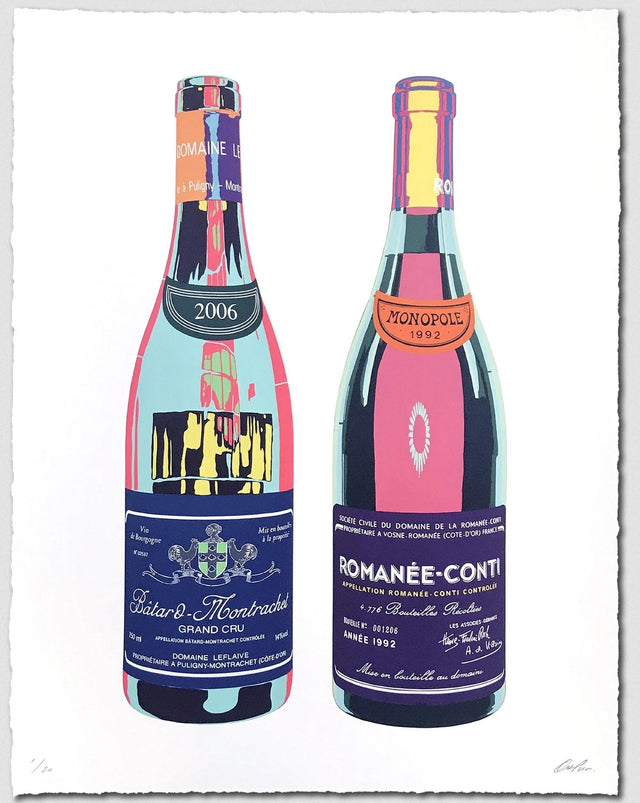
Andy Warhol is the most famous pop artist to use alcohol as a subject in his work. Warhol created a series of silkscreen prints featuring the iconic Coca-Cola logo and the slogan "It's the real thing." Warhol also created a series of paintings featuring the Budweiser logo and the brand's signature Clydesdale horses. Another pop artist who used alcohol in his work was Roy Lichtenstein. Lichtenstein created a series of paintings that depicted scenes from bars and nightclubs, featuring characters drinking and socializing. These paintings often featured bold, comic book-style graphics and captions. Alcohol has also been a popular subject in contemporary pop art. Artists like Damien Hirst and Jeff Koons have created sculptures and installations featuring alcohol bottles and cans. These works often play with scale and materiality, creating oversized or transparent versions of familiar objects. Alcohol has been a popular subject in graffiti and pop art. Graffiti artists use alcohol advertisements and bottles as a canvas for their artwork. In contrast, pop artists like Warhol and Lichtenstein have used alcohol logos and scenes from bars and nightclubs in their paintings. Contemporary pop artists continue to explore the theme of alcohol in their work, creating sculptures and installations that play with scale and materiality. Through their art, these artists explore the role of alcohol in society and its impact on popular culture. Alcohol has long been a potent symbol in various forms of art, representing everything from celebration and festivity to despair and addiction. In street pop art and graffiti artwork, alcohol is often depicted in a way that mirrors its complex role in society. Artists take to city walls to portray bottles, glasses, and bar scenes, infusing their pieces with the same duality that alcohol embodies. These works are splashed across urban landscapes, where they stand as both a critique and an embellishment of modern life.

The Symbolism of Alcohol in Urban Art

In street art, alcohol-related imagery often serves as a tool for social commentary. Artists might juxtapose the allure of alcohol with the consequences of its abuse or use it to spotlight issues of excess and escapism in contemporary culture. The visual vocabulary of this subject is rich and varied, encompassing everything from the celebratory pop of champagne in street pop art to the gritty reality of a brown paper bag in a graffiti-scarred alley. These pieces provide a visual shorthand for complex cultural dialogues, with each artist bringing their perspective to the topic. Moreover, street art's portrayal of alcohol frequently reflects the community's pulse, capturing the celebratory aspects of drinking as well as its darker side. In some neighborhoods, murals of vibrant, lively bars might evoke the spirit of local festivities. In contrast, in others, the stark depiction of a solitary drinker might comment on isolation or social decay. This contrast is emblematic of street art's capacity to hold a mirror up to the community, reflecting its highs and lows with striking clarity.

Commercial Influence and Street Art's Response

The cultural contexts in which alcohol is presented within street art vary greatly, with the substance sometimes used to honor heritage and tradition. In specific communities, murals might incorporate alcohol to signify cultural identity, celebrating traditional brewing methods or iconic local beverages. Elsewhere, alcohol use in street pop art and graffiti can be a nod to subversion and counterculture, aligning with the disruptive nature of street art itself. The influence of commercialism on the portrayal of alcohol in street art cannot be ignored. Advertising has long utilized art to sell alcoholic products, creating a pervasive presence in urban environments. Street artists sometimes reclaim this imagery, repurposing it for their ends or critiquing the commercialization of drinking culture. This recontextualization is a powerful aspect of street pop art and graffiti artwork, allowing artists to subvert mainstream messages and engage viewers in a deeper dialogue about consumption and influence. In examining the role of alcohol in street pop art and graffiti artwork, it becomes clear that it is as much a symbol of cultural identity and social commentary as it is a subject of aesthetic interest. From celebratory representations to stark warnings, alcohol-related imagery in street art offers a nuanced exploration of its subject matter, inviting reflection on the multifaceted role that alcohol plays in society.
Footer image

© 2025 Sprayed Paint Art Collection,

    • Amazon
    • American Express
    • Apple Pay
    • Bancontact
    • Diners Club
    • Discover
    • Google Pay
    • iDEAL
    • Mastercard
    • PayPal
    • Shop Pay
    • Visa

    Login

    Forgot your password?

    Don't have an account yet?
    Create account