Alcohol

3 artworks

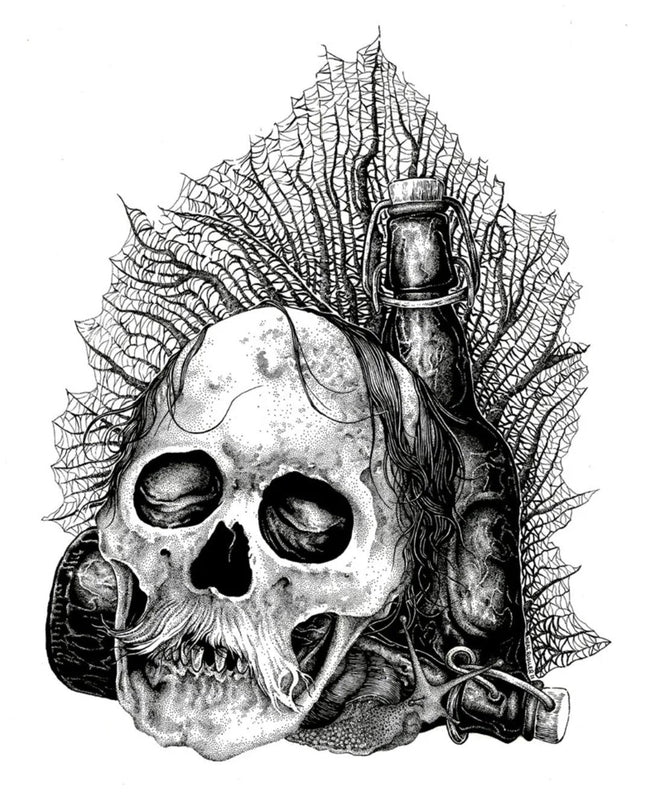
  • Drunken & Sunken Giclee Print by Neal Russler

    Neal Russler Drunken & Sunken Giclee Print by Neal Russler

    Drunken & Sunken Artwork Giclee Limited Edition Print on 80lb White Cougar Cover Stock Fine Art Paper by Pop Culture Graffiti Artist Neal Russler. 2011 Signed & Numbered Limited Edition of 10 Giclee Print Artwork Size 8x10 Exploring the Depths of Neal Russler's "Drunken & Sunken" Neal Russler's "Drunken & Sunken" is a profound artwork that delves deep into the themes of mortality and vice, presented through the lens of street pop art and graffiti artistry. This giclée print, a limited edition of only ten signed and numbered pieces, captures a stark monochromatic skull entwined with elements that suggest the aftermath of indulgence and the inescapable passage of time. Measuring 8x10 inches and printed on 80lb White Cougar Cover Stock Fine Art Paper, the piece is a testament to Russler's intricate style and ability to communicate powerful messages through his art. The artwork's compelling imagery is rich with symbolism. The skull, a universal sign of death, is juxtaposed with a bottle and web-like illustrations, perhaps signifying the trap of addiction and the suffocating grip it can have on life. Russler's use of crisp, fine lines and careful shading adds a depth that brings the skull to life, almost allowing the viewer to peer into the soul that once was. The attention to detail in the textures—from the smoothness of the bottle to the roughness of the bone—demonstrates Russler's mastery over his medium. Cultural Commentary through "Drunken & Sunken" "Drunken & Sunken" is a cultural commentary reflective of the darker aspects of society that pop culture, street art, and graffiti often explore. Russler's work challenges viewers to confront the often-romanticized view of hedonism and to acknowledge the potential for decay and destruction that comes with excess. The piece resonates with the stark realities of human frailty and the consequences of our choices, themes that are universally understood yet often left unspoken. In the context of street pop art and graffiti artwork, "Drunken & Sunken" transcends the ephemeral nature of wall art, carrying the transient messages from the streets into the permanence of fine art collections. The use of 80lb White Cougar Cover Stock Fine Art Paper ensures that the print will endure, allowing the artwork's message and aesthetic appeal to be preserved for future generations to appreciate and reflect upon. "Drunken & Sunken" is more than a mere representation of Neal Russler's artistic capabilities; it is a mirror held up to society, a sobering reminder of the depth and complexity of issues that urban art can encapsulate. Through this limited edition print, Russler continues contributing to the narrative of street pop art and graffiti artwork, providing a voice that speaks to the shared human experience with honesty and artistic integrity.

    $42.00

  • Boris Drinks Letterpress Print by Camille Rose Garcia

    Camille Rose Garcia Boris Drinks Letterpress Print by Camille Rose Garcia

    Boris Drinks Letterpress Print by Camille Rose Garcia Limited Edition 1-Color on Deckled 290gsm Coventry Rag Fine Art Paper Graffiti Street Pop Artwork. 2020 Signed & Numbered Limited Edition of 100 Artwork Size 8x10 Letterpress Print Art Printmas 2020 of Fly Man Drunk Chilling. Boris Drinks Letterpress Print by Camille Rose Garcia The Boris Drinks letterpress print by Camille Rose Garcia is a captivating example of modern Street Pop Art infused with whimsical narrative and gothic undertones. Created in 2020 as part of the Art Printmas series, this 8x10 artwork is meticulously crafted on 290gsm Coventry Rag Fine Art Paper. The piece features a one-color letterpress design depicting a Fly Man character lounging in a surreal, inebriated state, exuding humor and sophistication. Signed and numbered in a limited edition of 100, this artwork highlights Garcia's masterful storytelling and ability to blend fantasy with critical undertones. Camille Rose Garcia: An Icon of Pop Surrealism Camille Rose Garcia has become a significant figure in pop surrealism and contemporary Street Pop Art. Born in 1970 in Los Angeles, California, her work is heavily influenced by the visual language of vintage animation, fairytales, and gothic literature. She explores themes such as decadence, environmental decay, and societal excess through her distinct style, often presenting them through fantastical characters and dreamlike settings. The Boris Drinks print's unique artistic voice brings the whimsical Fly Man to life in a playful yet thought-provoking manner. Reclined on a lounge chair with a drink in hand and surrounded by delicate yet exaggerated details, the character embodies indulgence and escapism. The exaggerated eyes, thin limbs, and humorous demeanor make the Fly Man both relatable and absurd, offering a subtle critique of modern vices while maintaining a lighthearted tone. The Craftsmanship of Letterpress Printing The Boris Drinks letterpress print is a testament to the timeless beauty of traditional printmaking techniques. Letterpress printing involves pressing ink into paper with a metal plate, creating a rich texture and a sense of depth that cannot be replicated by modern digital printing. This process adds a tactile quality to the artwork, enhancing its overall visual appeal. The 290gsm Coventry Rag Fine Art Paper provides a sturdy, luxurious foundation for the design, ensuring both durability and a high-quality finish. The two-color palette employed in the piece accentuates its simplicity and charm, drawing attention to the intricate details of the Fly Man and the surrounding elemenGarcia'sia’s decision to limit the use of color amplifies the impact of the bold black lines while maintaining a balance with the subtle tones of the background. Boris Drinks as a Statement of Street Pop Art Boris Drinks is more than a whimsical illustration; it is a sophisticated piece of Street Pop Art that combines humor, craftsmanship, and commentary. The playful narrative of the Fly Man, paired with Garcia’s distinctive visual style, creates a piece that is both accessible and thought-provoking. The 8x10 size makes it an ideal collectible for enthusiasts of Street Pop Art and modern surrealism, while the limited edition of 100 enhances its exclusivity and value. Camille Rose Garcia bridges the gap between old-world craftsmanship and modern artistic expression by bringing traditional letterpress techniques into the contemporary art world. Boris Drinks is a celebration of artistic creativity and cultural critique, encapsulating the spirit of Street Pop Art in a timeless and distinctly modern way. This print remains a testament to Garcia's ability to entertain and provoke thought, making it an essential addition to any contemporary art collection.

    $97.00

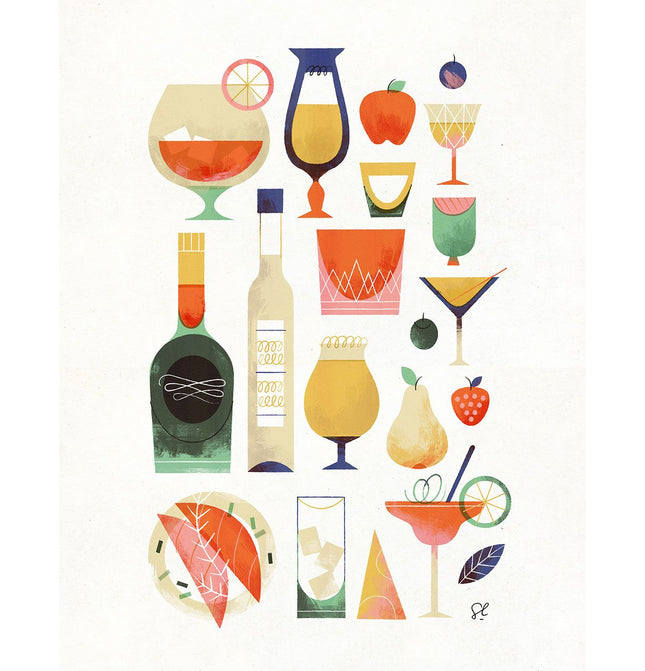
  • Happy Hour Giclee Print by Sol Linero

    Sol Linero Happy Hour Giclee Print by Sol Linero

    Happy Hour Artwork Giclee Limited Edition Print on 290gsm Natural White Paper by Pop Culture Graffiti Artist Sol Linero. The Happy Hour Poster is an edition of 100 prints by Sol Linero. With a small border for framing, the print is sized to fit a standard 8" by 10" frame. Archival prints with a certificate of authenticity. The artwork has been printed on a heavy 290gsm natural white paper.

    $103.00

Alcohol Graffiti Street Pop Artwork

Alcohol Cultural Contexts and Artistic Expressions

Alcohol has been a popular subject in art for centuries, from classical still-life paintings to modern graffiti and pop art. In this essay, I will focus on how alcohol has been represented in graffiti and pop art. Graffiti art is a form of visual communication involving writing or drawing on walls or other public spaces. Graffiti artists use tools such as spray paint, markers, and stencils to create artwork. Alcohol has been a popular theme in graffiti art, especially beer and liquor advertisements. One of the most famous examples of alcohol in graffiti art is the iconic "Stella Artois" mural in Brussels, Belgium. The mural, created in 2008, features the brand's logo in a vibrant red and gold color scheme. The Stella Artois mural has become a landmark and popular tourist attraction in Brussels. Alcohol advertisements in graffiti art can also be found in urban areas worldwide. Graffiti artists use the logos and slogans of popular beer and liquor brands to create bold and colorful murals that stand out in the urban landscape. Some artists use these advertisements to critique the commercialization of alcohol and its impact on society. In addition to ads, graffiti artists also use alcohol as a subject in their artwork. Some artists use alcohol bottles and cans as a canvas, painting elaborate designs and characters on them. These painted bottles and cans are often used as props in photo shoots or gallery display pieces. Pop art is an art movement that emerged in the 1950s and 1960s in Britain and the United States. Popular cultural imagery and objects, such as comic books, advertising, and consumer products, characterize pop art. Alcohol has been a popular subject in pop art, particularly in the work of artists such as Andy Warhol and Roy Lichtenstein.

Alcohol in the Lens of Street Pop Art and Graffiti Artwork

Andy Warhol is the most famous pop artist to use alcohol as a subject in his work. Warhol created a series of silkscreen prints featuring the iconic Coca-Cola logo and the slogan "It's the real thing." Warhol also created a series of paintings featuring the Budweiser logo and the brand's signature Clydesdale horses. Another pop artist who used alcohol in his work was Roy Lichtenstein. Lichtenstein created a series of paintings that depicted scenes from bars and nightclubs, featuring characters drinking and socializing. These paintings often featured bold, comic book-style graphics and captions. Alcohol has also been a popular subject in contemporary pop art. Artists like Damien Hirst and Jeff Koons have created sculptures and installations featuring alcohol bottles and cans. These works often play with scale and materiality, creating oversized or transparent versions of familiar objects. Alcohol has been a popular subject in graffiti and pop art. Graffiti artists use alcohol advertisements and bottles as a canvas for their artwork. In contrast, pop artists like Warhol and Lichtenstein have used alcohol logos and scenes from bars and nightclubs in their paintings. Contemporary pop artists continue to explore the theme of alcohol in their work, creating sculptures and installations that play with scale and materiality. Through their art, these artists explore the role of alcohol in society and its impact on popular culture. Alcohol has long been a potent symbol in various forms of art, representing everything from celebration and festivity to despair and addiction. In street pop art and graffiti artwork, alcohol is often depicted in a way that mirrors its complex role in society. Artists take to city walls to portray bottles, glasses, and bar scenes, infusing their pieces with the same duality that alcohol embodies. These works are splashed across urban landscapes, where they stand as both a critique and an embellishment of modern life.

The Symbolism of Alcohol in Urban Art

In street art, alcohol-related imagery often serves as a tool for social commentary. Artists might juxtapose the allure of alcohol with the consequences of its abuse or use it to spotlight issues of excess and escapism in contemporary culture. The visual vocabulary of this subject is rich and varied, encompassing everything from the celebratory pop of champagne in street pop art to the gritty reality of a brown paper bag in a graffiti-scarred alley. These pieces provide a visual shorthand for complex cultural dialogues, with each artist bringing their perspective to the topic. Moreover, street art's portrayal of alcohol frequently reflects the community's pulse, capturing the celebratory aspects of drinking as well as its darker side. In some neighborhoods, murals of vibrant, lively bars might evoke the spirit of local festivities. In contrast, in others, the stark depiction of a solitary drinker might comment on isolation or social decay. This contrast is emblematic of street art's capacity to hold a mirror up to the community, reflecting its highs and lows with striking clarity.

Commercial Influence and Street Art's Response

The cultural contexts in which alcohol is presented within street art vary greatly, with the substance sometimes used to honor heritage and tradition. In specific communities, murals might incorporate alcohol to signify cultural identity, celebrating traditional brewing methods or iconic local beverages. Elsewhere, alcohol use in street pop art and graffiti can be a nod to subversion and counterculture, aligning with the disruptive nature of street art itself. The influence of commercialism on the portrayal of alcohol in street art cannot be ignored. Advertising has long utilized art to sell alcoholic products, creating a pervasive presence in urban environments. Street artists sometimes reclaim this imagery, repurposing it for their ends or critiquing the commercialization of drinking culture. This recontextualization is a powerful aspect of street pop art and graffiti artwork, allowing artists to subvert mainstream messages and engage viewers in a deeper dialogue about consumption and influence. In examining the role of alcohol in street pop art and graffiti artwork, it becomes clear that it is as much a symbol of cultural identity and social commentary as it is a subject of aesthetic interest. From celebratory representations to stark warnings, alcohol-related imagery in street art offers a nuanced exploration of its subject matter, inviting reflection on the multifaceted role that alcohol plays in society.
Footer image

© 2025 Sprayed Paint Art Collection,

    • Amazon
    • American Express
    • Apple Pay
    • Bancontact
    • Diners Club
    • Discover
    • Google Pay
    • iDEAL
    • Mastercard
    • PayPal
    • Shop Pay
    • Visa

    Login

    Forgot your password?

    Don't have an account yet?
    Create account