
Alex Garant – Optical Figurative Disruption in Street Pop Art & Graffiti Artwork
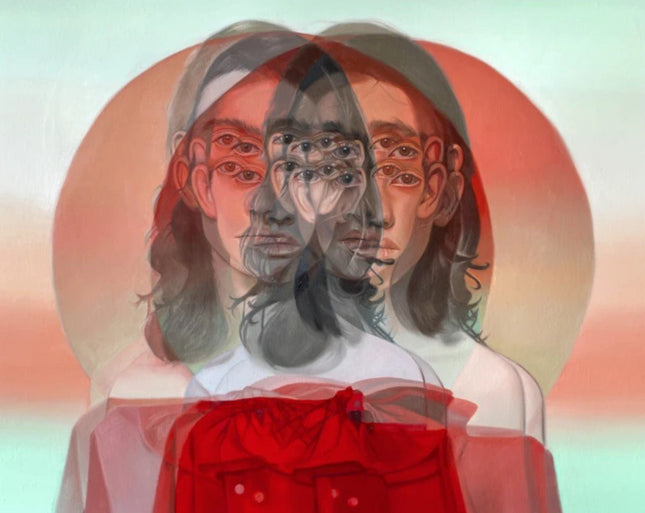
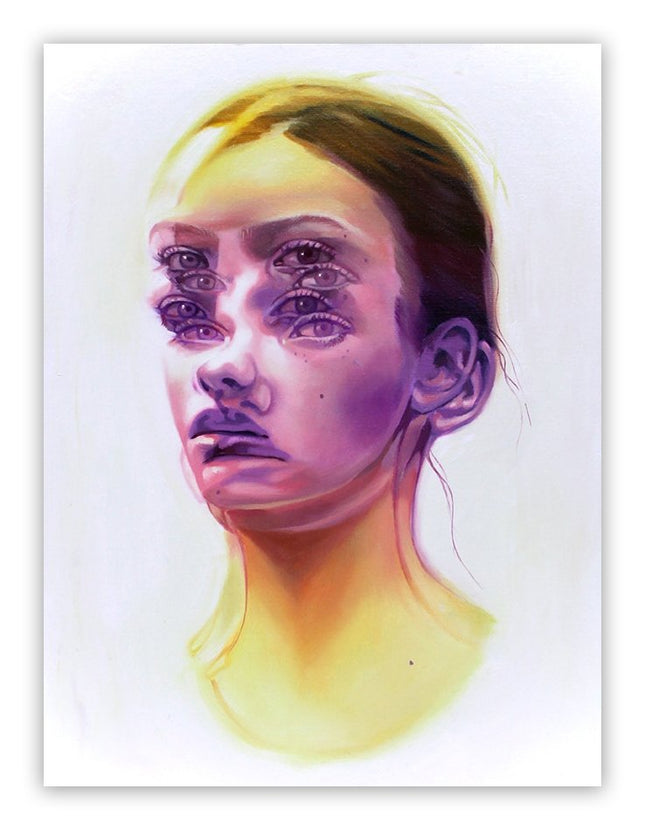
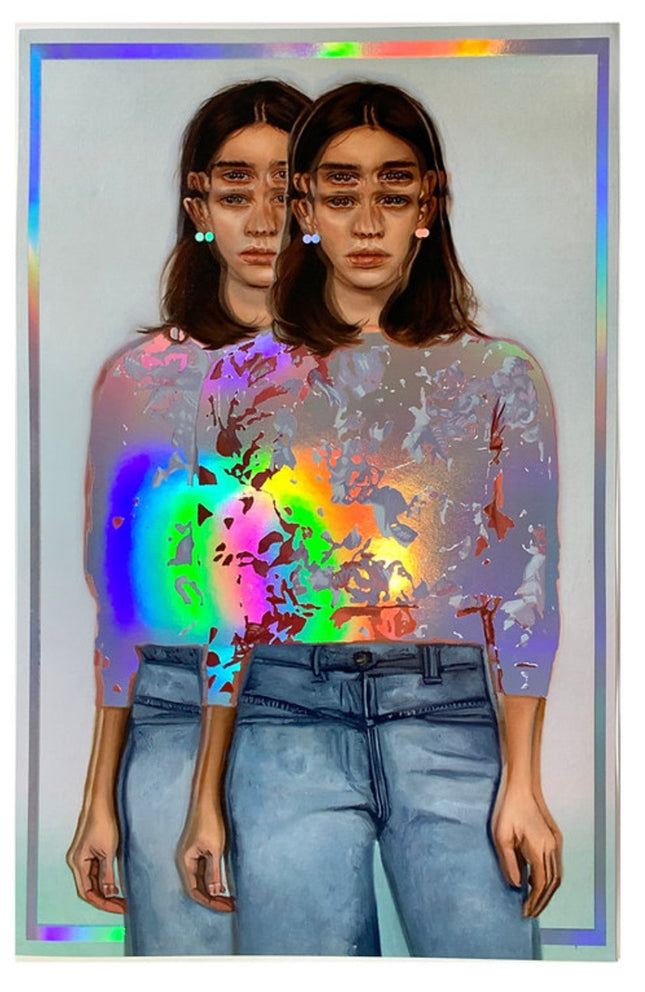
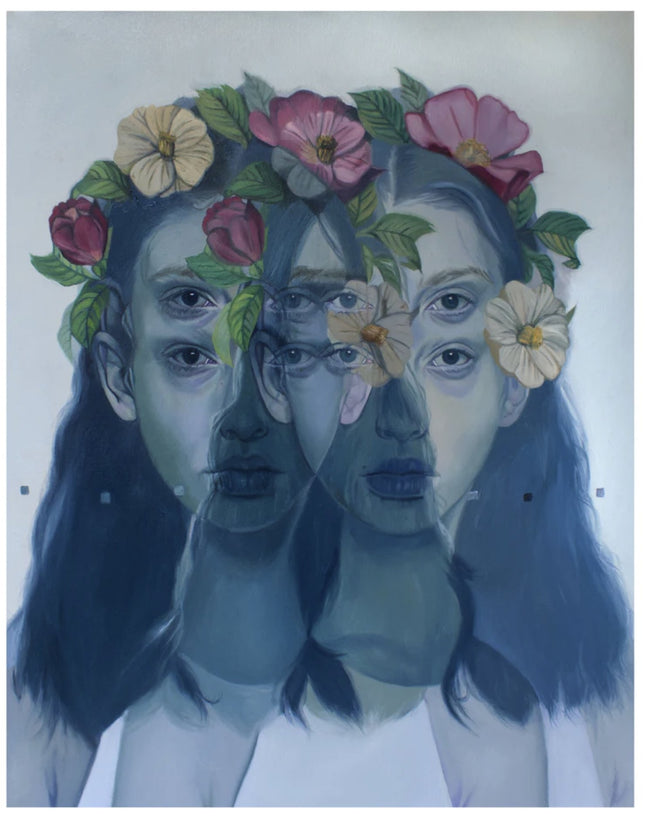
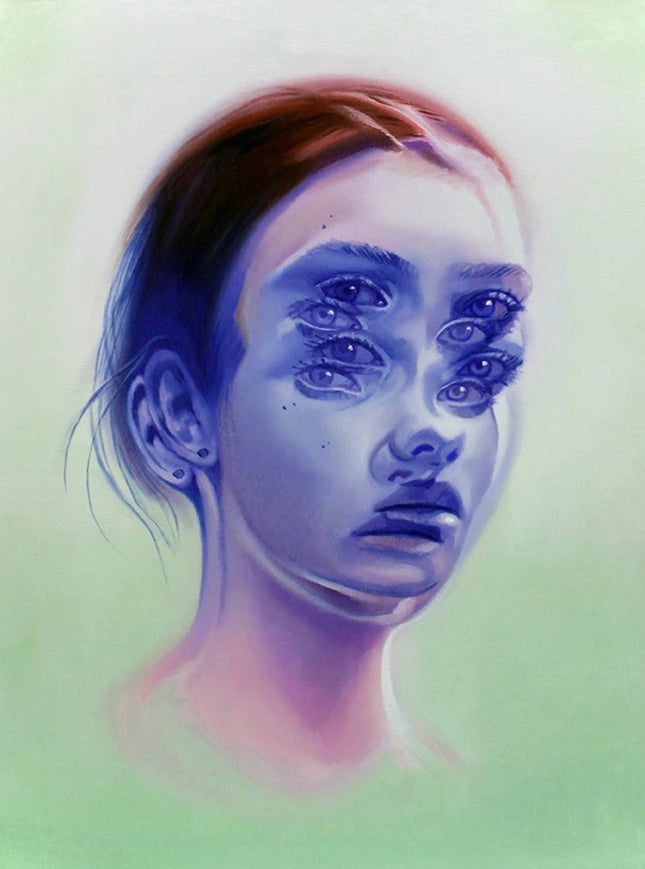
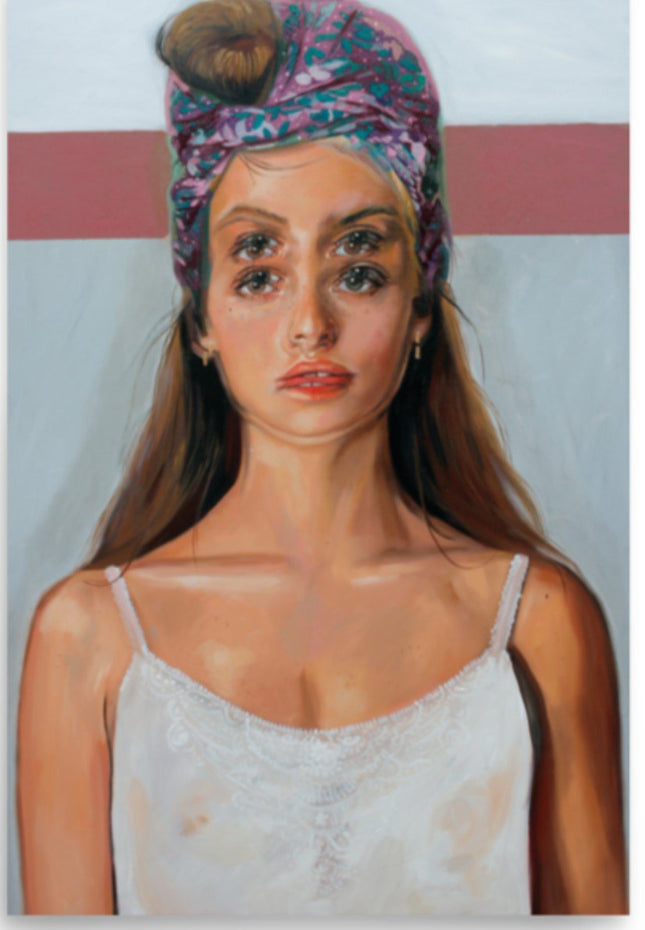
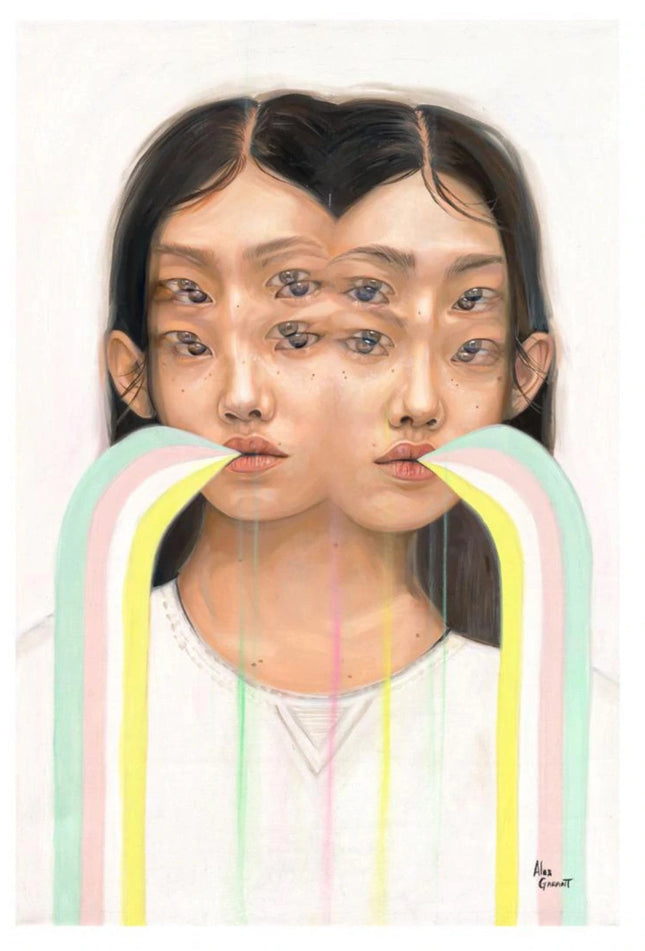
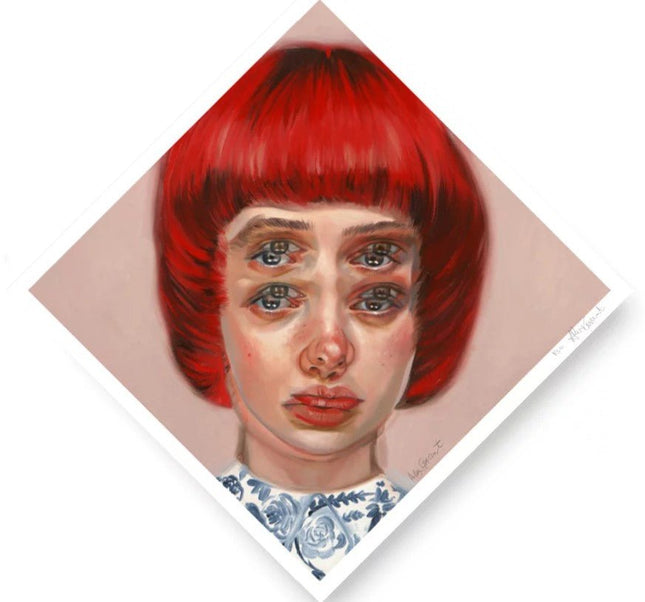
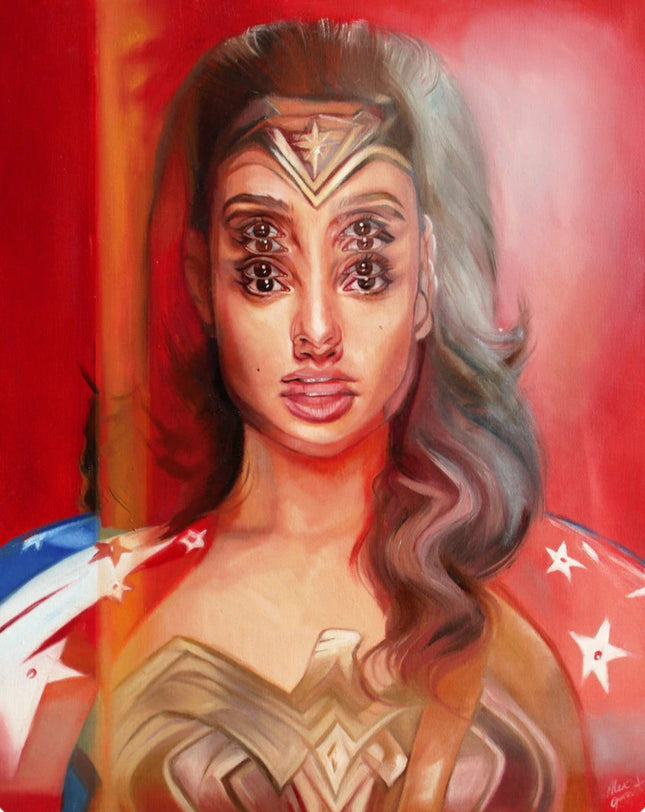
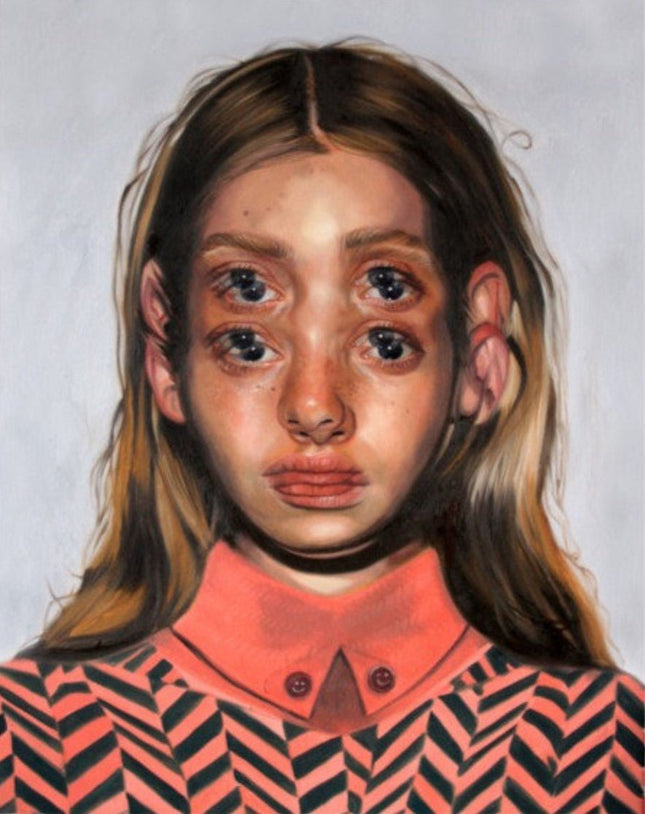
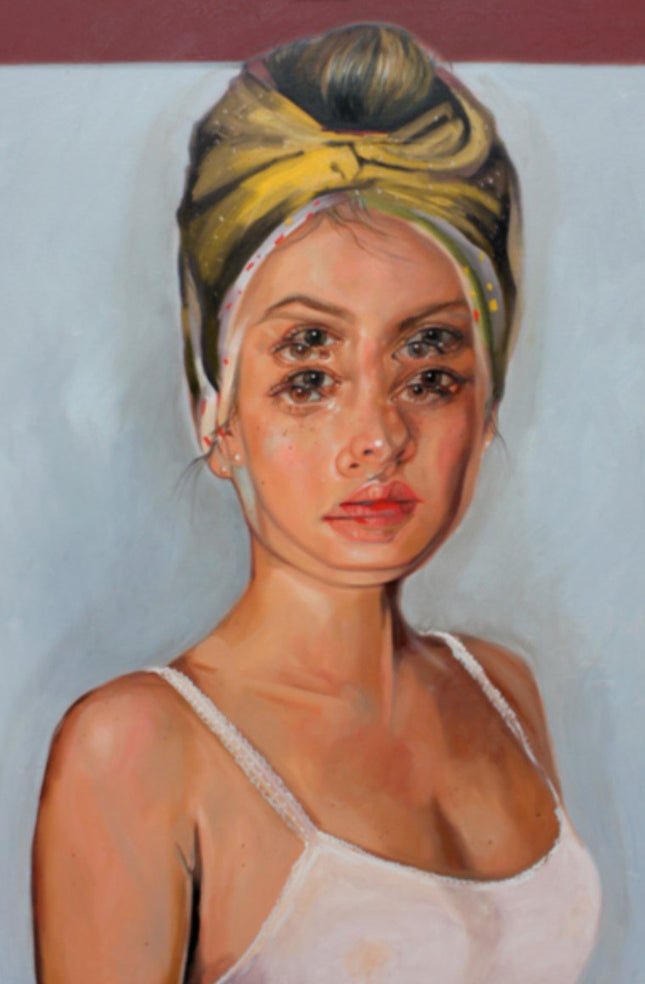
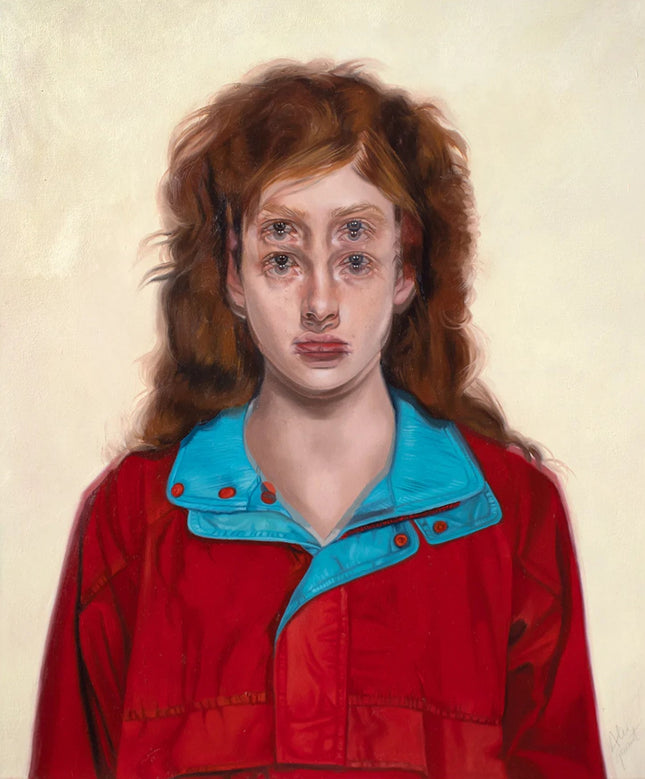
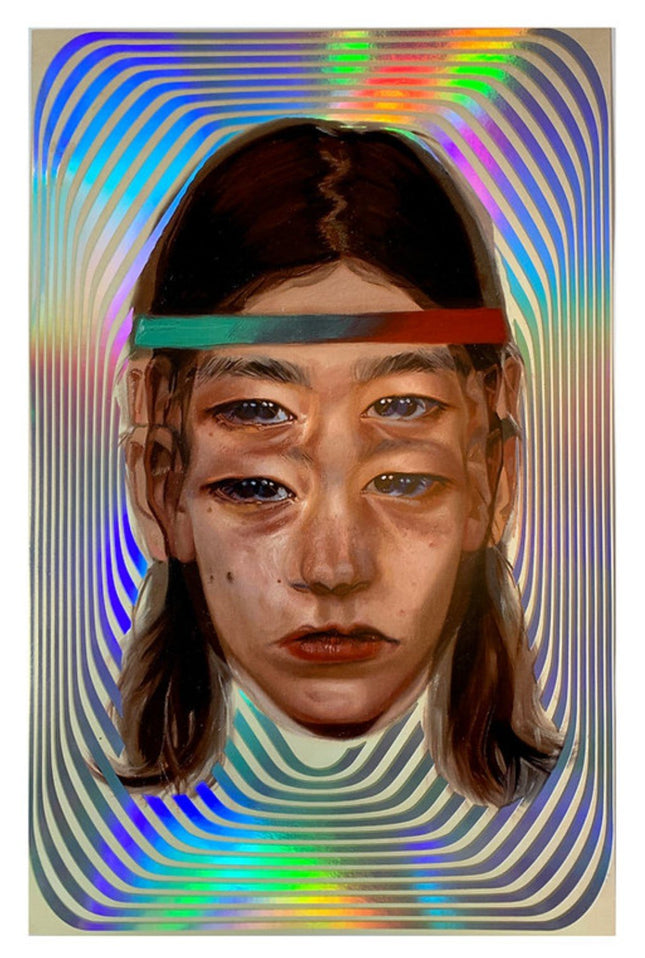
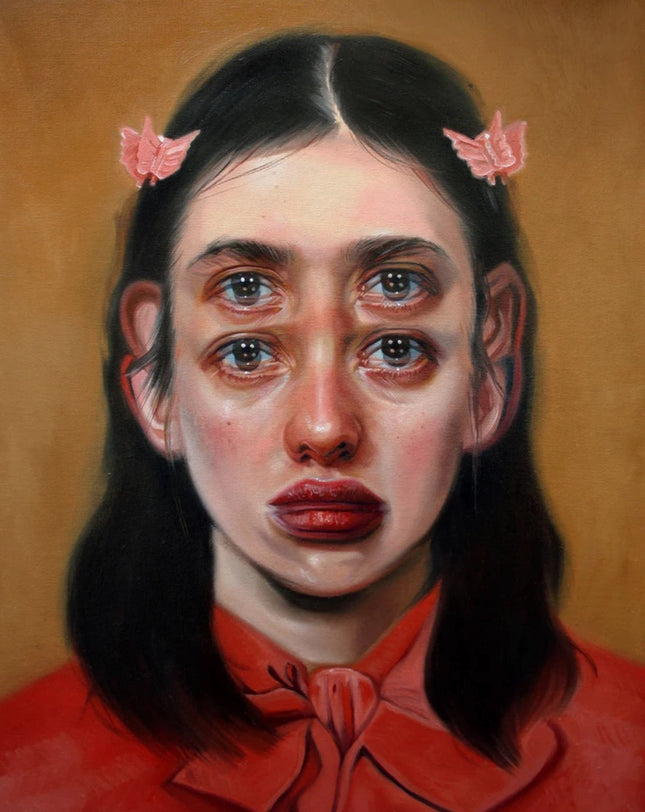
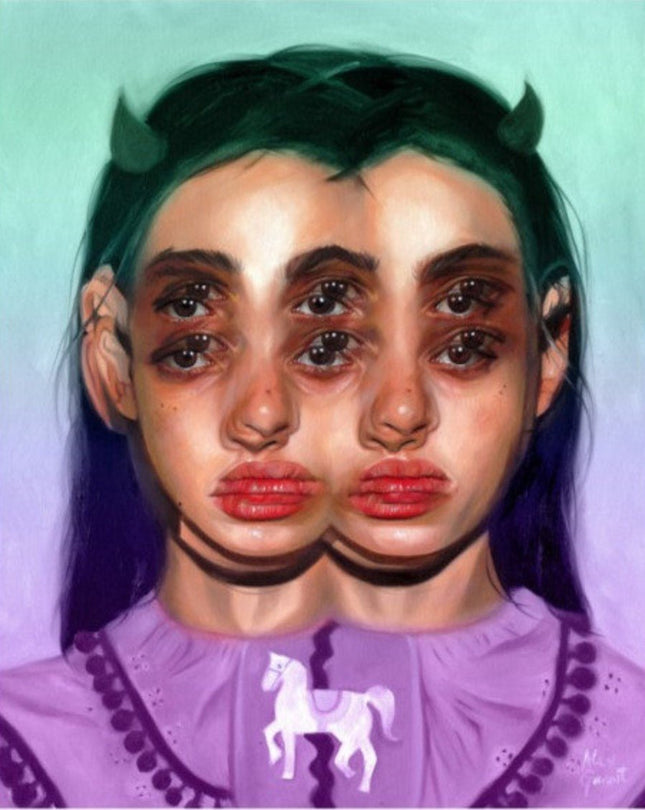
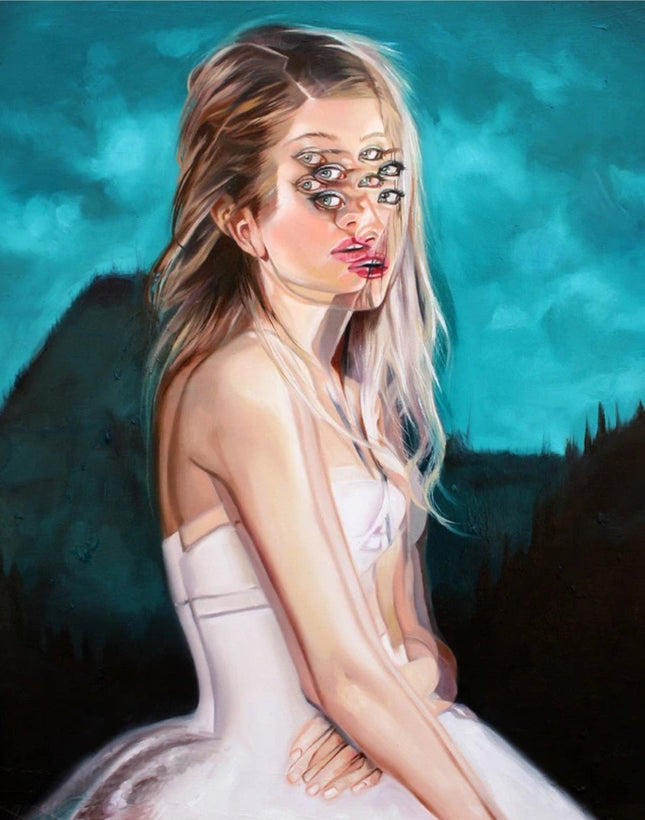
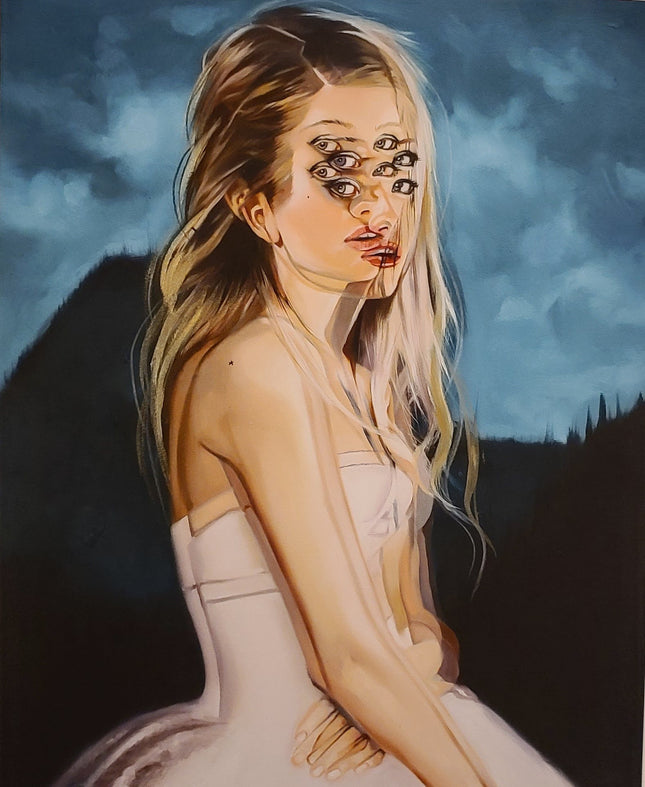
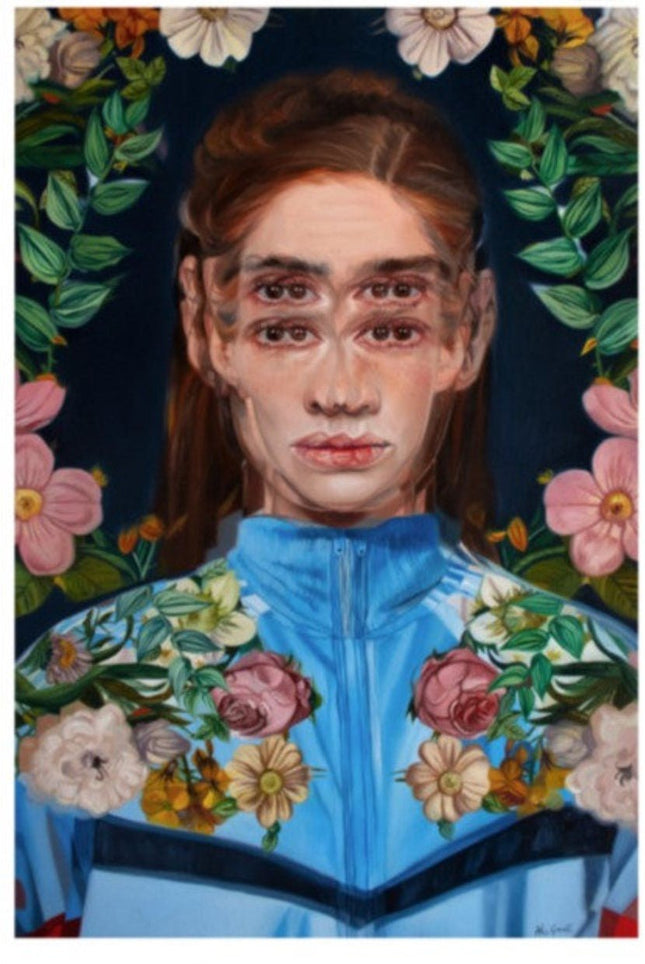
Alex Garant is a Canadian visual artist renowned for her bold, surrealist portraits that utilize optical layering, mirrored imagery, and multiple facial features to create a jarring visual experience. Often referred to as the Queen of Double Eyes, Garant’s distinctive style combines baroque aesthetics, pop surrealism, and op-art techniques to challenge perception and evoke emotional intensity. While her medium is primarily traditional—acrylic on canvas—her work speaks powerfully to the ethos of Street Pop Art & Graffiti Artwork through its rebellious visual language, its visceral approach to beauty, and its embrace of illusion as a tool for truth. Born in Ontario, Garant studied visual arts at Notre-Dame–De-Foy in Quebec and later established herself internationally with exhibitions across North America and Europe. Her portraits, often of women, feature repeated sets of eyes, lips, or facial structures that immediately unsettle the viewer. This visual doubling is not simply decorative—it is used to explore themes of identity fragmentation, overstimulation, and emotional overload. In a media landscape saturated with images, Garant’s work acts as a mirror fractured by the pressure of self-image and societal expectation.
Visual Overload and the Language of Disruption
Garant’s technique of visual multiplication draws clear parallels to the rhythm and intensity found in graffiti and pop-inspired street murals. Just as a wall may be bombed with tags layered over wheatpaste and stencil, Garant overlays features to create an internal static—one that reflects psychological tension and digital overstimulation. The viewer is forced into a confrontation with perception itself. The portraits often remain serene in expression, yet the optical disruption transforms them into haunting icons, forcing introspection. This kind of visual tension mirrors the disruptive strategies used in graffiti to reclaim visual space. Like a tag on a corporate billboard, Garant’s paintings interrupt expectations of symmetry and photographic realism. Instead of smoothing the viewer’s gaze, she fractures it—making the viewer work to assemble meaning from chaos. In doing so, her approach aligns with the same artistic drive seen in street-level works that challenge aesthetic norms or institutional control over visual narratives.
Baroque Influence Meets Pop Surrealism
Alex Garant draws on elements of classical portraiture—soft lighting, symmetrical composition, and decorative elements—yet she twists these traditions through a hyper-modern lens. This blending of ornate beauty and psychedelic distortion places her work in direct dialogue with Street Pop Art, where visual intensity and emotional depth are often weaponized to critique culture. Her palette, frequently bright and high-contrast, invokes the vivid color strategies of mural art and urban posters. Her subjects appear poised yet elusive, real yet digitally ghosted. This reflects the modern identity crisis—fragmented, replicated, curated. In a time when selfies and social media profiles dominate self-perception, Garant paints faces that refuse singular identity, presenting instead multiple truths. This resonates deeply with contemporary street and pop artists who use public space and iconography to question who gets to be seen, remembered, or defined.
Gallery Walls and the Streetside Mindset
While Alex Garant’s work is displayed in galleries rather than on city walls, the conceptual roots and aesthetic punch of her paintings mirror the best of graffiti-informed art. Her work has appeared in exhibitions across Los Angeles, London, New York, and Montreal, and has been featured in publications like Juxtapoz, Hi-Fructose, and Beautiful Bizarre—platforms that consistently amplify street-influenced visual innovation. Her artistic voice embodies the Street Pop Art & Graffiti Artwork tradition of using image as interruption. Her portraits confront the viewer with both beauty and distortion, harmony and overload. She does not paint for comfort; she paints for impact. Through optical illusions, she transforms passive viewing into an act of re-evaluation, making her one of the most compelling contemporary voices in the broader movement of visually subversive art.