

Understanding the Influence of Anime in Street Pop Art and Graffiti Artwork
Anime has had a significant impact on various forms of art, including graffiti art and pop art. Graffiti and pop art are known for their vibrant colors, bold lines, and striking imagery, and anime's distinctive style lends itself well to these artistic movements. In graffiti art, anime characters often create intricate and eye-catching murals on buildings and other public spaces. These murals can range from small tags and stickers to large-scale works of art that cover entire walls. Some graffiti artists incorporate anime characters into their work to express their love for the art form or to make a statement about society and culture. In pop art, anime has influenced many artists who incorporate Japanese culture and style elements into their work. Pop art often involves taking everyday objects and elevating them to the level of high art, and anime characters and imagery are a natural fit for this style. Many pop artists use bright, bold colors and exaggerated forms to create eye-catching works of art that draw inspiration from anime and manga. Anime has had a significant impact on graffiti and pop art, inspiring artists worldwide to incorporate its unique style and imagery into their work. Whether through graffiti murals on city walls or pop art paintings in galleries, anime continues to influence contemporary art significantly. Anime, a style of animation that originated in Japan, has made a significant impact globally, notably in street pop art and graffiti artwork. This cultural phenomenon transcends traditional boundaries of artistic expression, blending intricate storytelling with unique visual styles. The influence of anime in street art and graffiti is evident in various urban landscapes, where artists use its distinct characteristics to create vibrant, thought-provoking pieces that resonate with diverse audiences. Street pop art and graffiti artwork, often seen as forms of rebellion or social commentary, find a kindred spirit in anime. Anime's rich narratives often explore complex themes such as identity, technology, and the human condition, which street artists frequently incorporate into their work. The integration of anime into street pop art and graffiti has given these art forms a new dimension, allowing artists to communicate more profound messages through a blend of visual symbolism and narrative depth.Anime Visual Style in Street Pop Art and Graffiti Artwork
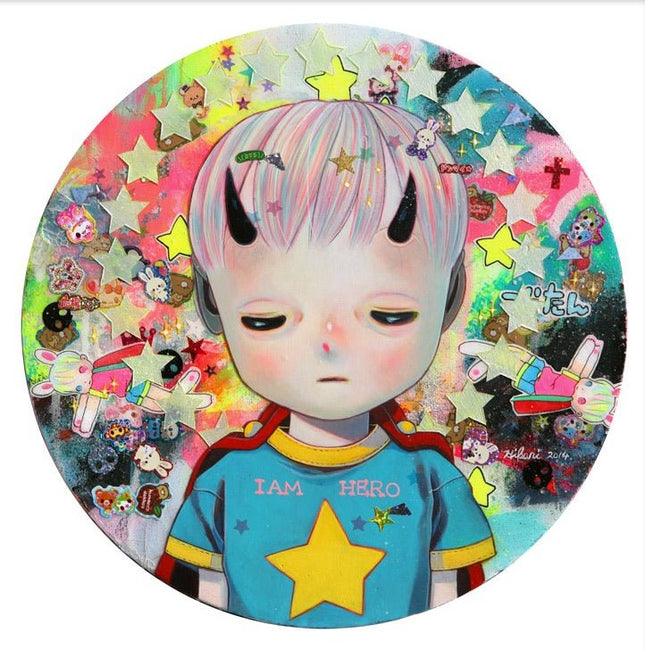
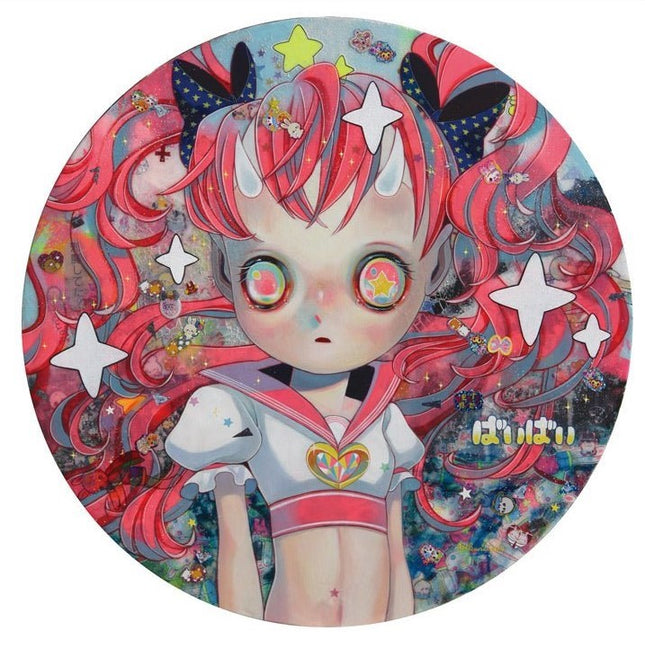
The visual style of anime is characterized by its vivid colors, exaggerated features, and dynamic compositions. These elements ideally suit the bold and expressive nature of street pop art and graffiti. Artists who draw inspiration from anime tend to incorporate its signature big eyes, vibrant color palettes, and dramatic shading into their murals and pieces. This fusion creates a striking visual impact on the viewers, making the artwork more engaging and accessible, especially to younger audiences already familiar with anime culture. Moreover, the globalization of anime has contributed to its popularity and acceptance in street art. With the internet and digital media rise, anime has reached a wider audience, influencing artists and viewers across different cultures and backgrounds. This global reach has led to the creation of street art and graffiti that celebrates the art form and uses it to bridge cultural divides. Murals depicting famous anime characters or scenes can be found in various cities worldwide, serving as cultural landmarks and points of connection for fans and artists alike. Another aspect of anime's influence on street pop art and graffiti is how it challenges traditional artistic norms. Anime often pushes the boundaries of imagination, creating worlds that defy reality. Street artists, in turn, adopt this approach to challenge conventional perceptions of art and public space. By incorporating fantastical elements and imaginative scenarios inspired by anime, these artists turn ordinary walls and urban spaces into canvases for storytelling and creative expression.Furthermore, the thematic diversity of anime allows street artists to explore a wide range of subjects. From action-packed adventures and romantic tales to deep psychological dramas, anime covers a spectrum of genres. This versatility is reflected in various street art and graffiti inspired by anime, where each piece can convey different moods and stories. Whether it's a mural that captures the high-energy action of shonen anime or a subtle piece reflecting the emotional depth of a slice-of-life series, the influence of anime enables street artists to cater to a broad audience with varying tastes and interests. The impact of anime on street pop art and graffiti artwork is a testament to its cultural significance and artistic value. Anime has not only influenced the aesthetic and thematic aspects of these art forms but has also played a role in their evolution and global reach. By infusing street art and graffiti with its unique visual style and narrative depth, anime has helped these art forms connect with a broader audience, offering new perspectives and experiences. As anime continues to grow in popularity, its influence on street art and graffiti will likely expand, further enriching these vibrant and dynamic artistic communities.