Anime

60 artworks

  • Lil Nekobasu Archival Print by Casey Weldon

    Casey Weldon Lil Nekobasu Archival Print by Casey Weldon

    Lil Nekobasu Archival Pigment Limited Edition Print on Fine Art Paper by Pop Artist Casey Weldon Artwork. 2017 Numbered Limited Edition of 150 Artwork Size 14x14 Lil Nekobasu by Casey Weldon – Whimsical Mutation in Street Pop Art & Graffiti Artwork Casey Weldon's 2017 limited edition print Lil Nekobasu stands as a surreal and captivating piece in the world of Street Pop Art & Graffiti Artwork. Released as a numbered edition of 150, this 14 by 14 inch archival pigment print is produced on fine art paper with high-fidelity color accuracy and exceptional detail. The image captures a hybrid creature that playfully merges feline charm with the visual structure of a segmented bus, a clever nod to pop culture and a direct homage to the character Catbus from Japanese animation. Yet Weldon’s version is distinctly his own, rendered with a unique softness and eerie precision that has become a trademark of his imaginative, emotionally suggestive style. The background places the creature on what appears to be a human lap, surrounded by natural textures like grass, blurring the boundaries between comfort, fantasy, and strangeness. Casey Weldon: American Pop Surrealist Reimagining the Familiar Born in the United States, Casey Weldon is known for his dreamlike compositions and frequent use of cats, glowing eyes, and nostalgic references as thematic devices. His work resides in a space where pop culture, sentimentality, and oddity converge. With Lil Nekobasu, Weldon leans into his fascination with childhood wonder and visual puns, offering a creature that is equal parts cute, cryptic, and unsettling. The deliberate detail in the fur texture, the glint in the cat’s golden eyes, and the seamless integration of mechanical segments across its back transform this into a visual paradox—playful but uncanny, tender yet odd. The print is emblematic of how Street Pop Art & Graffiti Artwork can elevate the bizarre and personal to the level of fine art without losing its connection to humor and nostalgia. Visual Technique and Materiality in a Digital-Physical Fusion The use of archival pigment printing in Lil Nekobasu allows for intense color vibrancy and depth, which is essential to conveying the almost hyperreal textures of Weldon’s painted forms. This medium is prized among contemporary artists for its longevity and ability to replicate the subtlety of original brushwork and gradients. The fine art paper base enhances the print’s visual impact, creating a tactile sense of depth that resonates with the physicality of traditional media while maintaining the efficiency and clarity of digital processes. The 14 x 14 inch format offers a perfect square composition that reinforces the intimacy and symmetry of the subject, placing the viewer close to this strange creature in a moment of relaxed fantasy. Cultural Echoes and the Subversive Sweetness of Street Pop Art & Graffiti Artwork By referencing Totoro’s Catbus while creating a fully original being, Weldon engages in a cultural remix that is foundational to Street Pop Art & Graffiti Artwork. The hybrid nature of Lil Nekobasu speaks to a generation raised on animated fantasies but grounded in the absurdities of adulthood. Weldon’s reinterpretation avoids imitation by amplifying personal symbolism and emphasizing mood over narrative. The print challenges the viewer to feel affection for something they cannot quite categorize. Its unsettling serenity is a commentary on how strange and charming the familiar can become through slight distortion. In the context of Street Pop Art & Graffiti Artwork, Lil Nekobasu encapsulates the genre’s ability to make viewers laugh, feel, and question all at once. This piece stands as a collectible not just for fans of cats or cartoons, but for those drawn to the emotional ambiguity that defines much of the best contemporary pop-infused art.

    $159.00

  • Solitary Child 3 Archival Print by Hikari Shimoda

    Hikari Shimoda Solitary Child 3 Archival Print by Hikari Shimoda

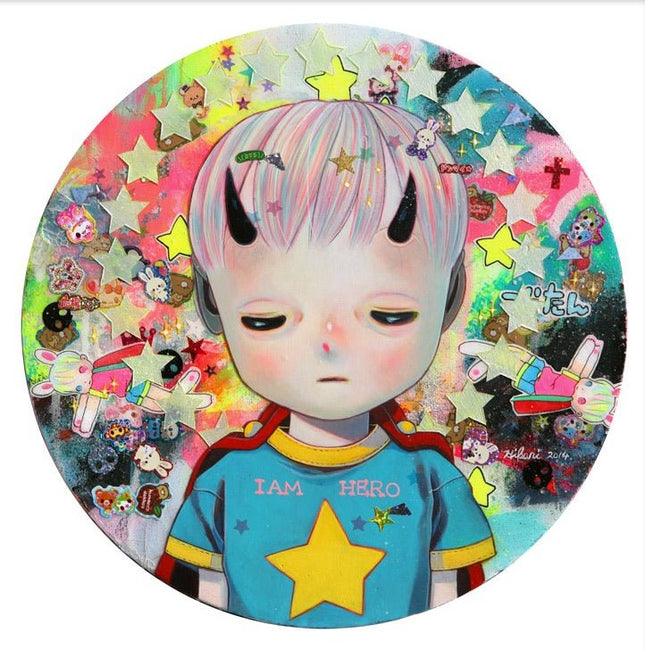
    Solitary Child 3 Limited Edition Archival Pigment Prints on 310gsm Fine Art Paper by Hikari Shimoda Graffiti Street Artist Modern Pop Art. 2016 Signed & Numbered Limited Edition of 50 Artwork Size 12x12 "Solitary Child is a series of works, focused on my original theme of the inevitability of the Apocalypse. In this series, I am offering a new savior for humankind- she is a magical girl (Solitary Child #1) and a little boy hero (Solitary Child #3). In the world of my paintings, humanity has perished, as seen in the collage background, where there is an expressed chaos throughout. In these images, my saviors have come upon the dying human race. After the death of man, the world has found some relief from the turmoil that he has brought upon it. Meanwhile, mankind selfishly dreams of newfound happiness in his afterlife. In the mythology of my work, as humanity is destroyed, only one figure remains and that is the Messiah represented as a child. The magical girl was the first to be left alone after humanity was destroyed, left to deal with the despair and damage he left behind. Her eyes are shining and sparkling, but her stare is blank. In contrast, my hero’s eyes are closed ever so gently. To him, everything in the world is very chaotic and overwhelming. He feels all of its happiness, despair, hope, sadness, everything… in such a state, even the world’s savior must shut his eyes to it." - Hikari Shimoda Solitary Child 3 Archival Pigment Print by Hikari Shimoda Solitary Child 3 by Hikari Shimoda is a vivid embodiment of emotional symbolism and post-apocalyptic narrative rendered through the lens of Japanese Street Pop Art & Graffiti Artwork. Released in 2016 as a signed and numbered archival pigment print limited to 50 editions, the artwork measures 12x12 inches and is printed on 310gsm fine art paper. This circular piece, like its counterpart Solitary Child 1, presents a child as a spiritual savior in the wake of humanity’s collapse. However, where the magical girl of the first installment gazes outward with shining eyes, Solitary Child 3 closes his eyes to the world, weighed down by its chaos and sorrow. The Child Hero as a Symbol of Emotional Overload The central figure is a young boy depicted with softly closed eyes, a vacant expression, and flushed cheeks. His pale, almost ghostlike complexion contrasts with the electric vibrancy of the chaotic collage behind him. The boy wears a star-laden shirt with the phrase I AM HERO emblazoned across the chest. This phrase is not a declaration of ego but a burden of responsibility in a world shattered by human error. With small black horns rising from his head and a solemn composure, the character straddles the line between innocence and burdened divine messenger. Hikari Shimoda’s universe exists in a fantastical space where childlike visuals are infused with heavy existential themes. The surrounding background in Solitary Child 3 is littered with neon stars, stickers, anime-inspired creatures, and cultural flotsam. The visual chaos symbolizes the overstimulation of modern society and the debris left behind after its collapse. The messianic child stands amid this wreckage, absorbing it all in quiet contemplation. Unlike heroes who fight with swords or powers, this savior’s resistance lies in his inward emotional experience. Aesthetic Tension Between Kawaii and Catastrophe Shimoda blends traditional Japanese pop culture imagery with deeply contemporary anxieties. The work’s aesthetic borrows heavily from kawaii sensibilities—cute characters, colorful motifs, childlike wonder—but it is filtered through a lens of apocalypse, grief, and spiritual ambiguity. The character is not smiling. His closed eyes speak to a need to shut out the pain of the world, even as he must stand as its redeemer. The artist challenges the viewer to question what innocence means when it exists in the shadow of destruction, and what heroism requires when the world has already ended. Pop Iconography Transformed Through Spiritual Narrative Solitary Child 3 situates itself within the new wave of Street Pop Art & Graffiti Artwork by merging painterly techniques, manga aesthetics, and conceptual symbolism. Hikari Shimoda’s work challenges traditional Western ideas of what children represent in visual culture. Here, the child is not naive or oblivious but rather deeply aware, spiritually complex, and emotionally overwhelmed. The use of archival pigment print on heavy fine art paper preserves both the vibrancy and the texture of the original, allowing collectors to experience the intimacy and power of Shimoda’s vision. This print serves as a profound statement within Shimoda’s mythological continuum. It reminds the viewer that amid ruin, the last figure standing is not a politician or warrior, but a child—silent, enduring, and burdened with the sorrow of a fallen world.

    $298.00

  • Climb Mt. Tanaka Be@rbrick Silkscreen

    BE@RBRICK Climb Mt. Tanaka Be@rbrick Silkscreen

    Climb Mt. Tanaka> Be@rbrick 15-Color Hand-Pulled Limited Edition Silkscreen Print on 280lb. Coventry Rag Paper by Frank Kozik Rare Street Art Famous Pop Artwork Artist. Artist: Frank Kozik Creation Date: 2005 Edition: 100; signed and numbered Size: 22 7/8" x 30 his print is signed and numbered by the artist in pencil. This 15-color silkscreen art print is printed on white-colored 280lb. Coventry rag paper.

    $367.00

  • Solitary Child 1 Archival Print by Hikari Shimoda

    Hikari Shimoda Solitary Child 1 Archival Print by Hikari Shimoda

    Solitary Child 1 Limited Edition Archival Pigment Prints on 310gsm Fine Art Paper by Hikari Shimoda Graffiti Street Artist Modern Pop Art. 2016 Signed & Numbered Limited Edition of 50 Artwork Size 12x12 "Solitary Child is a series of works, focused on my original theme of the inevitability of the Apocalypse. In this series, I am offering a new savior for humankind- she is a magical girl (Solitary Child #1) and a little boy hero (Solitary Child #3). In the world of my paintings, humanity has perished, as seen in the collage background, where there is an expressed chaos throughout. In these images, my saviors have come upon the dying human race. After the death of man, the world has found some relief from the turmoil that he has brought upon it. Meanwhile, mankind selfishly dreams of newfound happiness in his afterlife. In the mythology of my work, as humanity is destroyed, only one figure remains and that is the Messiah represented as a child. The magical girl was the first to be left alone after humanity was destroyed, left to deal with the despair and damage he left behind. Her eyes are shining and sparkling, but her stare is blank. In contrast, my hero’s eyes are closed ever so gently. To him, everything in the world is very chaotic and overwhelming. He feels all of its happiness, despair, hope, sadness, everything… in such a state, even the world’s savior must shut his eyes to it." - Hikari Shimoda Solitary Child 1 Archival Pigment Print by Hikari Shimoda Solitary Child 1 is a haunting yet luminous work by Japanese artist Hikari Shimoda, executed as a limited edition archival pigment print on 310gsm fine art paper in 2016. Measuring 12x12 inches and part of a signed and numbered edition of only 50 pieces, the print is an exemplary artifact of modern Street Pop Art & Graffiti Artwork. Hikari Shimoda’s visual language is deeply influenced by anime, manga, and the traditions of Japanese pop culture, yet she transcends those frameworks by embedding layered commentary on psychological turmoil, existential despair, and the fractured identity of post-apocalyptic innocence. A Childlike Messiah in a Dystopian Aftermath Solitary Child 1 features a central character presented with almost overwhelming intensity: a young girl in a magical girl costume with heart motifs and sailor-style attire. Her pink and red hair bursts outward, saturated with visual energy, covered in stars and cosmic motifs. The round composition suggests a window into another dimension, one that has already processed the collapse of humanity. Her large, glowing eyes, rendered with 3D-like chromatic effects, stare blankly ahead, neither judgmental nor mournful. This emptiness is intentional, a thematic thread in Shimoda’s work meant to evoke both detachment and forced resilience. Within the background—a swirling collage of detritus, symbols, and abstract fragments—the chaos of a forgotten civilization bleeds through. Shimoda situates her character as both witness and survivor. The child does not weep for the world but exists beyond it, as its last remnant or perhaps as its reluctant redeemer. Her eyes, sparkling with galaxies and stars, are full of wonder and terror. Her small frame is juxtaposed against the density of visual information around her, reminding the viewer that she is no longer a child in the traditional sense but a totem for hope, destruction, memory, and transcendence. The Narrative of the Apocalypse and Magical Realism This print is part of Shimoda’s larger Solitary Child series, which contemplates the inevitable downfall of humankind and the rise of symbolic children as messianic figures. Her use of magical girl archetypes and child heroes blends contemporary kawaii aesthetics with harrowing existential themes. The result is a visual paradox: alluring and innocent on the surface, but deeply reflective of societal failure, emotional vacancy, and the search for meaning after cultural ruin. Solitary Child 1 is more than a work of visual pop; it is a philosophical reflection clothed in vibrant, hallucinogenic textures. A Singular Voice in Pop Apocalyptic Visual Language Hikari Shimoda’s Solitary Child 1 stands at the intersection of anime fantasy, pop aesthetics, and postmodern emotional realism. Printed with extraordinary precision on archival paper, the piece balances delicate brush textures with high-impact digital color precision. Each work in the edition is hand-signed and individually numbered, preserving its place in the limited pantheon of collectible Street Pop Art & Graffiti Artwork. As Shimoda continues to rise in global prominence, pieces like Solitary Child 1 serve as portals into her richly imagined mythos—where apocalyptic desolation and magical innocence collide to question what it means to save a world that cannot save itself.

    $298.00

  • Trip A Stitch In Time EpiPen Blotter Paper Archival Print by Ben Frost

    Ben Frost Trip A Stitch In Time EpiPen Blotter Paper Archival Print by Ben Frost

    Trip A Stitch In Time EpiPen Blotter Paper Archival Print by Ben Frost Limited Edition Fine Art Archival Pigment Print Art on Perforated Blotter Paper. 2025 Signed & Numbered Limited Edition of TBD Archival Pigment Print on Perforated Blotter Paper Size: 7.5 x 7.5 Inches Release: April 19, 2025 Limited blotter editions are hand-perforated by Zane Kesey. Ben Frost's Stitch and the Prescription Rebellion Trip A Stitch In Time EpiPen Blotter Paper Archival Print by Ben Frost, released in 2025 as a limited edition pigment print on perforated blotter paper, continues the Australian street artist's sharp critique of consumerism, pharmaceutical branding, and the hijacking of pop culture. In this particular work, the animated alien Stitch is depicted in a manic outburst overlaid on EpiPen pharmaceutical packaging. Known for his unapologetic visual collisions, Ben Frost uses the raw visual energy of graffiti tactics and comic aesthetics to deliver a satirical jab at the marketing of medical dependency, while simultaneously twisting beloved childhood characters into symbols of overstimulated chaos. Street Pop Art Meets Pharmaceutical Anxiety What sets this work apart in the category of Street Pop Art & Graffiti Artwork is its brutal honesty in aesthetic and message. The combination of a hyperactive Stitch and the sterile typography of prescription medicine constructs an immediate visual dissonance. Stitch's feral teeth, wide eyes, and clawed hand scream in emotional excess, a stark contradiction to the controlled and impersonal design of the EpiPen label behind him. The juxtaposition acts as a metaphor for cultural burnout, the medicating of identity, and the commodification of both childhood and health. Frost’s use of blotter paper, a medium historically associated with LSD, heightens the psychedelic tone and lends another layer of commentary about societal escapism through pills, pleasure, or nostalgia. Perforation as Medium and Message The print is produced on a 7.5 x 7.5 inch perforated blotter sheet, hand-perforated by Zane Kesey, son of Ken Kesey, the cultural icon known for pioneering the psychedelic movement. This detail ties the artwork to a broader historical conversation around consciousness, art, and rebellion. In this format, the artwork becomes something to be metaphorically consumed, suggesting the idea of breaking apart sanitized narratives into fragmented truths. The perforations also echo street art’s ephemerality, its nature of being divided, destroyed, or shared. The medium is the message as much as the image, with Frost exploiting every inch of material for critical storytelling. The Power of Satirical Mutation in Urban Culture Ben Frost’s visual style often depends on mutation, appropriation, and critique, and Trip A Stitch In Time stands out for its frenzied commentary on overstimulation, identity distortion, and pharmaceutical dependence. Within the context of Street Pop Art & Graffiti Artwork, this piece is more than a parody of medical culture—it is an indictment of the manufactured balance society attempts to impose through pills, branding, and repackaged characters. Stitch, in this chaotic reinterpretation, becomes a monster of modern consumption, captured at the moment he breaks through the constraints of prescription labels and cartoon nostalgia to claw at something far more human—truth through madness.

    $550.00

  • Who Fried Roger Rabbit? Seroquel Blotter Paper Archival Print by Ben Frost

    Ben Frost Who Fried Roger Rabbit? Seroquel Blotter Paper Archival Print by Ben Frost

    Who Fried Roger Rabbit? Seroquel Blotter Paper Archival Print by Ben Frost Limited Edition Fine Art Archival Pigment Print Art on Perforated Blotter Paper. 2025 Signed & Numbered Limited Edition of TBD Archival Pigment Print on Perforated Blotter Paper Size: 7.5 x 7.5 Inches Release: April 19, 2025 Limited blotter editions are hand-perforated by Zane Kesey. Cartoon Madness Meets Pharmaceutical Culture Who Fried Roger Rabbit? Seroquel Blotter Paper Print by Ben Frost reimagines the iconic animated character Roger Rabbit within the framework of modern pharmaceutical branding. Released as part of Frost’s 2025 collection, this 7.5 x 7.5 inch limited edition archival pigment print on perforated blotter paper explores the collision of pop culture and medication packaging with satirical precision. Featuring the animated character smiling manically beside a Seroquel XR layout, the print is hand-perforated by Zane Kesey and produced in a signed and numbered edition. This work critiques how society normalizes mental health struggles through branding and questions how animation, nostalgia, and pharmaceuticals can coexist in a single visual message. Satirical Branding and Medicinal Irony Frost fuses Roger Rabbit’s over-the-top personality with Seroquel, a medication used to treat mood disorders, to amplify the surreal effects of overstimulation and sedation. By transforming the clinical appearance of a pharmaceutical box into a playful, chaotic canvas for a cartoon figure, Frost blurs the line between treatment and escapism. His use of quetiapine packaging language is precise, including dosage information and warnings, yet subverted by Roger Rabbit’s erratic demeanor. The underlying message reflects on how medication is commercialized in a culture that commodifies both mental illness and childhood nostalgia. Material Subversion in Blotter Format The blotter paper format is integral to the conceptual thrust of the piece. Traditionally associated with LSD distribution, blotter prints evoke a psychedelic lineage and hint at an altered perception of reality. By placing a cartoon character on a faux-medication backdrop, Frost disrupts the expectation of serious pharmaceutical design with absurdity. The perforation physically fragments the image, echoing the fragmentation of consciousness and emotion in both medicated and animated experiences. This format enables the artwork to comment simultaneously on drug culture, entertainment media, and mental health marketing. Ben Frost’s Visual Provocation Australian artist Ben Frost has made a name for himself by appropriating advertising, pharmaceutical logos, and mass-market cartoons into biting social commentary. His Street Pop Art & Graffiti Artwork unpacks consumer psychology through bold color, recognizable imagery, and pointed juxtapositions. Who Fried Roger Rabbit? is a standout example of this method—merging the aesthetics of childhood with the clinical detachment of adult medicalization. Frost confronts viewers with contradictions they may overlook in daily life, drawing humor and tension from the unsettling marriage of cartoon madness and prescribed stability. It’s not just visual stimulation—it’s a question wrapped in a package we’re told to trust.

    $550.00

  • A Girl Dressed As Rikku Silkscreen Print by Ian Francis

    Ian Francis A Girl Dressed As Rikku Silkscreen Print by Ian Francis

    A Girl Dressed As Rikku Limited Edition 3-Color Hand-Pulled Silkscreen Print on 100% Cotton Rag Archival Paper by Ian Francis Graffiti Street Artist Modern Pop Art. Ian Francis - A Girl Dressed as Rikku, 2009 BLK/MRKT Editions 3-color screenprint on 100% cotton rag Edition: 100 Size: 18 x 24 inches signed/numbered/stamped. Based on the Final Fantasy video game character.

    $330.00

  • Plastic Sea Giclee Print by Ilya Kuvshinov

    Ilya Kuvshinov Plastic Sea Giclee Print by Ilya Kuvshinov

    Plastic Sea Pop Street Artwork Limited Edition Giclee Print on 100lb Italian Coldpressed Paper by Urban Graffiti Modern Artist Ilya Kuvshinov. 2020 Plastic Sea by Ilya Kuvshinov Fine-art Giclée print on Italian cold-press watercolor paper 20 x 20 Inches 1/2 inch border Limited Edition of 100 Numbered

    $218.00

  • Not Easy Being Green Giclee Print by Chet Phillips

    Chet Phillips Not Easy Being Green Giclee Print by Chet Phillips

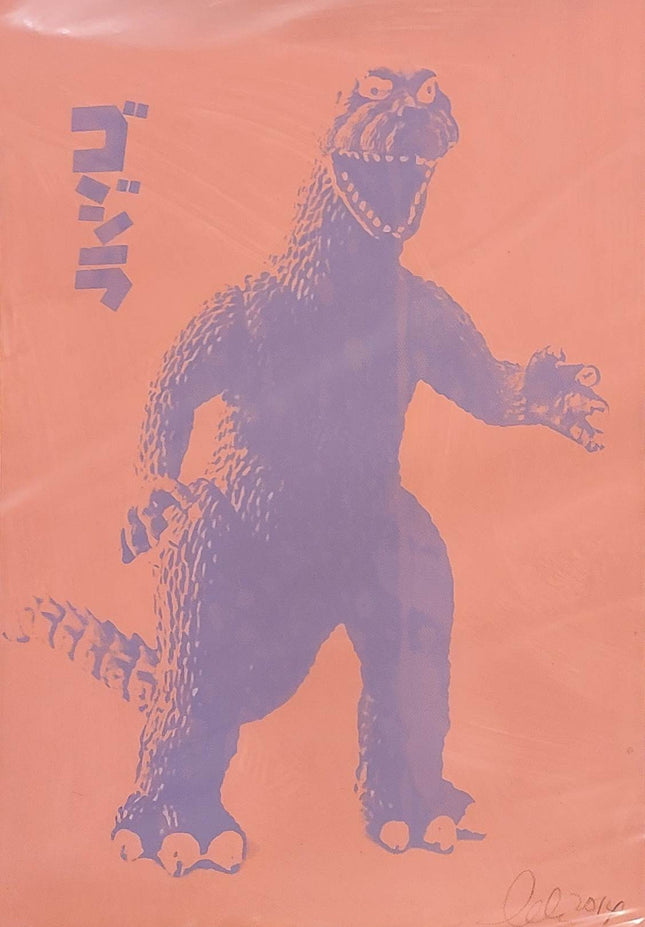
    Not Easy Being Green Limited Edition Giclee Print on Fine Art Paper by Chet Phillips counter-culture street artist art. Godzilla x Kermit

    $103.00

  • Pass Through I HPM Archival Print by Dave Pollot

    Dave Pollot Pass Through I HPM Archival Print by Dave Pollot

    Pass-Through I HPM Archival Print by Dave Pollot Limited Edition Hand Burnt Multiple on Matte Velvet Rag Fine Art Paper Pop Artist Modern Artwork. 2023 Signed & Numbered HPM Hand Embellished Print Limited Edition of TBD Artwork Size 24x13.62 Archival Pigment Fine Art Each Artwork Is Uniquely Hand Burnt By Artist

    $315.00

  • The Hapico Machina AP Archival Print by Yosuke Ueno

    Yosuke Ueno The Hapico Machina AP Archival Print by Yosuke Ueno

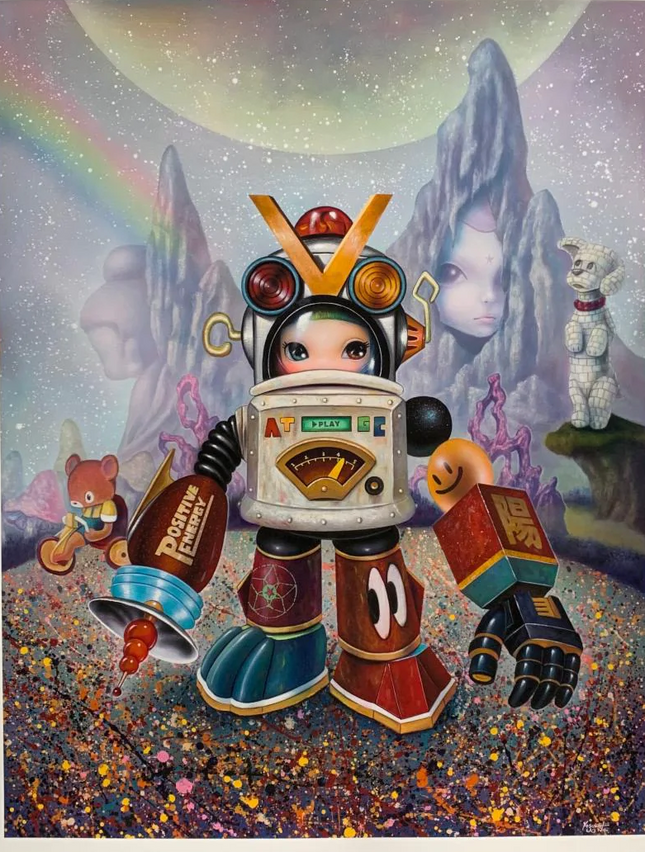
    The Hapico Machina AP Archival Print by Yosuke Ueno Archival Pigment Fine Art Limited Edition Print on 300gsm Signa Smooth Cotton Rag Paper Pop Artist Modern Artwork. AP Artist Proof 2021 Signed & Marked AP Limited Edition of 50 Artwork Size 28x35.5 Large Format Archival Print of A Asian Anime Inspired Girl In Robot Surrounded By Elements of Fantasy and Sci-Fi. The "Hapico Machina" AP Archival Print is an embodiment of the intricate and whimsical work of Yosuke Ueno. Reflecting the unmistakable aesthetic influences of modern pop art, this piece intertwines elements of fantasy, street art, and science fiction. Crafted in 2021, Ueno's masterpiece is an artist proof, a special distinction in the world of fine art, emphasizing its exclusivity. This particular piece is marked 'AP' and has been signed by the artist himself, fortifying its authenticity and rarity with only 50 such editions available. Crafted on a 300gsm Signa Smooth Cotton Rag Paper, the texture and weight of the medium ensure the durability and longevity of the print. The choice of the paper complements the vibrancy of the pigments used, allowing for the rich colors and intricate details of the artwork to stand out. Spanning an impressive 28x35.5 inches, this large format print captivates the viewer with its expansive narrative canvas. Central to the artwork is an Asian Anime-inspired girl encapsulated within a robot, an embodiment of the seamless blend of organic and mechanistic elements. Her expressive eyes provide a window into her soul, juxtaposing the cold, mechanical exterior of her robotic suit. Surrounding her are myriad symbols and elements that evoke a sense of wonder and delve deep into the realms of fantasy. The interspersion of mountains, rainbows, and dreamlike creatures in the backdrop further accentuates the artwork's ethereal quality. Yosuke Ueno's "Hapico Machina" stands as a testament to the evolution of pop art. By fusing traditional street art and graffiti influences with contemporary themes and anime aesthetics, Ueno has carved a niche for himself in the global art scene. His work, especially pieces like this, challenges conventions and invites viewers to immerse themselves in a universe where the boundaries between reality and imagination blur.

    $1,341.00

  • Hush-Hush Archival Print by Giorgiko

    Giorgiko Hush-Hush Archival Print by Giorgiko

    Hush-Hush Archival Print by Giorgiko Limited Edition on Cotton Fine Art Paper Pop Graffiti Street Art Artist Modern Artwork. 2023 Signed & Numbered Print Limited Edition of TBD Artwork Size 30x36 Archival Pigment Fine Art of Boy or Girl Holding a Cookie. Image size is 27" x 33" with 1-1/2" white borders. Printed by Static Medium. Hush-Hush by Giorgiko – Limited Edition Archival Print in Street Pop Art & Graffiti Artwork Hush-Hush is a 2023 archival pigment print by the artist duo Giorgiko, printed by Static Medium on cotton fine art paper. Measuring 30 x 36 inches with an image area of 27 x 33 inches surrounded by 1.5-inch white borders, this piece embodies Giorgiko’s signature blend of innocence, introspection, and symbolic contradiction. In this limited edition release, a gender-neutral character—marked by the classic blank, oval eyes and soft, rounded facial features familiar to Giorgiko’s recurring figures—is shown holding a cookie while wearing a ruffled Renaissance collar and a dark cap, standing against a dreamy, cloud-filled sky. The soft, glowing light paired with high-fidelity textures gives the character an almost mythic presence, while the humorous absurdity of the cookie grounds the image in modern whimsy. Visual Juxtaposition and Emotional Stillness Hush-Hush merges visual contradiction with narrative subtlety. The Renaissance collar and puffy jacket evoke historical formality and ceremonial grandeur, yet the baseball cap and chocolate chip cookie undercut this formality with quiet absurdity. The contrast creates a tension between tradition and playfulness, high art and youth culture. The character’s expression, despite lacking defined features, suggests hesitation or contemplation. Giorgiko’s approach to emotional storytelling relies not on overt gestures but on posture, silhouette, and context. The figure appears paused in motion, mid-thought, suspended between indulgence and restraint. This ambiguity creates an emotional space in which the viewer can insert their own reflection, making the piece as much about internal narrative as it is about aesthetic execution. Technique and Symbolism in Contemporary Street Pop Art Giorgiko’s Hush-Hush is printed using archival pigment on high-quality cotton paper, delivering vivid tonal transitions and painterly textures that highlight the studio’s hybrid technique. While Giorgiko often draws influence from classical oil painting, their compositions are informed by urban and graffiti-inspired aesthetics, using minimalism and cartoon stylization to generate universal emotional resonance. The oversized collar nods to portraiture traditions from Western art history, while the cap and modern streetwear textures tie the figure back to contemporary cultural identity. The cookie, humorous and unthreatening, becomes a symbol of simplicity and self-soothing, a quiet rebellion against the weight of the world. Through this intersection of classical reverence and everyday absurdity, Hush-Hush extends the language of Street Pop Art & Graffiti Artwork to embrace stillness, contradiction, and narrative restraint. Giorgiko’s Unique Voice in Modern Figurative Work As a collaborative project between Darren and Trisha Inouye, Giorgiko continues to create a distinct narrative space where archetypes, emotional silence, and visual poetry intersect. Hush-Hush exemplifies their ability to take a single moment and elevate it into an archetype of modern emotional experience. Rather than relying on overt protest or visual chaos, the duo uses softness, ambiguity, and surreal calm to explore identity, detachment, and the quiet humor embedded in life’s contradictions. In the broader field of Street Pop Art & Graffiti Artwork, Giorgiko’s work stands out for its subtle yet immersive world-building, inviting viewers to pause, reflect, and find connection in the stillness of a cookie held quietly against a pastel storm.

    $565.00

Anime Graffiti Street Pop Artwork

Understanding the Influence of Anime in Street Pop Art and Graffiti Artwork

Anime has had a significant impact on various forms of art, including graffiti art and pop art. Graffiti and pop art are known for their vibrant colors, bold lines, and striking imagery, and anime's distinctive style lends itself well to these artistic movements. In graffiti art, anime characters often create intricate and eye-catching murals on buildings and other public spaces. These murals can range from small tags and stickers to large-scale works of art that cover entire walls. Some graffiti artists incorporate anime characters into their work to express their love for the art form or to make a statement about society and culture. In pop art, anime has influenced many artists who incorporate Japanese culture and style elements into their work. Pop art often involves taking everyday objects and elevating them to the level of high art, and anime characters and imagery are a natural fit for this style. Many pop artists use bright, bold colors and exaggerated forms to create eye-catching works of art that draw inspiration from anime and manga. Anime has had a significant impact on graffiti and pop art, inspiring artists worldwide to incorporate its unique style and imagery into their work. Whether through graffiti murals on city walls or pop art paintings in galleries, anime continues to influence contemporary art significantly. Anime, a style of animation that originated in Japan, has made a significant impact globally, notably in street pop art and graffiti artwork. This cultural phenomenon transcends traditional boundaries of artistic expression, blending intricate storytelling with unique visual styles. The influence of anime in street art and graffiti is evident in various urban landscapes, where artists use its distinct characteristics to create vibrant, thought-provoking pieces that resonate with diverse audiences. Street pop art and graffiti artwork, often seen as forms of rebellion or social commentary, find a kindred spirit in anime. Anime's rich narratives often explore complex themes such as identity, technology, and the human condition, which street artists frequently incorporate into their work. The integration of anime into street pop art and graffiti has given these art forms a new dimension, allowing artists to communicate more profound messages through a blend of visual symbolism and narrative depth.

Anime Visual Style in Street Pop Art and Graffiti Artwork

The visual style of anime is characterized by its vivid colors, exaggerated features, and dynamic compositions. These elements ideally suit the bold and expressive nature of street pop art and graffiti. Artists who draw inspiration from anime tend to incorporate its signature big eyes, vibrant color palettes, and dramatic shading into their murals and pieces. This fusion creates a striking visual impact on the viewers, making the artwork more engaging and accessible, especially to younger audiences already familiar with anime culture. Moreover, the globalization of anime has contributed to its popularity and acceptance in street art. With the internet and digital media rise, anime has reached a wider audience, influencing artists and viewers across different cultures and backgrounds. This global reach has led to the creation of street art and graffiti that celebrates the art form and uses it to bridge cultural divides. Murals depicting famous anime characters or scenes can be found in various cities worldwide, serving as cultural landmarks and points of connection for fans and artists alike. Another aspect of anime's influence on street pop art and graffiti is how it challenges traditional artistic norms. Anime often pushes the boundaries of imagination, creating worlds that defy reality. Street artists, in turn, adopt this approach to challenge conventional perceptions of art and public space. By incorporating fantastical elements and imaginative scenarios inspired by anime, these artists turn ordinary walls and urban spaces into canvases for storytelling and creative expression.
Furthermore, the thematic diversity of anime allows street artists to explore a wide range of subjects. From action-packed adventures and romantic tales to deep psychological dramas, anime covers a spectrum of genres. This versatility is reflected in various street art and graffiti inspired by anime, where each piece can convey different moods and stories. Whether it's a mural that captures the high-energy action of shonen anime or a subtle piece reflecting the emotional depth of a slice-of-life series, the influence of anime enables street artists to cater to a broad audience with varying tastes and interests. The impact of anime on street pop art and graffiti artwork is a testament to its cultural significance and artistic value. Anime has not only influenced the aesthetic and thematic aspects of these art forms but has also played a role in their evolution and global reach. By infusing street art and graffiti with its unique visual style and narrative depth, anime has helped these art forms connect with a broader audience, offering new perspectives and experiences. As anime continues to grow in popularity, its influence on street art and graffiti will likely expand, further enriching these vibrant and dynamic artistic communities.
Footer image

© 2026 Sprayed Paint Art Collection,

    • Amazon
    • American Express
    • Apple Pay
    • Bancontact
    • Diners Club
    • Discover
    • Google Pay
    • iDEAL
    • Mastercard
    • PayPal
    • Shop Pay
    • Visa

    Login

    Forgot your password?

    Don't have an account yet?
    Create account