

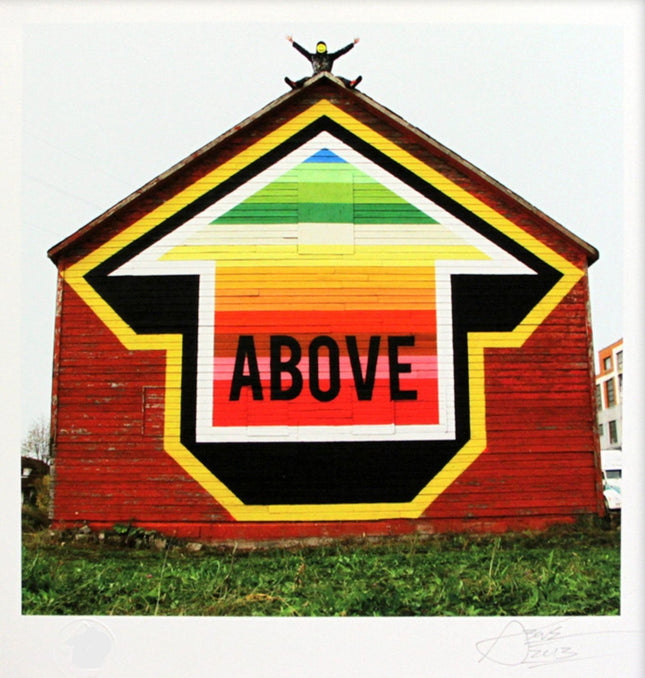

Archival Pigment Prints: Revolutionizing Fine Art Preservation in Street Pop and Graffiti Art
Archival pigment printmaking has emerged as a prominent method in producing fine art prints, particularly in pop art, street art, and graffiti artwork. This process is revered for its high quality, durability, and color accuracy, making it an ideal choice for artists and collectors who seek to preserve the vibrancy and detail of original artworks in the context of street pop art and graffiti, where the art is often transient or exposed to harsh outdoor elements, archival pigment printing offers a means to immortalize these ephemeral works. Archival pigment print technology has become a cornerstone in preserving and disseminating pop art, street art, and graffiti artwork. These prints are known for their superior quality and longevity, essential for maintaining the fidelity of artwork over time. By utilizing high-end inkjet printers with archival quality inks on acid-free papers, archival pigment prints offer artists and collectors the opportunity to hold onto a piece of history with the assurance that it will resist fading and degradation for generations. The technical process of creating an archival pigment print involves spraying microscopic droplets of pigment-based ink onto high-quality paper or canvas. This method allows for an impressive range of color and detail, capturing the nuances of the original artwork with remarkable precision. The archival inks used are designed to be stable over time, resisting the environmental factors that typically degrade prints, such as light exposure and humidity. As a result, these prints can retain their color and detail for up to and beyond 100 years under proper conditions.
Understanding the Archival Pigment Print Process
The process of creating an archival pigment print begins with the selection of high-quality, acid-free paper or canvas. This choice is crucial as it ensures the longevity of the print. The archival quality of the paper or canvas prevents yellowing and degradation over time, preserving the integrity of the artwork. The artwork is digitized once the substrate is selected, typically through high-resolution scanning or photography. This digitization captures every detail of the original work, including texture, color gradients, and fine lines. The archival pigment print process's core uses pigment-based inks. Unlike dye-based inks, pigment inks consist of tiny, encapsulated particles that sit on top of the paper rather than being absorbed into it. This quality contributes to the superior color vibrancy and sharpness of the prints. Moreover, pigment inks are known for their excellent lightfastness and water resistance, which means the prints are less likely to fade or be damaged over time than those made with dye-based inks. Technological advancements in inkjet printers have been integral to developing archival pigment printmaking. Modern inkjet printers used in this process can produce a wide color gamut, allowing for the accurate reproduction of the complex and often vibrant colors typical in street pop art and graffiti. These printers spray microscopic droplets of ink onto the paper or canvas, allowing for precision and consistency in print quality. The high detail achievable with archival pigment printing is particularly beneficial for street pop art and graffiti artists. This detail ensures that even the subtlest nuances of spray paint, brushstrokes, or marker lines are captured and faithfully reproduced. For artists who work with mixed media or have a detailed style, this method of printmaking can replicate the textures and layers of their original artwork with remarkable fidelity.
Importance to Street Pop Art and Graffiti
For street pop art and graffiti, which are inherently temporary and subject to the unpredictable elements of the urban environment, archival pigment prints serve as a bridge between fleeting street art and enduring art collectibles. The ability to reproduce artwork that may otherwise be lost to time is invaluable for the artists who wish to preserve their work and the enthusiasts who seek to collect and protect these cultural artifacts. The translation of street art into archival pigment prints allows for a seamless transition from wall to gallery, ensuring the longevity and accessibility of the art form. Within the art collecting world, archival pigment prints hold a special place due to their high quality and durability. Collectors who invest in these prints can do so with confidence, knowing that they are acquiring a piece that represents the intersection of technological advancement and artistic expression. These prints are often indistinguishable from traditional photographs or lithographs, providing a modern alternative that upholds the aesthetic qualities of the original work. Archival pigment prints have played a significant role in democratizing art. They enable more comprehensive access to works that might otherwise be unattainable due to their original size, location, or the artist's fame. By offering a high-quality reproduction, artists can share their work with a broader audience, extending the reach of street pop art and graffiti beyond the streets and into homes and institutions. Archival pigment prints embody the convergence of art and technology, serving as a testament to the evolving nature of art preservation and sharing. As the interest in street pop art and graffiti artwork continues to grow, so does the value of archival pigment printing in ensuring that the vibrancy and spirit of these art forms are maintained for future enjoyment and study. Through this medium, the dynamic visuals of the street are granted a life beyond the brief, celebrated, and preserved in the annals of art history.
Archival Pigment Prints in Art Preservation and Collecting
From an art preservation standpoint, archival pigment prints offer a sustainable way to conserve and share street art and graffiti. Given the often-illegal nature of graffiti and the fleeting existence of many street art pieces, these prints provide a legal and permanent artwork form. They allow artists to document and sell their work without risking it being painted over or deteriorated. In art collecting, archival pigment prints have gained popularity due to their museum-quality reproduction and longevity. Collectors appreciate these prints for their ability to retain the look and feel of the original artwork for decades. This longevity is particularly appealing in the context of street pop art and graffiti, recognized for their vibrant colors and bold imagery – characteristics well-preserved in archival pigment prints. The future of archival pigment printmaking in the context of street pop art and graffiti looks promising. As technology advances, there is potential for even greater accuracy in color reproduction and detail. Environmental concerns lead to innovations in eco-friendly inks and sustainable printing practices, aligning with the socially conscious themes often present in street art and graffiti. Archival pigment printmaking has become a vital tool in documenting, preserving, and disseminating street pop art and graffiti artwork. Its ability to produce high-quality, durable, and accurate reproductions has made it a favored choice among artists and collectors. As the street art and graffiti movements continue to evolve, archival pigment prints will undoubtedly play a significant role in ensuring that these vibrant and expressive art forms are recovered to time.