Bicycle & Bike

2 artworks

  • Bike Reward Poster! Silkscreen Print by Jacob Borshard

    Jacob Borshard Bike Reward Poster! Silkscreen Print by Jacob Borshard

    Bike Reward Poster! Limited Edition 5-Color Hand-Pulled Silkscreen Print on Fine Art Paper by Jacob Borshard Graffiti Street Artist Modern Pop Art. 2011 Limited Edition of 50 Artwork Size 18x24 Pee-wee Herman, Pee-Wee's Playhouse, TV, Movie, Bike, Bicycle, Stolen. Not Signed or Numbered. Reads: $10000 REWARD FOR INFORMATION LEADING TO THE RECOVERY OF STOLEN BIKE CALL Pee Wee HERMAN 354-8567 Bike Reward Poster! Silkscreen Print by Jacob Borshard The Bike Reward Poster! silkscreen print by Jacob Borshard is a striking example of street pop art and graffiti artwork that merges nostalgia, humor, and cultural iconography. This 2011 hand-pulled, five-color silkscreen print is a tribute to one of the most famous fictional missing bicycles of all time—Pee-wee Herman’s stolen bike from the 1985 cult classic film Pee-wee’s Big Adventure. The piece blends the aesthetics of vintage reward posters with bold, graphic design elements that make it a standout in the modern pop art movement. The Pop Culture Influence of Pee-wee Herman Pee-wee Herman, the eccentric and lovable character created by the late Paul Reubens, has remained an enduring figure in pop culture. His signature red bicycle, prominently featured in Pee-wee’s Big Adventure, became an unforgettable symbol of childhood wonder, adventure, and obsession. This print by Jacob Borshard encapsulates that legacy with a reimagined, larger-than-life version of the fictional missing bike poster seen in the film. The text, rendered in bold red and black, mimics the dramatic urgency of real missing item posters while playfully referencing the absurdity of offering a massive reward for a simple bicycle. Street Pop Art & Graffiti Artwork Elements This print exemplifies the fusion of street pop art and graffiti artwork, utilizing bold typography, minimal color palettes, and an instantly recognizable subject. The five-color hand-pulled silkscreen technique gives the piece a tactile, layered effect, enhancing its retro feel. The halftone shading on the bike and background replicates the look of old newspaper prints, reinforcing the vintage aesthetic. This design approach is a common feature in modern street pop art, where traditional printmaking methods intersect with contemporary cultural commentary. Jacob Borshard’s work often plays with nostalgia and humor, making it an ideal fit for collectors who appreciate artwork that bridges classic Americana with a rebellious, urban edge. The inclusion of Pee-wee Herman’s fictional phone number further blurs the line between reality and pop culture fiction, drawing in audiences who cherish cult classics and the visual storytelling of screen-printed art. Limited Edition and Collectibility This print was produced in a limited edition of 50, making it a highly sought-after piece among collectors of street pop art and graffiti artwork. Though not signed or numbered, its rarity and unique cultural significance make it a desirable acquisition. Measuring 18x24 inches, it is a perfect size for display, allowing fans of Pee-wee Herman and contemporary printmaking to showcase a piece that is both visually captivating and culturally rich. Jacob Borshard’s Bike Reward Poster! silkscreen print is a celebration of the intersection of pop culture, street art, and classic print techniques. By transforming a moment from a beloved film into a collectible artwork, Borshard continues the tradition of blending humor, nostalgia, and graphic design into a striking visual statement.

    $200.00

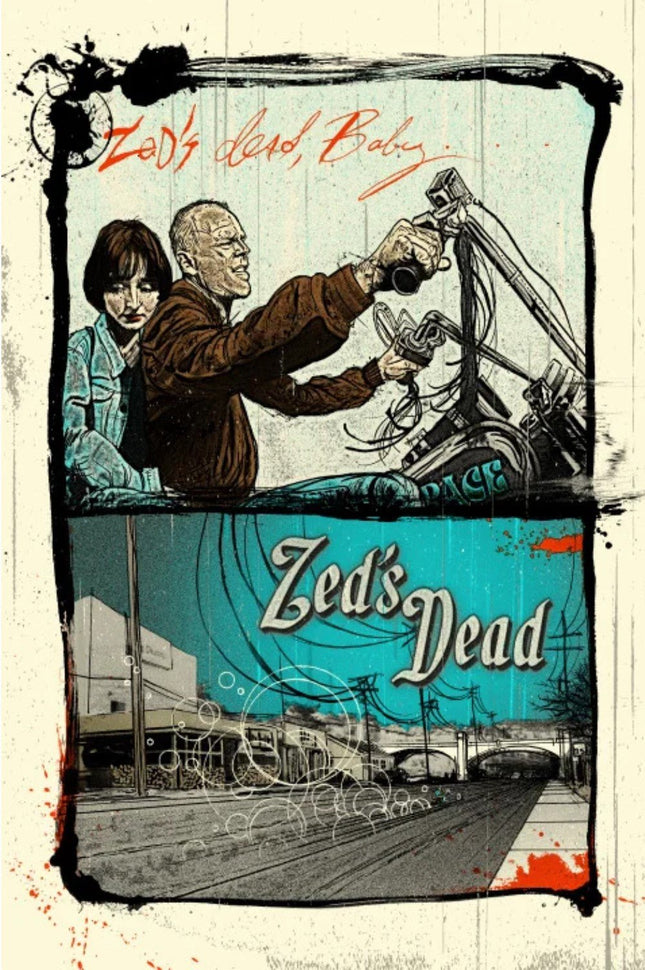
  • Zed's Dead Silkscreen Print by Jon Smith

    Jon Smith Zed's Dead Silkscreen Print by Jon Smith

    Zed's Dead Limited Edition 6-Color Hand-Pulled Silkscreen Print on Fine Art Paper by Jon Smith Graffiti Street Artist Modern Pop Art. Pulp Fiction inspired piece from Spoke Art's Quentin vs. Coen group art show. 12"x18" six-color screen print. signed and numbered edition of 80.

    $201.00

Bicycle & Bike
The bicycle, an icon of mobility and freedom, has found its way into various art forms, including pop art, street art, and graffiti art. This omnipresent mode of transportation, with its simple yet intricate design, has been an irresistible subject for artists, embodying a multitude of cultural and social narratives across the globe. The bicycle's allure, it seems, lies in its ubiquity and its inherent capacity to resonate with a broad audience, transcending boundaries of language, age, and geography. In the realm of pop art, the bicycle has been employed as a symbol of modern life, reflecting the everyday experiences of ordinary people. Artists like Robert Rauschenberg and Roy Lichtenstein have used bicycle motifs in their works, capturing the essence of popular culture and consumerism. Rauschenberg's "Bicycle," for instance, recontextualizes the ordinary, transforming it into a work of art, while Lichtenstein's comic-strip style paintings often feature bicycles, highlighting their role in contemporary life. These pieces, among others, demonstrate the bicycle's ability to transform from a mundane object to a powerful symbol of everyday life in pop art. Meanwhile, in the realm of street art and graffiti, the bicycle has been used as a tool for political expression and commentary on urban life. The international street art icon Banksy, for instance, has often incorporated bicycles in his pieces. One of his most famous works, "Girl with a Pierced Eardrum," features a bicycle wheel as the "piercing," demonstrating the bicycle's versatility as a symbol in street art. Furthermore, in cities worldwide, bicycles are often the subject of murals and graffiti, symbolizing various themes from environmental consciousness to social mobility. In addition to being featured in artworks, bicycles have also been used as tools in the creation of street art. For instance, some artists have adapted bicycles to act as 'mobile spray cans,' allowing them to create large-scale murals and designs on city streets. This innovative approach not only embodies the spirit of street art's improvisational and often subversive nature but also highlights the bicycle's role as a medium of artistic expression. Moreover, bike-themed art festivals and exhibitions have gained prominence, reinforcing the relationship between bicycles and art. Events such as the "Art of the Bicycle" show at the Museum of Science and Industry in Chicago and the "Bike Art Adelaide" festival in Australia showcase how bicycles have influenced art and culture. In conclusion, the bicycle's impact on pop art, street art, and graffiti art is profound. It's not just an object or a mode of transport; it's a symbol of freedom, an instrument of expression, and a catalyst for innovation. The bicycle's journey from the streets into the canvas and walls of the art world testifies to its enduring cultural significance and versatility.
Footer image

© 2025 Sprayed Paint Art Collection,

    • Amazon
    • American Express
    • Apple Pay
    • Bancontact
    • Diners Club
    • Discover
    • Google Pay
    • iDEAL
    • Mastercard
    • PayPal
    • Shop Pay
    • Visa

    Login

    Forgot your password?

    Don't have an account yet?
    Create account