Blade Runner

2 artworks

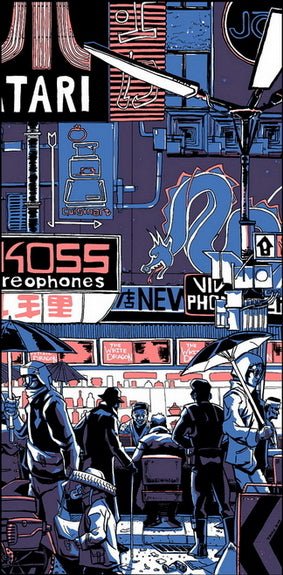
  • The White Dragon Silkscreen Print by Tim Doyle

    Tim Doyle The White Dragon Silkscreen Print by Tim Doyle

    The White Dragon Limited Edition 4-Color Hand-Pulled Silkscreen Print on Heavy Paper by Tim Doyle Graffiti Street Artist Modern Pop Art. 2013 Signed & Numbered Limited Edition of 300 Series VI Artwork Size 12x24. Silver Metallic Ink Rain. This print is a collaboration by Tim Doyle and Nick Derington. It is marked by hand with a VII and features white margins. Based on the movie Blade Runner. The White Dragon Silkscreen Print by Tim Doyle Tim Doyle’s The White Dragon is a visually stunning example of street pop art and graffiti artwork, blending cyberpunk influences with a meticulously detailed urban landscape. Created in 2013 as a four-color hand-pulled silkscreen print on heavy paper, this piece is part of a limited edition of 300. Marked by hand with a VII and featuring white margins, it incorporates silver metallic ink to create a shimmering rain effect that enhances the nocturnal cityscape. Produced in collaboration with artist Nick Derington, this work captures the electric atmosphere of a futuristic metropolis, drawing direct inspiration from the film Blade Runner. The Influence of Blade Runner on Urban Aesthetics This artwork immerses viewers in a dystopian city filled with neon signage, dark alleyways, and a layered mix of old-world commerce and futuristic technology. Inspired by the cinematic aesthetic of Blade Runner, Doyle’s composition reflects the film’s influential visual elements, including a fusion of Asian street markets, high-rise advertisements, and a constantly wet, illuminated landscape. The presence of the neon blue dragon, floating street signs, and figures huddled beneath umbrellas reinforces the cyberpunk mood. These elements establish a stark contrast between the glowing artificial lights and the dark silhouettes of the figures navigating the rain-soaked streets. The depth of the composition creates a multi-layered experience, guiding the viewer’s eye from the foreground figures to the towering structures in the background. The inclusion of recognizable brand logos, such as Atari and Koss, adds a layer of nostalgia while also emphasizing the consumer-driven nature of this futuristic world. This combination of commercial imagery and gritty urban realism is a signature aspect of street pop art and graffiti artwork, reflecting a broader commentary on technological evolution and cultural fusion. Tim Doyle’s Approach to Modern Pop Art Tim Doyle is known for his ability to translate cinematic atmospheres into screen-printed artwork that retains the raw energy of street pop art. His background in illustration and printmaking enables him to create pieces that feel both graphic and atmospheric. In The White Dragon, his use of silver metallic ink gives the rain an almost animated quality, making the urban setting feel alive. The careful balance of blue, red, and dark tones enhances the stark contrast between artificial and natural elements, reinforcing the tension between technology and human existence in an ever-evolving world. The hand-pulled silkscreen process gives this print a tangible, tactile quality that digital art cannot replicate. The layering of ink creates a sense of depth, with each stroke adding to the intricate details that define the composition. The white margins frame the artwork, making it feel like a preserved moment in time—capturing a city that never sleeps, constantly evolving yet trapped in a timeless aesthetic. The Legacy of The White Dragon in Graffiti and Street Pop Art As part of Doyle’s ongoing exploration of film-inspired urban landscapes, The White Dragon serves as a testament to the lasting impact of cyberpunk on modern art. This limited edition print, with its meticulous craftsmanship and immersive storytelling, bridges the gap between cinematic nostalgia and contemporary visual culture. The combination of hand-pulled silkscreen techniques, bold graphic lines, and neon-infused color palettes aligns with the aesthetics of street pop art and graffiti artwork, making it a standout piece in Doyle’s body of work. Through this print, Doyle and Derington successfully transport viewers into a world that feels both familiar and futuristic, where rain never stops falling, and neon lights never dim. The White Dragon is more than just a depiction of a dystopian city; it is a celebration of the visual language that has defined generations of urban dreamers, storytellers, and artists.

    $291.00

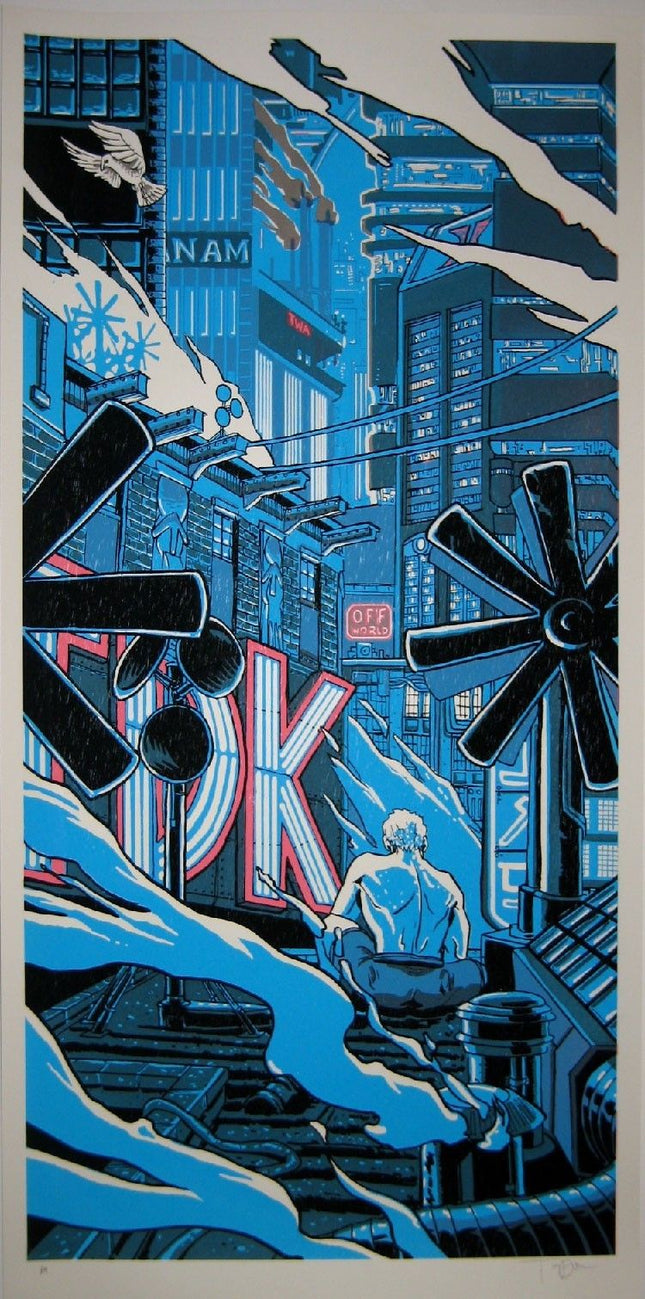
  • Tears in the Rain Silkscreen Print by Tim Doyle

    Tim Doyle Tears in the Rain Silkscreen Print by Tim Doyle

    Tears in the Rain Limited Edition 8-Color Hand-Pulled Silkscreen Print on Heavy Paper by Tim Doyle Graffiti Street Artist Modern Pop Art. Features white margins. Based on the movie Blade Runner. 3rd Edition.

    $229.00

Blade Runner
Pop art emerged in the 1950s and 1960s as a reaction against the dominant art movements of the time, such as abstract expressionism. Pop art celebrated the ordinary, the mass-produced, and the popular, often incorporating images from consumer culture and mass media. Blade Runner's imagery and themes are perfectly suited to the pop art aesthetic, with its depiction of a dystopian future dominated by commercialism and consumerism. One of the most iconic images from Blade Runner is the giant Coca-Cola advertisement that looms over the cityscape. This image has been referenced and parodied in countless pieces of pop art, including works by artists such as Keith Haring, Banksy, and Shepard Fairey. These artists use the image of the Coca-Cola sign to comment on the pervasive influence of advertising and the commodification of our daily lives. Another aspect of Blade Runner that has influenced pop art is its use of neon lighting and other futuristic design elements. The film's visual style has been referenced in numerous works of pop art, from Andy Warhol's Electric Chair series to the album art of electronic music pioneers such as Kraftwerk and Daft Punk. The film's use of bold, bright colors and sleek, futuristic design has become a staple of the pop art aesthetic. Street art emerged in the late 20th century as a form of artistic expression that was often created illegally, using public spaces such as walls, sidewalks, and buildings as canvases. Street art has been heavily influenced by popular culture, and Blade Runner's imagery and themes have had a significant impact on the genre. One of the most striking elements of Blade Runner is its depiction of a decaying, dystopian cityscape. This vision of a bleak, urban environment has been referenced in numerous works of street art, from the graffiti murals of Banksy to the wheatpaste posters of Shepard Fairey. These artists use the imagery of Blade Runner to comment on the social and political issues facing contemporary cities, such as gentrification, homelessness, and environmental degradation. Another aspect of Blade Runner that has influenced street art is its portrayal of replicants, humanoid robots who are indistinguishable from humans. The film's exploration of the boundaries between human and machine has been a recurring theme in street art, with artists such as D*Face and Invader creating works that blur the lines between organic and synthetic forms. These artists use the imagery of Blade Runner to explore the ways in which technology is changing our understanding of what it means to be human.
Footer image

© 2025 Sprayed Paint Art Collection,

    • Amazon
    • American Express
    • Apple Pay
    • Bancontact
    • Diners Club
    • Discover
    • Google Pay
    • iDEAL
    • Mastercard
    • PayPal
    • Shop Pay
    • Visa

    Login

    Forgot your password?

    Don't have an account yet?
    Create account