
Boneface and the Violent Pulse of Street Pop Art & Graffiti Artwork
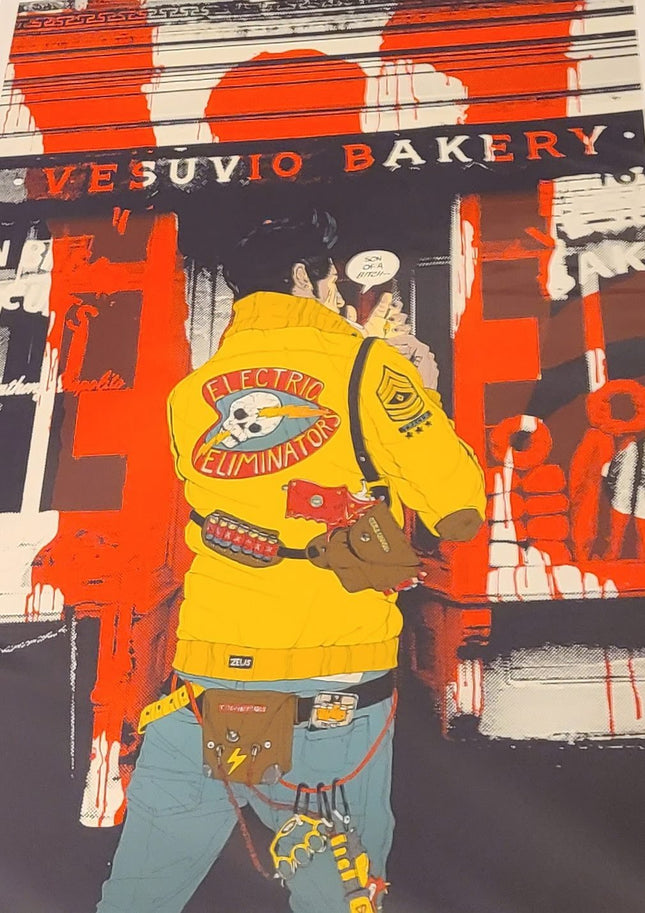
Boneface is a British artist whose instantly recognizable style fuses punk attitude with pop culture chaos, bringing a gritty vitality to the world of Street Pop Art & Graffiti Artwork. Born in Liverpool and trained in illustration, Boneface quickly gained attention for his highly stylized, distorted depictions of figures that seem to emerge from a bruised and glitching alternate reality. His use of fractured anatomy, neon palettes, and kinetic linework communicates both psychological tension and cultural saturation. His characters—often with bandaged faces, exposed bones, and malfunctioning electronics—are not merely grotesque but expressive embodiments of a society overwhelmed by media, violence, and identity collapse.
Comic Brutalism Meets Urban Expression
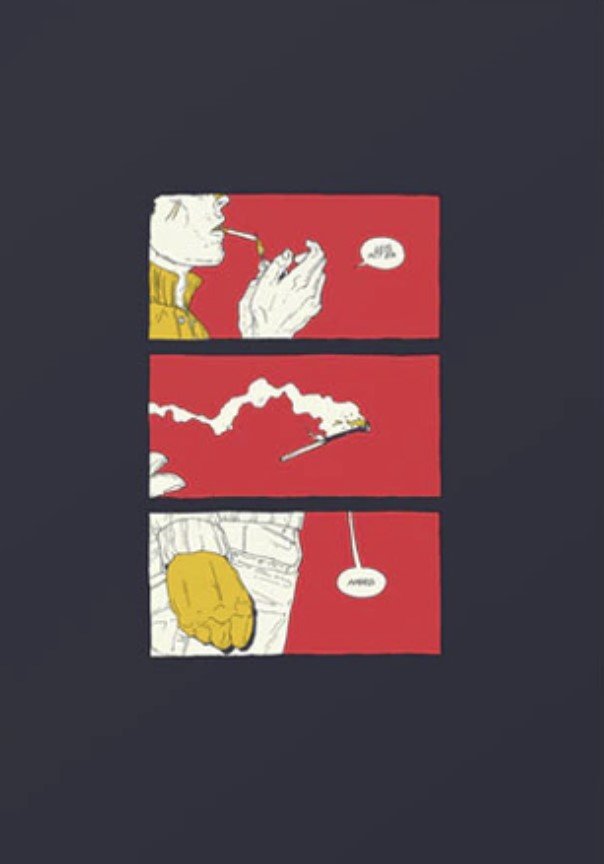
Boneface’s visual language borrows elements from vintage comic books, VHS aesthetics, and punk album covers, repurposing them through a digital-age filter that amplifies both nostalgia and critique. In the context of street art and pop culture, his figures function as icons of resistance, rebellion, and overload. They are avatars for a generation raised on hyper-consumption and desensitized to graphic content. His designs feel like they were torn from the pages of underground zines, then electrified for the modern world. These qualities have made his work resonate with fans of Street Pop Art & Graffiti Artwork, where bold symbolism and raw energy are central to impact and recognition.
Collaborations and Media Crossovers
Boneface’s work is not confined to canvas or gallery walls. He is known for his collaborations with bands like Queens of the Stone Age, most notably contributing artwork to their album …Like Clockwork. These partnerships blend the visual and sonic components of subcultural identity, reinforcing the connection between music and visual art that underpins much of the street art tradition. His art has also appeared in prints, murals, apparel, and media campaigns, expanding its accessibility while maintaining an underground edge. The punk ethos that informs his aesthetic is not diluted in these formats; instead, it is translated, allowing his distinct voice to be heard across diverse platforms in a way that mirrors the global graffiti network’s use of shared iconography and decentralized presence.
Symbolism, Impact, and Cultural Commentary
At its core, Boneface’s work channels themes of decay, dehumanization, and artificiality, wrapped in the bright hues and visual syntax of pop media. His stylized violence is never gratuitous but expressive, evoking inner turmoil, digital fatigue, and cultural fragmentation. These motifs align closely with the ethos of Street Pop Art & Graffiti Artwork, which often uses bold visuals to comment on social disconnection and political disillusionment. Whether painted on a wall, screenprinted on paper, or posted as a digital signal, Boneface’s characters serve as mirrors to contemporary anxieties—deformed yet familiar, broken but charged with a strange kind of life. His work exemplifies how graphic distortion and narrative subversion can push pop imagery into darker, more reflective terrain, resonating with a generation that finds truth in chaos.