


Burberry Through the Lens of Street Pop Art & Graffiti Artwork
Burberry, originally founded by Thomas Burberry in England in 1856, is a globally recognized fashion label known for its iconic trench coats, equestrian knight emblem, and the signature beige plaid pattern. Over time, its visual language has moved beyond fashion into popular culture. Artists working in Street Pop Art & Graffiti Artwork have increasingly used Burberry’s branding to comment on consumer identity, status symbols, and the contrast between luxury and urban expression. The pattern that once symbolized elite British tailoring now circulates in artworks that question who gets to wear status and how symbols of wealth are interpreted in public space.
From Runway to the Wall: Burberry in Street-Level Expression
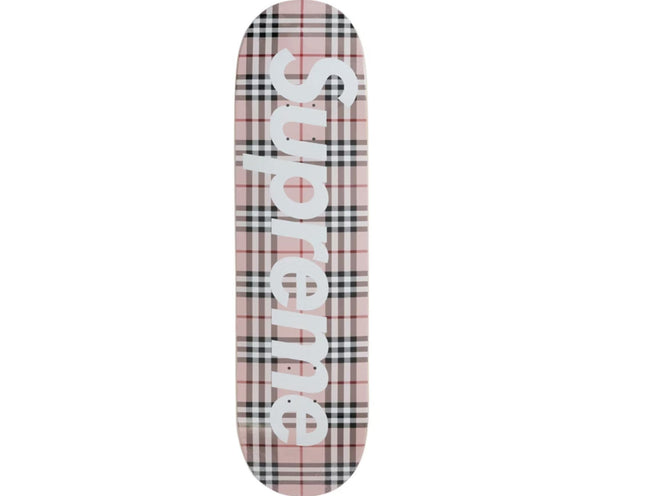
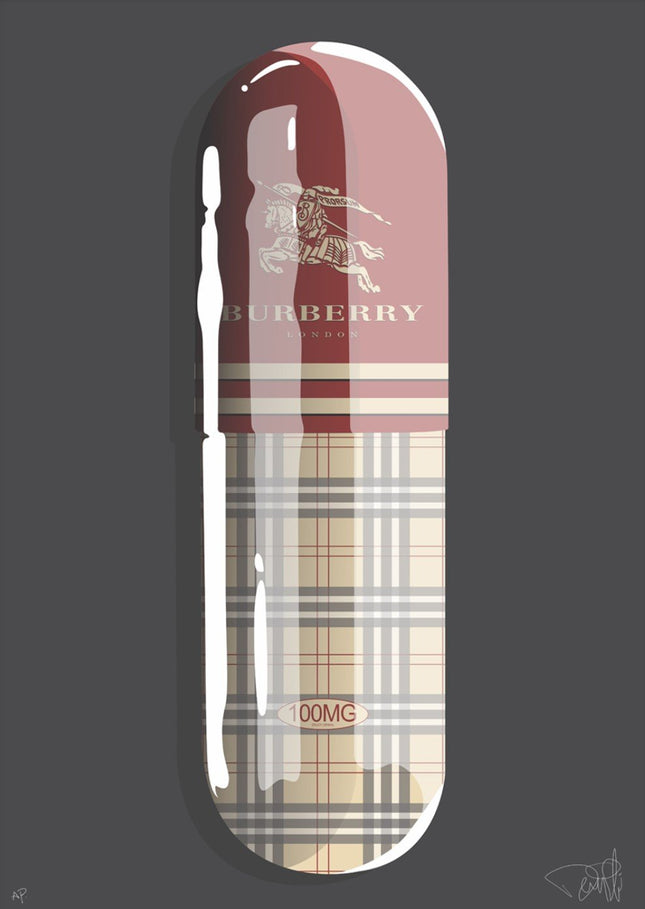
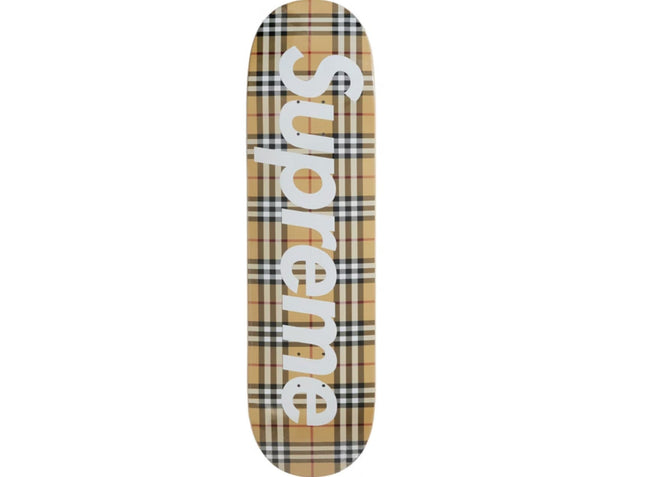
In Street Pop Art & Graffiti Artwork, Burberry is frequently utilized as a motif of satire, irony, or confrontation. Whether integrated into wheatpaste posters, spray-painted murals, or subversive mixed media compositions, the brand’s iconic plaid often appears distorted or exaggerated. This reworking serves as a visual tool to examine how brands permeate urban environments, often without consent, and how artists reclaim those visuals. The logo becomes more than a corporate asset; it becomes a commentary on class, capitalism, and commodified identity. As street artists inject Burberry into city walls and fine art canvases alike, the emblem is stripped of its pristine commercial packaging and transformed into a statement that blurs the line between high and low.
Daniel Bombardier’s Blotter Works and Brand Satire
One of the artists who has incorporated Burberry in this space is Daniel Bombardier, known professionally as Denial. His limited edition blotter paper artwork reconfigures the Burberry logo into a parody format labeled Burrrrberrrrry, emphasizing its status as both revered and mocked in public discourse. By using blotter paper—a medium linked to counterculture and psychedelic art—Denial draws a stark contrast between the buttoned-up aesthetic of Burberry and the chaotic, expressive nature of subversive street culture. His approach aligns with a long tradition in Street Pop Art & Graffiti Artwork of appropriating high fashion symbols to disrupt traditional power narratives and expose the absurdities of branding worship.
Luxury as a Canvas for Cultural Disruption
Burberry’s presence in Street Pop Art & Graffiti Artwork reveals the evolving nature of fashion as cultural iconography. What was once confined to boutiques and runways now exists in dialogue with walls, prints, and protests. Artists who incorporate Burberry are not merely referencing a brand—they are unpacking everything that comes with it: prestige, history, marketing, and exclusivity. Through satire, repetition, or deconstruction, they amplify its cultural weight while questioning its place in society. This friction between luxury and rebellion fuels the power of Street Pop Art & Graffiti Artwork to turn everyday logos into platforms for meaningful critique and creative transformation.