



Canada in Street Pop Art & Graffiti Artwork
Canada holds a distinct place in the global narrative of Street Pop Art & Graffiti Artwork, shaped by its multicultural urban centers, progressive public art policies, and deep-rooted connections to both indigenous visual traditions and modern subcultures. Cities like Toronto, Montreal, Vancouver, and Ottawa have fostered vibrant scenes where graffiti and street art have evolved not only as modes of expression but as dialogues with the city itself. The nation’s expansive landscapes and diverse population have inspired artists to create work that spans the poetic, the political, and the experimental. Canada’s graffiti scene emerged in the early 1980s with influence from New York’s subway culture, yet it quickly developed its own visual voice, marked by a fusion of calligraphy, abstract form, and narrative symbolism. Legal walls, sanctioned murals, and underground bombing coexist in Canadian cities, shaping an art culture that is both rule-aware and freedom-driven.
Montreal, Toronto, and the Rise of Canadian Wildstyle
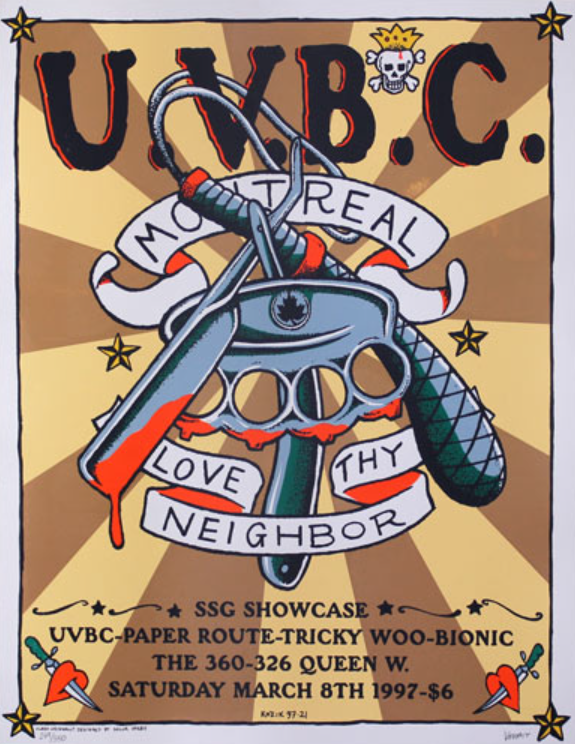
Montreal and Toronto are central to the development of graffiti and pop-styled street art in Canada. Artists in Montreal embraced wildstyle lettering early on, adapting it with French influences and local political commentary. The city’s complex linguistic and cultural history influenced artists to layer language and symbology into pieces that feel both coded and narrative. Toronto, meanwhile, became known for its mural corridors and prolific tagging culture. Writers like Elicser, Skam, and Bacon brought a refined aesthetic to the streets, combining American graffiti structure with painterly texture and urban storytelling. These cities helped define the Canadian variant of graffiti—rooted in style but often softened by character work and public collaboration. Across both cities, the art functions as a language of territorial identity and community imprint, where street surfaces become galleries and voices are laid in linework.
Indigenous Expression and Urban Muralism
One of Canada’s most powerful contributions to Street Pop Art & Graffiti Artwork is the incorporation of indigenous perspectives and aesthetics into contemporary street production. Indigenous artists have reclaimed space with murals that honor ancestry, resistance, and ceremony, often blending graffiti techniques with motifs from traditional design systems. This synthesis is seen in large-scale walls that use bold color, geometric form, and storytelling iconography. The streets become places of cultural affirmation, layered with both protest and pride. These murals not only celebrate indigenous heritage but also engage in an ongoing conversation about land, erasure, and survival. This integration deepens the country’s graffiti scene, giving it a narrative weight that transcends aesthetics.
Contemporary Movement and Global Respect
Canada’s contribution to the global graffiti and street pop art ecosystem continues to grow through festivals, gallery crossover, and international collaborations. Events like MURAL Festival in Montreal and Vancouver Mural Festival elevate local and international artists onto massive walls while inviting communities into the artmaking process. Artists from Canada are also increasingly recognized abroad, contributing to exhibitions, publications, and urban interventions across continents. While Canada may not always be the loudest player on the graffiti world stage, its output is consistently layered, thoughtful, and culturally complex. Street Pop Art & Graffiti Artwork in Canada operates within a system that values voice, visibility, and experimentation—built on the ethos of the streets but shaped by a wider awareness of space, identity, and dialogue.