



Dr Revolt: The Vanguard of New York Graffiti Art
Dr Revolt, a name that commands respect in the street art community, is one of the pivotal figures in the New York graffiti scene. His work, which began to appear on the subway trains and city walls of New York in the 1970s, has significantly influenced the evolution of street pop art and graffiti artwork. Known for his distinctive lettering style, Dr Revolt has been instrumental in elevating graffiti from subcultural expression to mainstream recognition. With a career spanning several decades, Dr Revolt, whose real name is not widely publicized as per the traditions of the graffiti world, has seen the ebb and flow of the street art movement. His contributions have not only colored the urban landscape but have also made their way into galleries, thus bridging the gap between street credibility and OK art validation. Dr Revolt's influence extends beyond his work; he has inspired generations of artists who see the potential for graffiti as a powerful form of artistic and personal expression in his murals.
The Signature Style of Dr Revolt
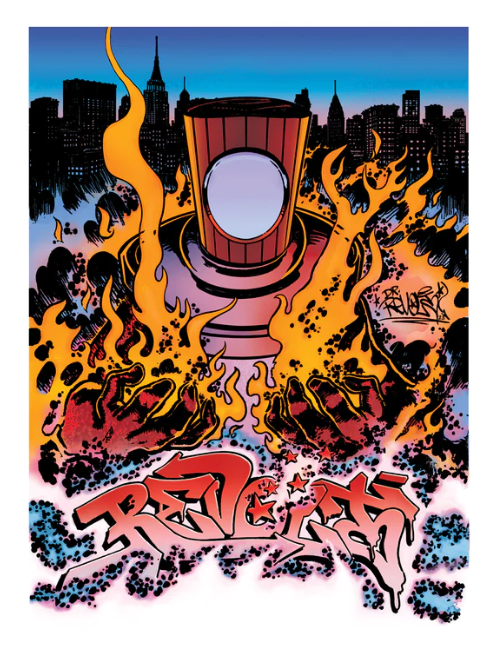
The artistic signature of Dr Revolt is characterized by a dynamic use of color, bold letterforms, and a playful yet aggressive aesthetic that captures the viewer's attention. His tags and throw-ups are more than just marks of territory; they are works of art that embody the pulse of New York's vibrant street culture. Dr Revolt's style is reminiscent of the golden era of graffiti, yet it remains fresh and relevant, adapting to the changing landscapes of the city and the art world. Dr Revolt's contributions to the genre have been pivotal in defining the visual language of graffiti. His works often incorporate pop culture, political commentary, and social observation elements, making them resonate on multiple levels with a diverse audience. Through his art, Dr Revolt communicates his perspective and the collective experiences and challenges of urban life.
Dr Revolt's Enduring Legacy in Urban Art
Dr Revolt's legacy in the world of urban art is enduring. As one of the early pioneers of New York graffiti, his work has helped pave the way for street art to be recognized as a legitimate and vital art form. His murals and pieces have been featured in books, films, and exhibitions worldwide, testifying to his art's widespread influence. The continued relevance of Dr Revolt in pop culture is a testament to his skill as an artist and his understanding of the medium of graffiti. His work remains a touchstone for aspiring and established artists alike, symbolizing the potential for graffiti to transcend its origins and become an integral part of the cultural conversation. As street pop art and graffiti artwork continue to evolve, the contributions of Dr. Revolt will be regarded as a cornerstone of the movement, reminding us of the power of art to transform spaces, create dialogue, and inspire change.
Dr Revolt – Wildstyle Pioneer and Psychedelic Voice in Street Pop Art & Graffiti Artwork
Dr Revolt is a foundational figure in the evolution of graffiti culture, emerging from the heart of New York City’s early street movement in the late 1970s and continuing to influence the aesthetics of modern Street Pop Art & Graffiti Artwork to this day. Known for his wildstyle lettering, bold use of color, and fusion of cartoon influences with street rebellion, Dr Revolt played a key role in shaping both the look and the philosophy of graffiti’s golden era. As a founding member of the legendary Rolling Thunder Writers crew, he was among the earliest artists to hit subway cars and walls with work that carried both technical innovation and cultural resistance. His pieces were not only expressive but highly stylized, filled with electric energy and unmistakable attitude.
Letterform Mastery and Visual Firepower
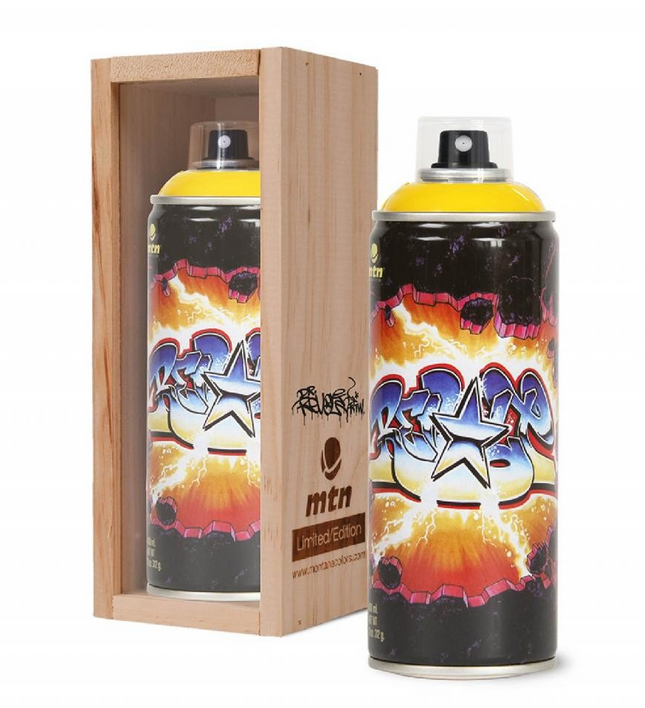
At the core of Dr Revolt’s work lies his mastery of lettering. His approach to wildstyle—complex interlocking letterforms filled with gradients, flares, and three-dimensional shifts—helped define the vocabulary of New York graffiti. These styles were not just aesthetic choices, but coded language, requiring close reading and deep knowledge from viewers. His tags and burners were explosions of chromatic chaos balanced by intricate control. What made his work iconic was the way it balanced message and movement. Each piece communicated both personal authorship and public challenge. Within Street Pop Art & Graffiti Artwork, his letter-based work remains a masterclass in graffiti composition—dense, fearless, and always visually musical.
Pop Culture References and Underground Legacy
Beyond letterforms, Dr Revolt brought comic book characters, psychedelic patterns, and punk influences into the graffiti space, helping bridge the world of subcultural print media and wall-based expression. His early illustration work for Zap Comix and Subway Art introduced a surreal, mind-bending graphic style that blended lowbrow humor with sharp social critique. Dr Revolt was also known for designing posters, stickers, and album artwork, taking the vocabulary of the streets and channeling it into underground press and commercial formats. This made his influence stretch beyond walls and into zines, records, and apparel. In the framework of Street Pop Art & Graffiti Artwork, Dr Revolt’s ability to mix pure graffiti with cartoon absurdity created a bridge between the raw energy of subway culture and the lasting imprint of pop satire.
Dr Revolt and the Evolution of Style as Statement
Dr Revolt’s continued relevance in contemporary street art circles comes from his consistency and adaptability. His pieces still erupt with the same electricity they had decades ago, now layered with the wisdom of a long-standing practice. Whether working on canvas, mural, or clothing, his signature linework and color rhythm remain instantly recognizable. He helped graffiti evolve from outlaw gesture to artistic discipline without losing its urgency. His career stands as testimony to how style can be both a visual tool and a form of cultural defense. In the lineage of Street Pop Art & Graffiti Artwork, Dr Revolt is not just a name—he is a root. His work laid down part of the structure that still supports the global language of urban expression today.