




Doctor Who in Street Pop Art & Graffiti Artwork
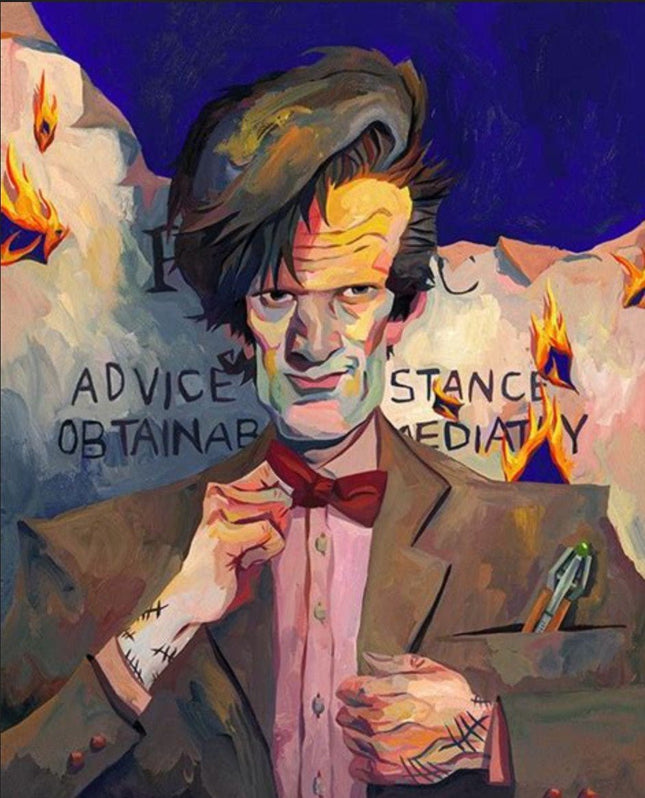
Doctor Who has become an enduring symbol in street pop art & graffiti artwork, with its vast cultural impact extending far beyond television. The imagery associated with the show, including the TARDIS, Daleks, Cybermen, and the various incarnations of the Doctor, has inspired countless artists to reinterpret its themes in urban spaces. The fusion of science fiction and street art creates a unique visual language that reflects both nostalgia and reinvention. The series' exploration of time, space, and change aligns with the essence of graffiti culture, where reinvention and transformation define the medium.
The TARDIS and Iconography in Urban Art
The TARDIS is one of the most recognizable symbols from Doctor Who and has been a recurring subject in street pop art & graffiti artwork. The image of a blue police box appearing in unexpected places mirrors the way graffiti disrupts conventional urban landscapes. Artists often use the TARDIS as a metaphor for escape, rebellion, and the infinite possibilities of imagination. Whether depicted in large-scale murals, stencil art, or sticker bombing, its presence in street art reflects the way fans and artists alike connect with its themes of adventure and discovery. Many street artists incorporate surreal elements when depicting the TARDIS, using forced perspective, portal-like imagery, or optical illusions to create a sense of movement. Some works show the TARDIS materializing in dystopian cityscapes, blending its hopeful symbolism with themes of urban decay. Others contrast the police box with modern technological influences, such as digital glitches or futuristic cityscapes, reinforcing the tension between past and future. The adaptability of the TARDIS as a visual motif ensures its continued presence in graffiti and pop art installations.
Daleks, Cybermen, and the Influence of Villains in Street Pop Art & Graffiti Artwork
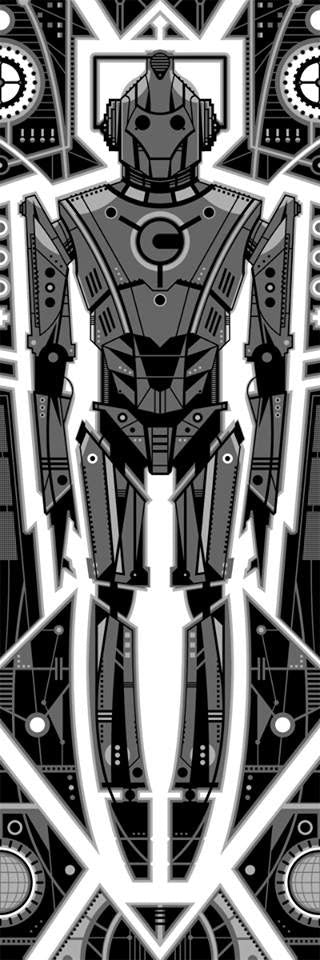
The villains of Doctor Who, particularly the Daleks and Cybermen, have become powerful symbols of control, oppression, and technological dystopia. Street pop art & graffiti artwork frequently uses these figures to comment on societal issues, drawing parallels between the authoritarian nature of these fictional enemies and real-world struggles. Daleks are often depicted as symbols of destruction, painted in ruined cityscapes or contrasted against symbols of resistance. Their recognizable shape and ominous presence make them an effective subject for stencil and wheatpaste art, allowing artists to experiment with their design while maintaining their menace. Cybermen, representing uniformity and loss of individuality, often appear in graffiti as critiques of corporate culture and mass surveillance. Some artists reimagine them in dystopian settings, incorporating them into compositions that explore themes of technological overreach. The monochromatic metallic aesthetic of the Cybermen lends itself well to high-contrast street art styles, reinforcing their cold and emotionless nature. The visual power of these villains ensures their relevance in urban art, making them a staple of Doctor Who-inspired graffiti.
Doctor Who’s Impact on Street Pop Art & Graffiti Artwork
Doctor Who’s influence in street pop art & graffiti artwork goes beyond individual characters and symbols, shaping the broader themes explored by urban artists. The show's themes of time travel, change, and rebellion align with the core principles of street art, where impermanence and reinvention define the landscape. Many artists use the imagery of Doctor Who to challenge conventional narratives, juxtaposing familiar sci-fi elements with messages of resistance, activism, and cultural commentary. Collaborations between graffiti artists and pop culture brands have further solidified Doctor Who’s place in contemporary urban art. Limited edition prints, large-scale murals, and gallery exhibitions featuring Doctor Who-themed work highlight the intersection of fandom and artistic expression. Whether through a weathered stencil of the TARDIS on a city wall or an intricate mural depicting the struggle between the Doctor and his enemies, the show’s legacy continues to inspire new generations of artists to push creative boundaries.