
Dystopia, Destruction & Ruins in Street Pop Art & Graffiti Artwork
Dystopia, destruction, and ruins have long served as powerful themes in street pop art & graffiti artwork, reflecting societal fears, decay, and the impact of human intervention on urban landscapes. Artists working in these styles often depict crumbling cityscapes, abandoned structures, and post-apocalyptic visions to provoke thought on issues such as political corruption, environmental collapse, and social unrest. The visual language of dystopia is filled with stark contrasts, fragmented imagery, and a blend of surrealism and realism, making it a compelling subject for graffiti murals and street pop art installations.
The Visual Elements of Dystopian Street Pop Art & Graffiti Artwork
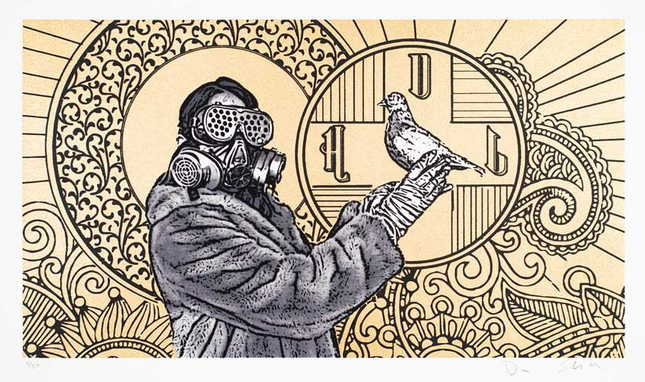
Dystopian-themed street pop art & graffiti artwork is often characterized by decayed textures, exaggerated lighting, and a deep sense of isolation. Artists use distressed surfaces, drips, and overlays to create the illusion of urban decay, making their work feel like a reflection of a collapsing society. Rusted metal, shattered glass, and overgrown vegetation frequently appear in these artworks, symbolizing neglect and the inevitable reclaiming of man-made environments by nature. Graffiti artists working within this theme often depict abandoned buildings, crumbling bridges, and deserted city streets. Some artists incorporate futuristic elements, painting neon signs flickering in the distance, malfunctioning robots, or remnants of advanced civilizations left to ruin. Others lean into political messaging, using imagery of surveillance cameras, faceless figures, and totalitarian symbolism to critique oppressive systems. The fusion of realistic urban decay with exaggerated, often surreal dystopian elements blurs the line between fiction and reality, making these works visually arresting and thought-provoking.
Social and Political Commentary Through Urban Decay
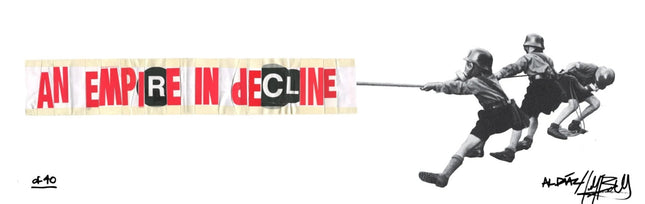
Street pop art & graffiti artwork focused on dystopian themes often carries a strong message about contemporary social issues. Many of these artworks serve as a form of protest, exposing corruption, inequality, and environmental destruction. Artists use their work to question power structures, depicting dystopian cityscapes where corporations and governments hold unchecked influence. Billboards featuring manipulated advertisements, figures trapped behind barbed wire, and slogans warning of imminent collapse all serve as potent reminders of society’s fragility. Environmental concerns are also a dominant theme within this style. Murals depicting flooded streets, polluted air, and skeletal remains of once-thriving cities serve as warnings about the consequences of climate change and industrial excess. Some artists highlight nature’s resilience by painting trees growing through cracked pavement, vines overtaking skyscrapers, or animals reclaiming abandoned urban spaces. This contrast between destruction and regrowth adds a layer of complexity to dystopian artwork, leaving viewers to question whether these bleak visions are warnings or inevitabilities.
The Influence of Dystopian Aesthetics on Modern Street Art
Dystopian themes in street pop art & graffiti artwork have influenced countless artists and movements, inspiring murals, installations, and large-scale public art projects around the world. Many artists create hyper-detailed, large-scale murals that feel immersive, drawing in viewers with their haunting realism. Others take a more graphic, pop-art-inspired approach, using bold colors and stylized designs to depict dystopian elements with a retro-futuristic aesthetic. The popularity of dystopian art has extended into multimedia projects, with graffiti artists collaborating on films, music videos, and digital installations that explore similar themes. Video projections, augmented reality elements, and interactive exhibits have brought dystopian urban decay to life, allowing audiences to step into these desolate worlds. The influence of this aesthetic can be seen in cyberpunk culture, video game design, and even high-fashion collections, proving that the visual language of dystopia continues to evolve while remaining rooted in the rebellious, thought-provoking spirit of street pop art & graffiti artwork.