






Fine Art Toys as Sculptural Statements in Street Pop Art & Graffiti Artwork
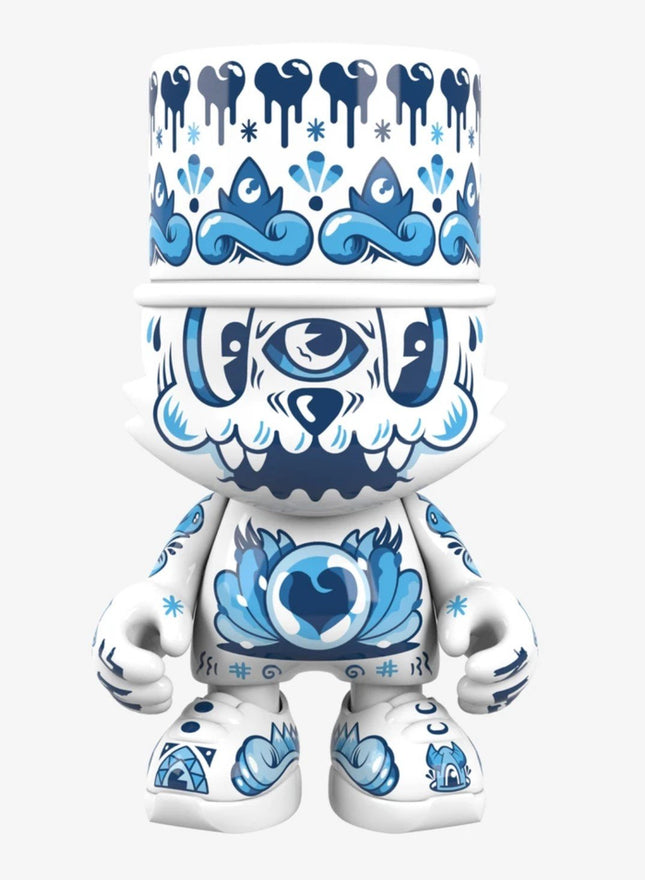
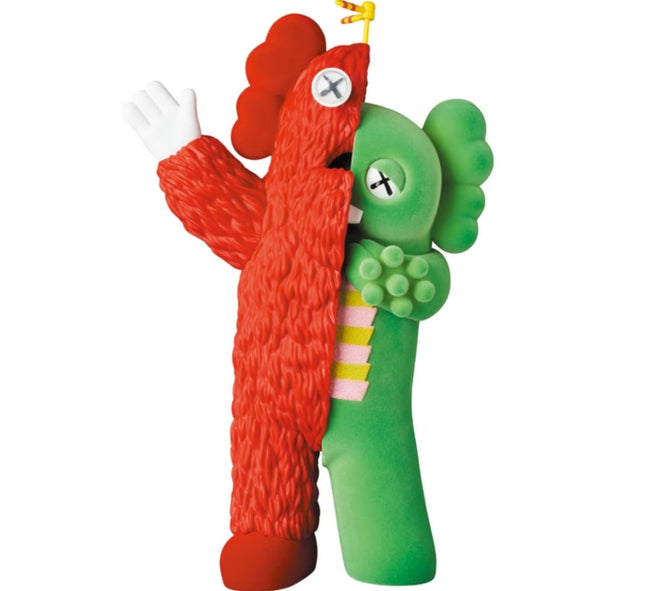
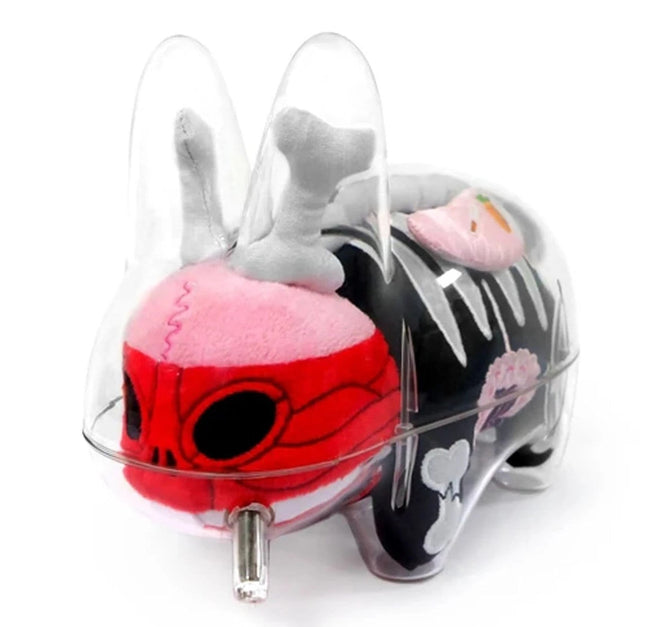
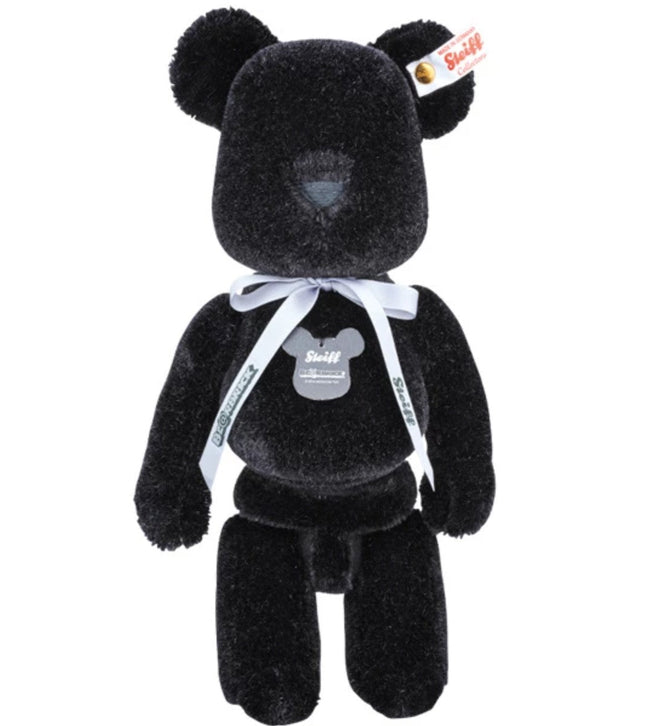
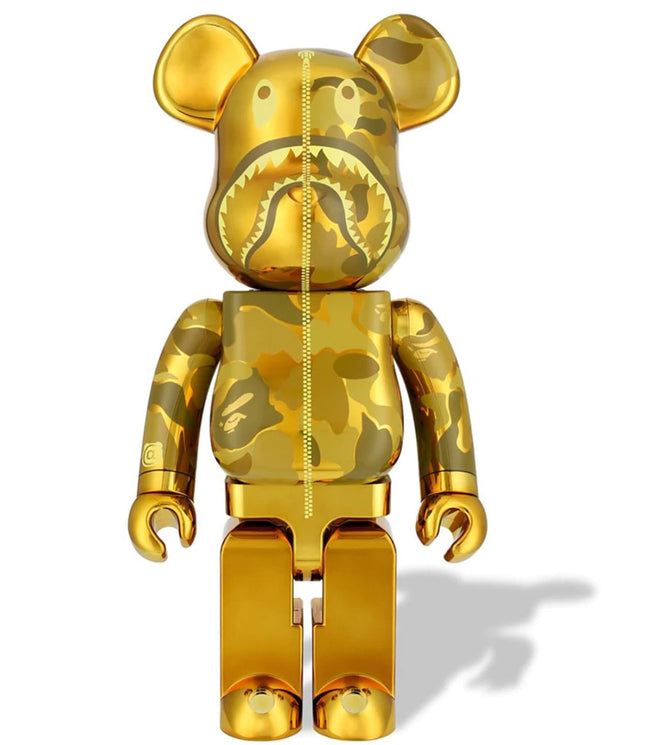
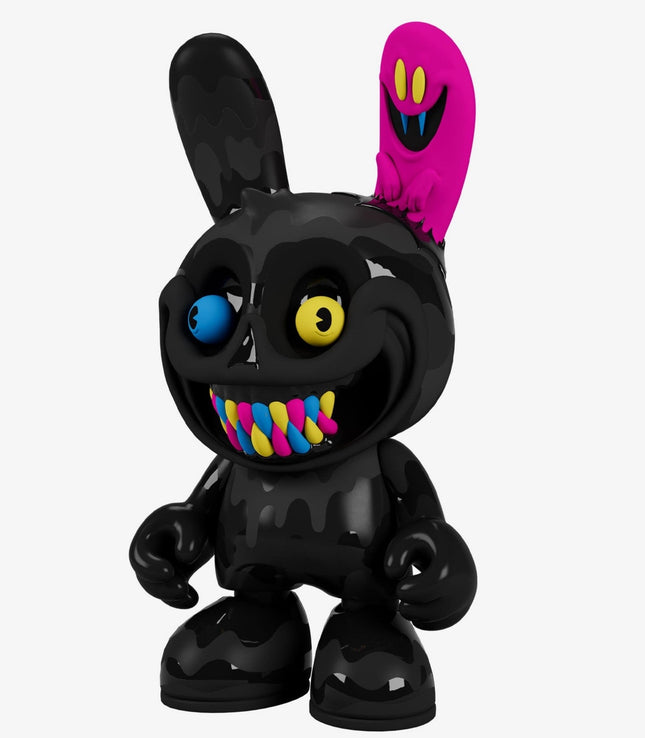
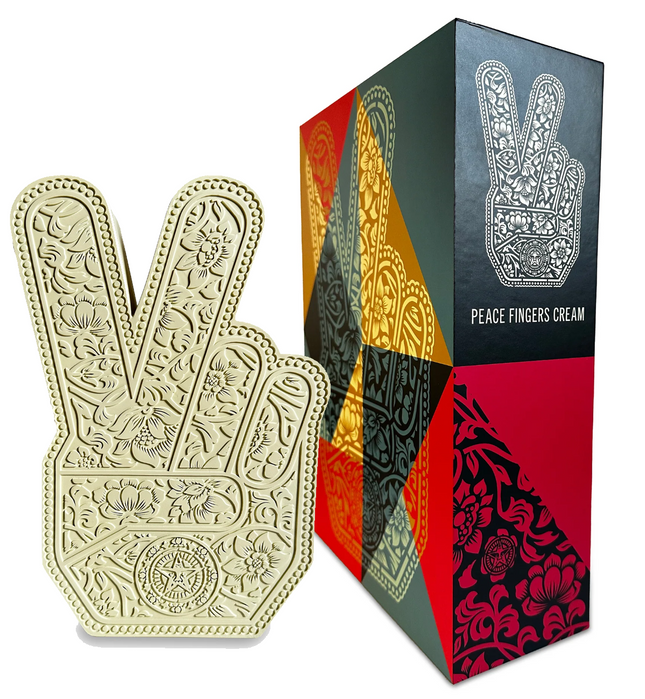
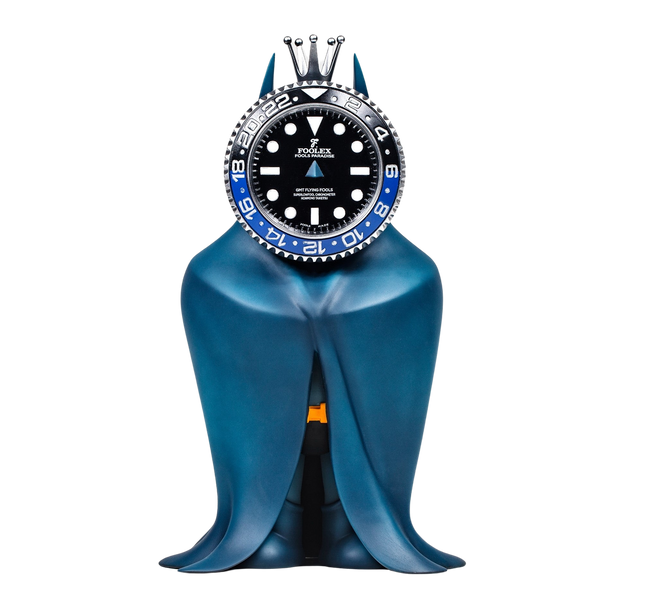
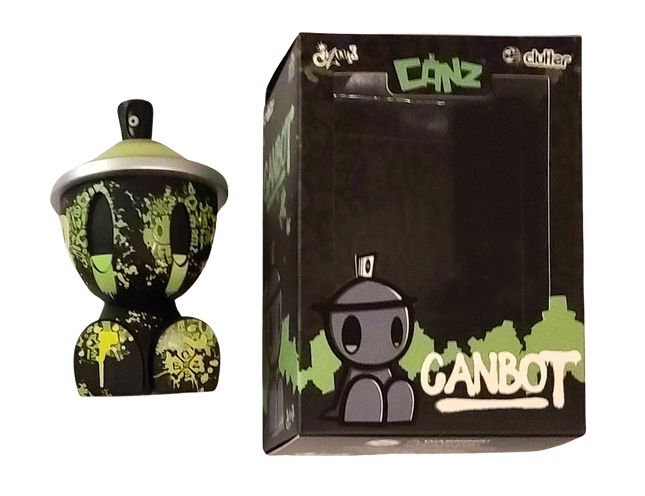
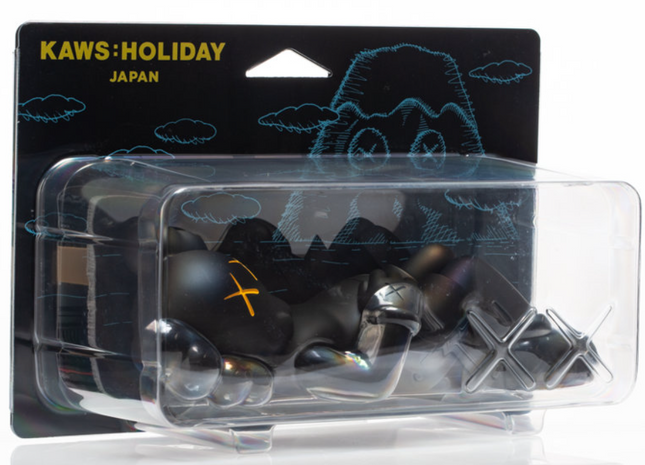
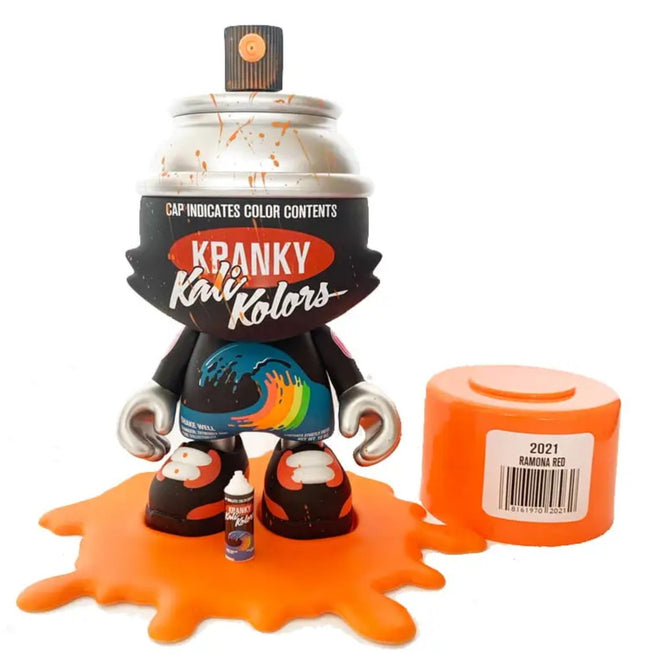
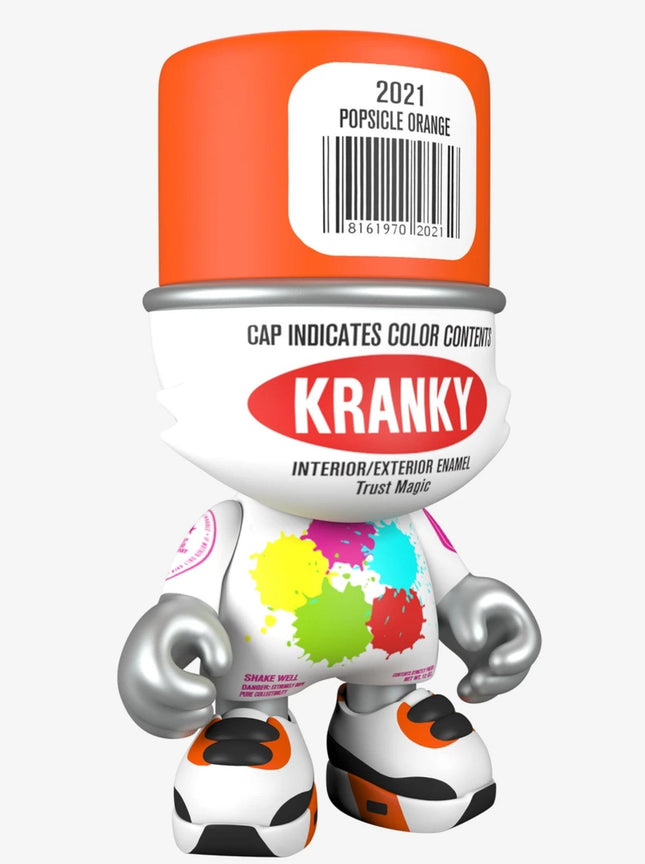
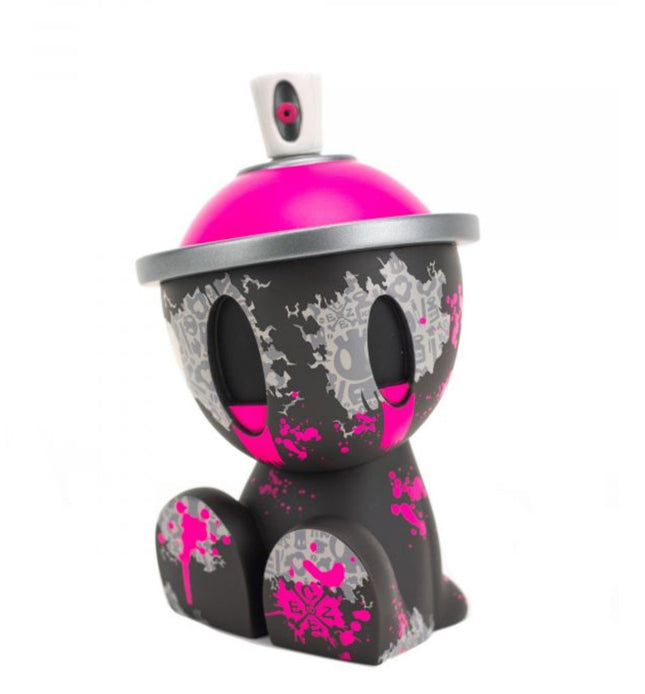
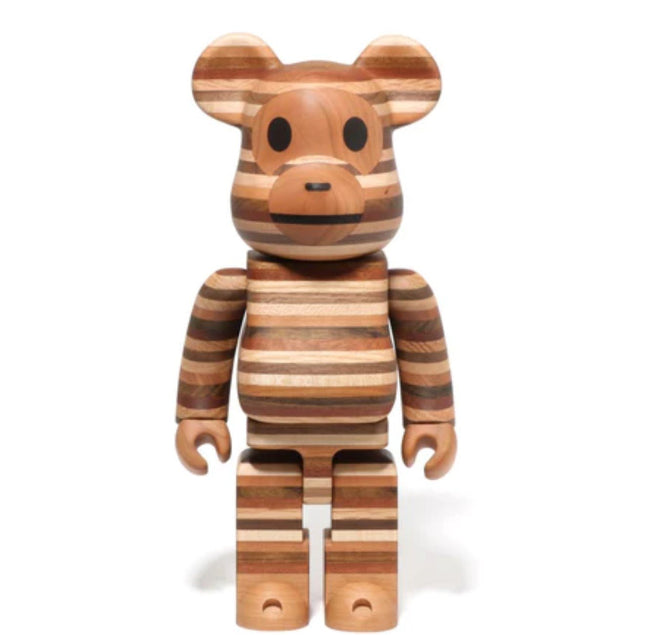
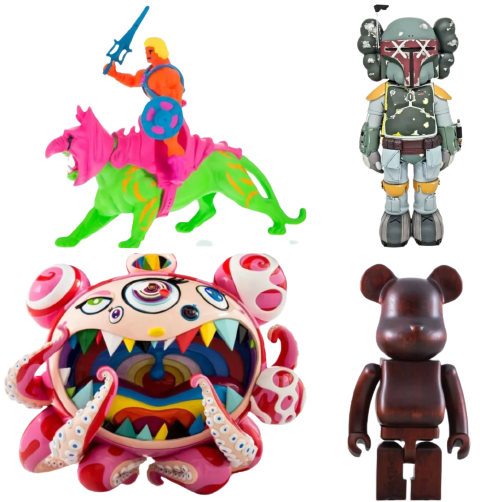
Fine art toys have emerged as a dominant sculptural format within Street Pop Art & Graffiti Artwork, transforming collectible figures into gallery-worthy expressions of culture, identity, and rebellion. These objects, often cast in vinyl or resin, fuse character-driven design with conceptual intent, positioning themselves somewhere between consumer product and sculptural edition. Rooted in the aesthetics of graffiti, animation, and commercial branding, fine art toys leverage familiarity to deliver layered messages. Whether referencing cartoons, iconic hand gestures, or industrial forms, these figures take on roles beyond decoration. They function as visual artifacts of urban life, merging tactile form with coded meaning. Each release often comes in a numbered edition, signed or embellished by the artist, reinforcing its status as both collectible and artwork.
Material, Scale, and the Evolution of Form
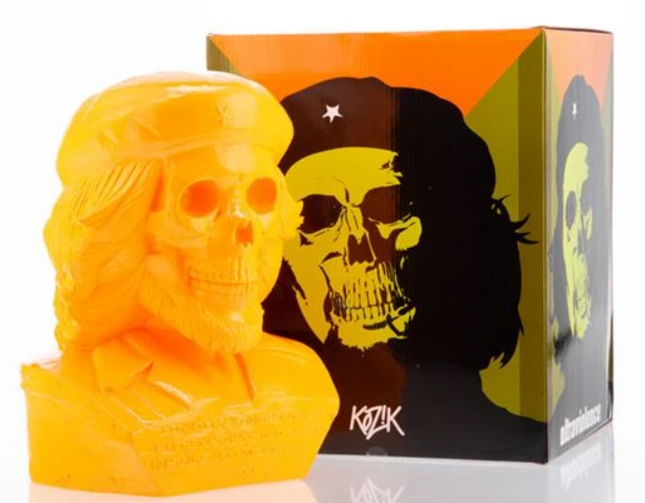
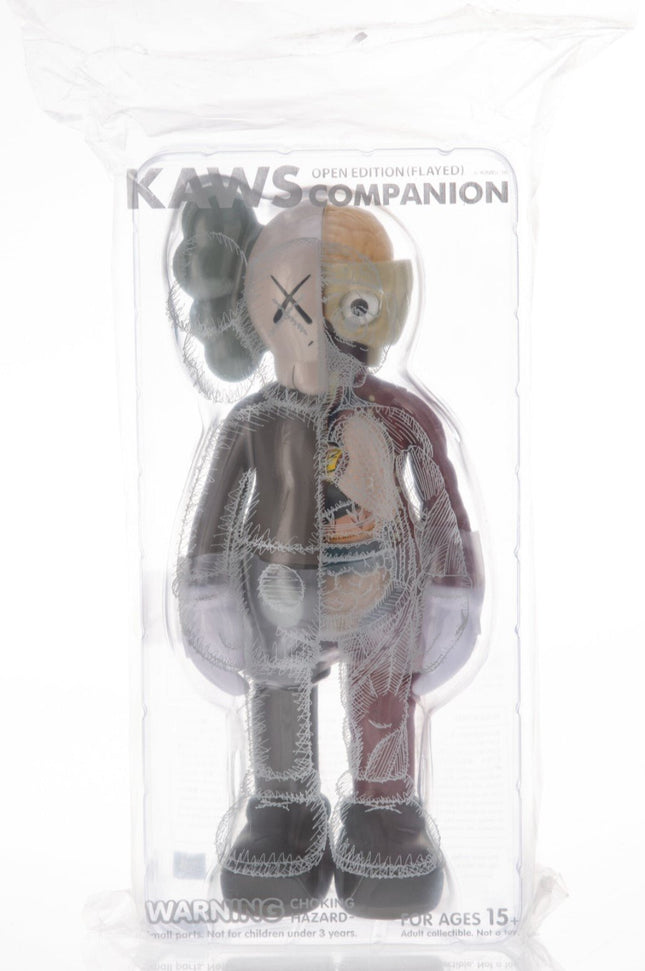
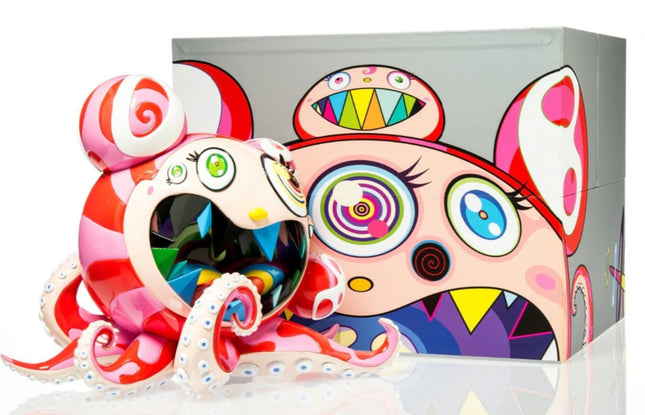
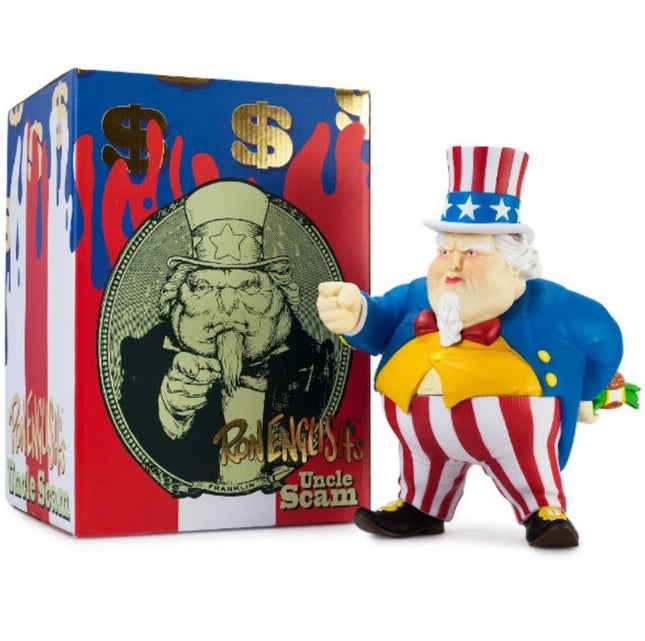
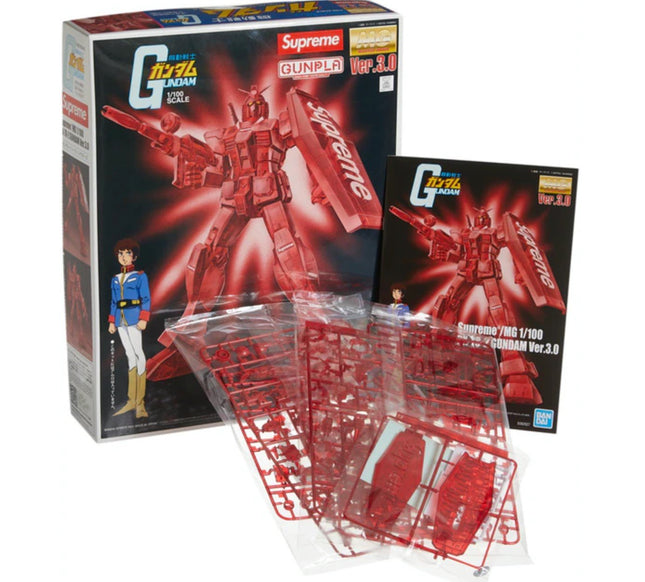
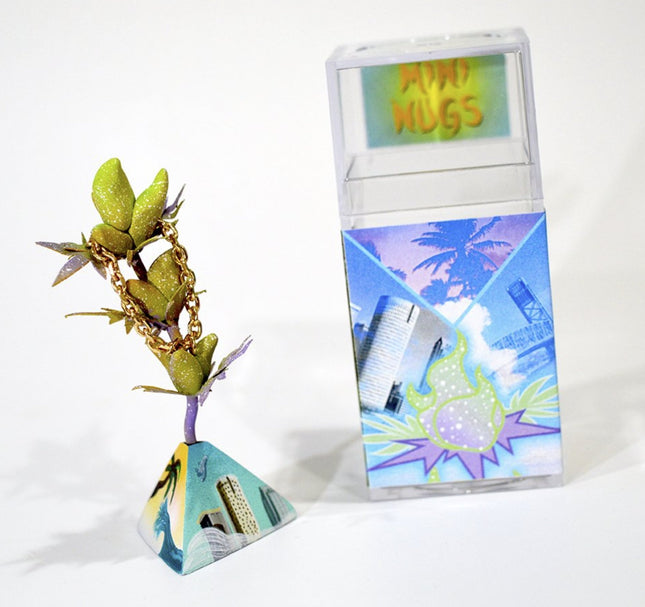
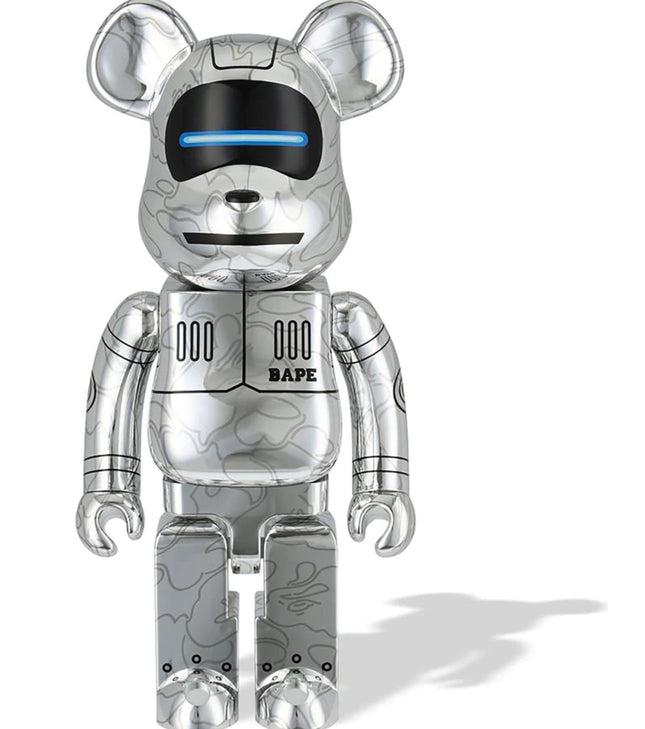
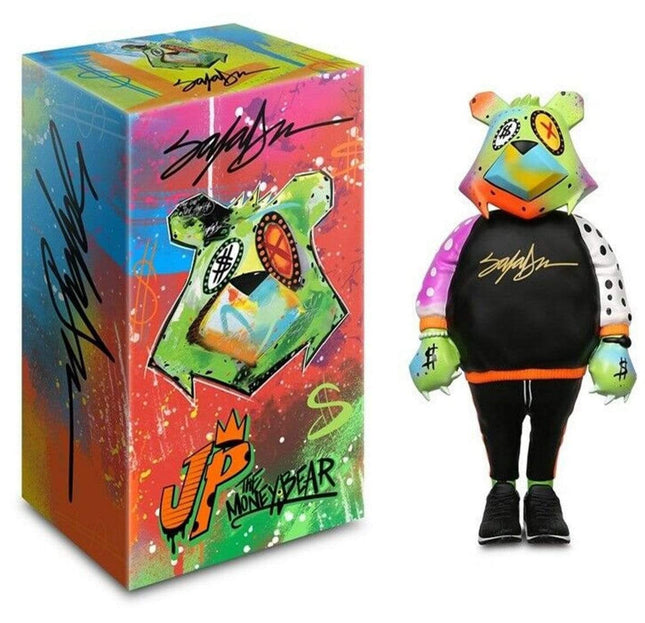
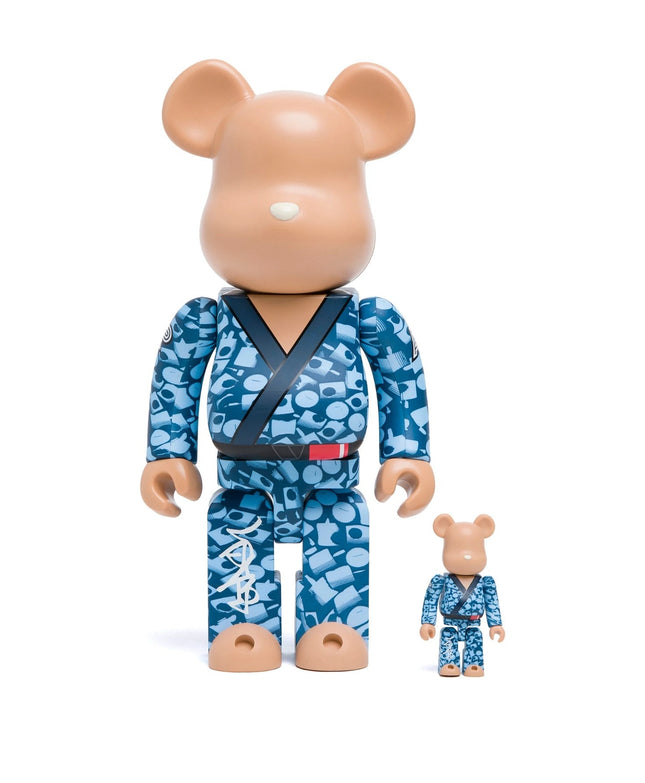
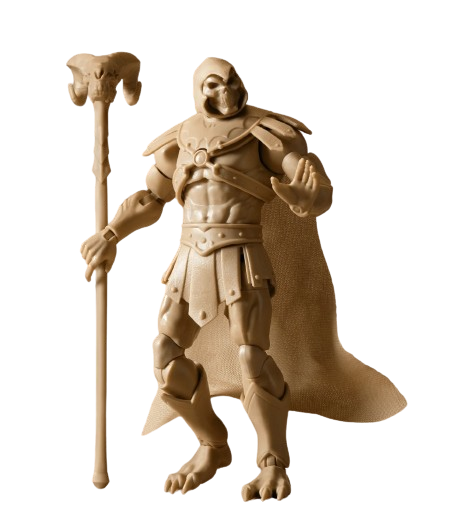
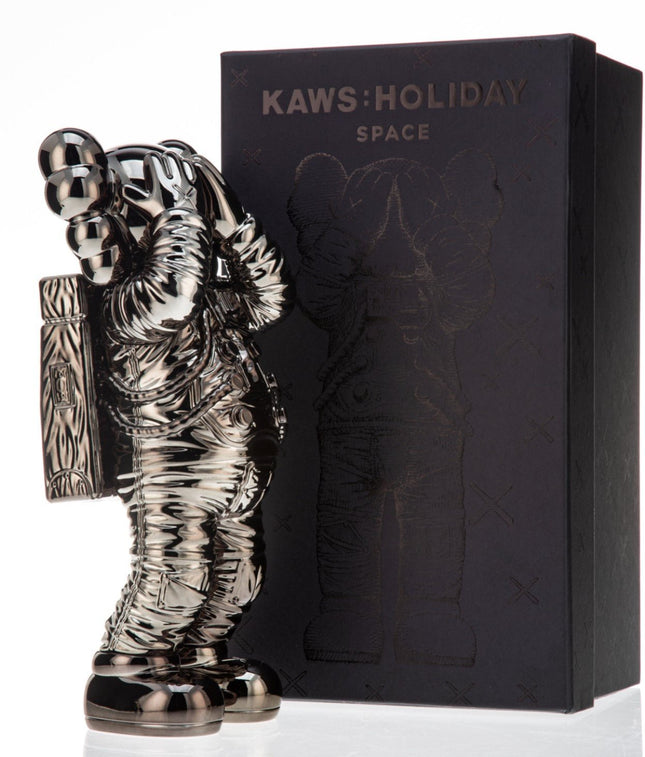
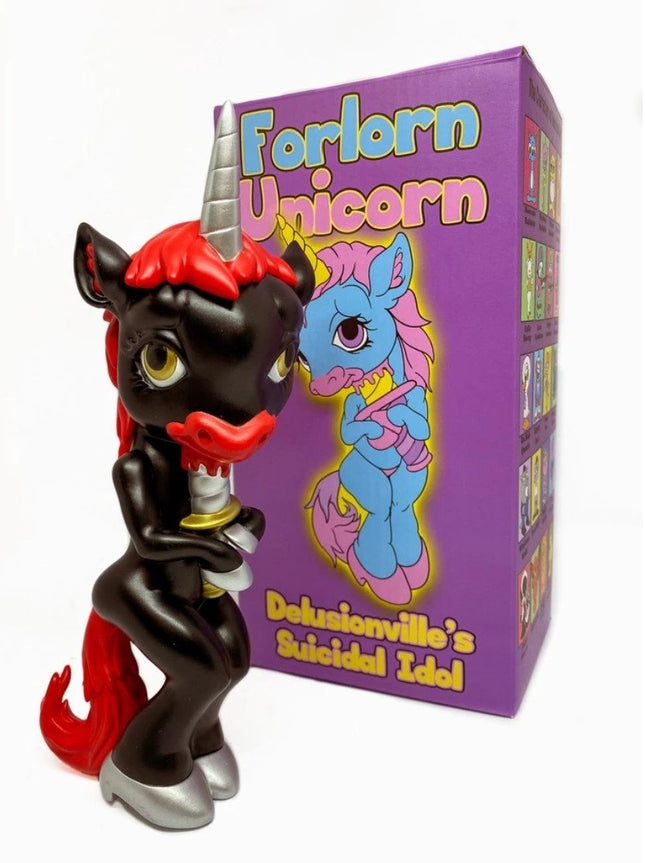
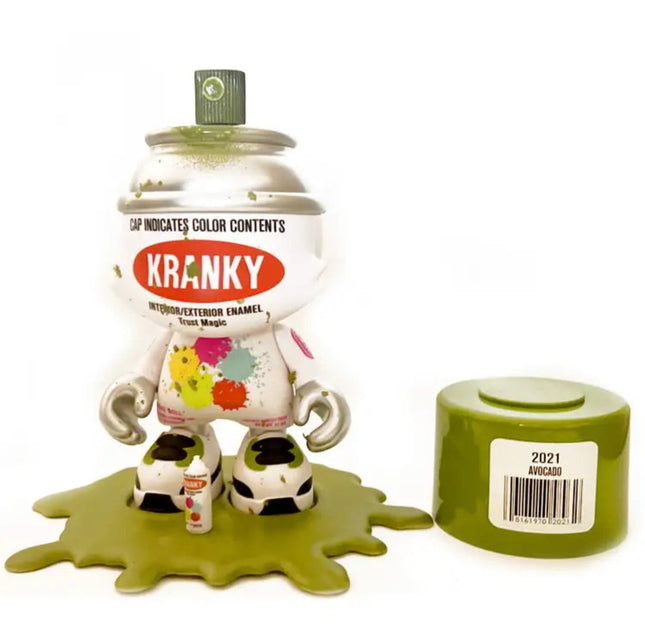
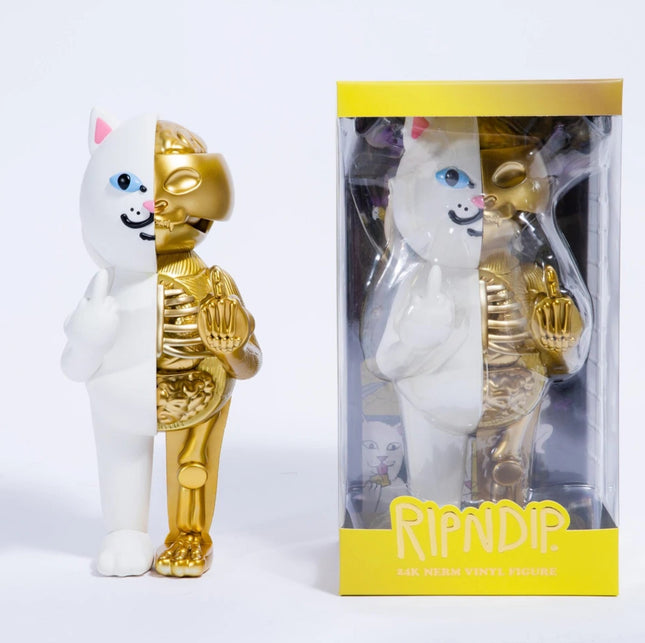
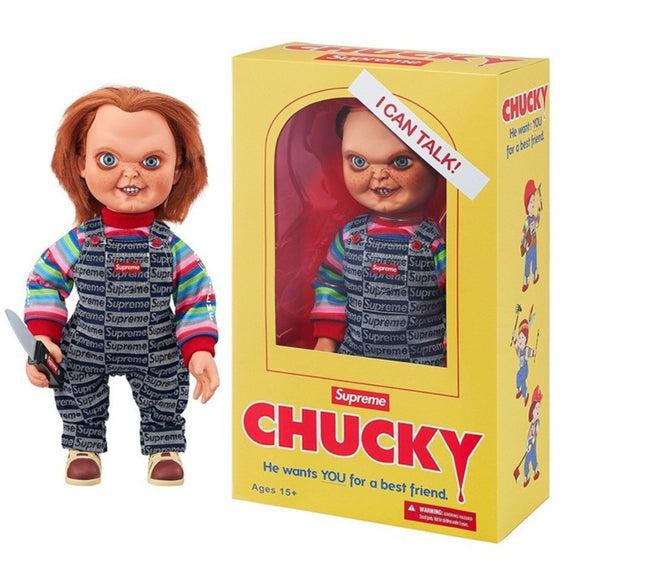
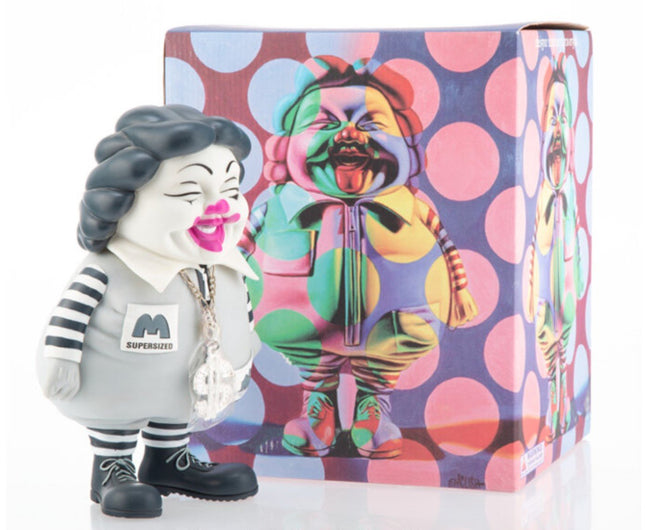
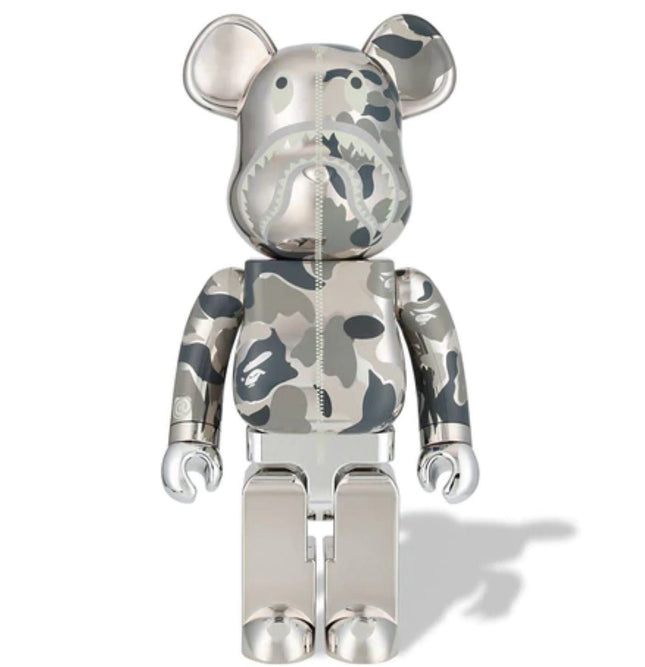
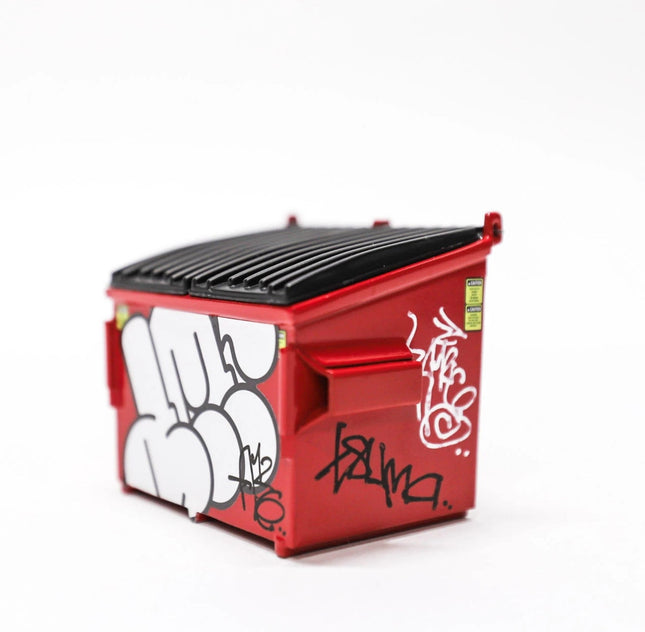
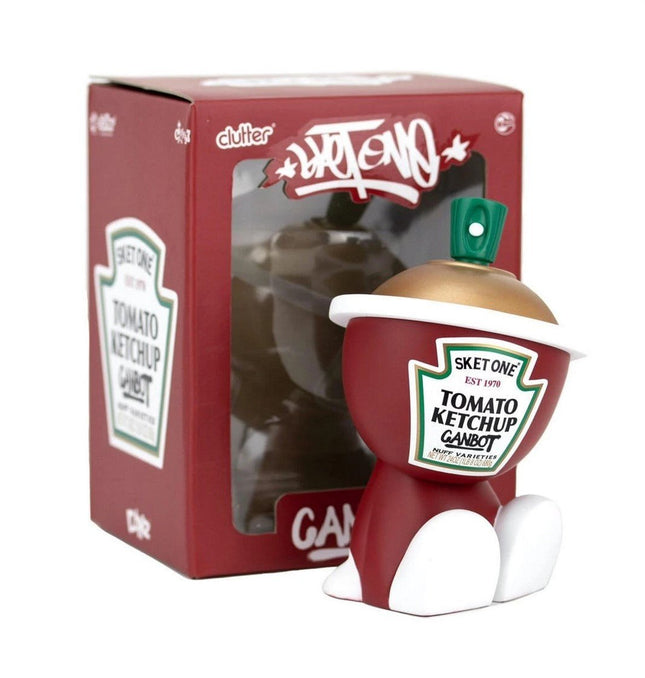
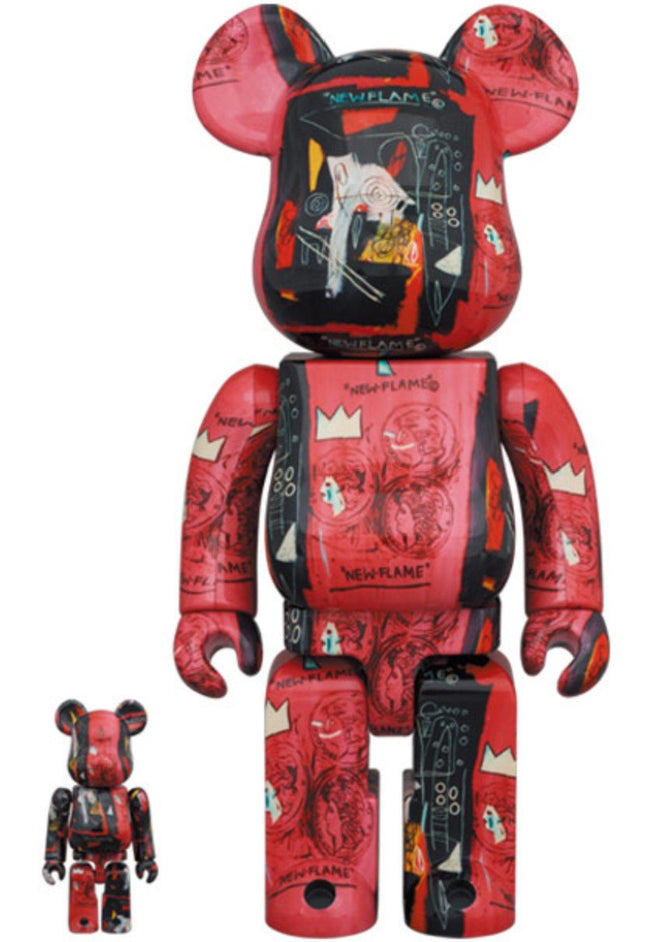
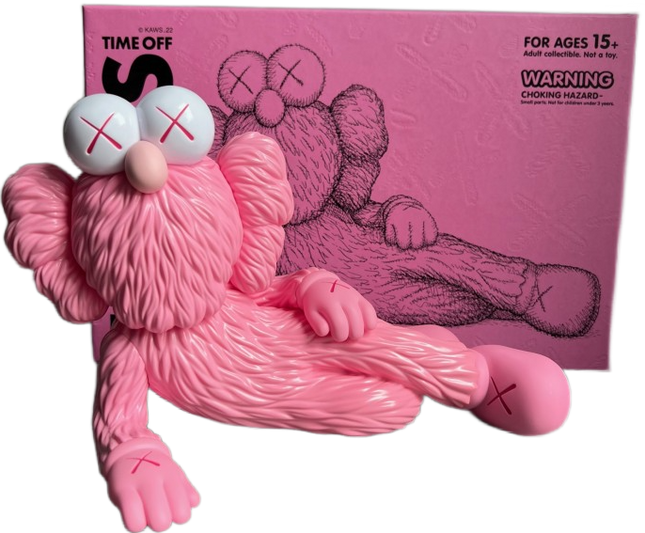
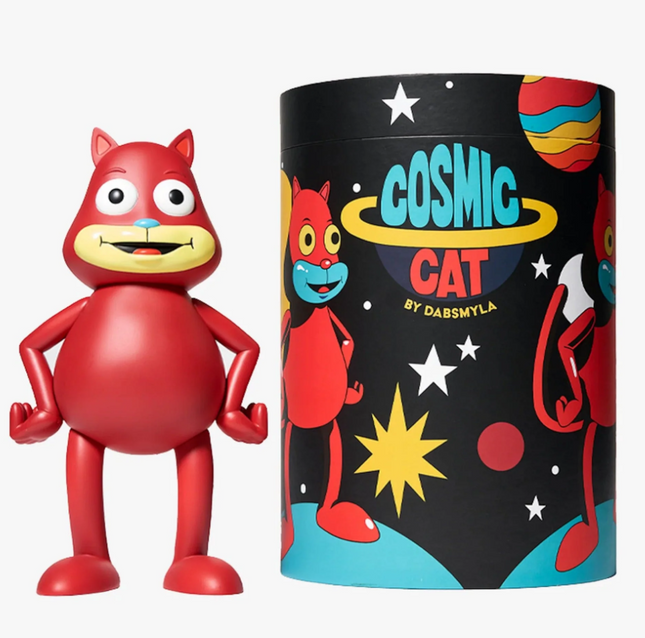
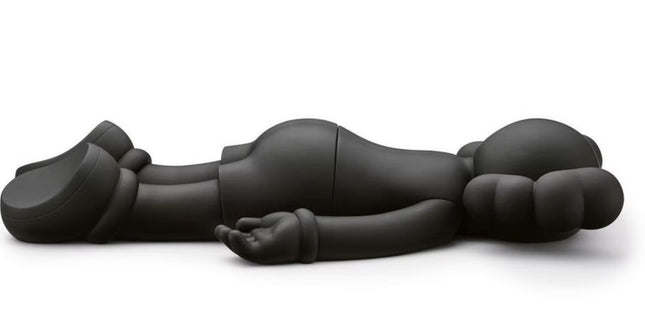
Fine art toys are distinguished by their attention to surface, construction, and presentation. The materials used—ranging from matte-finished vinyl to high-gloss resin—are chosen not only for durability but for the way they carry color and light. Unlike traditional sculpture, these forms rely heavily on stylization and recognizable silhouette. Elements like exaggerated gloves, distorted limbs, or logo-based features give these toys a bold visual identity that aligns with the graphic intensity of graffiti and street design. Their scale is often deliberate—compact enough for accessibility, yet large enough to hold spatial presence. This size makes them functional in both domestic and institutional settings, moving easily from display shelf to museum pedestal. Their boxed packaging is also part of the artistic narrative, often designed with custom illustration, spray-tagged signatures, or screen-printed logos that reinforce the brand and visual language of the artist.
Artist-Driven Narratives and Cultural Commentary
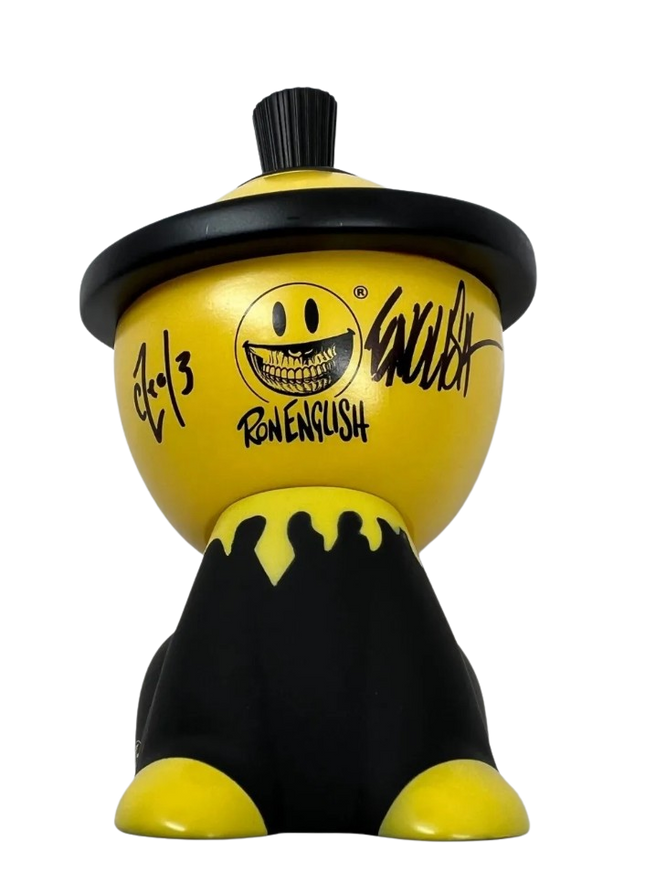
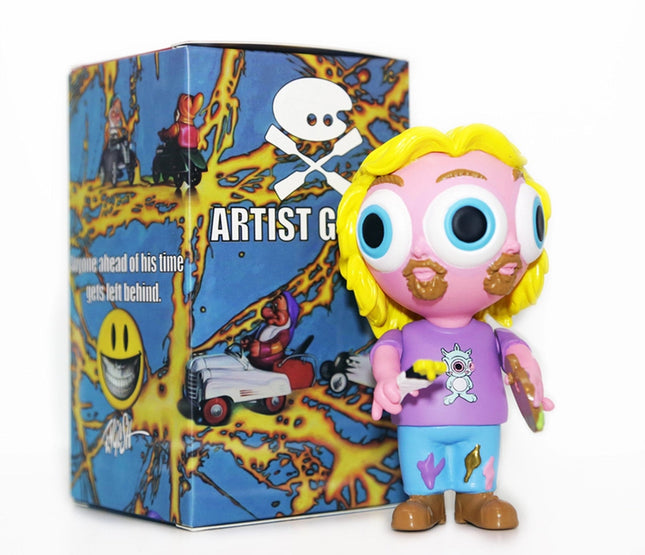
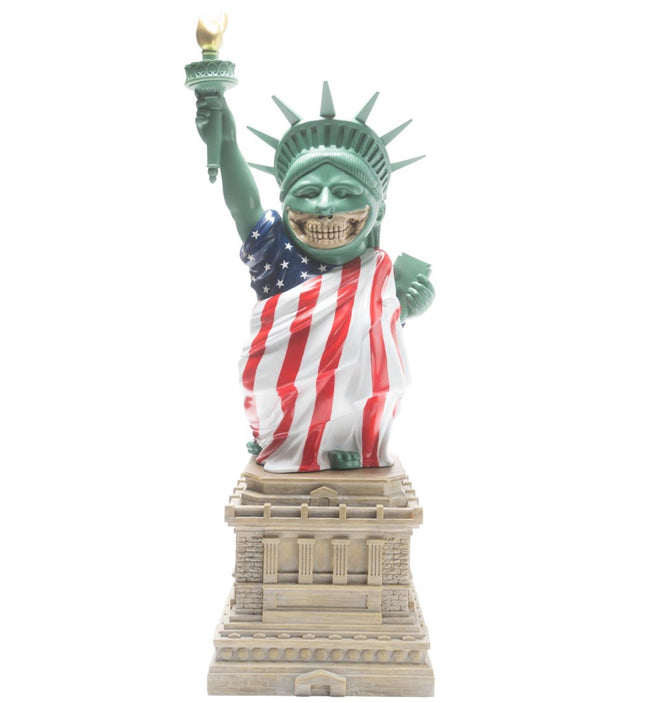
Many of the most recognized names in Street Pop Art & Graffiti Artwork have used fine art toys to expand their voice beyond the wall or canvas. Artists such as OG Slick, KAWS, Ron English, and Hebru Brantley have developed recurring characters or forms that appear across multiple media. The toy becomes a sculptural extension of their visual vocabulary. Often humorous, confrontational, or nostalgic, these pieces invite engagement while offering commentary on topics ranging from consumerism and addiction to regional pride and cultural iconography. Through sculpted form, artists can inject satire into familiar objects or use the innocence of toy aesthetics to mask more serious themes. The toy’s approachable appearance becomes a strategy—drawing the viewer in before revealing complexity beneath the surface.
Limited Edition Toys as Fine Art Collectibles
Unlike mass-produced figurines, fine art toys are released in curated editions. Each piece is numbered, and in some cases hand-embellished, signed, or boxed in custom packaging. The limitation adds exclusivity, but more importantly, it aligns the toy with the traditions of fine art printmaking and sculpture. These pieces are not mass commodities—they are collectible narratives captured in three dimensions. Their presence in art fairs, gallery shows, and museum exhibitions reflects their cultural legitimacy. In the context of Street Pop Art & Graffiti Artwork, fine art toys are not accessories—they are physical encapsulations of an artist’s philosophy, humor, critique, and visual evolution. As this format continues to expand, it becomes clearer that the toy is not only play—but protest, persona, and power, shaped into form and sealed in vinyl.