Food & Eating

5 artworks

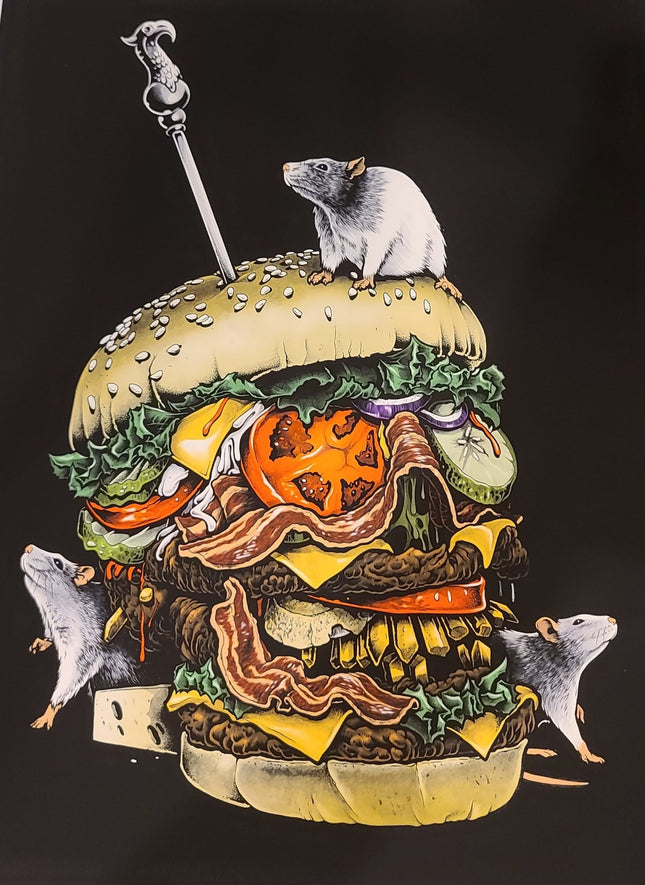
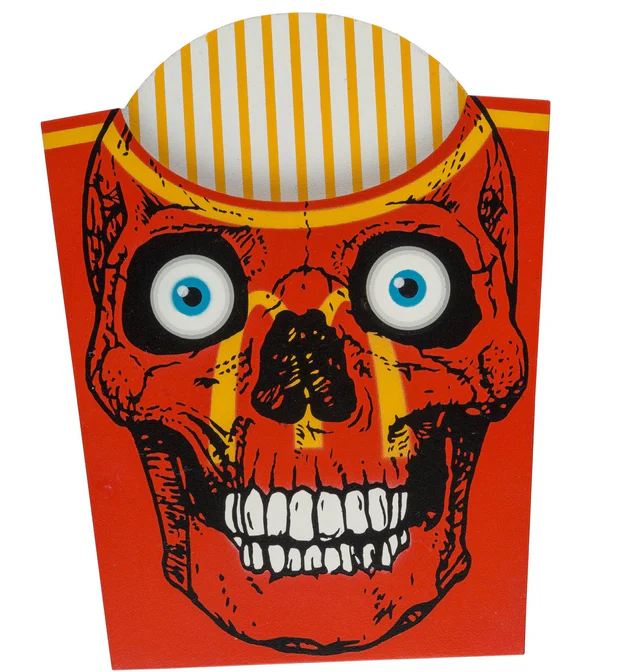
  • Burger Skull Color Silkscreen Print by Joe King

    Joe King Burger Skull Color Silkscreen Print by Joe King

    Burger Skull- Color Limited Edition 6-Color Hand-Pulled Silkscreen Print on Fine Art Paper by Joe King Graffiti Street Artist Modern Pop Art.

    $134.00

  • 13 Horror Movie Killer Giclee Print by Dave Pollot

    Dave Pollot 13 Horror Movie Killer Giclee Print by Dave Pollot

    13 Horror Movie Killer Giclee Print by Dave Pollot Artwork Limited Edition Print on Fine Art Paper Graffiti Pop Street Artist. 2022 Signed & Numbered Limited Edition of 55 Artwork Size 23.5x14 13 Horror Movie Killer Giclee Print by Dave Pollot – A Twisted Reimagining of a Classical Icon in Street Pop Art & Graffiti Artwork Dave Pollot’s 2022 limited edition giclee print titled 13 Horror Movie Killer is a provocative reworking of Leonardo da Vinci’s The Last Supper, infused with a dark sense of humor and horror iconography. Measuring 23.5 by 14 inches and printed on fine art paper, this signed and numbered edition of only 55 pieces fuses the sacred with the sinister. Pollot, a New York-based contemporary artist known for inserting pop culture references into classical works, transforms the scene by replacing the apostles with legendary horror villains. The visual tension between the divine center figure and the violent figures surrounding it makes for a disorienting yet captivating reinterpretation that has earned attention in both pop art and street art circles. From Frankenstein to Freddy: Horror Icons in Satirical Congregation The composition includes instantly recognizable horror figures such as Frankenstein’s monster, the Mummy, the Creature from the Black Lagoon, and modern slasher legends like Freddy Krueger, Michael Myers, Jason Voorhees, Leatherface, Ghostface, and Pinhead. Each character is rendered with care, echoing their cinematic presence while still fitting into the worn, aged aesthetic of da Vinci’s backdrop. Pollot’s hand does not merely parody—it curates, combining the weight of religious artwork with the iconography of film to challenge perceptions of cultural veneration and morality. While the viewer may initially laugh at the absurdity of horror villains sharing a sacred meal, closer inspection reveals a striking contrast between fear and faith, pop culture and permanence. Fine Art Meets Cultural Subversion in Street Pop Art & Graffiti Artwork Pollot is widely respected for blurring the line between high and low art by physically painting over or digitally altering thrifted classical-style artworks with characters from video games, movies, and TV. In this case, the digital giclee method allows for rich detail and a textured finish that replicates the painterly quality of the source material. By choosing a limited print run of 55 on fine art paper, Pollot elevates the piece into the realm of collectible Street Pop Art & Graffiti Artwork. The giclee process itself is notable for its ability to capture nuanced color tones and intricate shadows, allowing for every wrinkle, shadow, and blood-streaked detail of these horror legends to be rendered with clarity and depth. Dave Pollot’s Commentary Through Dark Satire and Familiar Icons Dave Pollot, born and working in the United States, is a contemporary street pop artist who brings a distinct sense of irony and observation to his pieces. His work consistently reimagines traditional art forms by inserting them into the absurdity of modern entertainment. In 13 Horror Movie Killer, Pollot offers more than a novelty image—he constructs a narrative of cultural worship, asking whether our societal figures of devotion have shifted from sacred icons to entertainment monsters. As a piece of Street Pop Art & Graffiti Artwork, it fits perfectly into conversations around iconoclasm, nostalgia, and the strange comfort horror continues to provide in modern media. Each killer is a symbol, and their placement at a table of holy significance invites a sharp critique about consumption, fandom, and collective memory in the twenty-first century.

    $425.00

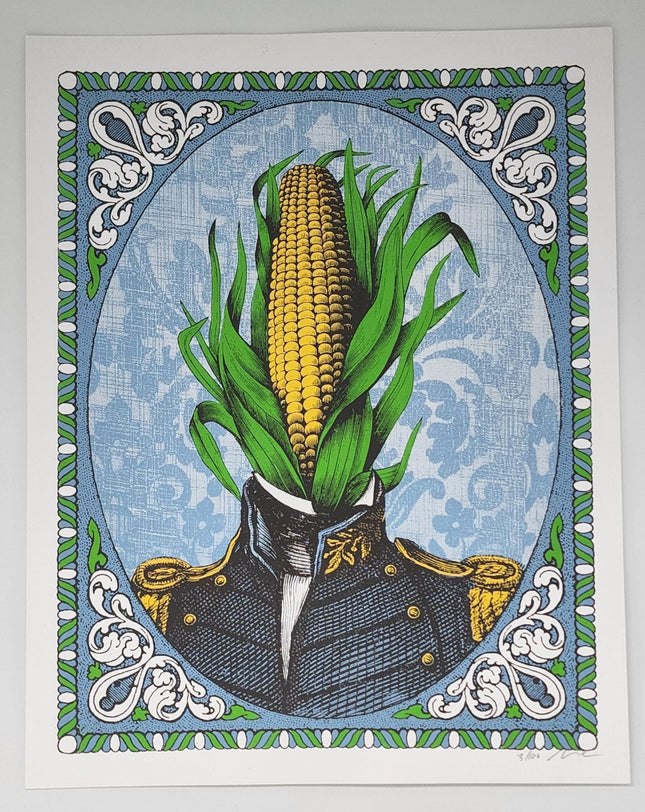
  • Colonel Corn Giclee Print by Nate Duval

    Nate Duval Colonel Corn Giclee Print by Nate Duval

    Colonel Corn Pop Artwork Limited Edition Giclee Print on FineArt Paper by Modern Artist Nate Duval. 2014 Signed & Numbered Limited Edition of 100 Artwork Size 11x14 "Colonel Corn, a man who has earned your utmost respect." -Nate Duval

    $40.00

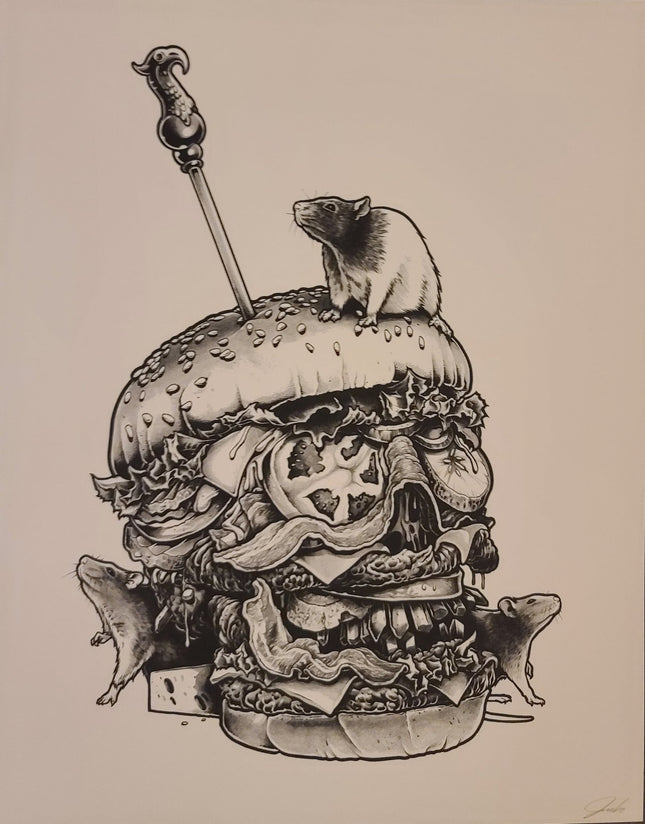
  • Burger Skull Monochrome Silkscreen Print by Joe King

    Joe King Burger Skull Monochrome Silkscreen Print by Joe King

    Burger Skull- Monochrome Limited Edition 1-Color Hand-Pulled Silkscreen Print on Fine Art Paper by Joe King Graffiti Street Artist Modern Pop Art.

    $134.00

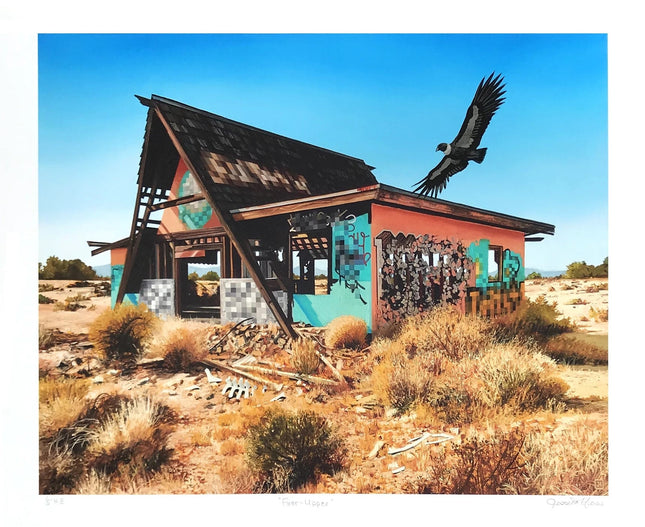
  • Fixer-Upper HPM Archival Print by Jessica Hess

    Jessica Hess Fixer-Upper HPM Archival Print by Jessica Hess

    Fixer-Upper Limited Edition Hand-Embellished HPM Archival Pigment Prints on 290gsm Moab Entrada Rag Bright Paper by Jessica Hess Graffiti Street Artist Modern Pop Art. 2020 Signed Limited Edition Fixer-Upper • Autographed archival pigment print • Additional unique paint embellishments on Moab Entrada Rag Bright 290 GSM archival paper • 14 x 17 inches Hand-embellished, signed and numbered by artist Jessica Hess in a limited embellished edition of 5

    $256.00

Food & Eating Street Pop Art & Graffiti Artwork

Culinary Motifs in Street Pop Art and Graffiti Artwork

Food and eating, universal experiences intrinsic to human existence, have long served as rich subjects for artists, capturing their times' social and cultural ethos. In the domains of Street Pop Art and Graffiti Artwork, these motifs take on vibrant new life, reflecting the every day and the celebratory through bold colors, exaggerated forms, and the inherent commentary of the art forms. This artistic depiction of food not only tantalizes the senses but also symbolizes various aspects of culture, economy, and social dynamics. Food iconography in Street Pop Art is often amplified to hyperbolic proportions, mirroring contemporary society's consumerist culture and mass production of edibles. Here, artists may employ bright, attention-grabbing palettes and large-scale representations to mimic the overload of sensory information in advertising and media. Graffiti art, traditionally rebellious and provocative, can transform food into a symbol of societal consumption or a tool of critique, addressing issues like fast food culture, global hunger, or the commodification of natural resources. As Street Pop Art and Graffiti Artwork often operate in public spaces, depicting food and eating in these genres also directly engages with the community. These works can become interaction points, where the familiar subject of food invites viewers to engage with the art. These eliciting reactions range from hunger to humor to reflection on their eating habits and food sources.

Artistic Representation of Food in Urban Landscapes

Food-related graffiti becomes part of the city's visual and cultural fabric in urban landscapes, where the art of the street is as integral to the environment as the buildings and the bustling crowds. Artists might take a ubiquitous element of urban dining—like a slice of pizza or a hot dog—and elevate it to a symbolic status, encapsulating the essence of a city’s food scene. These depictions can become so iconic that they not only represent culinary preferences but also signify the identity of the place itself. The versatility of food as a subject allows artists to traverse from the literal to the symbolic, using it to communicate messages about consumption, waste, and the human condition. In some instances, food in Graffiti Artwork serves as a poignant reminder of the disparities in wealth and access to resources, with lavish food spreads painted in areas of poverty as a stark visual contrast to the lived reality of those who pass by. Moreover, the interactive nature of Street Pop Art means that food-related works are not just seen but can be used to engage the public in dialogue. These pieces can become backdrops for social gatherings, stages for performance art, or canvases for community participation, where the art evolves with the input of its audience.

Impact and Evolution of Food-Themed Artistry on the Streets

The impact of food-themed Street Pop Art and Graffiti Artwork is multi-layered, resonating with the observer on a personal and societal level. An individual may see a mural of a fruit-laden table and recall family gatherings. At the same time, another might interpret it as a commentary on agricultural bounty or a subtle critique of consumer excess. Such is the power of food in art—it speaks an intimate and universal language, personal and public. As Street Pop Art and Graffiti Artwork continue to evolve, so does the portrayal of food within these genres. What began as simple tagging or stenciling has become complex, thought-provoking installations. Artists have started incorporating actual food items into their works, blurring the lines between the culinary and visual arts and inviting an experiential interaction with the viewer that can be as brief as the food itself. Food and eating are not merely subjects for Street Pop Art and Graffiti Artwork; they are conduits for expression, reflection, and sometimes, revolution. These depictions can comfort or confront, reflecting the complexity of our relationship with food. Through the lens of these vibrant art forms, food is not just sustenance but a symbol, a statement, and a shared language in the urban landscape. Whether it serves to provoke thought, evoke nostalgia, or critique society, the representation of food in street art is as varied and rich as the culinary traditions that inspire it.
Footer image

© 2025 Sprayed Paint Art Collection,

    • Amazon
    • American Express
    • Apple Pay
    • Bancontact
    • Diners Club
    • Discover
    • Google Pay
    • iDEAL
    • Mastercard
    • PayPal
    • Shop Pay
    • Visa

    Login

    Forgot your password?

    Don't have an account yet?
    Create account