Food & Eating

1 artwork

  • Circle City HPM Lithograph Print by Jen Collins

    Jen Collins Circle City HPM Lithograph Print by Jen Collins

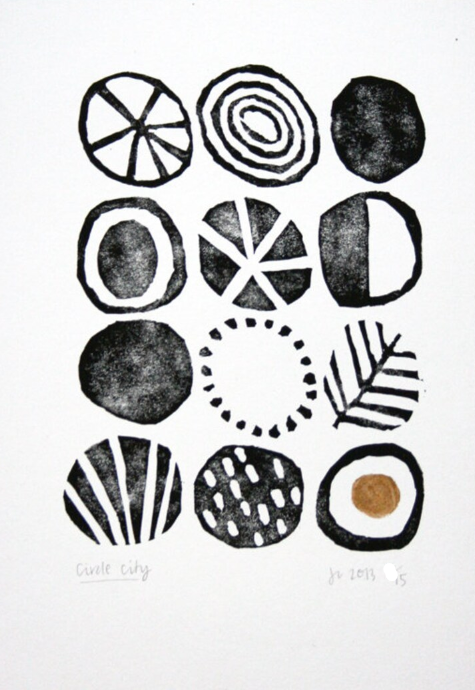
    Circle City HPM Lithograph Print by Jen Collins Hand Applied Gold Details Print on Recycled 280gsm A6 Card Stock Paper Limited Edition Pop Artwork. 2013 Signed & Numbered Limited Edition of 15 Artwork Size 5.8x8.3 Hand Applied Gold Paint Circle City HPM Lithograph Print by Jen Collins The Circle City HPM Lithograph Print by Jen Collins stands as a striking example of how contemporary street pop art & graffiti artwork continues to evolve through experimental printmaking techniques. Created in 2013, this piece is part of a limited edition of 15, each signed and numbered by the artist. The artwork is printed on recycled 280gsm A6 card stock paper, reinforcing the intersection of sustainability and artistic expression. Adding to its uniqueness, hand-applied gold paint details enrich the composition, making each print a singular work of art rather than a mere reproduction. The Artistry Behind Circle City This piece is characterized by a minimalist yet dynamic composition, featuring a series of hand-drawn circular forms that evoke organic patterns, abstract textures, and geometric harmony. Each circle is visually distinct, adorned with varying line work, dot formations, and bold negative space. The raw imperfection of the shapes, achieved through lithographic printing techniques, preserves the authenticity of hand-drawn elements, a fundamental aesthetic in street pop art & graffiti artwork. The hand-applied gold paint within the lower right circle enhances the artwork’s depth and symbolism. Gold has historically represented value, sacredness, and transformation, and in the context of modern pop art, it functions as a nod to both tradition and contemporary visual language. The choice to include a single golden detail within an otherwise monochromatic scheme draws the eye, emphasizing the piece’s balance between structure and spontaneity. Jen Collins and Contemporary Printmaking Jen Collins, an artist known for her intuitive mark-making, organic compositions, and delicate linework, incorporates printmaking as a method of artistic exploration. In street pop art & graffiti artwork, printmaking plays a significant role in producing limited edition multiples that retain an artist’s original hand-drawn sensibility. Unlike mass-produced digital prints, hand-pulled lithographs allow for subtle variations in ink texture, pressure, and tonality, making each edition slightly unique. This approach aligns with the ethos of street art, where imperfection, individuality, and direct artistic engagement are celebrated. Artists working within street pop art & graffiti artwork often challenge the conventions of mass production, preferring small-batch, handcrafted prints that emphasize artistic authenticity over commercial replication. Circle City and the Influence of Urban Aesthetics The circular motifs in Circle City can be interpreted as reflections of urban landscapes, organic rhythms, and symbolic unity. The use of repetitive shapes mirrors patterns seen in street art murals, architectural design, and textile prints, making it a versatile piece that resonates within contemporary urban aesthetics. The composition’s hand-rendered nature further echoes the spontaneity of graffiti and street markings, where public surfaces become canvases for artistic expression. By combining street pop art influences with lithographic printmaking and hand-applied details, Circle City bridges the gap between fine art print culture and street-level creativity. This work exemplifies how artists like Jen Collins continue to redefine the boundaries of modern printmaking, integrating personal expression with accessible, tactile forms of art.

    $109.00

Food & Eating Street Pop Art & Graffiti Artwork

Culinary Motifs in Street Pop Art and Graffiti Artwork

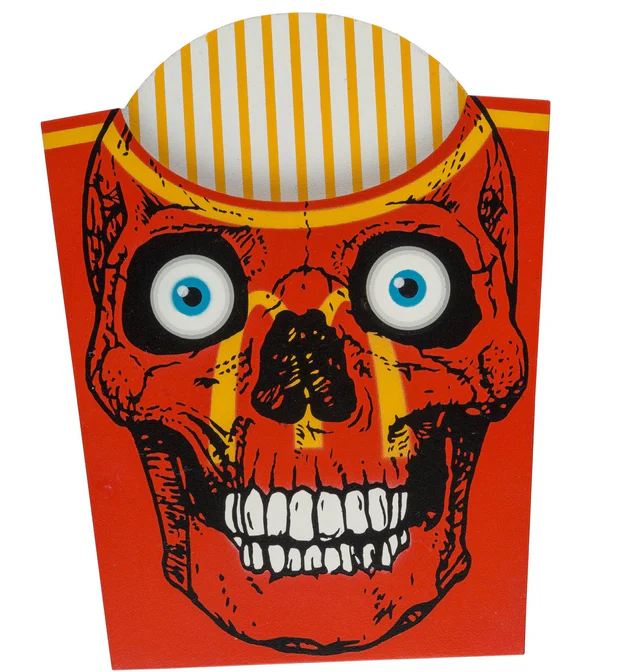
Food and eating, universal experiences intrinsic to human existence, have long served as rich subjects for artists, capturing their times' social and cultural ethos. In the domains of Street Pop Art and Graffiti Artwork, these motifs take on vibrant new life, reflecting the every day and the celebratory through bold colors, exaggerated forms, and the inherent commentary of the art forms. This artistic depiction of food not only tantalizes the senses but also symbolizes various aspects of culture, economy, and social dynamics. Food iconography in Street Pop Art is often amplified to hyperbolic proportions, mirroring contemporary society's consumerist culture and mass production of edibles. Here, artists may employ bright, attention-grabbing palettes and large-scale representations to mimic the overload of sensory information in advertising and media. Graffiti art, traditionally rebellious and provocative, can transform food into a symbol of societal consumption or a tool of critique, addressing issues like fast food culture, global hunger, or the commodification of natural resources. As Street Pop Art and Graffiti Artwork often operate in public spaces, depicting food and eating in these genres also directly engages with the community. These works can become interaction points, where the familiar subject of food invites viewers to engage with the art. These eliciting reactions range from hunger to humor to reflection on their eating habits and food sources.

Artistic Representation of Food in Urban Landscapes

Food-related graffiti becomes part of the city's visual and cultural fabric in urban landscapes, where the art of the street is as integral to the environment as the buildings and the bustling crowds. Artists might take a ubiquitous element of urban dining—like a slice of pizza or a hot dog—and elevate it to a symbolic status, encapsulating the essence of a city’s food scene. These depictions can become so iconic that they not only represent culinary preferences but also signify the identity of the place itself. The versatility of food as a subject allows artists to traverse from the literal to the symbolic, using it to communicate messages about consumption, waste, and the human condition. In some instances, food in Graffiti Artwork serves as a poignant reminder of the disparities in wealth and access to resources, with lavish food spreads painted in areas of poverty as a stark visual contrast to the lived reality of those who pass by. Moreover, the interactive nature of Street Pop Art means that food-related works are not just seen but can be used to engage the public in dialogue. These pieces can become backdrops for social gatherings, stages for performance art, or canvases for community participation, where the art evolves with the input of its audience.

Impact and Evolution of Food-Themed Artistry on the Streets

The impact of food-themed Street Pop Art and Graffiti Artwork is multi-layered, resonating with the observer on a personal and societal level. An individual may see a mural of a fruit-laden table and recall family gatherings. At the same time, another might interpret it as a commentary on agricultural bounty or a subtle critique of consumer excess. Such is the power of food in art—it speaks an intimate and universal language, personal and public. As Street Pop Art and Graffiti Artwork continue to evolve, so does the portrayal of food within these genres. What began as simple tagging or stenciling has become complex, thought-provoking installations. Artists have started incorporating actual food items into their works, blurring the lines between the culinary and visual arts and inviting an experiential interaction with the viewer that can be as brief as the food itself. Food and eating are not merely subjects for Street Pop Art and Graffiti Artwork; they are conduits for expression, reflection, and sometimes, revolution. These depictions can comfort or confront, reflecting the complexity of our relationship with food. Through the lens of these vibrant art forms, food is not just sustenance but a symbol, a statement, and a shared language in the urban landscape. Whether it serves to provoke thought, evoke nostalgia, or critique society, the representation of food in street art is as varied and rich as the culinary traditions that inspire it.
Footer image

© 2025 Sprayed Paint Art Collection,

    • Amazon
    • American Express
    • Apple Pay
    • Bancontact
    • Diners Club
    • Discover
    • Google Pay
    • iDEAL
    • Mastercard
    • PayPal
    • Shop Pay
    • Visa

    Login

    Forgot your password?

    Don't have an account yet?
    Create account