

Food & Eating
-

Vandul McVandul Walk Vinyl Art Toy by Vandul
McVandul Walk Vinyl Art Toy by Vandul Limited Edition Collectible Sculpture Figure Fine Artwork by Graffiti Pop Street Artist. 2025 Limited Edition of 100 Artwork Size 4x7 New In Box Stamped/Printed/COA Vinyl Fine Art Toy Figure Sculpture. McVandul Walk Vinyl Art Toy by Vandul Street Pop Art & Graffiti Artwork The McVandul Walk Vinyl Art Toy by graffiti pop street artist Vandul is a sharp critique of consumer culture, cleverly packaged in the form of a collectible fine art sculpture. Released as a 2025 limited edition of only 100 pieces, this 4x7 inch vinyl figure arrives new in box with a stamped Certificate of Authenticity, underscoring its exclusivity and value for collectors. Vandul’s work frequently merges toy culture with graffiti aesthetics, using familiar commercial imagery to spark dialogue about branding, identity, and the commodification of childhood nostalgia. This figure reimagines the instantly recognizable colors and patterns of a global fast-food icon through Vandul’s signature faceless, hooded character. Striped red-and-white sleeves, oversized yellow footwear, and a bright yellow head merge with a subtle slouched posture, suggesting both familiarity and anonymity. In typical Vandul style, the absence of facial features removes individuality, allowing the character to become a stand-in for anyone navigating an environment shaped by corporate influence. It is a reminder of how deeply consumer brands permeate personal and cultural identity. The packaging reinforces the piece’s commentary. The red box, adorned with a yellow stylized smile, echoes the playful branding of fast-food marketing while serving as a striking sculptural element in its own right. The large, graphic iconography feels both celebratory and satirical, pulling viewers into a tension between the joy of childhood memories and the realities of mass consumerism. The artist’s graffiti tag on the side asserts authorship in a format where branding typically dominates, flipping the narrative from corporate ownership to artistic reclamation. As a street pop art and graffiti artwork, McVandul Walk stands at the intersection of multiple creative disciplines — designer toys, sculptural street art, and visual satire. Vandul’s vinyl figures often function as portable sculptures, bridging the gap between gallery walls and urban interventions. This particular edition captures the essence of contemporary art collecting, where fine art toys have become highly sought-after for their cultural commentary as much as their craftsmanship. Vandul’s output continues to push the boundaries of how street art can be experienced beyond the wall. McVandul Walk is not simply a figure to be displayed; it is a compact statement on the influence of branding, the persistence of childhood imagery in adulthood, and the reclaiming of those visuals through the lens of graffiti culture. For collectors and fans of street pop art, this limited edition is both a conversation starter and a testament to Vandul’s sharp cultural observations.
$425.00
-
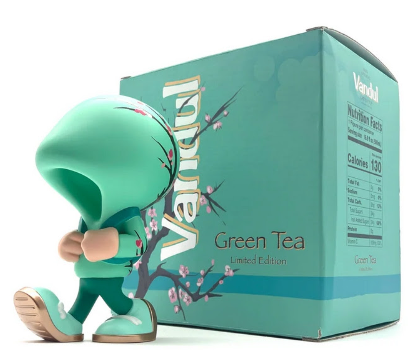
Vandul Green Tea Walk Resin Art Toy by Vandul
Green Tea Walk Art Toy by Vandul Limited Edition Resin Sculpture Collectible Artwork by Pop Street Artist. 2023 Limited Edition Art Toys Artwork Size 3x7 New In Box Stamped/Printed Painted Theme of the Arizona Green Tea Drink Can Logo of Flowering Tree. Exploring the Fusion of Street Pop Art & Graffiti Artwork in Modern Collectibles The contemporary art scene has been vibrantly enhanced by the introduction of art toys, particularly those steeped in the ethos of Street Pop Art and graffiti Artwork. A striking example of this cultural synergy is the "Green Tea Walk Art Toy by Vandul Limited Edition Resin Sculpture." This 2023 collectible is not just an object of visual delight but also a representation of the convergence of street art sensibilities and the collectible culture that is rising in popularity. Standing at an impressive 3x7 inches, this artwork is presented new in the box, showcasing its mint condition to collectors and enthusiasts alike. The ingenuity of Vandul, a noted pop street artist, is encapsulated in the limited edition resin sculpture, which reflects a distinct aesthetic drawn from the urban landscape. The figure, characterized by its exaggerated features and thoughtful color palette, epitomizes the playfulness and edginess that are hallmarks of Vandul's work. The sculpture's design is a commentary on the commercialization of art and the commodification of natural elements, as suggested by the green tea theme. This piece embodies the artist's critical eye and creative spirit, rendered three-dimensional. Each art toy comes stamped or printed with authentication marks, ensuring its uniqueness and value as a collectible artwork. The packaging is a part of the artistic expression, with designs that resonate with Vandul's signature style. This style often features elements borrowed from graffiti art, such as bold lines, vibrant colors, and iconic motifs. The fusion of these elements in the toy's design positions it as a coveted item for collectors who value the intersection of art and the urban environment. The Significance of Art Toys in the Landscape of Modern Art Art toys, like the Green Tea Walk Art Toy by Vandul, occupy a unique niche in modern art. They are a physical testament to the creativity and subversive energy that fuels the Street Pop Art and graffiti Artwork movement. These items are more than mere playthings; they are a medium through which artists can reach a wider audience, transcending the traditional gallery walls. Vandul's work with this piece indicates a more significant trend where artists use everyday objects as canvases for expression, bringing art into people's daily lives. The popularity of art toys also signals a shift in how art is consumed and appreciated. No longer confined to the elite spaces of art auctions and high-brow exhibitions, art is becoming more accessible, and collectible art toys are a testament to this democratization. They allow individuals to own a piece of an artist's vision, making personal and intimate connections with the work possible. The limited edition nature of such pieces adds an element of exclusivity and desirability, creating a niche market that is both culturally relevant and commercially viable. Vandul's Green Tea Walk Art Toy is particularly significant as it represents a snapshot of the current zeitgeist. It captures the playful yet poignant commentary on contemporary culture and its intersection with consumerism, often explored in Street Pop Art and graffiti Artwork. The limited edition status of the art toy ensures its value as a collectible, while its aesthetic appeal makes it an attractive display piece that sparks conversation and reflection. The art toy culture is expanding the boundaries of what art can be. It challenges preconceived notions of art's form and function, and in doing so, it invites a new audience to engage with artistic expression. Vandul's Green Tea Walk Art Toy is a prime example of this evolution, a collectible that is as much a piece of art as a statement, a reflection of its time, and a playful nod to the future of artistic expression.
$353.00