


Games and Their Evolution in Street Pop Art and Graffiti Artwork
The intersection of gaming culture with street pop art and graffiti artwork represents a significant shift in how games are perceived and integrated into contemporary art. Once confined to the digital realm and private spaces, games have spilled over into the streets, providing a rich tapestry for artists to draw from. This convergence has given rise to a unique fusion where the virtual and the urban intermingle, creating a vibrant subculture that celebrates gaming through the lens of street aesthetics. Several video games feature graffiti and street art as significant aspects of the gameplay or the game world. Some of these games include Jet Set Radio (Jet Grind Radio in the US), A classic game released in 2000 for the Sega Dreamcast. Jet Set Radio has players controlling a group of rollerblading graffiti artists in a cel-shaded, futuristic version of Tokyo. The goal is to tag various locations throughout the city while avoiding the police and rival gangs. Marc Ecko's Getting Up: Contents Under Pressure: This 2006 game follows a graffiti artist named Trane as he explores the city of New Radius, tagging various spots to gain notoriety and respect. The game features a strong emphasis on street art and hip-hop culture. Graffiti Kingdom: A 2005 action-adventure game for the PlayStation 2, Graffiti Kingdom allows players to create graffiti creatures to help them solve puzzles and defeat enemies. The game combines platforming with an extensive character creation system. Subway Surfers: A popular mobile endless runner game, Subway Surfers has players taking on the role of a graffiti artist who must evade the police while running through various cityscapes. Players can collect coins and power-ups while avoiding obstacles and trains. Slaps and Beans: A 2018 action-adventure game, Slaps and Beans features iconic Italian movie characters Bud Spencer and Terence Hill in a quest to save their hometown from an evil developer. One of the mini-games within the game involves creating graffiti art. These games incorporate graffiti and street art in different ways, either as a central gameplay mechanic or as an integral part of the game's aesthetic and world-building.Pixelated Streets: The Aesthetic of Gaming in Urban Art
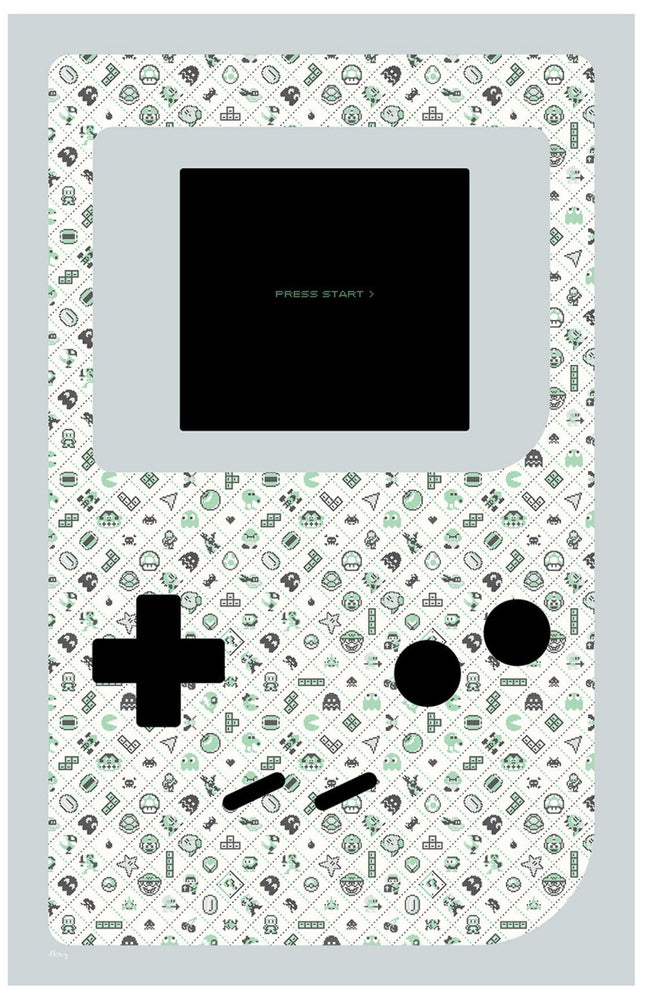
With its pixelated graphics and iconic characters, street pop art has adopted and adapted the visual language of video games, creating a new vocabulary that resonates with a generation brought up on digital play. This can be seen in the work of Invader, the pseudonym of a French urban artist known for his distinctive creations inspired by retro 8-bit video games. His mosaics, which adorn city walls around the world, are not just tributes to the games themselves but also commentaries on the increasingly pixelated nature of our reality, where digital and physical worlds collide. The characters and motifs from games serve as modern hieroglyphs in the hands of graffiti artists. These symbols are imbued with layers of meaning, often reflecting on nostalgia, the passage of time, and the universality of the gaming experience. In the dynamic field of street pop art, the appropriation of these gaming elements goes beyond mere representation; it becomes a dialogue about the permeation of digital culture into every facet of our lives.Gaming Icons as Cultural Commentators
In graffiti artwork, gaming icons articulate social and political messages. The vibrant palettes of video games starkly contrast the often grey urban environments, serving as a form of escapism while simultaneously making a statement. Painting a gaming character on a wall reclaims public space, turning passive structures into active participants in the cultural conversation. This use of gaming imagery within street art is a complex matter of pop culture reference. Instead, it is a nuanced exploration of games' role in shaping our identities and society. By placing game characters in unexpected contexts or combining them with unpredictable elements, artists like Banksy, who remains anonymous, challenge observers to reflect on the impact of gaming on our collective consciousness. The play becomes profound, inviting contemplation on how games influence our understanding of reality, community, and morality.From Subculture to Mainstream: The Legitimization of Gaming in Art
The inclusion of gaming in street pop art and graffiti artwork has played a significant role in legitimizing games as a cultural form worthy of artistic exploration. Games are no longer seen merely as entertainment; they are recognized for their artistic merit and potential to convey complex narratives and emotional experiences. This shift is evident in renowned artists' embrace of gaming iconography and the increasing prevalence of game-inspired art in galleries and public spaces. The dialogue between games and street art also highlights the transformative power of play. Games, like art, can be a form of resistance, a way to reimagine the world and our place. Street pop art and graffiti artwork elevate the game from a digital pastime to a catalyst for social engagement and change. They mirror games' playful yet profound role in modern culture, reminding us that play is not just a diversion but a fundamental part of the human experience.In summary, the realm of games has found a complementary spirit in street pop art and graffiti artwork. The cross-pollination of these forms has enriched both, creating a shared space where the virtual and the real can coexist and converse. It is a testament to the power of games to transcend their origins and become a vital part of our cultural narrative, as well as to the ability of street art to capture the pulse of contemporary life in all its pixelated, playful glory.