
Versatility of Gray/Grey Art and Graffiti Artwork
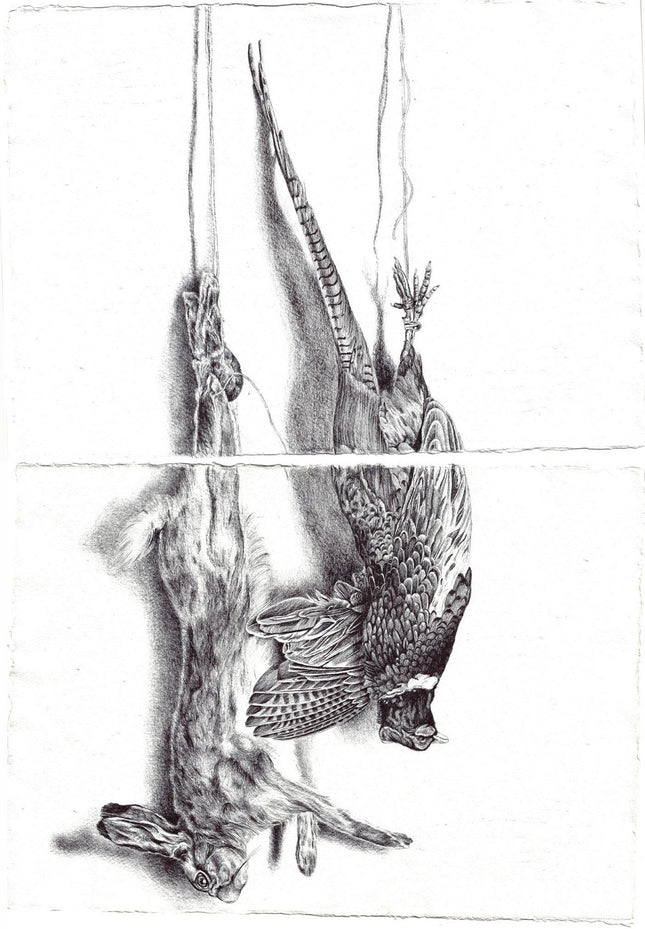
Gray is a versatile color in graffiti street art and can be used in various ways to create unique and striking pieces. Although gray might be considered less vibrant than other colors, it has its aesthetic value and can be used effectively to create depth, dimension, and contrast in graffiti art. Here are a few ways gray can be used in graffiti street art: Backgrounds: Gray can be an excellent choice for backgrounds as it allows more vibrant colors to stand out. It can create a sense of depth, highlighting the foreground elements of the piece. Shading and 3D effects: Gray is perfect for adding shading and 3D effects to graffiti art. By using different shades of gray, artists can create an illusion of depth and volume, giving their artwork a more realistic and dynamic appearance. Grayscale: A grayscale graffiti piece can be a powerful artistic statement, showcasing the artist's skills in using various shades of gray. It can create a moody and atmospheric feel and often stands out due to its distinct visual style. Contrast: Gray can be used alongside brighter colors to create contrast, drawing attention to particular elements of the artwork. For example, gray can outline vibrant letters or figures, making them pop against the background. Texture: Gray can add texture to surfaces or objects within the graffiti piece. Artists can experiment with techniques such as stippling, hatching, or spray paint drips to create exciting textures using gray. Monochromatic designs: Gray can be used in monochromatic designs, where a single color is used in various shades to create the artwork. This can produce a subtle yet sophisticated look, highlighting the artist's skill in manipulating tones and shades. In conclusion, while gray might not be the most vibrant color, it has excellent potential in graffiti street art. Its versatility allows artists to create unique, eye-catching pieces demonstrating creativity and skill.The Significance of Gray in Street Pop Art and Graffiti Artwork
Gray, often perceived as a neutral or even mundane color, is surprisingly vital in street pop art and graffiti artwork. This color, embodying shades that range from near-white to almost black, provides a versatile and often underappreciated canvas for urban artists. In the context of street art, gray is not merely a background color; it is a powerful tool that can convey depth, emotion, and context, significantly impacting the meaning and aesthetics of the artwork. In the vibrant world of street pop art and graffiti, gray often balances the more vivid colors typically used. This balancing act is not merely visual but extends to the thematic and emotional realms of the artwork. For instance, when juxtaposed with brighter hues, gray can create a sense of depth and seriousness, lending a grounding effect to otherwise exuberant pieces. This interplay of color allows street artists to convey more nuanced messages and evoke a more comprehensive range of emotions in their audience. By using gray, artists can subtly shift the focus of a piece, guiding the viewer's eye and attention in specific directions and adding layers of meaning that might otherwise be overlooked. The diversity within the spectrum of gray is another aspect that makes it invaluable in street art and graffiti. From the soft, subtle tones of light gray to the bold, imposing presence of dark gray, each shade offers a different mood and atmosphere. Lighter grays can give a sense of openness and airiness, often used to create a sense of space or to highlight other elements within a piece.In contrast, darker grays can convey a sense of weight and gravity, providing a stark background against which other components can stand out. This range of tones allows artists to experiment with light, shadow, and form, creating complex and visually engaging pieces. Gray's association with urban environments makes it a relevant and resonant choice for street artists. The color is often linked with concrete, metal, and the monochromatic palette of the cityscape. By incorporating gray into their work, artists can reflect the environment around them, creating pieces that feel inherently connected to the urban landscape. This connection can make the art more relatable and impactful for viewers who live in and navigate these environments daily.
Additionally, gray has a unique ability to bridge the traditional divide between color and monochrome. In street pop art and graffiti, where the interplay of color is often a defining characteristic, gray can serve as a neutral ground. It can enhance the vibrancy of other colors or stand-alone in monochromatic pieces that focus on texture, shape, and line. This versatility makes gray a favorite among artists looking to explore a more subdued or minimalist aesthetic without losing the complexity and depth that characterizes street art. The use of gray in street art and graffiti is also a nod to the historical and cultural contexts in which these art forms have developed. Gray is often associated with industrialization, modernity, and the urban experience – themes central to street art's narrative. By using gray, artists can engage with these themes, creating works that comment on the urban condition, the human experience in modern societies, or the intersection of nature and the built environment. In contemporary street art, gray is also increasingly seen as a deliberate choice in a genre known for its bold use of color. In this context, opting for gray can be a statement – a way for artists to stand out and communicate more reflective, critical, or subtle messages. It allows for a different kind of engagement with the viewer, which requires a closer look and a deeper consideration to appreciate the nuances of the artworkentire fully. Gray is multifaceted and significant in street pop art and graffiti artwork. Far from being just a background color, it is a powerful tool in the artist's palette, capable of adding depth, emotion, and context to a piece. Whether used independently or in conjunction with other colors, gray offers a spectrum of possibilities, allowing artists to explore themes of balance, contrast, and the urban environment. As street art continues to evolve, the use of gray is likely to remain a key element, reflecting the complexity and richness of the urban canvas.