Gray/Grey

17 artworks

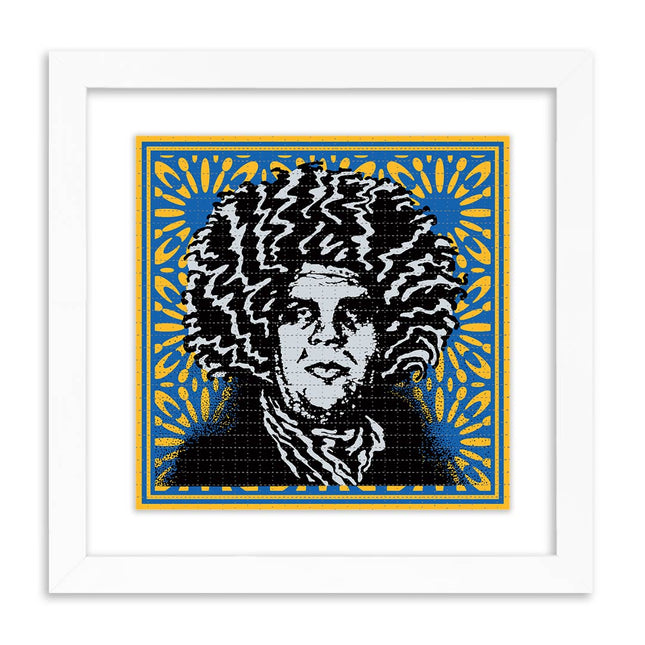
  • Psychedelic Andre- Pinnacle Blue Blotter Paper Print by Shepard Fairey- OBEY

    Shepard Fairey- OBEY Psychedelic Andre- Pinnacle Blue Blotter Paper Print by Shepard Fairey- OBEY

    Psychedelic Andre- Pinnacle Blue Blotter Paper Limited Edition Archival Pigment Print Art on Perforated Blotter Paper by Shepard Fairey X John Van Hamersveld pop culture LSD artwork. "I first made this image in 1967, and then the poster came out in 1968. One day I sat down and started this drawing out of my style. I had been an art director at Capitol Records, and I hadn't been drawing very much. It was a whole new state I was in. But it was an opportunity to test my drawing and put it into a poster and have it published. It all came out great. It was a fantastic show. There were ads everywhere and people loved the poster. It just started to become a piece of history right away, much like The Endless Summer poster." - John Van Hamersveld "I became a fan of Hendrix after I exited my punk rock orthodoxy phase. I ended up gravitating towards John's image because it had that nod to psychedelia, without going so overboard in the baroque detail, that it remained iconic. This Hendrix image itself — along with a few other influences, like Barbara Kruger and Russian Constructivism — was a huge influence in how I was going to make work that had the ability to cut through the clutter of what's on the street and still have a recognizable style. When I was just making variations of the Andre on the different backgrounds, I was looking at a lot of psychedelic work, but John's piece really inspired me to make something that was a deviation from just playing it safe with the original Andre image. So John's Pinnacle Hendrix was sort of a gateway to the evolution of my entire Andre The Giant project. I can't really understate the importance of this image for me." - Shepard Fairey

    $384.00

  • Cosmic Vacation Blotter Paper Archival Print by Bunnie Reiss

    Bunnie Reiss Cosmic Vacation Blotter Paper Archival Print by Bunnie Reiss

    Cosmic Vacation Blotter Paper Limited Edition Archival Pigment Print Art on Perforated Blotter Paper by Bunnie Reiss pop culture LSD artwork. Archival Pigment Print on Perforated Blotter Paper Size: 7.5 x 7.5 Inches Release: April 19, 2021 Limited blotter editions are hand-perforated by Zane Kesey & may vary slightly from the example shown.

    $352.00

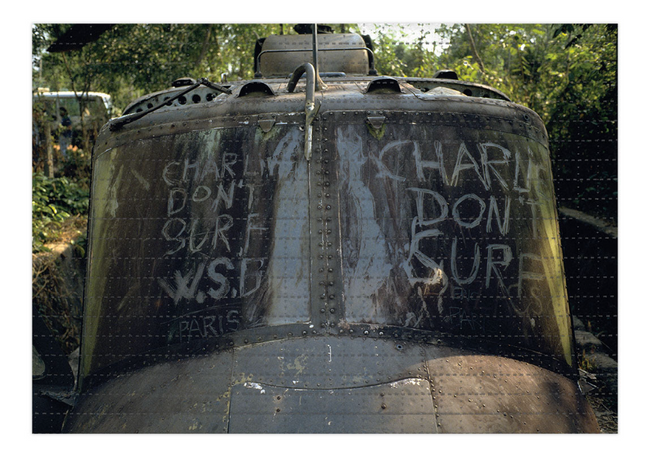
  • Charlie Don't Surf Blotter Paper Archival Print by Tim Page

    Tim Page Charlie Don't Surf Blotter Paper Archival Print by Tim Page

    Charlie Don't Surf Blotter Paper Archival Print by Tim Page Limited Edition Fine Art Archival Pigment Print Art on Perforated Blotter Paper. 2019 Signed & Numbered Limited Edition of XXX Archival Pigment Print on Perforated Blotter Paper Size: 7.5x5 Inches Limited blotter editions are hand-perforated by Zane Kesey. Tim Page, an author and photojournalist, was responsible for capturing some of the most unforgettable images of the Vietnam War. He was also a keen observer of the counter culture of the 60s and 70s, constantly snapping photographs of it. Page's thrill-seeking nature led him to be wounded in battle four times, yet he remained undeterred. He had an eccentric personality, which inspired Dennis Hopper's character in the famous movie Apocalypse Now. Page's fascinating life has been the subject of numerous documentaries, two films, and ten books. He even served as the UN's Photographic Peace Ambassador in Afghanistan for two years. Recently, he was recognized as one of the "100 Most Influential Photographers of All Time."

    $363.00

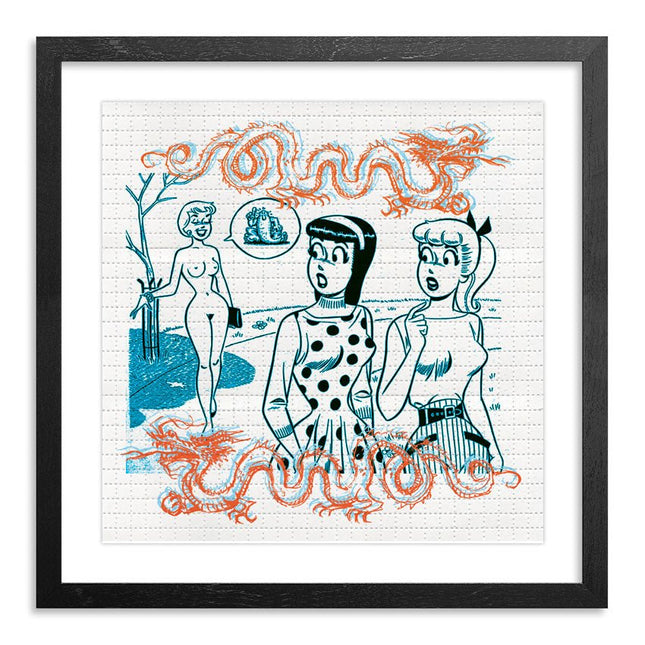
  • Acid B & V Blotter Paper Archival Print by Glenn Barr

    Glenn Barr Acid B & V Blotter Paper Archival Print by Glenn Barr

    Acid B & V Blotter Paper Limited Edition Archival Pigment Print Art on Perforated Blotter Paper by Glenn Barr pop culture LSD artwork. Glenn Barr's surreal creatures, specters and tragic characters live in a seedy universe, drenched in the grit and haze of a post-apocalyptic urban dreamscape. His Detroit work has been labeled Pop Surrealism, Pop Pluralism, Lowbrow, Regional, Outsider, Ashcan or as he coins the phrase “B Cultural-ism”.

    $352.00

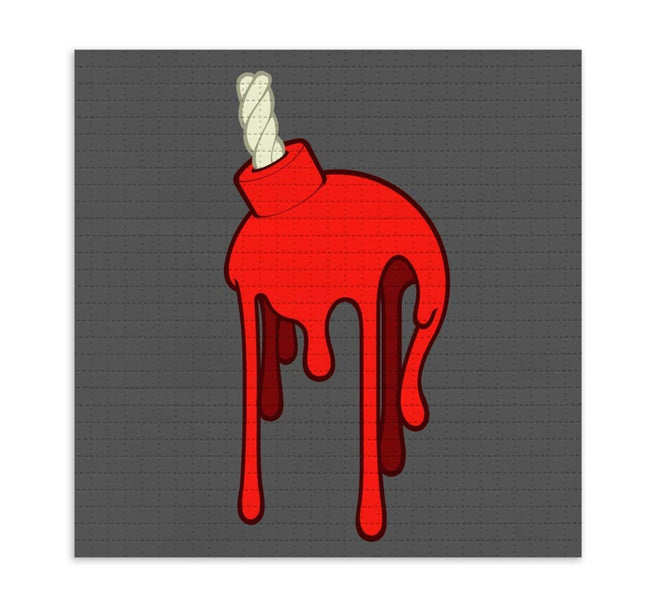
  • Melting Bomb Blotter Paper Archival Print by Jason Freeny

    Jason Freeny Melting Bomb Blotter Paper Archival Print by Jason Freeny

    Melting Bomb Blotter Paper Limited Edition Archival Pigment Print Art on Perforated Blotter Paper by Jason Freeny pop culture LSD artwork. Archival Pigment Print on Perforated Blotter Paper Size: 7.5 x 7.5 Inches Release: April 19, 2021 These limited blotter editions are hand-perforated by Zane Kesey. The alignment of the perforations over the artwork may vary slightly from the example shown.

    $352.00

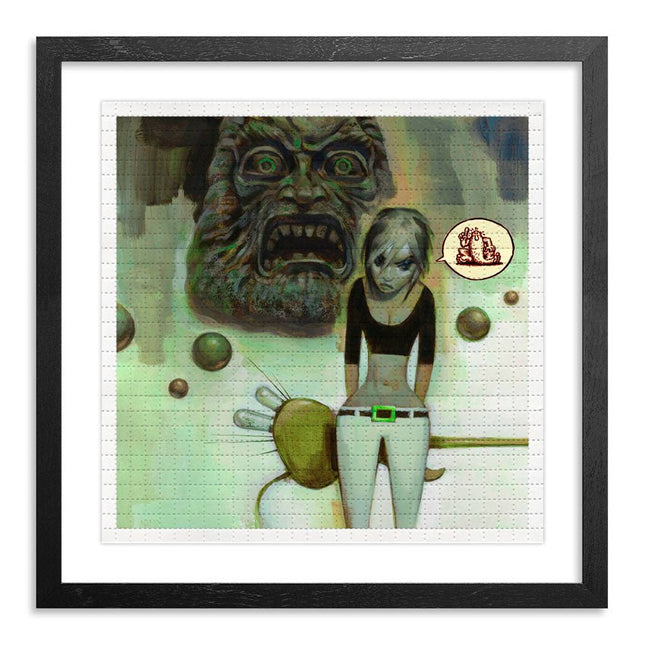
  • Herold of Z Blotter Paper Archival Print by Glenn Barr

    Glenn Barr Herold of Z Blotter Paper Archival Print by Glenn Barr

    Herold of Z Blotter Paper Limited Edition Archival Pigment Print Art on Perforated Blotter Paper by Glenn Barr pop culture LSD artwork. Glenn Barr's surreal creatures, specters and tragic characters live in a seedy universe, drenched in the grit and haze of a post-apocalyptic urban dreamscape. His Detroit work has been labeled Pop Surrealism, Pop Pluralism, Lowbrow, Regional, Outsider, Ashcan or as he coins the phrase “B Cultural-ism”.

    $352.00

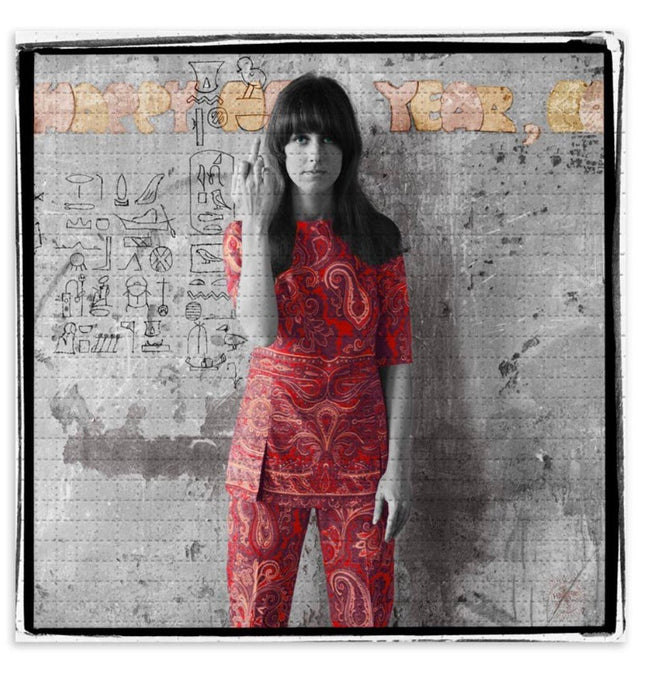
  • Say Goodnight Gracie Blotter Paper Archival Print by Herbie Greene

    Herbie Greene Say Goodnight Gracie Blotter Paper Archival Print by Herbie Greene

    Say Goodnight Gracie Blotter Paper Limited Edition Archival Pigment Print Art on Perforated Blotter Paper by Herbie Greene pop culture LSD artwork. 2021 Signed & Numbered with COA Archival Pigment Print on Perforated Blotter Paper Artwork Size: 7.5 x 7.5 Inches Release: April 19, 2021. Limited blotter editions are hand-perforated by Zane Kesey. Say Goodnight Gracie by Herbie Greene: Blotter Paper Resistance in Street Pop Art & Graffiti Artwork Say Goodnight Gracie is a 7.5 x 7.5 inch archival pigment print on perforated blotter paper by Herbie Greene, released on April 19, 2021. Signed and numbered with a certificate of authenticity, each piece in this limited edition was hand-perforated by Zane Kesey, reinforcing its symbolic roots in psychedelic counterculture. The print features a black-and-white photograph of Grace Slick, the iconic frontwoman of Jefferson Airplane, overlaid with colorized elements including a paisley red outfit and piercing cyan eyes. The backdrop includes Egyptian-inspired sketches and faded, spray-painted text reading Happy New Year, creating a layered composition that mixes defiance, memory, and cultural critique. Herbie Greene, a legendary photographer from the United States, was known for capturing defining moments of the 1960s San Francisco music scene. This print is more than just a photo—it is a protest embedded in a relic. Slick’s expression and raised middle finger become the central focal point, offering a timeless act of rebellion immortalized through photographic grit and street-inflected style. The surrounding textures—worn concrete, hand-drawn symbols, and fading graffiti—echo the raw surfaces used in Street Pop Art & Graffiti Artwork, reinforcing the voice of anti-establishment figures who spoke through walls, posters, and sound. Grace Slick, Counterculture, and the Power of Visual Protest The image of Grace Slick in Say Goodnight Gracie resonates deeply with the cultural spirit of the 1960s and its aftermath. Slick's role as a voice of psychedelic rock and protest was unmistakable, and this moment of visual resistance encapsulates that spirit perfectly. She does not perform; she confronts. Her multicolored attire, contrasted against a grayscale background, draws attention to individuality and dissent amidst uniformity and decay. The visual isolation of colorized features within a monotone space mimics the effect of street stenciling or wheatpaste posters, techniques commonly used in urban protest art to highlight voices against a muted backdrop of authority. The print format on blotter paper is significant. It bridges the documentation of music history with the tangible aesthetics of drug culture and underground art. Zane Kesey’s involvement in hand-perforating the editions ties this piece directly to the visual traditions of LSD blotter art, where iconography often merged political satire, celebrity, and surrealism. This connection reinforces the idea of art not just as commentary, but as a vehicle of transformation—mental, social, and spiritual. The Urban Palimpsest as Art Form Herbie Greene’s composition in Say Goodnight Gracie operates like an urban palimpsest. Layers of history, rebellion, femininity, and symbolism are built into every detail. The hieroglyph-like drawings add an archaeological tone, suggesting lost messages or forgotten rituals that still echo in the present. The crumbling wall texture and ghosted graffiti add urgency and vulnerability, as if the image could fade at any moment—just like the posters pasted on city walls, fleeting yet unforgettable. This quality is central to Street Pop Art & Graffiti Artwork, where temporality, public visibility, and emotion collide to create impact. Grace Slick’s raised hand and unflinching gaze are a signal, not just a pose. They challenge the viewer to consider where protest lives today. In Greene’s composition, the past is not frozen but reanimated on blotter paper, a medium that has transported minds beyond the visible world for decades. This visual dialogue between photography, protest, and psychedelic symbolism speaks not just to nostalgia but to the ongoing role of image as resistance. Herbie Greene and the Documentation of Rebellion Herbie Greene’s work captures moments that transcend the frame. By reissuing Say Goodnight Gracie on perforated blotter paper, he transforms documentation into object, memory into statement, and portrait into symbol. This choice elevates the piece beyond archival photography into the arena of Street Pop Art & Graffiti Artwork, where message and method matter equally. Greene, born in the United States, became known for his close work with artists like Jefferson Airplane, the Grateful Dead, and Janis Joplin. His lens documented a generation seeking transformation, and in this work, that spirit persists—vivid, fierce, and permanent on a medium built for moments that change everything. Say Goodnight Gracie is not just a tribute to a music icon. It is a distilled act of visual rebellion, sharpened by decades of cultural memory and executed on one of the most subversive print surfaces in art history. It offers a flash of resistance captured in time, formatted for the hand, the wall, and the mind alike.

    $631.00

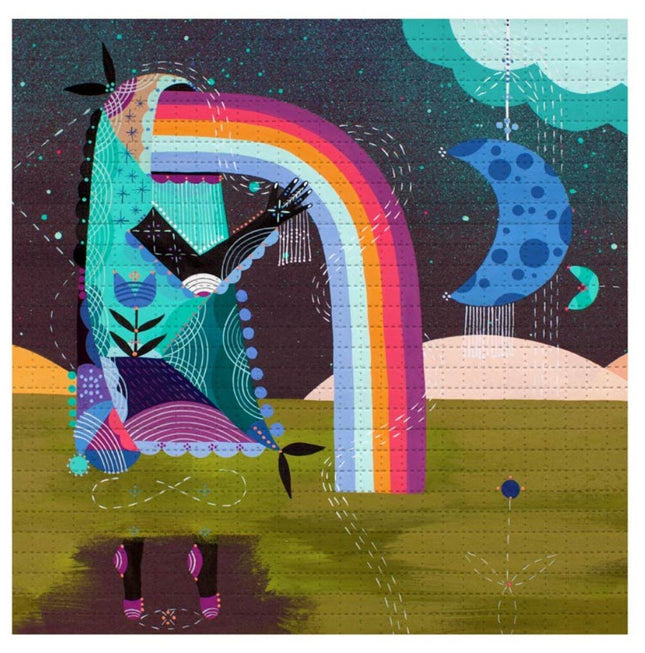
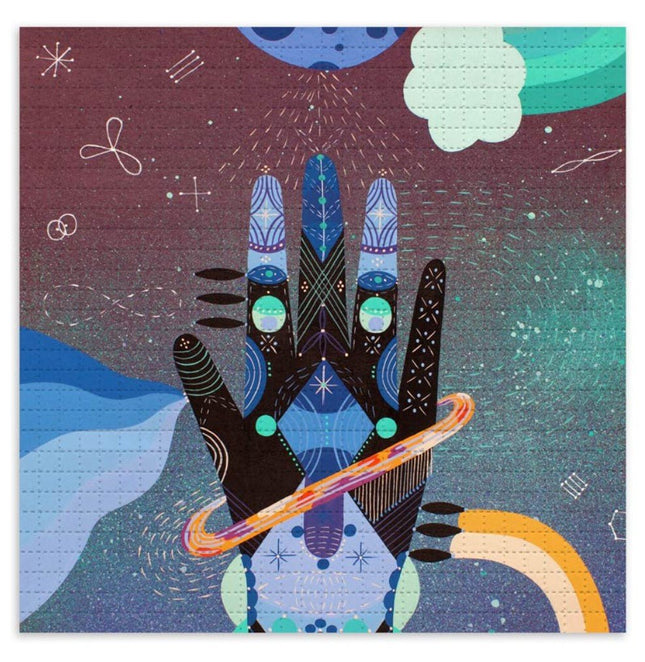
  • Space Hand Blotter Paper Archival Print by Bunnie Reiss

    Bunnie Reiss Space Hand Blotter Paper Archival Print by Bunnie Reiss

    Space Hand Blotter Paper Limited Edition Archival Pigment Print Art on Perforated Blotter Paper by Bunnie Reiss pop culture LSD artwork. Archival Pigment Print on Perforated Blotter Paper Size: 7.5 x 7.5 Inches Release: April 19, 2021 Limited blotter editions are hand-perforated by Zane Kesey & may vary slightly from the example shown.

    $352.00

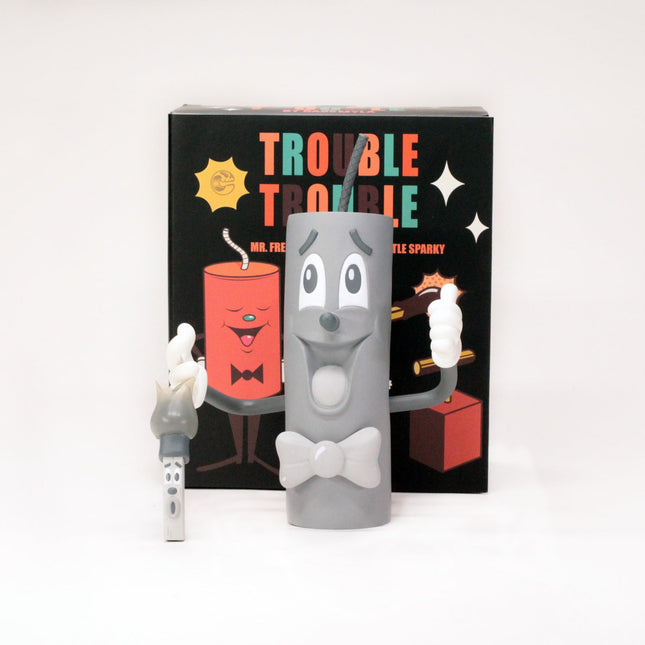
  • Double Trouble Trouble Mono Art Toy Print by Dabs Myla

    Dabs Myla Double Trouble Trouble Mono Art Toy Print by Dabs Myla

    Double Trouble Trouble- Mono Limited Edition Vinyl Art Toy Collectible Artwork by street graffiti artist Dabs Myla. 2016 Limited Edition of 100 The duo of DabsMyla recently released their first designer toy, Trouble Trouble, in partnership with Munky King. Featuring 7.5" tall dynamite stick Mr. Freddy Powerful and his best buddy, the lit match Little Sparky. Displayed With Box

    $263.00

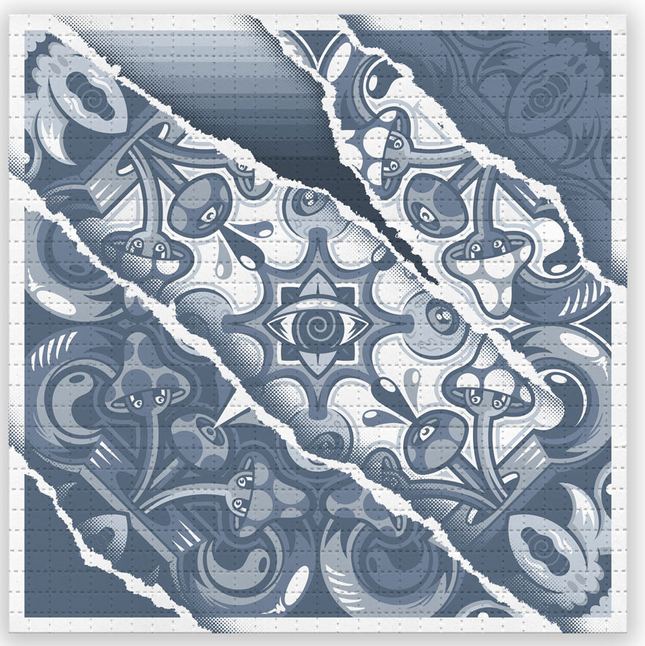
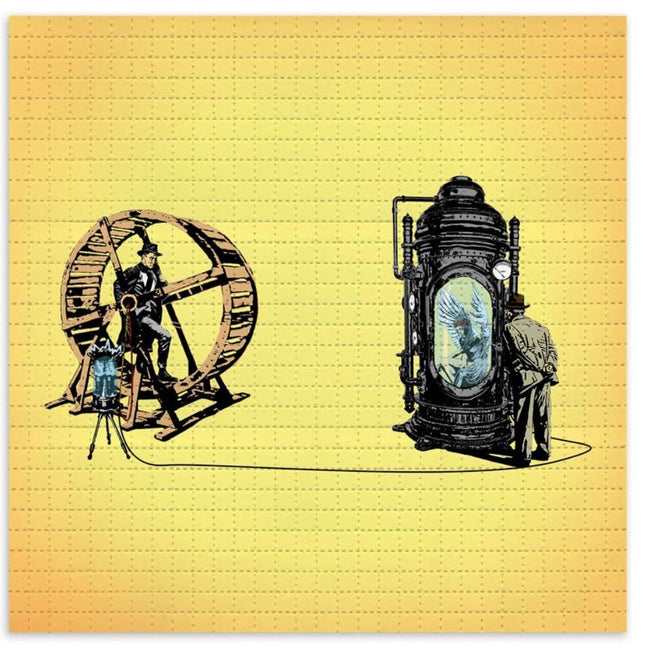
  • AZ397 Trippin' Grey Blotter Paper Archival Print by Add Fuel

    Add Fuel AZ397 Trippin' Grey Blotter Paper Archival Print by Add Fuel

    AZ397 Trippin' Grey Blotter Paper Archival Print by Add Fuel Limited Edition Fine Art Archival Pigment Print Art on Perforated Blotter Paper. 2022 Signed & Numbered Limited Edition of 75 Archival Pigment Print on Perforated Blotter Paper Size: 7.5 x 7.5 Inches Release: April 19, 2022 Limited blotter editions are hand-perforated by Zane Kesey.

    $472.00

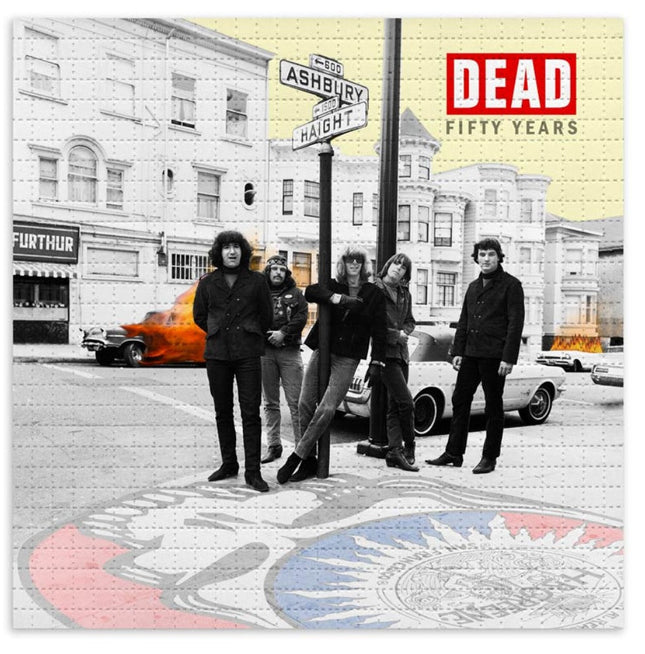
  • Dead On Blotter Paper Archival Print by Herbie Greene

    Herbie Greene Dead On Blotter Paper Archival Print by Herbie Greene

    Dead On Blotter Paper Limited Edition Archival Pigment Print Art on Perforated Blotter Paper by Herbie Greene pop culture LSD artwork. 2021 Signed & Numbered with COA Archival Pigment Print on Perforated Blotter Paper Artwork Size: 7.5 x 7.5 Inches Release: April 19, 2021. Limited blotter editions are hand-perforated by Zane Kesey. Dead On by Herbie Greene: Grateful Dead, Haight-Ashbury, and the Psychedelic Core of Street Pop Art & Graffiti Artwork Dead On is a 7.5 x 7.5 inch archival pigment print on perforated blotter paper by Herbie Greene, released April 19, 2021, as a signed and numbered limited edition. Each print includes a certificate of authenticity and was hand-perforated by Zane Kesey, reinforcing the historical tie to LSD blotter art. This striking composition, both nostalgic and confrontational, features a black-and-white image of the Grateful Dead standing on the iconic corner of Haight and Ashbury in San Francisco. Greene injects color sparingly but strategically: flames erupt from a vintage car, the sidewalk bursts with a red-white-and-blue Steal Your Face logo, and the text DEAD FIFTY YEARS glows in red and gold in the upper right corner. The result is a collision of eras, attitudes, and iconography that embodies the rebellious core of Street Pop Art & Graffiti Artwork. Herbie Greene, born in the United States, rose to prominence documenting the psychedelic explosion of the 1960s, especially as the unofficial photographer of the Grateful Dead. In Dead On, he transforms a historic moment into a symbolic monument of counterculture energy. The band's casual stance at the heart of San Francisco's hippie revolution feels timeless and alive, made more powerful by the blotter format. LSD and the Dead have long shared intertwined legacies, and placing this image on perforated paper makes the print an artifact of both visual and chemical transformation. Greene's use of selective color against grayscale lends a raw immediacy that echoes the emotional sharpness found in wheatpaste murals, stencil tags, and handmade gig posters. Documenting Counterculture Through Psychedelic Media The corner of Haight and Ashbury is not just a location in this print—it is a symbol of a social and artistic uprising that defined an era. By capturing the Grateful Dead there, Herbie Greene documents more than a band. He preserves a time when art, music, and consciousness were all being redefined through collective experimentation and resistance. The vintage cars, residential buildings, and storefronts are left untouched in grayscale, reinforcing the photographic reality of the moment, while the graffiti-like color accents bring the spirit of protest, psychedelia, and spiritual fire to the forefront. The use of blotter paper adds a deeper layer of symbolism. This was not a material chosen for novelty. It is a deliberate nod to the role visual art played in enhancing or reflecting LSD experiences during the 1960s and beyond. Zane Kesey’s involvement in perforating the print adds continuity to that history. His connection to the original Merry Pranksters and his stewardship of psychedelic print traditions ensure that each sheet holds more than ink—it carries the energy of a cultural lineage that never stopped questioning the status quo. Visual Resistance and the Street Pop Art Aesthetic Dead On blurs the line between documentation and confrontation. The addition of fire—literally exploding from the background—turns a peaceful street portrait into a moment of surreal spectacle. The visual message aligns closely with the tenets of Street Pop Art & Graffiti Artwork, where public spaces are transformed through color, message, and distortion. The Dead’s stoic faces contrast with the intensity of the fire and the bold pop typography, creating a tension between calm defiance and burning revolution. This technique of mixing photographic realism with stylized additions mirrors the way street artists use paste-ups or painted overlays on photographs or prints in urban spaces. It evokes a world where memory is always edited by experience, where sacred moments can be revisited and recontextualized through art. By adding a psychedelic floor mural and ominous flames, Greene does not just celebrate the past—he reimagines it for now. The message becomes one of persistence, cultural renewal, and unfiltered truth. Herbie Greene and the Printed Memory of Sound and Vision Herbie Greene’s contribution to American visual culture spans music, photography, and psychedelic art. Through Dead On, he presents not just a band, not just a corner, but a living monument to a movement that still resonates today. The Grateful Dead’s relationship with visual art has always been central to their mythos—from album covers to poster design—and Greene’s work amplifies that history with a tactile surface that recalls a time when the experience of seeing was inseparable from the experience of feeling. Dead On is more than a photograph. It is a constructed memory made physical on a material that once altered consciousness and inspired revolution. It speaks to the roots of Street Pop Art & Graffiti Artwork, where visual language is raw, urgent, and built for both permanence and decay. With this piece, Herbie Greene secures a place where nostalgia is not passive and history remains lit with the fires of psychedelic rebellion.

    $631.00

  • Bronx Legend Blotter Paper Archival Print by Cope2- Fernando Carlo

    Cope2- Fernando Carlo Bronx Legend Blotter Paper Archival Print by Cope2- Fernando Carlo

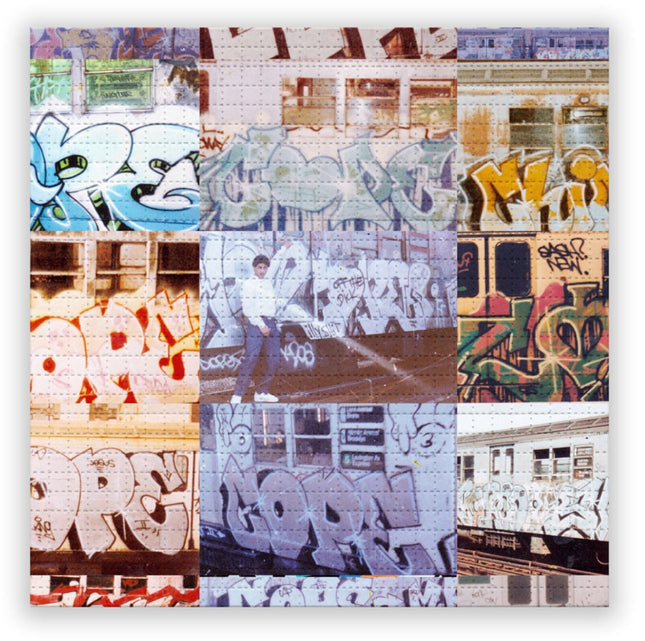
    Bronx Legend Limited Edition Fine Art Blotter Paper Archival Pigment Print Art on Perforated Blotter Paper by Modern Pop Artist Cope2. Archival Pigment Print on Perforated Blotter Paper Size: 7.5 x 7.5 Inches Release: April 19, 2022 Limited blotter editions are hand-perforated by Zane Kesey.

    $352.00

  • 9th Division Trooper On The Y Bridge Mini Tet Saigon 1968 Blotter Paper Print by Tim Page

    Tim Page 9th Division Trooper On The Y Bridge Mini Tet Saigon 1968 Blotter Paper Print by Tim Page

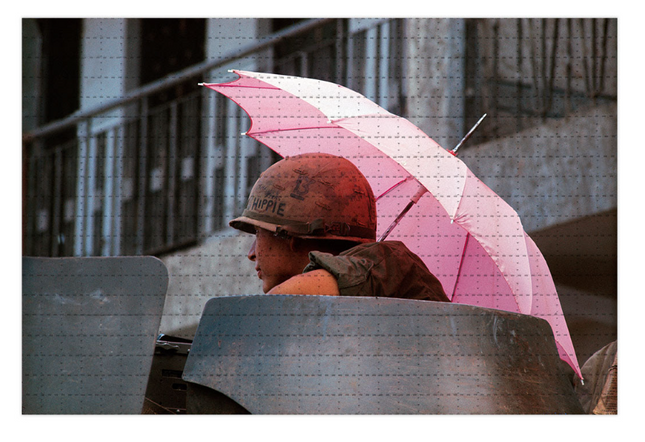
    Charlie Don't Surf Blotter Paper Archival Print by Tim Page Limited Edition Fine Art Archival Pigment Print Art on Perforated Blotter Paper. 2019 Signed & Numbered Limited Edition of XXX Archival Pigment Print on Perforated Blotter Paper Size: 7.5x5 Inches Limited blotter editions are hand-perforated by Zane Kesey. Tim Page, a photojournalist and author, had a remarkable ability to capture the counterculture of the 60s and 70s through his lens, particularly during the Vietnam War. Despite sustaining injuries in battle four times, Page's unwavering passion for adventure drove him forward. His quirky personality, which drew inspiration from his eccentric nature, served as the basis for the character played by Dennis Hopper in the iconic movie Apocalypse Now. Page's extraordinary life has been featured in numerous documentaries, ten books, and two films, and he even served as the UN's Photographic Peace Ambassador in Afghanistan for two years. Recently, he has been recognized as one of the "100 Most Influential Photographers of All Time," securing his place in the annals of celebrated artists.

    $363.00

  • Boba Something In The Tea Blotter Paper Archival Print by Luke Chueh

    Luke Chueh Boba Something In The Tea Blotter Paper Archival Print by Luke Chueh

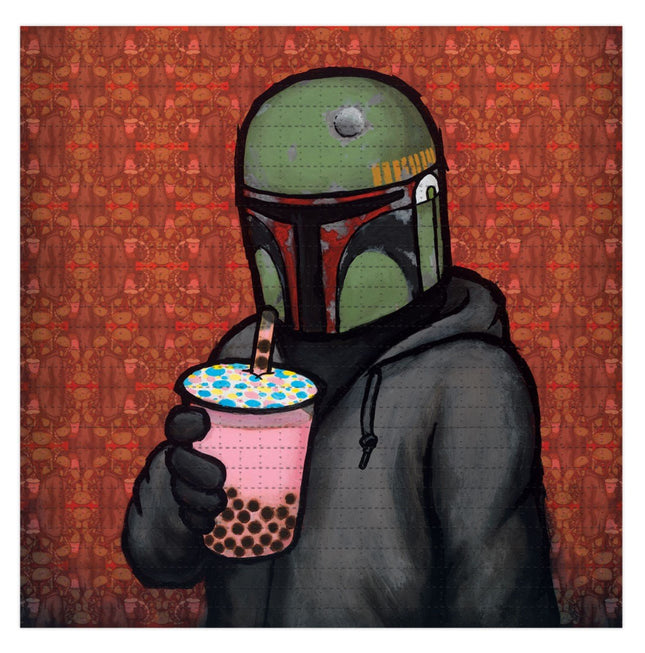
    Boba- Something In The Tea Blotter Paper Limited Edition Archival Pigment Print Art on Perforated Blotter Paper by Luke Chueh Pop Culture LSD Artwork. 2019 Signed Limited Edition of 100. Archival Pigment Print on Perforated Blotter Paper Size: 7.5 x 7.5 Inches Release: April 19, 2019 Run of: 100 Limited blotter editions are hand-perforated & may vary slightly from the example shown.

    $524.00

  • LA Cat Trooper Blotter Paper Archival Print by Brian Viveros

    Brian Viveros LA Cat Trooper Blotter Paper Archival Print by Brian Viveros

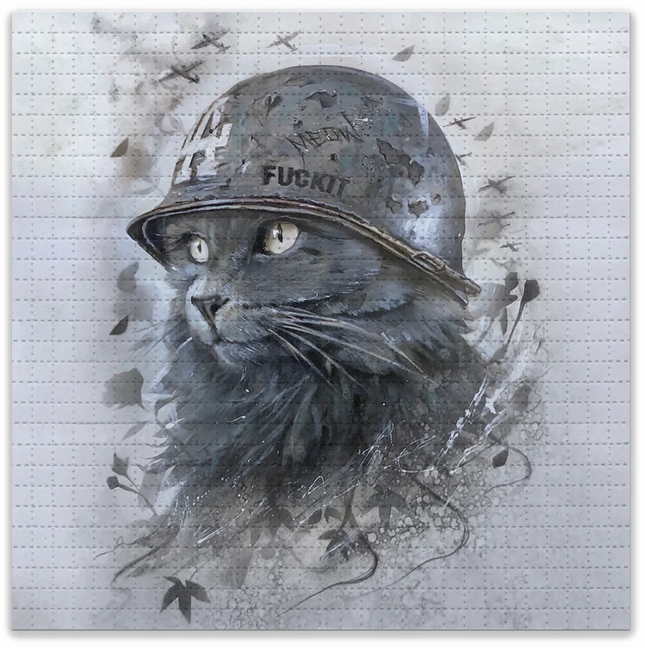
    LA Cat Trooper Blotter Paper Archival Print by Brian Viveros Limited Edition Fine Art Archival Pigment Print Art on Perforated Blotter Paper. 2023 Signed & Numbered Limited Edition of 50 Archival Pigment Print on Perforated Blotter Paper Size: 7.5 x 7.5 Inches Release: April 19, 2023 Limited blotter editions are hand-perforated by Zane Kesey. Blotter paper, a type of thick absorbent paper, is traditionally used in fields like chemistry for drying samples or in the art world for watercolor painting. However, it has found a unique niche in the world of graffiti and street art for the creation of "blotter art", which is often associated with psychedelic art due to its historical use as a medium for distributing LSD. Experience the convergence of fine art and counterculture with our Fine Art Archival Prints on Perforated Blotter LSD Paper. These prints, a nod to the psychedelic era, are designed to deliver stunning visual impact. They are printed on high-quality blotter paper, which was traditionally used for LSD tabs, but now repurposed for this unique art form. Each piece is a work of masterful creativity, providing an experience that is both aesthetically pleasing and culturally significant. Printed with archival inks to ensure longevity, these prints are not only collectibles but also lasting symbols of a vibrant subculture.

    $360.00

  • Last Angel LSD Blotter Paper Archival Print by MAD

    Mad Last Angel LSD Blotter Paper Archival Print by MAD

    Last Angel LSD Blotter Paper Limited Edition Archival Pigment Print Art on Perforated Blotter Paper by MAD pop culture LSD artwork. 2021 Signed & Numbered Limited Edition of 35 Artwork Size 7.5x7.5 Archival Pigment Print on Perforated Blotter Paper Size: 7.5 x 7.5 Inches Release: April 19, 2021. Limited blotter editions are hand-perforated by Zane Kesey & may vary slightly from the example shown.

    $352.00

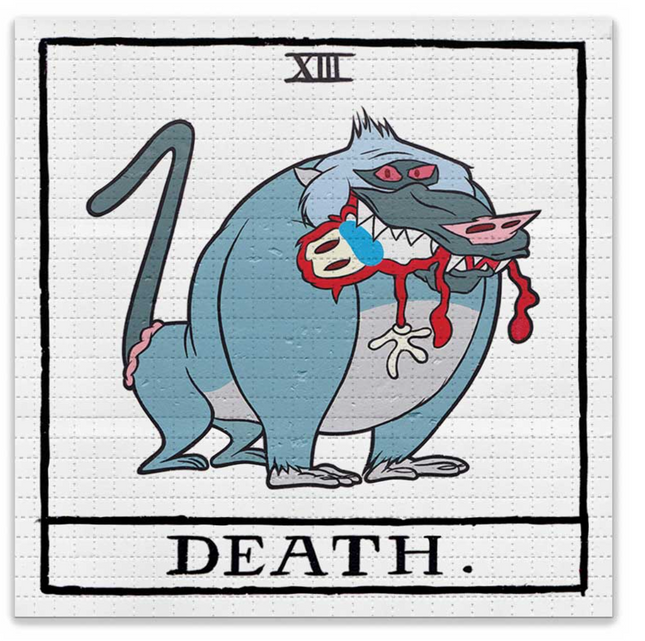
  • Baboons Ate My Pants Blotter Paper Archival Print by Skel

    Skel Baboons Ate My Pants Blotter Paper Archival Print by Skel

    Baboons Ate My Pants Blotter Paper Archival Print by Skel Limited Edition Fine Art Archival Pigment Print Art on Perforated Blotter Paper. 2023 Signed & Numbered Limited Edition of 40 Archival Pigment Print on Perforated Blotter Paper Size: 7.5 x 7.5 Inches Release: April 19, 2023 Ren & Stimpy Monkey Ape Tarot Card Limited blotter editions are hand-perforated by Zane Kesey. Blotter paper artwork prints are a unique form of art that involves transferring ink onto specially treated blotter paper. The resulting prints are often abstract and colorful, and can be used for a variety of decorative and artistic purposes. To create a blotter paper artwork print, the artist first prepares the blotter paper by treating it with chemicals that will enhance its absorbency and ability to hold ink or dye. Then, ink or dye is applied to the paper using various techniques, such as dripping, pouring, or spraying. The paper is left to dry, and the resulting print is then carefully removed from the blotter paper. Archival printing techniques are used to produce high-quality prints of the original artwork. This involves using high-quality inks and paper that are designed to last for a long time without fading or deteriorating. Archival prints are also resistant to moisture and sunlight, which helps to preserve the artwork for years to come. Blotter paper artwork prints can be a great addition to any home or office decor, and they are often used as a unique form of wall art. They are also popular among collectors and art enthusiasts, as each print is one-of-a-kind and can never be replicated exactly.

    $360.00

Gray/Grey Color Graffiti Street Pop Artwork

Versatility of Gray/Grey Art and Graffiti Artwork

Gray is a versatile color in graffiti street art and can be used in various ways to create unique and striking pieces. Although gray might be considered less vibrant than other colors, it has its aesthetic value and can be used effectively to create depth, dimension, and contrast in graffiti art. Here are a few ways gray can be used in graffiti street art: Backgrounds: Gray can be an excellent choice for backgrounds as it allows more vibrant colors to stand out. It can create a sense of depth, highlighting the foreground elements of the piece. Shading and 3D effects: Gray is perfect for adding shading and 3D effects to graffiti art. By using different shades of gray, artists can create an illusion of depth and volume, giving their artwork a more realistic and dynamic appearance. Grayscale: A grayscale graffiti piece can be a powerful artistic statement, showcasing the artist's skills in using various shades of gray. It can create a moody and atmospheric feel and often stands out due to its distinct visual style. Contrast: Gray can be used alongside brighter colors to create contrast, drawing attention to particular elements of the artwork. For example, gray can outline vibrant letters or figures, making them pop against the background. Texture: Gray can add texture to surfaces or objects within the graffiti piece. Artists can experiment with techniques such as stippling, hatching, or spray paint drips to create exciting textures using gray. Monochromatic designs: Gray can be used in monochromatic designs, where a single color is used in various shades to create the artwork. This can produce a subtle yet sophisticated look, highlighting the artist's skill in manipulating tones and shades. In conclusion, while gray might not be the most vibrant color, it has excellent potential in graffiti street art. Its versatility allows artists to create unique, eye-catching pieces demonstrating creativity and skill.

The Significance of Gray in Street Pop Art and Graffiti Artwork

Gray, often perceived as a neutral or even mundane color, is surprisingly vital in street pop art and graffiti artwork. This color, embodying shades that range from near-white to almost black, provides a versatile and often underappreciated canvas for urban artists. In the context of street art, gray is not merely a background color; it is a powerful tool that can convey depth, emotion, and context, significantly impacting the meaning and aesthetics of the artwork. In the vibrant world of street pop art and graffiti, gray often balances the more vivid colors typically used. This balancing act is not merely visual but extends to the thematic and emotional realms of the artwork. For instance, when juxtaposed with brighter hues, gray can create a sense of depth and seriousness, lending a grounding effect to otherwise exuberant pieces. This interplay of color allows street artists to convey more nuanced messages and evoke a more comprehensive range of emotions in their audience. By using gray, artists can subtly shift the focus of a piece, guiding the viewer's eye and attention in specific directions and adding layers of meaning that might otherwise be overlooked. The diversity within the spectrum of gray is another aspect that makes it invaluable in street art and graffiti. From the soft, subtle tones of light gray to the bold, imposing presence of dark gray, each shade offers a different mood and atmosphere. Lighter grays can give a sense of openness and airiness, often used to create a sense of space or to highlight other elements within a piece.
In contrast, darker grays can convey a sense of weight and gravity, providing a stark background against which other components can stand out. This range of tones allows artists to experiment with light, shadow, and form, creating complex and visually engaging pieces. Gray's association with urban environments makes it a relevant and resonant choice for street artists. The color is often linked with concrete, metal, and the monochromatic palette of the cityscape. By incorporating gray into their work, artists can reflect the environment around them, creating pieces that feel inherently connected to the urban landscape. This connection can make the art more relatable and impactful for viewers who live in and navigate these environments daily.
Additionally, gray has a unique ability to bridge the traditional divide between color and monochrome. In street pop art and graffiti, where the interplay of color is often a defining characteristic, gray can serve as a neutral ground. It can enhance the vibrancy of other colors or stand-alone in monochromatic pieces that focus on texture, shape, and line. This versatility makes gray a favorite among artists looking to explore a more subdued or minimalist aesthetic without losing the complexity and depth that characterizes street art. The use of gray in street art and graffiti is also a nod to the historical and cultural contexts in which these art forms have developed. Gray is often associated with industrialization, modernity, and the urban experience – themes central to street art's narrative. By using gray, artists can engage with these themes, creating works that comment on the urban condition, the human experience in modern societies, or the intersection of nature and the built environment. In contemporary street art, gray is also increasingly seen as a deliberate choice in a genre known for its bold use of color. In this context, opting for gray can be a statement – a way for artists to stand out and communicate more reflective, critical, or subtle messages. It allows for a different kind of engagement with the viewer, which requires a closer look and a deeper consideration to appreciate the nuances of the artworkentire fully. Gray is multifaceted and significant in street pop art and graffiti artwork. Far from being just a background color, it is a powerful tool in the artist's palette, capable of adding depth, emotion, and context to a piece. Whether used independently or in conjunction with other colors, gray offers a spectrum of possibilities, allowing artists to explore themes of balance, contrast, and the urban environment. As street art continues to evolve, the use of gray is likely to remain a key element, reflecting the complexity and richness of the urban canvas.
Footer image

© 2025 Sprayed Paint Art Collection,

    • Amazon
    • American Express
    • Apple Pay
    • Bancontact
    • Diners Club
    • Discover
    • Google Pay
    • iDEAL
    • Mastercard
    • PayPal
    • Shop Pay
    • Visa

    Login

    Forgot your password?

    Don't have an account yet?
    Create account