Gray/Grey

2 artworks

  • The Hapico Machina AP Archival Print by Yosuke Ueno

    Yosuke Ueno The Hapico Machina AP Archival Print by Yosuke Ueno

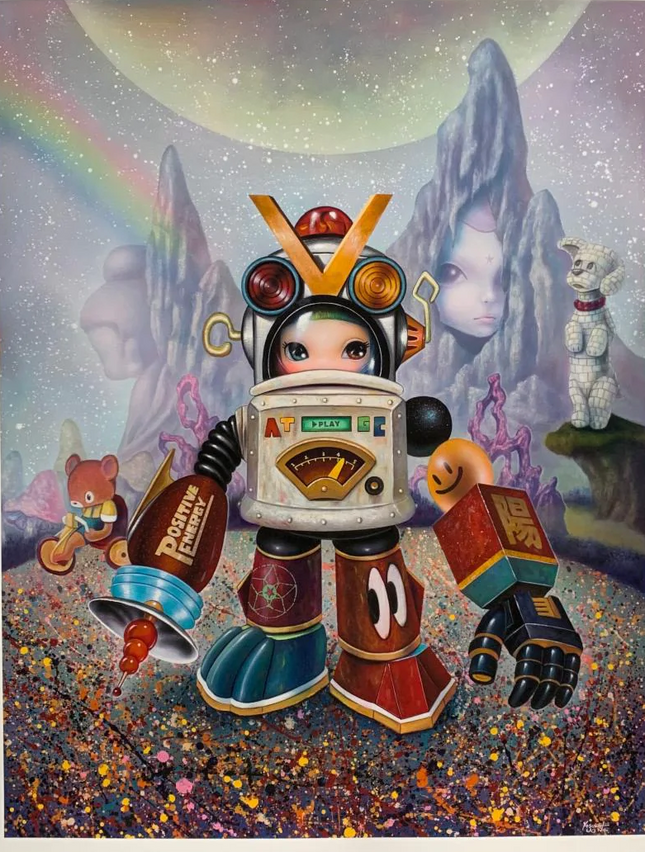
    The Hapico Machina AP Archival Print by Yosuke Ueno Archival Pigment Fine Art Limited Edition Print on 300gsm Signa Smooth Cotton Rag Paper Pop Artist Modern Artwork. AP Artist Proof 2021 Signed & Marked AP Limited Edition of 50 Artwork Size 28x35.5 Large Format Archival Print of A Asian Anime Inspired Girl In Robot Surrounded By Elements of Fantasy and Sci-Fi. The "Hapico Machina" AP Archival Print is an embodiment of the intricate and whimsical work of Yosuke Ueno. Reflecting the unmistakable aesthetic influences of modern pop art, this piece intertwines elements of fantasy, street art, and science fiction. Crafted in 2021, Ueno's masterpiece is an artist proof, a special distinction in the world of fine art, emphasizing its exclusivity. This particular piece is marked 'AP' and has been signed by the artist himself, fortifying its authenticity and rarity with only 50 such editions available. Crafted on a 300gsm Signa Smooth Cotton Rag Paper, the texture and weight of the medium ensure the durability and longevity of the print. The choice of the paper complements the vibrancy of the pigments used, allowing for the rich colors and intricate details of the artwork to stand out. Spanning an impressive 28x35.5 inches, this large format print captivates the viewer with its expansive narrative canvas. Central to the artwork is an Asian Anime-inspired girl encapsulated within a robot, an embodiment of the seamless blend of organic and mechanistic elements. Her expressive eyes provide a window into her soul, juxtaposing the cold, mechanical exterior of her robotic suit. Surrounding her are myriad symbols and elements that evoke a sense of wonder and delve deep into the realms of fantasy. The interspersion of mountains, rainbows, and dreamlike creatures in the backdrop further accentuates the artwork's ethereal quality. Yosuke Ueno's "Hapico Machina" stands as a testament to the evolution of pop art. By fusing traditional street art and graffiti influences with contemporary themes and anime aesthetics, Ueno has carved a niche for himself in the global art scene. His work, especially pieces like this, challenges conventions and invites viewers to immerse themselves in a universe where the boundaries between reality and imagination blur.

    $1,341.00

  • Way of the Cross Silver Obscure Serigraph Print by Zes Zeser

    Zes Zeser Way of the Cross Silver Obscure Serigraph Print by Zes Zeser

    Way of the Cross Silver Obscure Serigraph Print by Zes Zeser Limited Edition Hand Pulled Artwork on Fine Art Paper Modern Street Graffiti Pop Artist. 2014 Signed & Numbered Limited Edition of 25 Artwork Size 28x19.5 With Artist Signed COA Way of the Cross Silver Obscure Serigraph Print by Zes Zeser Way of the Cross Silver by Zes Zeser is a haunting visual document steeped in the tension and silence that defines the urban environment after dark. Released in 2014 as a signed and numbered limited edition of only 25, this 28x19.5 inch serigraph pushes the language of Street Pop Art & Graffiti Artwork into poetic, cinematic terrain. Printed on fine art paper through traditional hand-pulled screen print techniques, the piece captures a uniquely nocturnal visual experience with a stark monochromatic silver palette that references both the photographic roots of graffiti documentation and the emotional gravity of solitary exploration. Atmosphere and Iconography in Urban Decay The piece presents a lone figure standing on a lattice of metal girders, possibly a bridge or part of industrial infrastructure, with the electrical wires above and the sprawl of Los Angeles dimly glowing in the background. The central subject faces away from the viewer, anonymous yet human, framed by a linear burst of converging lines formed by both architectural elements and the city’s electrical veins. The title, Way of the Cross, evokes religious pilgrimage, struggle, and suffering—a layered allusion that transforms this suspended moment into a metaphor for endurance and isolation in contemporary city life. The visual elements suggest risk, abandonment, and confrontation with personal demons, all hallmarks of Zes Zeser’s intensely autobiographical approach to street art. Zes Zeser’s Impact on Street Art Culture Zes Zeser, known for his deep roots in the Los Angeles graffiti scene, blends raw graffiti aesthetics with a refined compositional eye often associated with gallery work. His use of grayscale, combined with sparse but precise composition, bridges the divide between photographic realism and the ephemeral energy of graffiti bombing. With a background as both a vandal and a trained artist, Zeser’s serigraphs like this one become maps of his emotional and physical journeys across the city, often created under duress, in the margins of legality and personal risk. Way of the Cross Silver represents a crystallization of Zeser’s dual identity—anonymous tagger and fine art practitioner. The bleak elegance of the piece is intensified by the use of silver ink, which gives the work a cold, reflective quality, enhancing the mood of desolation and existential weight. The limited edition run of just 25, each signed and accompanied by a Certificate of Authenticity, cements its place as a collector’s artifact that merges subcultural graffiti heritage with contemporary art relevance. A Cinematic Freeze Frame in the Urban Landscape This artwork is more than a static image; it functions as a freeze-frame of movement, a visual distillation of street-level poetry. It occupies a space between documentary and dreamscape, a whispered narrative about the soul of a city as experienced by those who climb, tag, and wander its skeletal scaffolding under cover of darkness. In the context of Street Pop Art & Graffiti Artwork, Way of the Cross Silver remains a bold testament to introspection amidst chaos—silent, silver-toned, and unforgettable.

    $500.00

Gray/Grey Color Graffiti Street Pop Artwork

Versatility of Gray/Grey Art and Graffiti Artwork

Gray is a versatile color in graffiti street art and can be used in various ways to create unique and striking pieces. Although gray might be considered less vibrant than other colors, it has its aesthetic value and can be used effectively to create depth, dimension, and contrast in graffiti art. Here are a few ways gray can be used in graffiti street art: Backgrounds: Gray can be an excellent choice for backgrounds as it allows more vibrant colors to stand out. It can create a sense of depth, highlighting the foreground elements of the piece. Shading and 3D effects: Gray is perfect for adding shading and 3D effects to graffiti art. By using different shades of gray, artists can create an illusion of depth and volume, giving their artwork a more realistic and dynamic appearance. Grayscale: A grayscale graffiti piece can be a powerful artistic statement, showcasing the artist's skills in using various shades of gray. It can create a moody and atmospheric feel and often stands out due to its distinct visual style. Contrast: Gray can be used alongside brighter colors to create contrast, drawing attention to particular elements of the artwork. For example, gray can outline vibrant letters or figures, making them pop against the background. Texture: Gray can add texture to surfaces or objects within the graffiti piece. Artists can experiment with techniques such as stippling, hatching, or spray paint drips to create exciting textures using gray. Monochromatic designs: Gray can be used in monochromatic designs, where a single color is used in various shades to create the artwork. This can produce a subtle yet sophisticated look, highlighting the artist's skill in manipulating tones and shades. In conclusion, while gray might not be the most vibrant color, it has excellent potential in graffiti street art. Its versatility allows artists to create unique, eye-catching pieces demonstrating creativity and skill.

The Significance of Gray in Street Pop Art and Graffiti Artwork

Gray, often perceived as a neutral or even mundane color, is surprisingly vital in street pop art and graffiti artwork. This color, embodying shades that range from near-white to almost black, provides a versatile and often underappreciated canvas for urban artists. In the context of street art, gray is not merely a background color; it is a powerful tool that can convey depth, emotion, and context, significantly impacting the meaning and aesthetics of the artwork. In the vibrant world of street pop art and graffiti, gray often balances the more vivid colors typically used. This balancing act is not merely visual but extends to the thematic and emotional realms of the artwork. For instance, when juxtaposed with brighter hues, gray can create a sense of depth and seriousness, lending a grounding effect to otherwise exuberant pieces. This interplay of color allows street artists to convey more nuanced messages and evoke a more comprehensive range of emotions in their audience. By using gray, artists can subtly shift the focus of a piece, guiding the viewer's eye and attention in specific directions and adding layers of meaning that might otherwise be overlooked. The diversity within the spectrum of gray is another aspect that makes it invaluable in street art and graffiti. From the soft, subtle tones of light gray to the bold, imposing presence of dark gray, each shade offers a different mood and atmosphere. Lighter grays can give a sense of openness and airiness, often used to create a sense of space or to highlight other elements within a piece.
In contrast, darker grays can convey a sense of weight and gravity, providing a stark background against which other components can stand out. This range of tones allows artists to experiment with light, shadow, and form, creating complex and visually engaging pieces. Gray's association with urban environments makes it a relevant and resonant choice for street artists. The color is often linked with concrete, metal, and the monochromatic palette of the cityscape. By incorporating gray into their work, artists can reflect the environment around them, creating pieces that feel inherently connected to the urban landscape. This connection can make the art more relatable and impactful for viewers who live in and navigate these environments daily.
Additionally, gray has a unique ability to bridge the traditional divide between color and monochrome. In street pop art and graffiti, where the interplay of color is often a defining characteristic, gray can serve as a neutral ground. It can enhance the vibrancy of other colors or stand-alone in monochromatic pieces that focus on texture, shape, and line. This versatility makes gray a favorite among artists looking to explore a more subdued or minimalist aesthetic without losing the complexity and depth that characterizes street art. The use of gray in street art and graffiti is also a nod to the historical and cultural contexts in which these art forms have developed. Gray is often associated with industrialization, modernity, and the urban experience – themes central to street art's narrative. By using gray, artists can engage with these themes, creating works that comment on the urban condition, the human experience in modern societies, or the intersection of nature and the built environment. In contemporary street art, gray is also increasingly seen as a deliberate choice in a genre known for its bold use of color. In this context, opting for gray can be a statement – a way for artists to stand out and communicate more reflective, critical, or subtle messages. It allows for a different kind of engagement with the viewer, which requires a closer look and a deeper consideration to appreciate the nuances of the artworkentire fully. Gray is multifaceted and significant in street pop art and graffiti artwork. Far from being just a background color, it is a powerful tool in the artist's palette, capable of adding depth, emotion, and context to a piece. Whether used independently or in conjunction with other colors, gray offers a spectrum of possibilities, allowing artists to explore themes of balance, contrast, and the urban environment. As street art continues to evolve, the use of gray is likely to remain a key element, reflecting the complexity and richness of the urban canvas.
Footer image

© 2025 Sprayed Paint Art Collection,

    • Amazon
    • American Express
    • Apple Pay
    • Bancontact
    • Diners Club
    • Discover
    • Google Pay
    • iDEAL
    • Mastercard
    • PayPal
    • Shop Pay
    • Visa

    Login

    Forgot your password?

    Don't have an account yet?
    Create account