Green

2 artworks

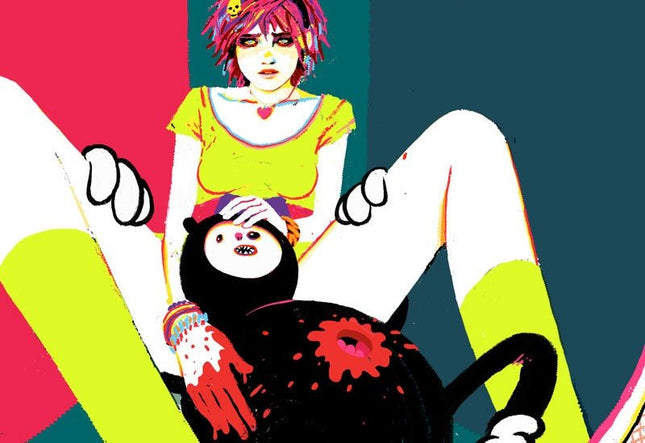
  • Where Does Time Go Giclee Print by Barnaby Ward

    Barnaby Ward Where Does Time Go Giclee Print by Barnaby Ward

    Where Does Time Go Artwork Giclee Limited Edition Print on 100% Cotton Rag Archival Paper by Pop Culture Graffiti Artist Barnaby Ward. This is a gallery-quality giclée art print on 100% cotton rag archival paper, printed with archival inks. Each art print is listed by sheet size and features a minimum one-inch border.

    $217.00

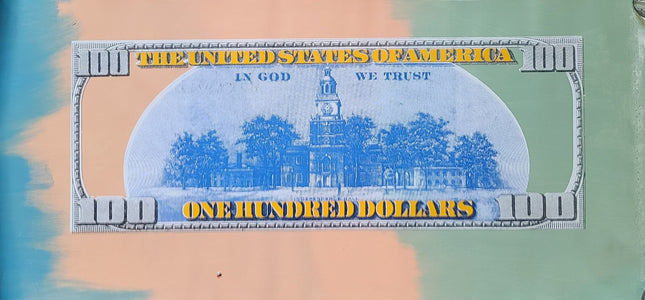
  • Sale -15% $100 Dollar Bill Backside HPM Serigraph Print by Steve Kaufman SAK

    Steve Kaufman SAK $100 Dollar Bill Backside HPM Serigraph Print by Steve Kaufman SAK

    $100 Dollar Bill- Backside Limited Edition Hand-Embellished Oil Paint HPM Silkscreen Print on Canvas by Steve Kaufman SAK Graffiti Street Artist Modern Pop Art. 1995 Signed & Numbered Limited Edition of 100 Artwork Size 34x15 Unstretched canvas, the image is in perfect condition. Back of the United States $100 dollar bill money from the 1990s. $100 Dollar Bill- Backside Limited Edition Hand-Embellished Oil Paint HPM Silkscreen Print on Canvas by Steve Kaufman The $100 Dollar Bill- Backside silkscreen print on canvas by Steve Kaufman is a striking example of street pop art and graffiti artwork that captures the essence of American consumer culture and wealth symbolism. Created in 1995, this signed and numbered hand-embellished oil paint HPM (Hand-Painted Multiple) is part of a limited edition of 100. Measuring 34x15 inches on unstretched canvas, this piece presents a visually compelling reinterpretation of the back of a 1990s United States $100 bill. Kaufman’s distinctive approach to printmaking, combined with his background in graffiti and modern pop art, makes this artwork a significant statement within the genre. Steve Kaufman’s Influence on Street Pop Art Steve Kaufman, often referred to by his initials SAK, was a pivotal figure in contemporary street pop art. As a former assistant to Andy Warhol, Kaufman developed his own signature style that blended commercial iconography with hand-painted elements. His work frequently centered on themes of capitalism, mass production, and American identity, utilizing recognizable imagery such as currency, famous celebrities, and consumer products. This piece, depicting the back of a $100 bill, is a prime example of his ability to elevate everyday symbols into fine art. By incorporating graffiti-inspired aesthetics with screen printing techniques, Kaufman transformed traditional art forms into something dynamic and relevant to the modern era. His ability to merge street culture with fine art galleries made him a bridge between two artistic worlds. This limited edition print, with its rich colors and textured embellishments, continues his legacy of challenging conventional notions of value, art, and commerce. The Symbolism of Money in Modern Pop Art The use of currency as a subject in modern pop art has deep historical roots, often serving as a critique of wealth, power, and societal values. Kaufman’s portrayal of the $100 bill’s backside takes a familiar object and recontextualizes it through color, scale, and artistic intervention. The presence of Independence Hall in the composition is particularly significant, symbolizing the intersection of American history and contemporary consumer culture. This piece is more than just a reproduction of money—it becomes a meditation on the influence of wealth and financial systems in art and daily life. Kaufman’s choice to hand-embellish each print adds a layer of uniqueness, reinforcing the idea that even in a world driven by mass production, individuality and artistic expression remain essential. The bold use of color and contrast amplifies the visual impact, making the print stand out as both a statement piece and a collector’s item. A Collector’s Piece with Lasting Impact This $100 Dollar Bill- Backside print holds a special place in the world of limited edition street pop art and graffiti artwork. As an unstretched canvas, it offers flexibility for framing and display, allowing collectors to showcase it in a way that best fits their aesthetic. Kaufman’s legacy as a groundbreaking artist continues to thrive, and his works are highly sought after for their cultural relevance and visual appeal. For art enthusiasts and collectors who appreciate the fusion of graffiti, pop culture, and fine art, this piece serves as a powerful representation of Kaufman’s vision. It encapsulates the bold, unapologetic nature of street pop art while remaining deeply tied to the broader narrative of American economic and artistic history.

    $1,917.00 $1,629.00

Green

Emerald Tones: The Use of Green in Street Pop Art and Graffiti Artwork

Green's Emergence in Urban Visual Culture

Green, the color of nature and rebirth, has made a significant leap from the natural world into the urban jungle, asserting its presence within street pop art and graffiti artwork. As a color, green has the unique ability to convey a wide range of emotions and messages, from tranquility and growth to envy and vigor. Within street pop and graffiti, green is not just a color; it's a statement. It brings a piece of the natural world into the often stark, concrete environment of the city, providing a stark contrast that can breathe life into inanimate structures and surfaces. 

Technical Aspects of Green in Street Artistry

The technical application of green in urban art is as varied as the shades it can take on. In street pop art, green can be found in everything from the bright lime greens that scream for attention to the muted olive tones that suggest sophistication and earthiness. Graffiti artists favor the color for its ability to set a mood. Green can ground a piece with a sense of calmness or give it an edge of vibrancy. The particular hue selected can significantly affect the artwork's interaction with light and its surrounding environment, influencing how the work is perceived by its audience. 

Green as a Cultural Signifier in Art

Culturally, green carries a wealth of significance that street and pop artists tap into. It's a color that can represent political movements, environmental activism, and social change. In street pop and graffiti art, green is often employed to draw connections to these themes, leveraging its cultural capital to amplify a message or cause. This symbolism is preserved in the audience; green can trigger a recognition of and engagement with the artwork's deeper narrative.

Color Dynamics: Green in Composition

In terms of color dynamics, green holds a place of versatility. It can harmonize or clash within a composition, depending on its application. The color theory utilized by street pop and graffiti artists often incorporates green to either blend seamlessly with other natural tones or to stand out against a complementary backdrop, such as red or orange. In compositions where green is used alongside shades of blue, a sense of tranquility and naturalism is often evoked. In contrast, its use of yellows can create an energizing and lively effect.

The Symbolism and Utility of Green in Urban Art

The symbolism of green in urban art stretches beyond its visual appeal. It is a valuable color, often used to create a sense of space and depth in a piece. Its various shades can add dimension and the illusion of texture, which is particularly useful in the flat surfaces that are typical canvases for street artists. Furthermore, green has an innate ability to draw the eye, serving as a focal point or a means to direct the viewer's attention to specific elements within the artwork.

Green in the Future of Street and Pop Art

As we look to the future of street pop art and graffiti, green's role seems poised to become even more prominent. With increasing awareness of environmental issues, green has become a color of advocacy—a visual call to arms. The continued use of green in urban art reflects not only aesthetic preferences but also a collective consciousness that resonates with contemporary concerns. Its application across murals, installations, and standalone pieces will likely evolve. Still, the message of green will remain clear: it is a color of life, thought, and the ever-present relationship between the urban and the natural. In every shade, from neon to forest, green in street pop art and graffiti artwork is a bridge between worlds. It is a reminder of the organic within the manufactured, a splash of vitality on the grey canvas of the city. Its application is as thoughtful as it is impactful, with each hue selected for its ability to communicate, to stand out, and to represent the myriad ideas that green encapsulates. Whether it whispers of growth or shouts of change, green is a color that demands to be seen and considered within the broader palette of urban expression.
Footer image

© 2025 Sprayed Paint Art Collection,

    • Amazon
    • American Express
    • Apple Pay
    • Bancontact
    • Diners Club
    • Discover
    • Google Pay
    • iDEAL
    • Mastercard
    • PayPal
    • Shop Pay
    • Visa

    Login

    Forgot your password?

    Don't have an account yet?
    Create account