


Hair
-

Mike Mitchell Kraven Marvel Playday Giclee Print by Mike Mitchell
Kraven Marvel Playday Limited Edition Giclee Print on Fine Art Paper by Mike Mitchell counter-culture street artist art. 2014 Signed & Numbered Limited edition of 170 Artwork Size 8x10 Kraven at Playground From Mondo x Marvel Giclee Print by Mike Mitchell Kraven at Playground Giclee Print by Mike Mitchell: A Unique Take on Street Pop Art & Graffiti Artwork Mike Mitchell’s Kraven at Playground Giclee Print is a playful and subversive take on a well-known character from Marvel Comics. Released in 2014 as part of the Mondo x Marvel series, this 8x10-inch signed and numbered limited edition of 170 exemplifies the artist’s distinctive ability to blend pop culture with humor and satire. Known for his ability to reimagine iconic figures in unexpected ways, Mitchell presents Kraven the Hunter in a completely new light, reinforcing the intersection of Street Pop Art & Graffiti Artwork with contemporary illustration. Reimagining Kraven with Humor and Playfulness Kraven the Hunter has long been depicted as one of Spider-Man’s most dangerous foes, known for his ferocity and intense physical prowess. However, Mitchell’s rendition transforms this otherwise intimidating character into a humorous and almost childlike version of himself. Rather than appearing in his usual menacing stance, he is shown riding a playground spring toy shaped like a tiger, his face expressing exaggerated determination and bravado. This shift from the character’s usual depiction highlights Mitchell’s ability to deconstruct established narratives and present them in a way that both engages and entertains. The contrast between Kraven’s traditionally fierce persona and the innocent, almost ridiculous setting serves as a commentary on the nature of heroism, villainy, and pop culture mythology. By placing such a dominant figure in a childlike scenario, Mitchell encourages the viewer to rethink preconceived notions about characters who have been defined by years of storytelling. Artistic Style and Execution Mitchell’s clean lines and rich, warm color palette are hallmarks of his artistic style. The print’s cartoonish aesthetic is enhanced by the use of subtle shading and textural elements, making it feel both polished and approachable. The exaggerated facial expressions, simplified forms, and precise use of negative space contribute to the overall charm of the piece, making it a standout within his portfolio. The choice of giclee printing ensures that every detail is captured with high fidelity. Known for its superior color accuracy and durability, this printing technique allows the artwork’s warm tones and fine details to remain sharp and vibrant. The limited-edition nature of the piece further adds to its desirability among collectors of Street Pop Art & Graffiti Artwork. The Impact of Mike Mitchell’s Pop Culture Portraits Mitchell has developed a reputation for creating art that reinterprets pop culture in a way that is both nostalgic and refreshingly irreverent. His work, often celebrated in galleries and exhibitions, strikes a balance between humor, critique, and visual storytelling. Through his Mondo x Marvel series, he has reimagined countless characters in ways that challenge traditional portrayals while maintaining a deep respect for their histories. Kraven at Playground is a perfect example of how Mitchell transforms well-known characters into something new and unexpected. This piece, much like his broader body of work, reminds audiences that art is not just about replicating familiar images but about reinterpreting them in ways that add new layers of meaning. By placing a legendary villain in such an absurdly playful context, Mitchell delivers a piece that is both humorous and deeply insightful. Collectors of Street Pop Art & Graffiti Artwork will appreciate this print for its originality, technical precision, and undeniable charm. It captures the essence of Mitchell’s artistic philosophy—blending pop culture with wit, nostalgia, and an unmistakable sense of fun.
$97.00
-
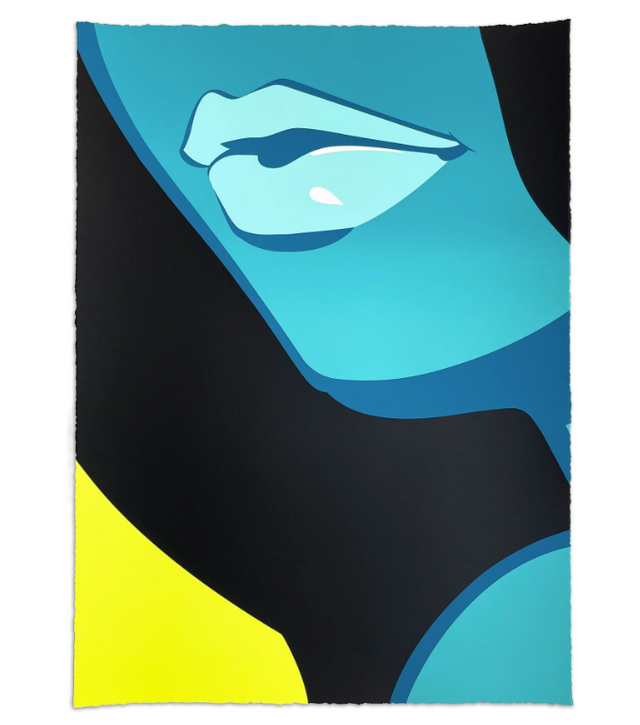
Dave Kinsey Broome Silkscreen Print by Dave Kinsey
Broome Limited Edition 4-Color Hand-Pulled Silkscreen Print on 100% Cotton Rag Archival Paper by Dave Kinsey Graffiti Street Artist Modern Pop Art. BLK/MRKT
$142.00
-
Akira Beard Imagined Headpiece #18 Giclee Print by Akira Beard
Imagined Headpiece #18 Artwork Giclee Limited Edition Print on Heavy Fine Art Paper by Pop Culture Graffiti Artist Akira Beard.
$217.00
-
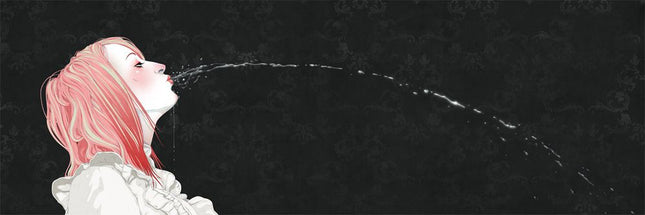
Jason Levesque Spit Giclee Print by Jason Levesque
Spit Artwork Giclee Limited Edition Print on Fine Art Paper by Pop Culture Graffiti Artist Jason Levesque. 2014 Signed & Numbered Limited Edition of 50 Artwork Size 30x10
$256.00
-
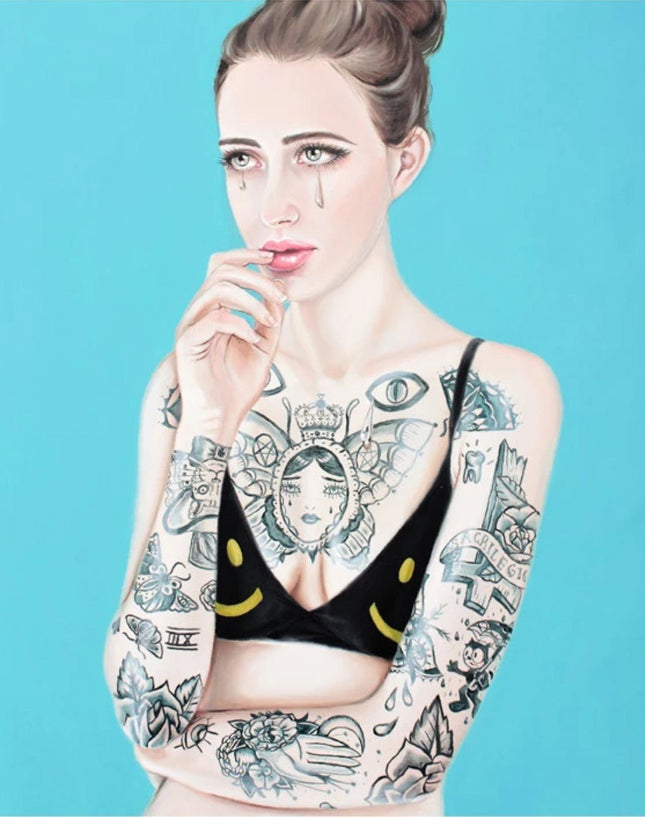
Crajes Stigma I Giclee Print by Crajes
Stigma I Artwork Giclee Limited Edition Print on Fine Art Paper by Pop Culture Graffiti Artist Crajes.
$103.00
-
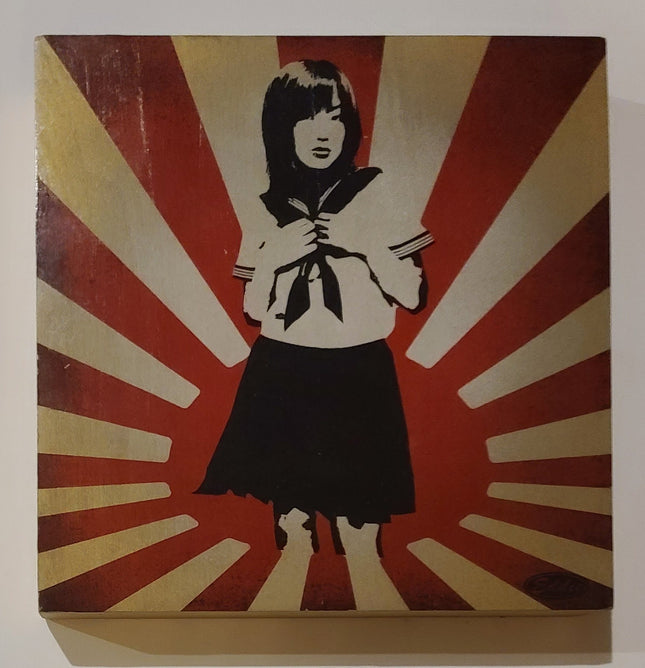
Eddie Colla Japanese School Girl Flag HPM Archival Wood Cradled Print by Eddie Colla
Japanese School Girl Flag Limited Run Hand-Distressed Multiple HPM on Wood Cradled Panel ready to hang by Eddie Colla Graffiti Street Artist Modern Pop Art. 2012 10x10 Signed Numbered on Verso Edition of 20
$450.00
-
Crajes Stigma II Giclee Print by Crajes
Stigma II Artwork Giclee Limited Edition Print on Fine Art Paper by Pop Culture Graffiti Artist Crajes.
$103.00
-
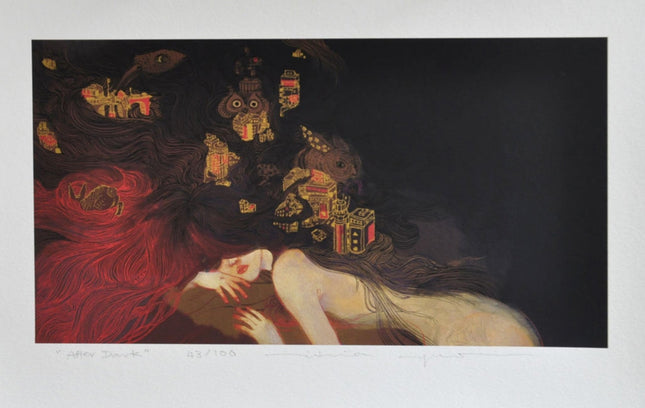
Victo Ngai After Dark Giclee Print by Victo Ngai
After Dark Artwork Giclee Limited Edition Fine Art Print on 100% Cotton Hahnemühle Museum Etching Paper by Pop Culture Graffiti Artist Victo Ngai. Limited edition of 100. Signed and numbered. Inspired by Haruki Murakami's novel - "After Dark". Due to how this artwork was made and stored by the artist, many of Ngai's older prints contain slight yellowing to the extreme upper and lower white margin that extends about 1mm. This does not effect the image at all and the prints are perfect besides this.
$262.00
-

Dan Christofferson- Beeteeth Im Sorry Im on Fire AP Letterpress Print by Dan Christofferson- Beeteeth
I'm Sorry, I'm on Fire AP Artist Proof 2-Color Hand-Pulled Limited Edition Letterpress Print on Fine Art Paper by Dan Christofferson- Beeteeth Rare Street Art Famous Pop Artwork Artist. AP Artist Print 2011 Signed & Marked AP Artwork Size 6x10 Letterpress Print Fine Art. I'm Sorry, I'm on Fire by Dan Christofferson: Emotional Symbolism in Street Pop Art & Graffiti Artwork I'm Sorry, I'm on Fire is a 2011 artist proof letterpress print by Dan Christofferson, widely known by his artist name Beeteeth. This rare 6 x 10 inch hand-pulled work exemplifies Christofferson’s approach to narrative symbolism through graphic minimalism and emotionally charged iconography. Printed in two colors, a muted coral red and deep maroon, the piece captures a burning moment of self-awareness and collapse, rendered through the haunting figure of a woman mid-transformation. With smoke rising from her lips and plumes of fire erupting from her head, the image rests between introspective grief and mythological catharsis. The AP marking and signature affirm its status as a one-of-a-kind proof from the edition, enhancing its rarity among collectors of Street Pop Art & Graffiti Artwork. Symbolism Through Human Form and Mythic Fire The visual narrative unfolds with a bare female figure whose elongated neck and stylized hands echo religious iconography, while the turbulent plumes of smoke and flame emerging from her skull evoke chaos, pain, and psychic overload. Christofferson’s use of thick, clean outlines and selective crosshatching pulls from traditional comic aesthetics while amplifying the surreal quality of the scene. Her gaze is unwavering, defiant, and exhausted, suggesting an emotional combustion that is more internal than external. The print compresses human vulnerability and divine spectacle into a concise composition that maintains tension and stillness simultaneously. It is not a literal fire but an existential flare, making the title feel like a quiet scream. Mastery of Letterpress Technique and Limited Color Dan Christofferson’s work often fuses historical printing methods with contemporary design principles. This letterpress print emphasizes texture and depth in ways that digital work cannot replicate. The slight embossment of ink against thick fine art paper gives the artwork a tactile weight that enhances the themes of physicality and damage. The use of only two ink colors forces a visual economy that sharpens the contrast and pulls the eye toward the core gesture of flame, smoke, and flesh. This minimal palette creates maximum emotional resonance, mirroring the internal friction represented in the subject. As an artist proof, it showcases Christofferson’s hands-on control during the printing process, reinforcing the personal imprint left on each piece. Dan Christofferson’s Emotional Lexicon in Street Pop Art As Beeteeth, Dan Christofferson has developed a visual language rooted in sacred iconography, regional mysticism, and a clear emotional current. Based in Salt Lake City, his works often explore myth, ritual, and personal trial using contemporary symbolism and design precision. I'm Sorry, I'm on Fire stands apart as one of his most intimate illustrations, transcending literal storytelling to present a visceral metaphor for burnout, identity, and unresolved internal conflict. Its scale may be modest, but the emotional breadth and graphic boldness make it a significant artifact in the ongoing evolution of Street Pop Art & Graffiti Artwork. This print exists as a small yet powerful meditation on transformation, despair, and resilience.
$150.00