Hair

5 artworks

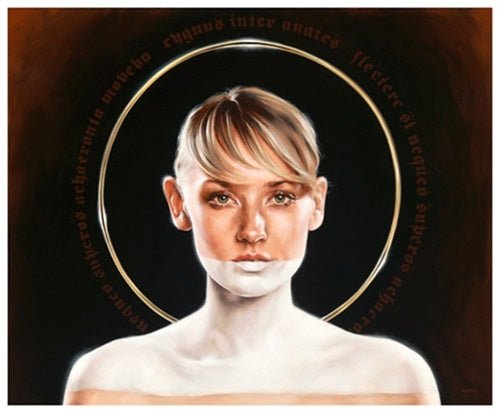
  • A Swan Amongst Ducks Archival Print by Aaron Nagel

    Aaron Nagel A Swan Amongst Ducks Archival Print by Aaron Nagel

    A Swan Amongst Ducks Limited Edition Archival Pigment Prints on Moab Fine Art Paper by Aaron Nagel Graffiti Street Artist Modern Pop Art. A SWAN AMONG DUCKS [2009] 26 x 21 Giclée Print on Archival Paper Signed & numbered limited edition of 20

    $533.00

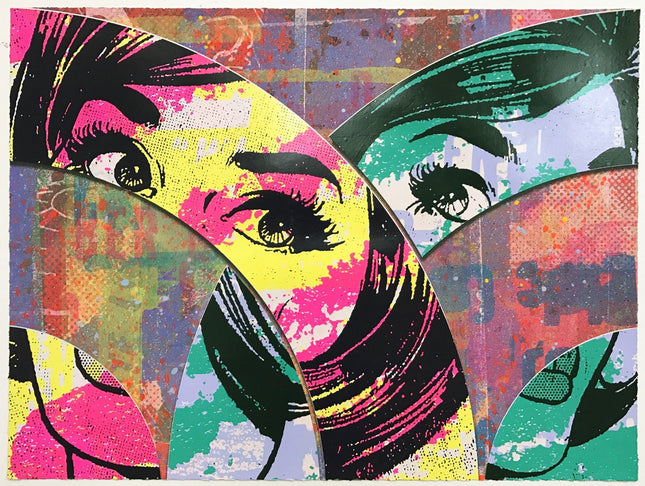
  • Round & Round 35 HPM Silkscreen Print by Greg Gossel

    Greg Gossel Round & Round 35 HPM Silkscreen Print by Greg Gossel

    Round & Round 35 HPM 11-Color Hand-Pulled Limited Edition Silkscreen, Acrylic, Enamel, & Gloss Overprint Varnish on Hand-Deckled Rives BFK Paper by Greg Gossel. 2016 Signed Varied Edition of 18 Size 28x21 Greg Gossel Round & Round 22, 2016 Silkscreen ink, acrylic, enamel, and gloss overprint varnish on Rives BFK 280gsm printmaking paper 18 varied-edition works on paper; printed, signed, and dated by the artist 28 x21 in., 71 x 53 cm

    $651.00

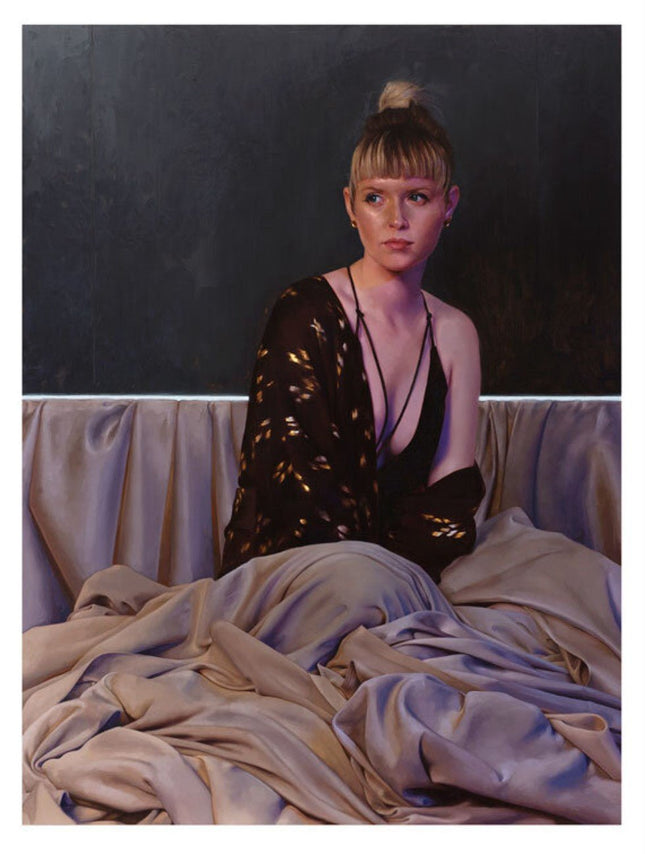
  • Division Archival Print by Aaron Nagel

    Aaron Nagel Division Archival Print by Aaron Nagel

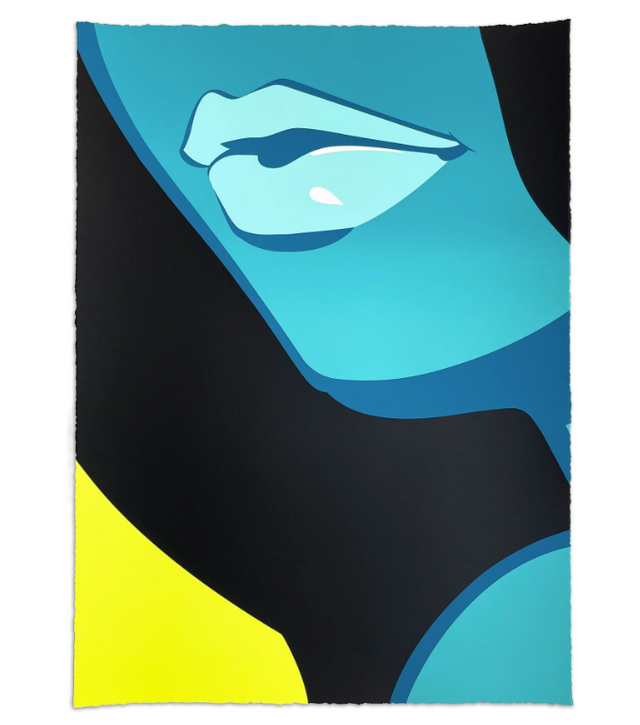
    Division Limited Edition Archival Pigment Prints on Moab Fine Art Paper by Aaron Nagel Graffiti Street Artist Modern Pop Art. 16 x 21 Inches Archival Pigment Print on Moab Fine Art Paper. Signed and numbered edition of 50

    $226.00

  • Super Trooper Giclee Print by Brian Viveros

    Brian Viveros Super Trooper Giclee Print by Brian Viveros

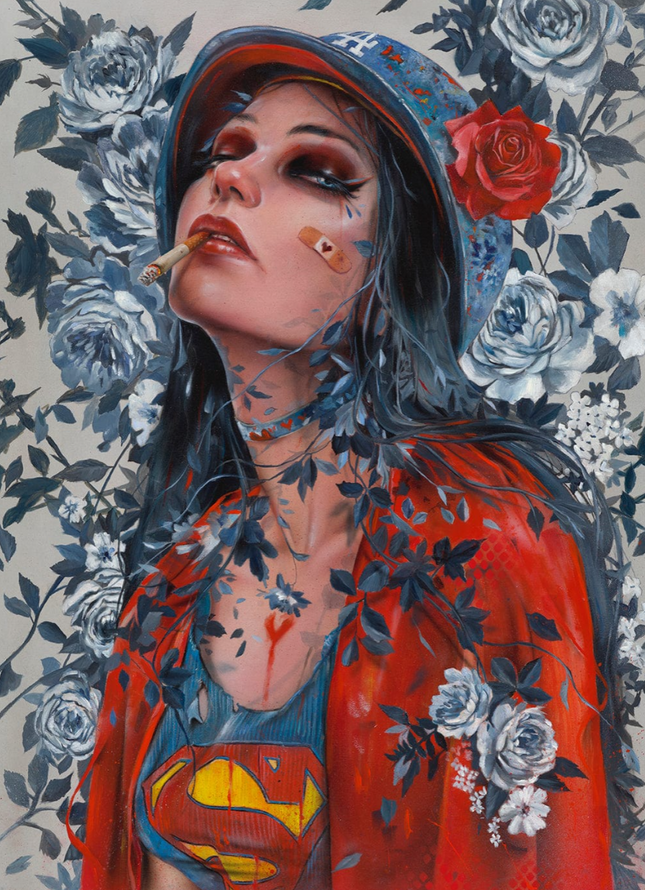
    Super Trooper Giclee Print by Brian Viveros Artwork Limited Edition Print on 290gsm Smooth Cotton Rag Fine Art Paper Graffiti Pop Street Artist. 2023 Signed & Numbered Limited Edition of 70 Artwork Size 16x21 Super Trooper Giclee Print by Brian Viveros – Fierce Femininity in Street Pop Art & Graffiti Artwork Brian Viveros’ 2023 limited edition giclee print Super Trooper captures a gritty, seductive fusion of vulnerability and defiance that exemplifies his signature approach to Street Pop Art & Graffiti Artwork. Issued in a signed and numbered edition of 70, this 16 x 21 inch piece is printed on 290gsm smooth cotton rag fine art paper, offering a rich tactile surface that complements the lush realism and painterly detail in the artwork. The central figure is a heavily stylized femme warrior, draped in a blood-stained Superman tank and adorned with both a cigarette and a floral motif that snakes through her skin and wardrobe like living tattoos. Her helmet, marked with an L.A. Dodgers emblem and splattered paint, along with the bold red rose tucked into its side, merges street identity with symbolic beauty. The soft focus roses in the background contrast starkly with the woman’s intense makeup, bruises, and bandage, reinforcing Viveros’ signature tension between beauty and brutality. Brian Viveros and the Rise of the War-Goddess Archetype Born in the United States, Brian Viveros has built a reputation for portraying fierce, warpaint-adorned women who dominate the canvas with raw presence and emotional magnetism. These characters are not passive subjects but commanding icons that blend pin-up aesthetics with combat symbolism. In Super Trooper, the model’s defiant gaze and blood-spattered Superman costume allude to both pop culture and personal resilience. She is not a sidekick or a muse—she is the superhero, redefined. Viveros continues to push against traditional portrayals of female power, using meticulously detailed oil-style textures and surreal touches to give each subject a mythic presence. This artwork channels trauma and strength into a singular expression of dominance, autonomy, and seductive resistance. Medium, Detail, and the Weight of the Print Format The giclee printing process on 290gsm smooth cotton rag paper ensures the vibrant tones of crimson, cobalt, and ash grey stay true to Viveros’ original vision. The smooth finish allows for subtle gradients in skin tone, shadow, and highlight, creating a print that feels alive with motion and inner tension. Every flower petal and strand of hair is rendered with obsessive precision, contrasting the fluid chaos of splattered paint and the gritty imperfections of a worn helmet and stained clothing. The dimensions of 16 x 21 inches create an intimate viewing experience, drawing attention to the emotion behind the character’s half-lidded eyes and the complexity layered within her presentation. This format enhances the blend of photorealism and stylized embellishment that defines Viveros’ contribution to contemporary Street Pop Art & Graffiti Artwork. Symbolism, Identity, and Street-Wise Mythmaking Super Trooper operates as a visual battle cry for identity in a culture obsessed with image, fantasy, and iconography. Viveros does not offer escapism, but confrontation. The Superman insignia is not worn with pride but with purpose, a reclaimed symbol of strength tarnished by pain and lived experience. The bandage across the cheek, detailed with a red heart, speaks volumes about vulnerability wrapped in stoicism. The cigarette dangling from red lips adds a noir edge, a signal of rebellion and disregard for convention. By wrapping his muse in symbols of war, femininity, fandom, and urban grit, Viveros creates a Street Pop Art & Graffiti Artwork that resists clean categorization. Super Trooper embodies his commitment to fearless representation, speaking directly to audiences who recognize power in imperfection and beauty in scars.

    $524.00

  • Florid Cosmos Giclee Print by Handiedan

    Handiedan Florid Cosmos Giclee Print by Handiedan

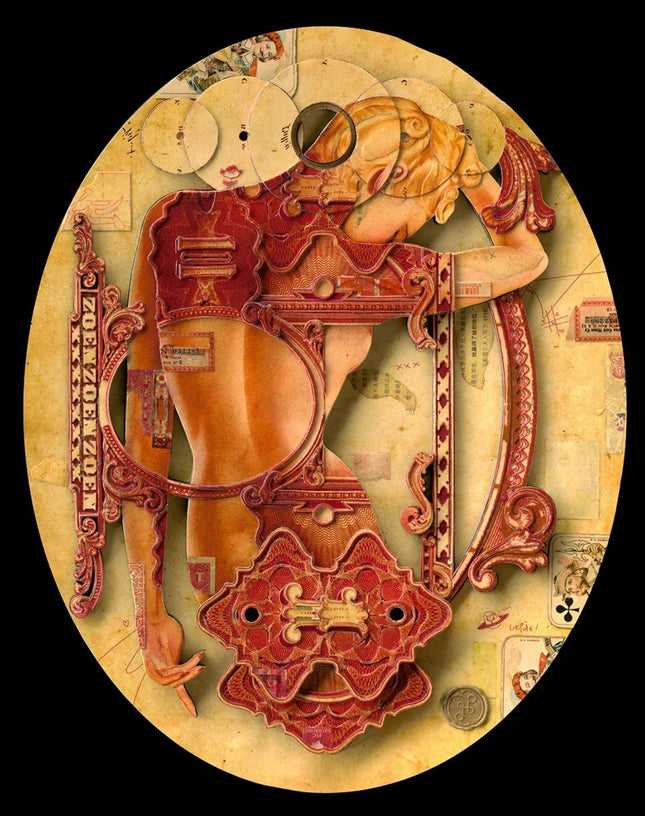
    Florid Cosmos Hand Cut Collage Giclee Limited Edition Artwork Print on 315gsm Etching Cotten Rag Paper by Pop Culture Graffiti Artist Handiedan. Art print giclée 315 gsm Etching Cotton Rag 16.5" x 21” / 42 x 53.5 cm Signed & Numbered Hot Wax Seal Stamped Edition: 33 2021

    $533.00

Hair

Hair as a Symbol in Street Pop Art

From the iconic Warhol wigs to the vibrant and expressive spray-paint portraits found on urban walls, hair has played a significant role in the visual language of pop art, street art, and graffiti art. Its significance goes beyond just aesthetics, serving as a medium of cultural commentary, individual expression, and socio-political critique. Pop art, originating in the 1950s and 60s, often took inspiration from everyday objects and images, recontextualizing them to offer a fresh perspective. Within this movement, hair, especially hairstyles associated with popular celebrities, became symbolic of consumerism, celebrity culture, and the rapidly changing trends of the times. Artists like Andy Warhol leveraged the allure of hair, using it as a central element in his silkscreen prints. Marilyn Monroe’s glamorous blonde locks, for instance, repeated across canvas in bold colors, spoke of her iconic status but also hinted at the artifice and commercial nature of fame. The mass repetition of such imagery underscored the mechanized, commodified aspect of popular culture. Hair, in this regard, became both a subject and symbol within pop art. In the realm of street and graffiti art, hair takes on an even more nuanced and varied significance. Hair, in its myriad forms and connotations, has emerged as a powerful symbol within the domain of street pop art and graffiti artwork. It represents a canvas upon which artists project ideas related to identity, freedom, rebellion, and societal norms. In the vibrant landscape of urban art, hair is not merely a subject but a statement—a tool that artists wield with skill to convey messages that are as varied as the styles they depict. Street pop art, known for its visual punch and immediacy, often employs hair as a motif to draw attention to the socio-political themes of the era. Graffiti artists, too, use the image of hair to reflect individuality and diversity. Through the prism of hair, these artists celebrate the stories and experiences of people from all walks of life. Whether it is the flowing locks that adorn the portraits of iconic figures or the stylized depictions of everyday characters, hair in street art and graffiti becomes a metaphor for expression.

The Aesthetics of Hair in Contemporary Art

Street artists often use the walls of cities as their canvases, drawing from the environment, local culture, and current issues. In many urban settings, hair serves as a representation of cultural identity, socio-economic status, rebellion, or belonging. Graffiti artists often accentuate hairstyles, be it intricate braids representative of African or Afro-Caribbean cultures, or the sharp, angular cuts popular in urban punk scenes. These are not just depictions but are symbols of defiance, pride, or sometimes even resistance against prevailing norms and stereotypes. Beyond cultural identity, the portrayal of hair in street art has also been instrumental in drawing attention to pertinent issues such as racial bias and gender norms. Portraits showcasing the natural beauty of curly or coiled hair challenge prevailing beauty standards and comment on racial prejudices. Similarly, depictions of shaved or androgynous hairstyles might question traditional gender norms and the fluidity of identity. The methods and mediums used in graffiti art further enhance the significance of hair in these pieces. The very nature of spray paint allows for a dynamic range of expression. With swift strokes, an artist can create the illusion of flowing locks or the texture of a curly mane. The juxtaposition of hair, with its organic and fluid form, against the often rigid and gritty urban landscapes, creates a powerful visual statement. This contrast not only captures attention but often invites viewers to consider deeper narratives and stories behind such artworks. To understand the role of hair in pop, street, and graffiti art is to appreciate its transformative power. It's a medium that has allowed artists to delve into themes of identity, culture, rebellion, and society. Whether through the vibrant hues of a Warhol print or the textured strokes of a graffiti portrait, hair stands as a testament to the evolving dialogues and discourses within the world of art. In the context of modern street pop art, hair has been used to challenge gender stereotypes and explore cultural dynamics. Artists may exaggerate hairstyles to emphasize a point or to defy conventional beauty standards. Murals showcasing individuals with unique and bold hairdos are not uncommon and serve to highlight the artist's perspective on individuality and self-expression. The art of depicting hair requires a nuanced understanding of form and flow, making it a technical challenge as well. The texture of hair, the way it frames a face or character, and its movement can bring energy and life to a piece. In the hands of a skilled artist, hair transcends its role as a mere physical feature and becomes a dynamic element of the composition. It is both a visual focus and a thematic linchpin, often influencing the interpretation of the artwork itself.

Street Art, Pop Culture, and the Iconography of Hair

Hair in the context of street pop art also becomes a means of paying homage or critiquing popular culture. Icons of music, film, and fashion are frequently represented, with their distinctive hairstyles acting as shorthand for their identity. The striking afro of a 70s music legend, the slick back hair of a film icon, or the ever-changing colors of a pop star—these depictions utilize hair to encapsulate the essence of the subject. The role of hair in the lexicon of street art and graffiti artwork is emblematic of the timelessness of human adornment and decoration. As a feature that is both personal and public, hair encapsulates the dual nature of street art: an individual statement made in a space that is inherently communal. It is a reflection of both the artist's inner world and the broader cultural dialogue, making it a potent motif for commentary and artistry in the public sphere. Hair serves as a versatile and evocative theme within street pop art and graffiti artwork. It is used by artists to explore themes of identity, society, culture, and aesthetics. The depiction of hair in urban art becomes a form of storytelling, a way to engage with viewers, and an avenue for artists to leave their mark on the canvas of the city. Through the strokes of a paintbrush or the spray of a can, hair is transformed into a statement, a symbol, and a signature within the ever-evolving narrative of street art.
Footer image

© 2025 Sprayed Paint Art Collection,

    • Amazon
    • American Express
    • Apple Pay
    • Bancontact
    • Diners Club
    • Discover
    • Google Pay
    • iDEAL
    • Mastercard
    • PayPal
    • Shop Pay
    • Visa

    Login

    Forgot your password?

    Don't have an account yet?
    Create account