

He-Man MOTU in Street Pop Art & Graffiti Artwork
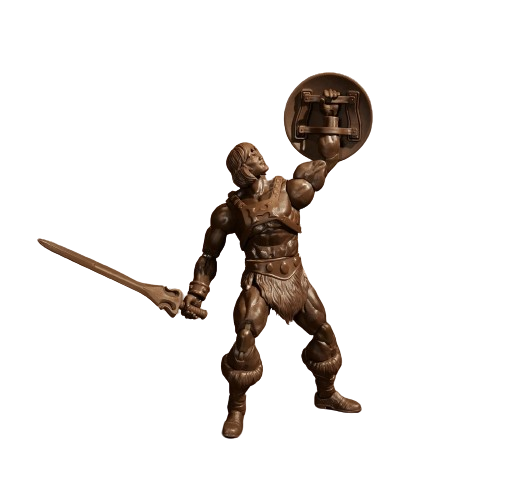
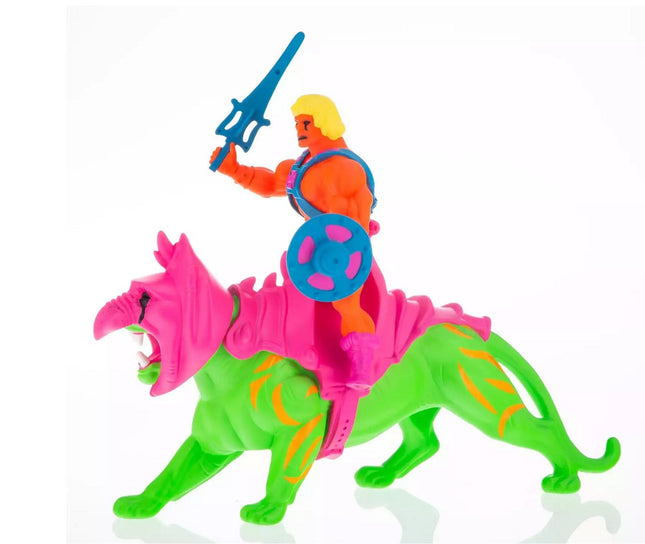
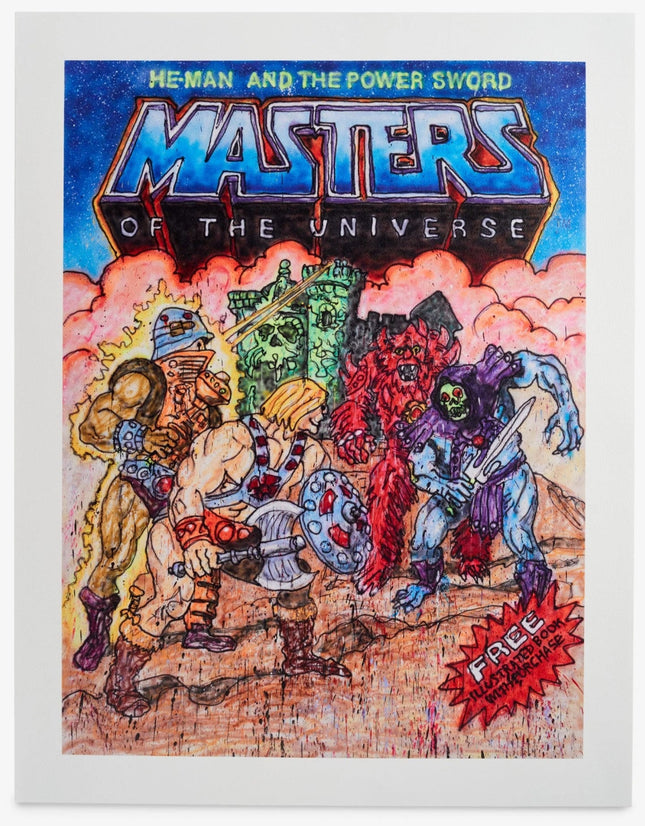
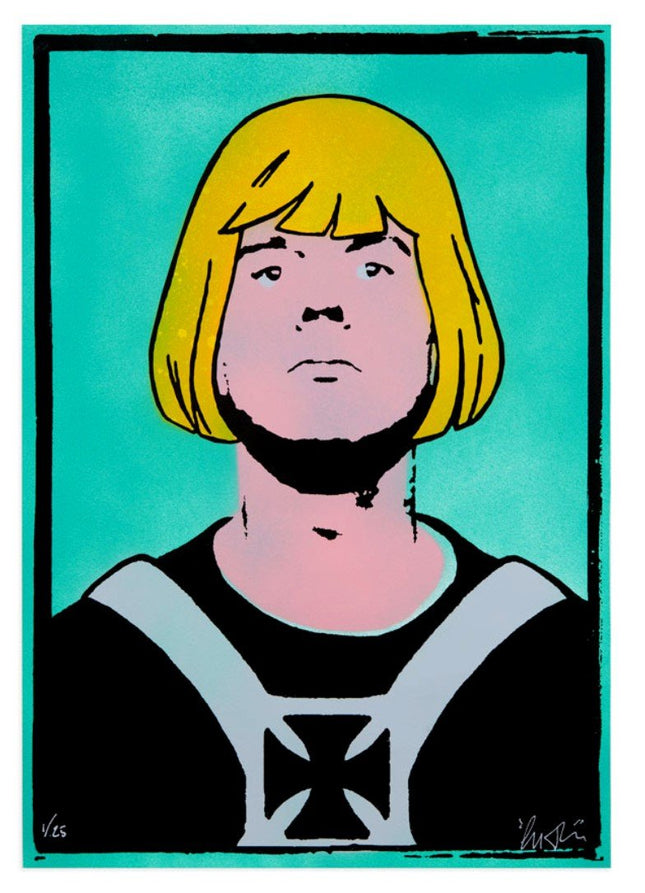
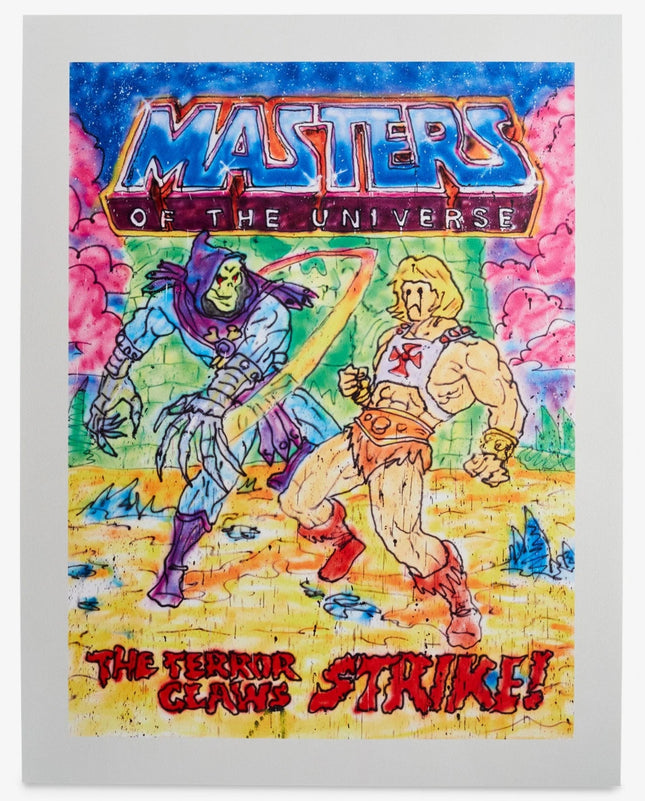
He-Man and the Masters of the Universe, or MOTU, is a cultural force that continues to influence the aesthetics and messaging of Street Pop Art & Graffiti Artwork decades after its 1980s launch. Originally developed by Mattel as an action figure line supported by animated media, He-Man quickly became more than a children's franchise. The muscular hero, sword raised, shouting power-infused words beneath the looming skulls of Castle Grayskull, symbolized resistance, empowerment, and mythic identity. Artists within the graffiti and pop art community have recognized these attributes and incorporated them into their visual storytelling, transforming commercial imagery into potent expressions of nostalgia, satire, and rebellion.
Appropriation of He-Man Imagery in Contemporary Urban Art
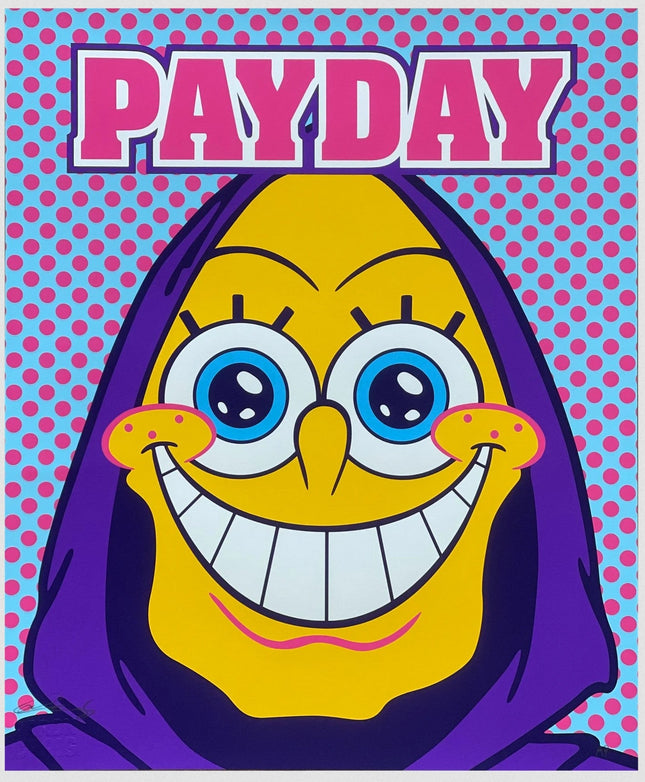
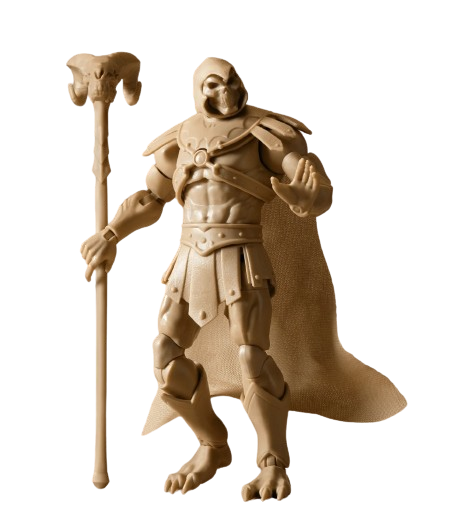
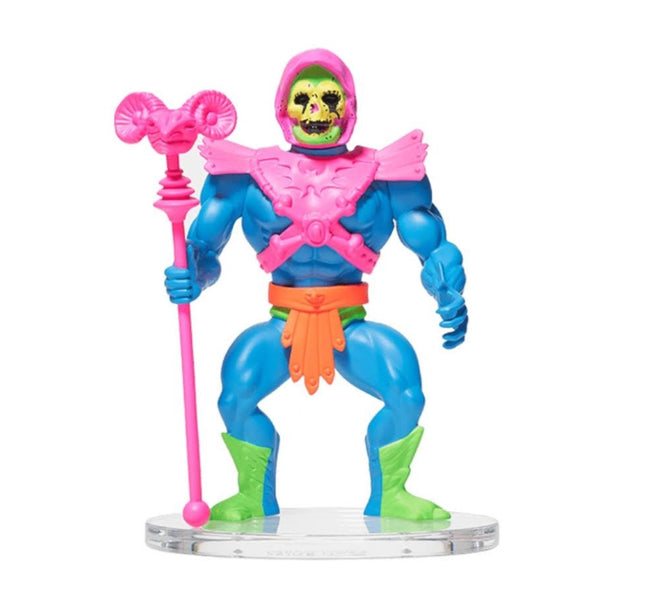
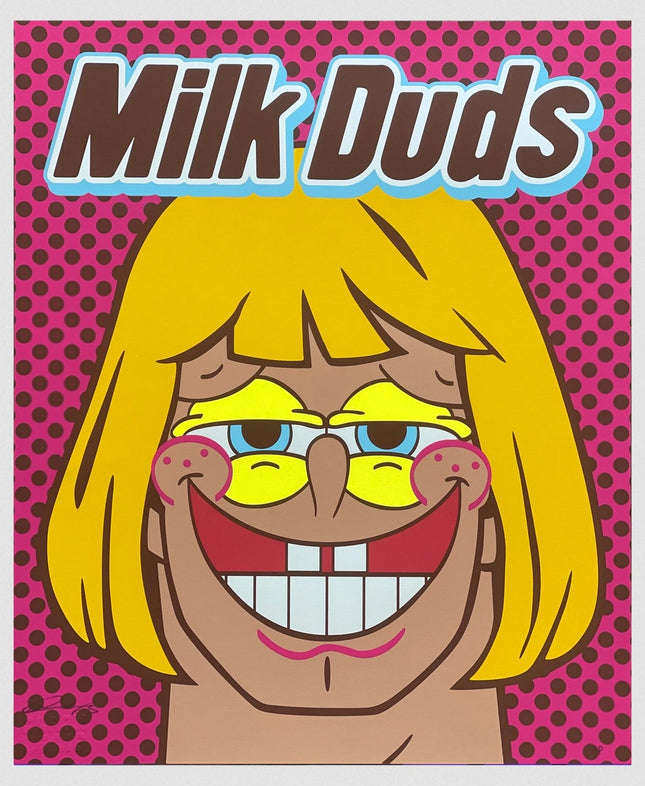
Graffiti artists and street pop artists often repurpose iconic pop culture characters as a means to comment on consumerism, authority, and masculinity. He-Man, as a visual archetype of exaggerated strength and mythic resolve, finds frequent reinterpretation in street murals, wheatpaste posters, stickers, and vinyl sculptures. Artists use his image to either reinforce or undermine traditional heroic tropes, sometimes juxtaposing his fierce presence with vulnerable or absurd contexts. This duality appeals to fans of retro media while inviting deeper examination of the cultural narratives being inherited from corporate entertainment. In large-scale murals or intimate gallery pieces, the sword-wielding warrior of Eternia becomes a powerful symbol of both resistance and irony.
Pop Nostalgia as Commentary in Street Pop Art & Graffiti Artwork
He-Man’s transition from Saturday morning cartoon idol to art icon illustrates how pop nostalgia can be used as a visual weapon. The use of MOTU characters, especially in urban environments, blurs the line between lowbrow entertainment and high-impact cultural critique. Whether adorned with spray tags or reimagined in surreal compositions, He-Man and his nemesis Skeletor represent the collision of fantasy and reality, and this blend resonates in spaces where youth culture and counterculture merge. Street artists working with MOTU themes often highlight themes of power, transformation, and duality—echoing the same messages that resonated with children watching the animated series, but now recontextualized for a postmodern audience.
Legacy and Continued Relevance in Graffiti-Based Art Forms
The enduring popularity of He-Man in graffiti and street pop contexts speaks to the power of recognizable visual lexicons. Artists working across Los Angeles, London, Berlin, and São Paulo have embedded MOTU motifs in alleyways, rooftops, and gallery canvases. They use the familiar imagery not just to appeal to collective memory, but to subvert and repurpose symbols of control, mythology, and rebellion. He-Man’s declaration of power becomes more than just a catchphrase—it becomes an emblem of transformation in the face of oppression, a quality that resonates with both creators and viewers navigating complex urban realities through the language of Street Pop Art & Graffiti Artwork.