

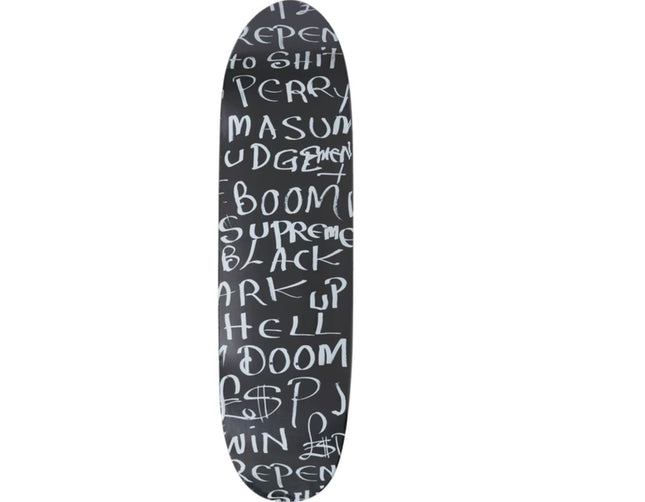

Hell in Street Pop Art & Graffiti Artwork
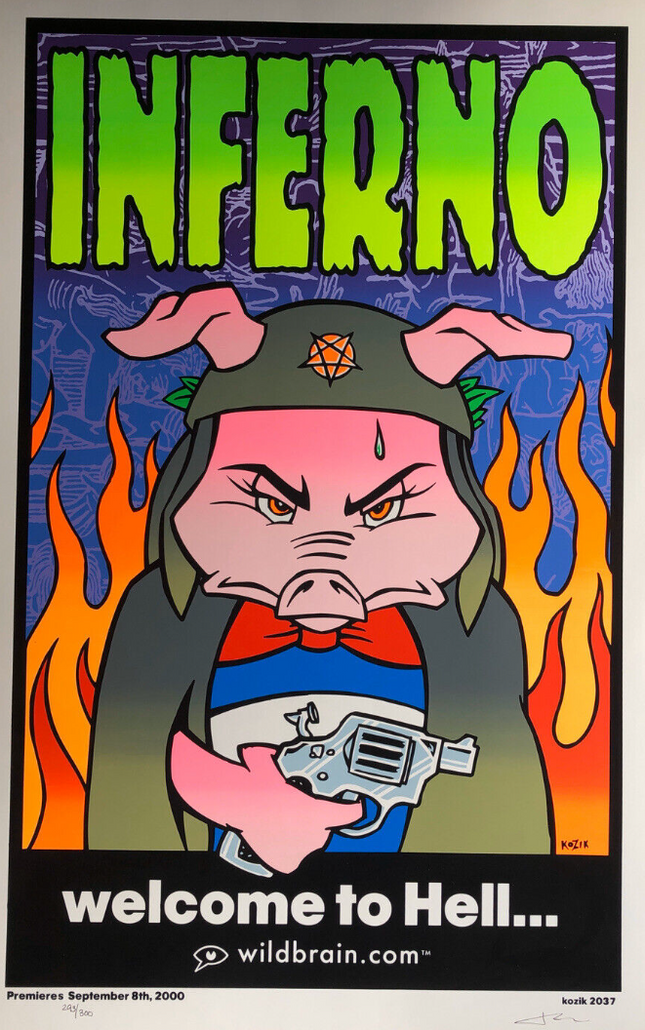
Hell has been a powerful and recurring theme in Street Pop Art & Graffiti Artwork, often used as a visual metaphor for chaos, suffering, rebellion, and the darker sides of human existence. Artists frequently depict hell as a distorted, surreal landscape filled with fire, grotesque figures, and exaggerated imagery that pushes the boundaries of traditional artistic expression. Whether through large-scale murals, stenciled pieces, or mixed-media installations, depictions of hell in street art carry a raw emotional intensity that forces viewers to confront unsettling themes while challenging societal perceptions of morality and justice. Many works use vivid reds, oranges, and blacks to capture the fiery torment often associated with hell, while others take a more abstract approach, portraying dystopian urban landscapes filled with symbols of corruption and decay. Figures of demons, lost souls, and authoritarian overlords populate these works, reflecting themes of control, oppression, and the consequences of unchecked power. Some pieces incorporate religious iconography, blending traditional depictions of hell with modern urban influences, creating a contrast between historical narratives and contemporary struggles.
The Symbolism of Hell in Street Pop Art & Graffiti Artwork
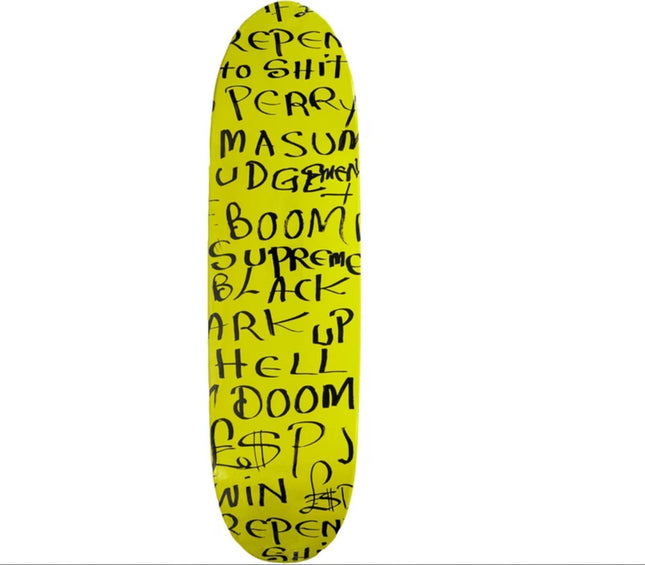
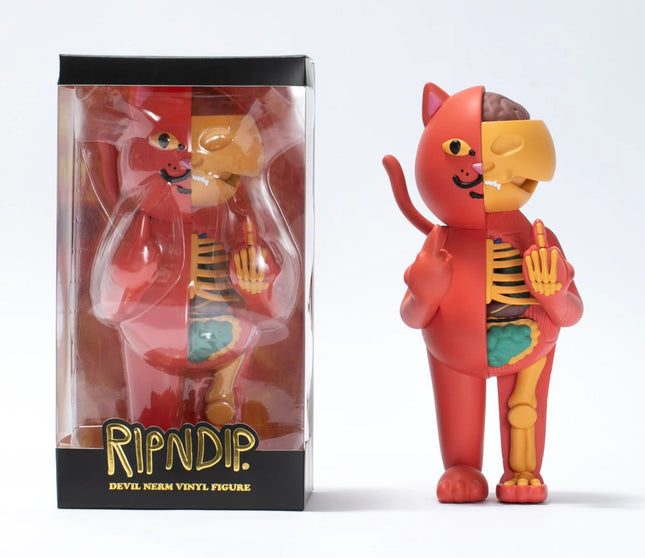
Hell is often depicted as more than just a literal underworld; it becomes a representation of psychological torment, political unrest, or societal dysfunction. Artists use this theme to critique issues such as economic disparity, war, environmental destruction, and systemic corruption. The imagery of burning cities, suffering figures, and monstrous beings often reflects real-world issues, turning street walls into visual battlegrounds of resistance and expression. Some artists incorporate text into their works, using words and phrases to emphasize the concept of hell as a state of mind rather than a physical place. Words like suffering, greed, sin, and power are sometimes embedded within the flames or emerging from tortured faces, reinforcing the emotional weight of the artwork. Others take a satirical approach, turning corporate mascots, politicians, or pop culture figures into demonic entities, commenting on the forces that drive society toward self-destruction.
Visual Styles and Techniques Used to Depict Hell
Artists exploring the theme of hell in Street Pop Art & Graffiti Artwork often utilize intense contrasts, chaotic compositions, and intricate detailing to create immersive and overwhelming imagery. Dripping paint, jagged lines, and heavy shadows are commonly employed to evoke a sense of destruction and instability. Some pieces lean into a comic book or animation style, giving the underworld an almost playful yet sinister energy, while others embrace hyperrealistic horror aesthetics, making the viewer feel as if they are staring into the abyss. Stencils and wheat-paste posters frequently depict demonic figures emerging from cracks in the city’s infrastructure, reinforcing the idea that hell is not below but embedded within the fabric of society. Large-scale murals might transform entire buildings into flaming infernos, creating immersive experiences that pull pedestrians into the narrative. The layering of textures, from smoke-like spray paint effects to scorched and torn paper elements, adds depth to these infernal visions, making them feel alive with movement and destruction.
The Impact of Hell as a Theme in Contemporary Art
Hell remains one of the most striking and emotionally charged themes in Street Pop Art & Graffiti Artwork, resonating with audiences who find meaning in its raw and unapologetic imagery. The ability to transform urban environments into reflections of both personal and collective struggles allows street artists to engage with their surroundings in a way that is immediate and visceral. The depictions of fire, torment, and chaos are not just meant to shock but to provoke thought, pushing viewers to question their place in a world that often feels like it is on the brink of collapse. By using hell as a visual metaphor, artists continue to challenge conventions and redefine the boundaries of street art. The message varies—sometimes it is a critique of power, sometimes a reflection of inner turmoil, and sometimes a darkly comedic take on the absurdity of human nature. Regardless of interpretation, the impact remains undeniable, proving that the concept of hell is not just a religious or mythological construct but a deeply ingrained part of artistic expression and cultural commentary. Through this relentless exploration, Street Pop Art & Graffiti Artwork continues to evolve, finding new ways to turn walls, alleys, and abandoned spaces into gateways to the infernal visions of the modern world.