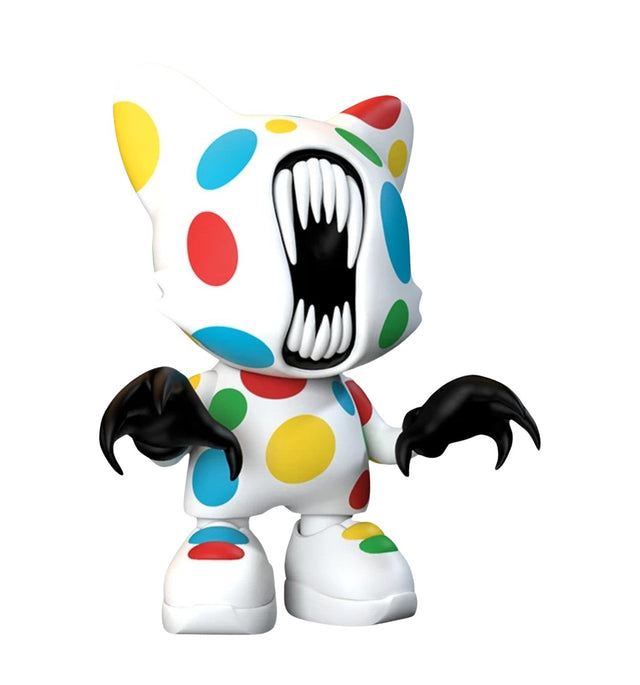
Horror & Scary

3 artworks

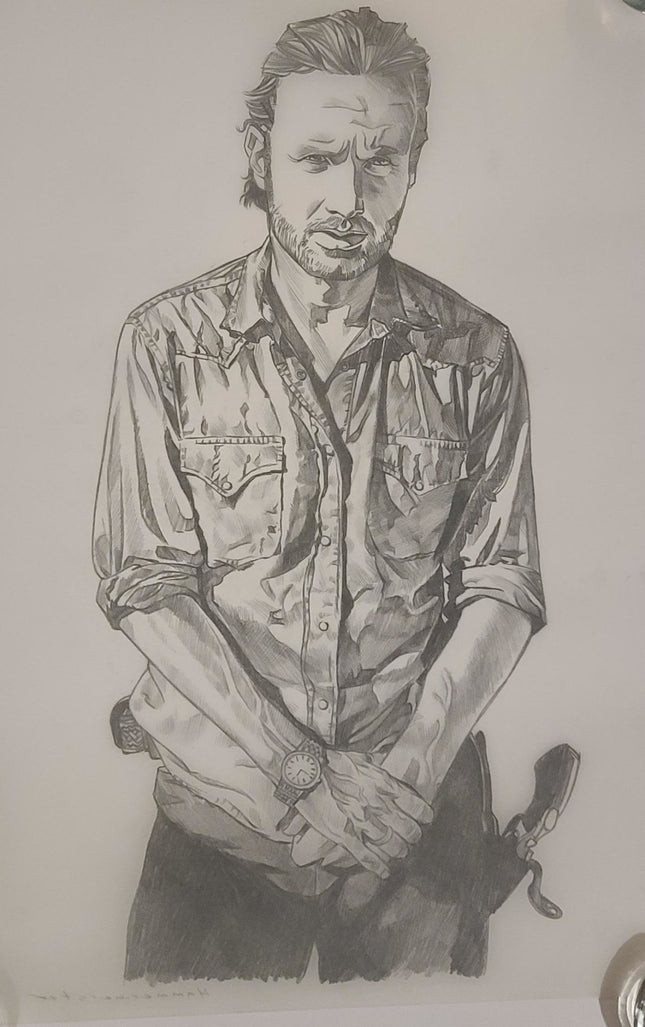
  • Rick Grimes Chillin Original Graphite Drawing by Mark Hammermeister

    Mark Hammermeister Rick Grimes Chillin Original Graphite Drawing by Mark Hammermeister

    Rick Grimes Chillin Original Pencil Graphite Hand Drawing on Thin Fine Art Paper by modern trending street art artist Mark Hammermeister. 2014 Signed Orignal Graphite Art Drawing of Rick Grimes from Walking Dead TV Show in Police Uniform. Walking Dead as a Subject in Street Pop Art & Graffiti Artwork The Walking Dead has become a significant influence in Street Pop Art & Graffiti Artwork, inspiring artists to reinterpret its characters, themes, and dystopian imagery through bold, urban aesthetics. As one of the most culturally impactful television series and comic book franchises of the modern era, its dark, post-apocalyptic world naturally lends itself to the visual language of street art. The show’s themes of survival, morality, and chaos resonate with the rebellious spirit of graffiti and pop-inspired street prints, making it a popular subject for murals, screenprints, and stencil-based artwork. Whether portraying its iconic characters or referencing its haunting themes of destruction and resilience, artists have embraced the series as a symbol of defiance and endurance within the contemporary art landscape. Iconic Characters and Visual Symbolism The Walking Dead is known for its deeply developed characters, many of whom have become icons in Street Pop Art & Graffiti Artwork. Figures like Rick Grimes, Daryl Dixon, and Michonne are often depicted in large-scale murals and limited-edition screenprints, their likenesses reimagined through stencil techniques, halftone textures, and bold color blocking. The gritty nature of their survival journeys aligns with the aesthetic of urban street art, where raw, high-contrast visuals carry emotional depth. Many artists incorporate religious iconography into their portrayals, casting characters as saints or mythological figures, reinforcing the show’s themes of sacrifice and redemption. The recurring imagery of skulls, decayed landscapes, and haunting typography further enhances the apocalyptic aesthetic, making each piece feel like a relic of a world lost to chaos. Street Pop Art & Graffiti Artwork Techniques Many artists working within Street Pop Art & Graffiti Artwork utilize stencil layering, wheatpaste posters, and screenprinting to bring The Walking Dead to life in urban spaces. The stark contrast between life and death in the series is mirrored through aggressive black-and-white compositions, blood-red accents, and distressed textures that resemble decaying posters on city walls. The use of metallic inks and high-gloss overlays adds a contemporary element, elevating these works beyond traditional graffiti into fine art print editions. Some murals blend realistic portraiture with exaggerated comic book elements, reflecting the franchise’s roots in graphic novels while maintaining the expressive freedom of street art. The inclusion of text from the series, often in bold, distressed fonts, serves as a reminder of the existential struggles faced by the characters and the real-world anxieties mirrored in the show’s dystopian themes. Cultural Impact and Artistic Relevance The Walking Dead has left an indelible mark on Street Pop Art & Graffiti Artwork by serving as a powerful metaphor for survival, societal collapse, and human resilience. Its presence in street murals, silkscreen prints, and mixed-media works speaks to its ability to connect with audiences beyond television, influencing a visual culture that thrives on rebellion and reinvention. Artists continue to reinterpret its imagery, using its themes to comment on contemporary issues such as isolation, fear, and the fight for hope in a fractured world. The enduring visual impact of The Walking Dead within street art ensures that it remains a source of inspiration for those who seek to capture the raw, visceral emotion that defines both the series and the urban artistic movement.

    $340.00

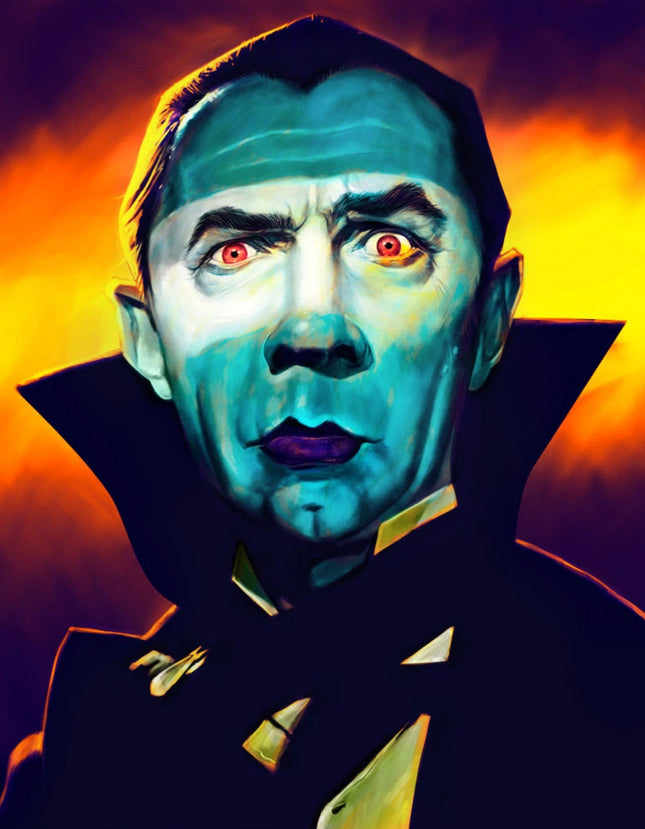
  • Bela Lugosi Color Giclee Print by Mark Hammermeister

    Mark Hammermeister Bela Lugosi Color Giclee Print by Mark Hammermeister

    Bela Lugosi- Color Artwork Giclee Limited Edition Print on Glossy Fine Art Paper by Pop Culture Graffiti Artist Mark Hammermeister.

    $134.00

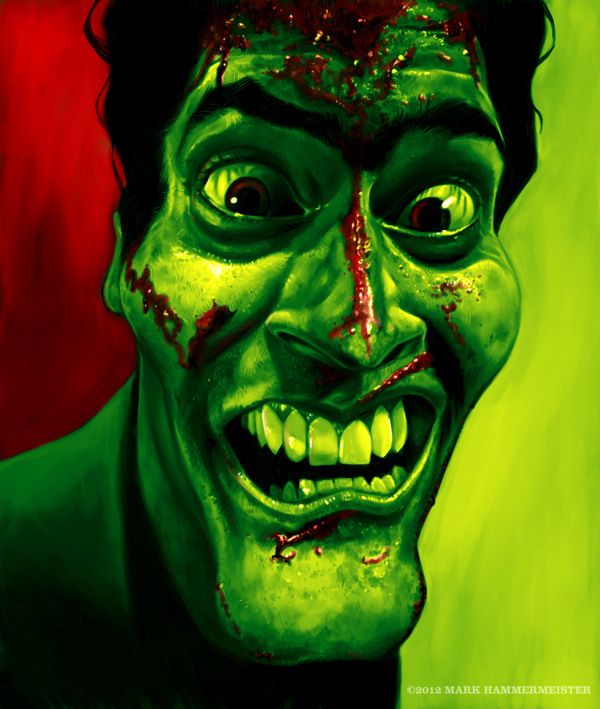
  • Ash The Evil Dead Giclee Print by Mark Hammermeister

    Mark Hammermeister Ash The Evil Dead Giclee Print by Mark Hammermeister

    Ash The Evil Dead Artwork Giclee Limited Edition Print on Glossy Fine Art Paper by Pop Culture Graffiti Artist Mark Hammermeister.

    $134.00

Horror & Scary Graffiti Street Pop Artwork

The Macabre Aesthetic: Horror in Street Pop Art and Graffiti Artwork

The world of street pop art and graffiti artwork often reflects the myriad facets of human emotion and cultural expression. Among these, horror and scary themes have carved out a niche that resonates deeply with the human psyche. This fascination with the macabre in street art is a testament to the enduring appeal of horror in the popular imagination and how it can be used to explore and comment on deeper societal fears and anxieties. Graffiti street art has always been a powerful medium for self-expression, and many artists have ventured into creating horror-inspired pieces to elicit a range of emotions from viewers. Horror in graffiti street art can be seen in various forms, including Dark Imagery. Artists may utilize dark, eerie, and sometimes grotesque imagery to evoke a sense of horror. This can include haunted houses, ghosts, zombies, or other supernatural beings. Macabre themes: Themes related to death, decay, and the darker aspects of life are often explored in horror-based graffiti art. Skulls, skeletons, and other symbols of mortality can be prominently featured. Surrealism: Surrealistic elements can heighten the sense of unease in horror-themed graffiti. The artist might create distorted, dreamlike, or nightmarish scenes to disorient and unsettle the viewer. Pop culture references: Graffiti artists may incorporate well-known horror characters, such as Pennywise from "It" or Freddy Krueger from "A Nightmare on Elm Street," into their works. This creates a familiar yet unsettling atmosphere. Psychological horror: Some artists may opt for a more subtle approach, using symbolic imagery or metaphorical representations to evoke a sense of dread or anxiety rather than outright terror. Urban legends and folklore: Artists can tap into the rich history of urban legends and folklore to create chilling scenes that capture the imagination of passersby. Social commentary: Horror-based graffiti can be a means of exploring and critiquing societal issues, such as violence, poverty, or political oppression. These pieces can serve as powerful statements that provoke thought and discussion. Horror in graffiti street art allows artists to express their creativity while engaging with their audience on a visceral level. Combining public space and unsettling imagery can make these works memorable and impactful, leaving a lasting impression on viewers.

Haunting the Urban Canvas: Horror's Place in Street Art

Street artists have long been drawn to the allure of the horror genre, using its imagery to create works that startle, provoke, and engage the public. In the labyrinth of city streets, a sudden encounter with a mural depicting scenes or figures from horror can transform the experience of a space, charging it with an eerie atmosphere. The use of horror-themed imagery serves multiple purposes – it can be a visceral form of self-expression, a reflection of the artist's demons, or a symbolic commentary on the horrors of contemporary life. The figures that populate the horror genre – ghosts, monsters, and other supernatural entities – become powerful symbols when transposed onto the urban landscape. They speak of the unseen and the unknown, tapping into the collective unconscious with their potent blend of fear and fascination. Artists adept in the language of street pop art and graffiti use these symbols to tell stories that are as much about external realities as they are about internal worlds. Whether it is the monstrous personification of societal ills or the spectral representation of lost histories, these artworks invite reflection on the nature of fear itself.

Monsters and Morality: Scary Stories Told on Concrete

Horror and the scary are not just about shock value; they also serve as a moral compass to navigate the complexities of right and wrong. In the hands of street artists, the grotesque and the frightful become tools for social critique. Monsters painted on the sides of buildings may represent the real-life monsters of corruption, violence, and injustice. The ghoulish and the ghostly remind passersby that there are things in the world that should not be ignored or forgotten. In many ways, the use of horror in street pop art and graffiti artwork is an act of rebellion, a defiance of the notion that public spaces should be sanitized and stripped of anything unsettling. By bringing the scary into the light, these artists challenge the viewer to confront discomfort, question what is taken for granted, and recognize the power of art to unsettle and please. Horror and the scary are integral elements of street pop art and graffiti artwork, serving as potent vehicles for expression, commentary, and confrontation. These themes provide a lens through which artists can explore the human condition in all its darkness and complexity. As long as there are fears to be faced and stories to be told, horror will continue to haunt the walls of our cities, compelling us to look – and to think – a little deeper.
Footer image

© 2025 Sprayed Paint Art Collection,

    • Amazon
    • American Express
    • Apple Pay
    • Bancontact
    • Diners Club
    • Discover
    • Google Pay
    • iDEAL
    • Mastercard
    • PayPal
    • Shop Pay
    • Visa

    Login

    Forgot your password?

    Don't have an account yet?
    Create account