


India’s Visual Vocabulary Through Street Pop Art & Graffiti Artwork
India’s artistic history is one of the most visually abundant and culturally diverse in the world. In the context of Street Pop Art & Graffiti Artwork, India presents a vibrant collision of ancient motifs and contemporary expression. This collision transforms urban surfaces into platforms for bold political statements, devotional icons, and visual storytelling rooted in centuries of cultural identity. The visual language of Indian streets is marked by a density of color, symbolic layering, and scriptural diversity that makes its presence in graffiti art unlike anywhere else.
Tradition Reimagined on Public Walls
From the hand-painted movie posters of Mumbai to the stenciled resistance art in Delhi and the sacred typography seen in temple-adjacent signage, India’s urban environments are deeply soaked in a culture of mark-making. Street Pop Art in India often draws from traditional folk arts such as Madhubani, Kalamkari, and Warli, incorporating their patterns, narratives, and symbolism into contemporary urban visuals. This adaptation reflects the nation's long-standing practice of mixing spiritual, political, and popular themes. Murals in cities like Pune, Chennai, and Kochi blend deities, protest imagery, and pop culture into layered portraits that speak to both identity and upheaval.
Voices of Resistance, Unity, and Celebration
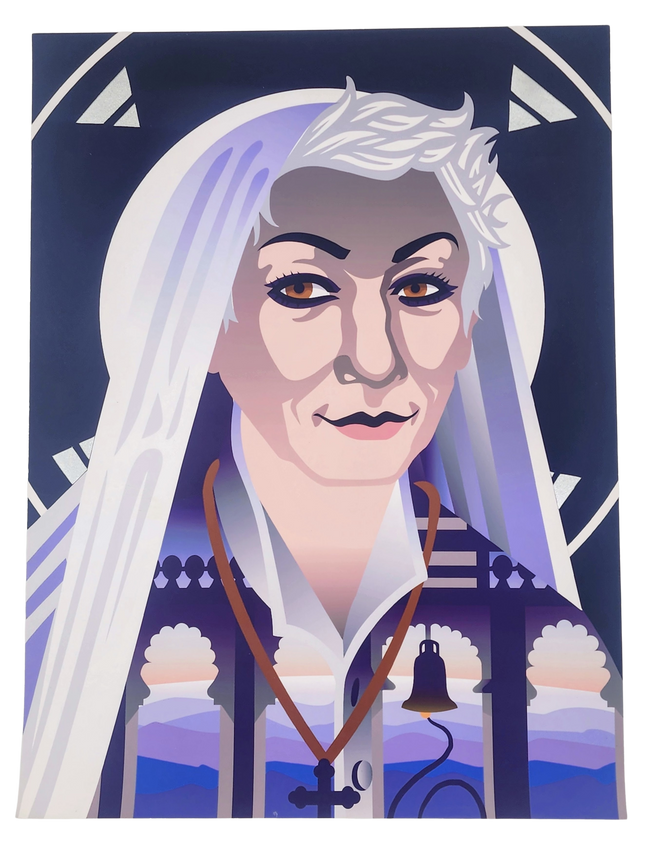
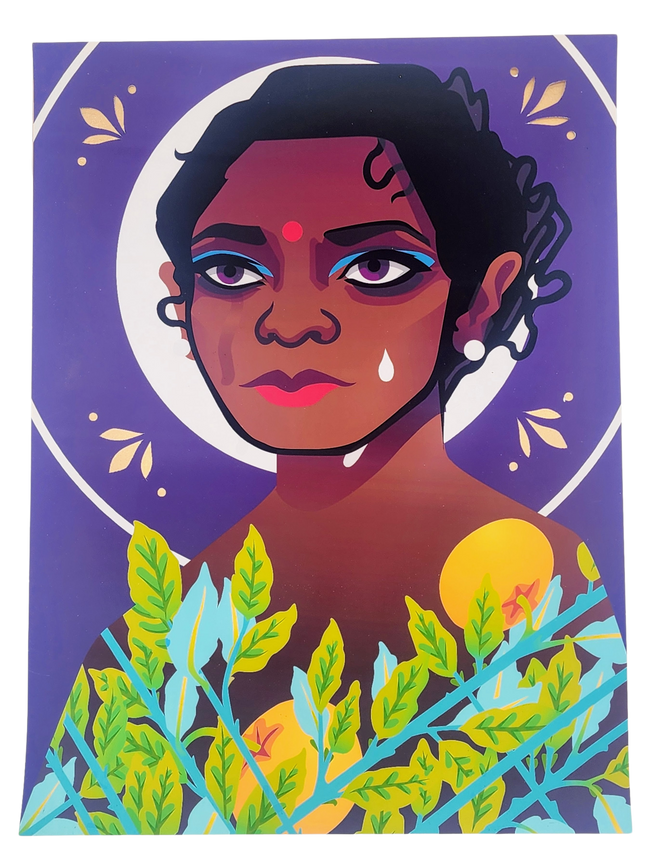
Graffiti Artwork in India has emerged not only as a method of aesthetic intervention but as a tool for political resistance. Artists use stencils, wheat-paste posters, and spray paint to challenge caste inequality, gender violence, and economic disparity. Public works often feature women’s faces, slogans in Hindi and Tamil, or reinterpretations of mythological characters in empowered contemporary forms. One notable example is the reinterpretation of goddesses like Durga or Kali in empowering feminist contexts, symbolizing strength, justice, and protection. Street artists in India create work not just for gallery spaces but for communities navigating daily social friction.
The Global Dialogue Within Local Identity
India’s graffiti and pop art movement simultaneously engages with global Street Pop Art while remaining deeply local. Artists are influenced by New York's subway graffiti, Brazil’s social murals, and Japanese Superflat aesthetics, but their messages remain rooted in the Indian lived experience. The bright, saturated color palettes reflect the visual rhythms of festivals like Holi and Diwali. The storytelling evokes Bollywood cinema and epic narratives from the Ramayana and Mahabharata. Typography is often drawn from regional scripts like Devanagari, Kannada, or Bengali, adding linguistic texture and local meaning. India’s contribution to Street Pop Art & Graffiti Artwork is defined by multiplicity, intersection, and devotion. Its walls are covered in celebration, protest, and memory, creating a visual environment that does not just reflect society but reimagines it. Through its artists and streets, India continues to redefine what it means to tell stories in public space.