



Investment Grade Art in Street Pop Art & Graffiti Artwork
Investment grade art in the context of Street Pop Art & Graffiti Artwork refers to works that hold strong potential for financial appreciation while maintaining cultural and aesthetic relevance. These pieces are typically created by artists with a proven market presence, institutional recognition, or consistent collector demand. Investment grade does not solely refer to high price tags; it reflects a combination of rarity, provenance, production quality, and the artist’s trajectory. In the street art market, investment grade works are often part of limited edition silkscreens, mixed media pieces, or original canvases that demonstrate technical skill, conceptual depth, and a unique visual voice. As the line between street culture and fine art continues to dissolve, collectors increasingly look to this category for both long-term value and meaningful engagement.
Qualities That Define Investment Grade Street Pop Works
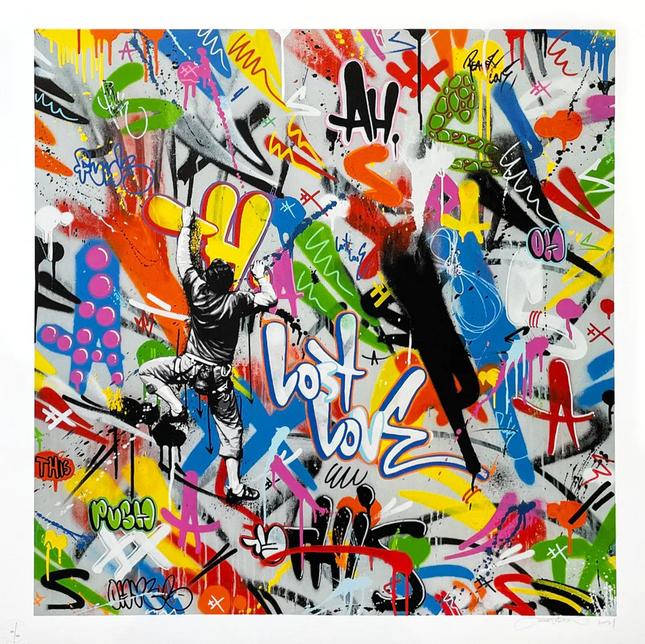
Works considered investment grade within this genre share several defining characteristics. They are most often signed and numbered, with edition sizes kept low to enhance scarcity. Materials play a significant role, with prints produced on museum-grade cotton rag paper or using archival pigments gaining preference among serious collectors. Production details such as embossing, hot wax stamps, hand-embellishments, or augmented reality enhancements elevate the status of the piece. More importantly, these works often carry strong conceptual grounding—whether through political critique, emotional introspection, or historical reinterpretation. Artists such as Cleon Peterson, Shepard Fairey, Handiedan, and Faile have released pieces that consistently meet these standards, with values that have held or appreciated across gallery markets and auction sales.
Market Behavior and Collector Strategy
Collectors who invest in this tier tend to track artist development, auction records, edition control, and institutional endorsements. Releases from trusted galleries such as Thinkspace, Stolenspace, and Subliminal Projects often signal long-term collectibility. Timing is essential—early releases, first editions, and debut HPMs tend to outperform later print runs or open editions. Many investment grade pieces also benefit from global exposure, either through large-scale murals, museum exhibitions, or inclusion in public collections. Scarcity combined with sustained visibility builds credibility, which translates into market resilience. For investors, these works serve both as aesthetic assets and cultural markers, reflecting a moment in time through the lens of urban expression.
The Role of Cultural Value in Investment Art
Unlike traditional financial instruments, investment grade art carries emotional and cultural weight. In Street Pop Art & Graffiti Artwork, this duality is heightened. These pieces often emerge from resistance, identity, satire, or memory, giving them a resonance that transcends surface appeal. The most valuable artworks in this field do not just decorate—they disrupt, inform, and provoke. This depth of message and medium is what distinguishes investment grade work from decorative print runs. As collectors and institutions increasingly recognize the power of street-originated work to define contemporary visual culture, investment grade graffiti and pop art continue to find firm footing in the evolving conversation between finance and artistic legacy.