

Japan

12 artworks

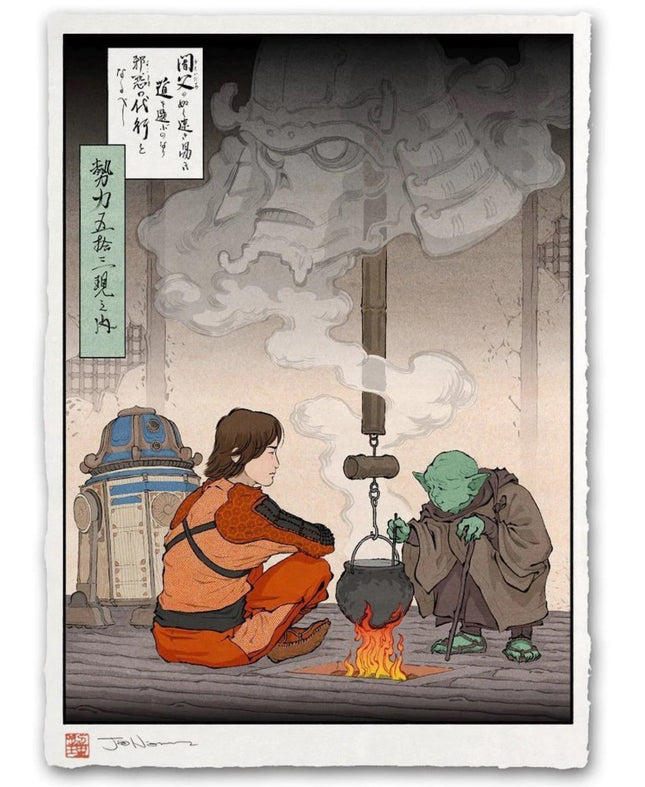
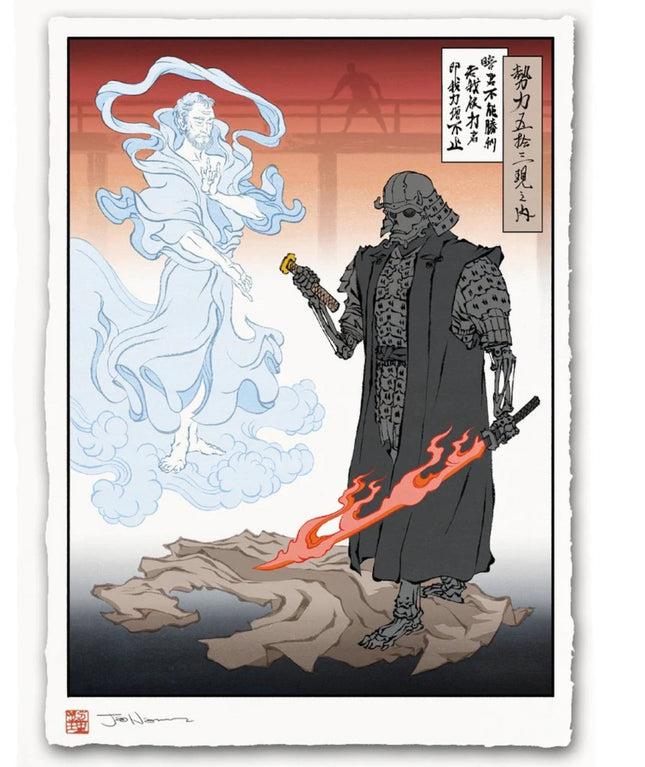
  • The Old Sage Archival Print by Jed Henry

    Jed Henry The Old Sage Archival Print by Jed Henry

    The Old Sage Archival Pigment Fine Art Limited Edition Print on Hand-Made Japanese Paper by Artist Jed Henry. 2022 Signed Limited Edition 12x17 Hand Deckled "If you choose the quick and easy path, you will become an agent of evil"

    $134.00

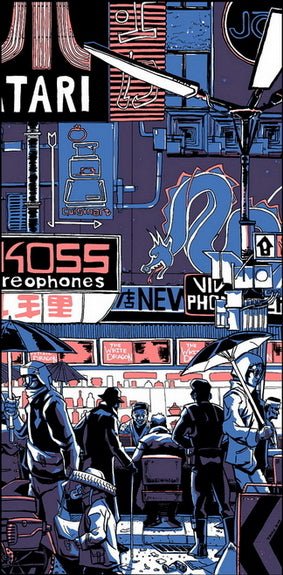
  • The White Dragon Silkscreen Print by Tim Doyle

    Tim Doyle The White Dragon Silkscreen Print by Tim Doyle

    The White Dragon Limited Edition 4-Color Hand-Pulled Silkscreen Print on Heavy Paper by Tim Doyle Graffiti Street Artist Modern Pop Art. 2013 Signed & Numbered Limited Edition of 300 Series VI Artwork Size 12x24. Silver Metallic Ink Rain. This print is a collaboration by Tim Doyle and Nick Derington. It is marked by hand with a VII and features white margins. Based on the movie Blade Runner. The White Dragon Silkscreen Print by Tim Doyle Tim Doyle’s The White Dragon is a visually stunning example of street pop art and graffiti artwork, blending cyberpunk influences with a meticulously detailed urban landscape. Created in 2013 as a four-color hand-pulled silkscreen print on heavy paper, this piece is part of a limited edition of 300. Marked by hand with a VII and featuring white margins, it incorporates silver metallic ink to create a shimmering rain effect that enhances the nocturnal cityscape. Produced in collaboration with artist Nick Derington, this work captures the electric atmosphere of a futuristic metropolis, drawing direct inspiration from the film Blade Runner. The Influence of Blade Runner on Urban Aesthetics This artwork immerses viewers in a dystopian city filled with neon signage, dark alleyways, and a layered mix of old-world commerce and futuristic technology. Inspired by the cinematic aesthetic of Blade Runner, Doyle’s composition reflects the film’s influential visual elements, including a fusion of Asian street markets, high-rise advertisements, and a constantly wet, illuminated landscape. The presence of the neon blue dragon, floating street signs, and figures huddled beneath umbrellas reinforces the cyberpunk mood. These elements establish a stark contrast between the glowing artificial lights and the dark silhouettes of the figures navigating the rain-soaked streets. The depth of the composition creates a multi-layered experience, guiding the viewer’s eye from the foreground figures to the towering structures in the background. The inclusion of recognizable brand logos, such as Atari and Koss, adds a layer of nostalgia while also emphasizing the consumer-driven nature of this futuristic world. This combination of commercial imagery and gritty urban realism is a signature aspect of street pop art and graffiti artwork, reflecting a broader commentary on technological evolution and cultural fusion. Tim Doyle’s Approach to Modern Pop Art Tim Doyle is known for his ability to translate cinematic atmospheres into screen-printed artwork that retains the raw energy of street pop art. His background in illustration and printmaking enables him to create pieces that feel both graphic and atmospheric. In The White Dragon, his use of silver metallic ink gives the rain an almost animated quality, making the urban setting feel alive. The careful balance of blue, red, and dark tones enhances the stark contrast between artificial and natural elements, reinforcing the tension between technology and human existence in an ever-evolving world. The hand-pulled silkscreen process gives this print a tangible, tactile quality that digital art cannot replicate. The layering of ink creates a sense of depth, with each stroke adding to the intricate details that define the composition. The white margins frame the artwork, making it feel like a preserved moment in time—capturing a city that never sleeps, constantly evolving yet trapped in a timeless aesthetic. The Legacy of The White Dragon in Graffiti and Street Pop Art As part of Doyle’s ongoing exploration of film-inspired urban landscapes, The White Dragon serves as a testament to the lasting impact of cyberpunk on modern art. This limited edition print, with its meticulous craftsmanship and immersive storytelling, bridges the gap between cinematic nostalgia and contemporary visual culture. The combination of hand-pulled silkscreen techniques, bold graphic lines, and neon-infused color palettes aligns with the aesthetics of street pop art and graffiti artwork, making it a standout piece in Doyle’s body of work. Through this print, Doyle and Derington successfully transport viewers into a world that feels both familiar and futuristic, where rain never stops falling, and neon lights never dim. The White Dragon is more than just a depiction of a dystopian city; it is a celebration of the visual language that has defined generations of urban dreamers, storytellers, and artists.

    $291.00

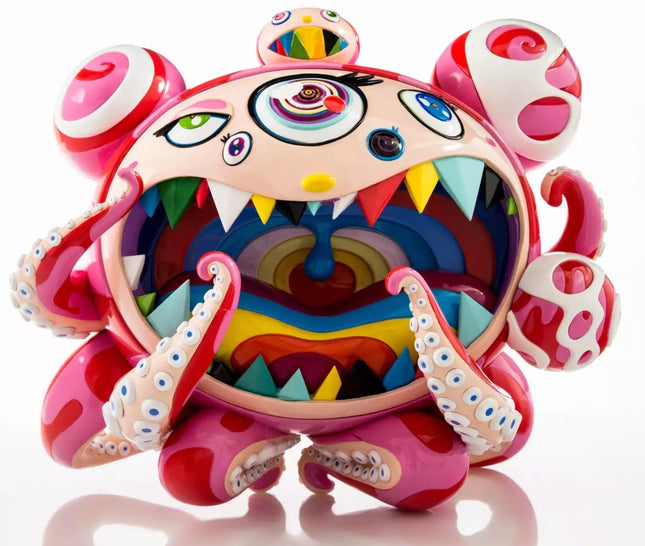
  • Mr Dob B Art Toy Sculpture by Takashi Murakami TM/KK

    Takashi Murakami TM/KK Mr Dob B Art Toy Sculpture by Takashi Murakami TM/KK

    Mr Dob B Limited Edition Vinyl Art Sculpture Collectible Artwork by Japanese Pop Culture Artist Takashi Murakami TM/KK x BAIT. 2017 Limited Edition of 800 Complexcon x BAITx Takashi Murakami 9x12x8 Perfect Like New Displayed With Box. Mr. Dob B Vinyl Sculpture by Takashi Murakami: Multicolor Chaos in Street Pop Art & Graffiti Artwork Mr. Dob B is a 2017 limited edition vinyl art sculpture by Japanese artist Takashi Murakami, created in collaboration with BAIT and released during ComplexCon in a run of 800 pieces. Measuring approximately 9x12x8 inches, the piece features Murakami’s signature character Mr. Dob, a hybrid creation that combines mouse-like ears with a psychedelic, manic expression and vibrant color scheme. Presented in a sculptural format with a fully illustrated collector’s box, the figure exemplifies Murakami’s ability to translate two-dimensional visual chaos into tactile three-dimensional form. The piece embodies a convergence of Japanese superflat aesthetics, otaku subculture, and fine art sculpture, aligning closely with the language and impact of Street Pop Art & Graffiti Artwork. Design, Dimension, and Character Evolution Mr. Dob B is one of the most striking physical manifestations of Murakami’s universe, with the figure’s open jaw revealing an internal vortex of teeth, tongues, rainbows, and spikes. The swirling eyes, exaggerated facial features, and tentacle-like limbs transform the figure into an optical spectacle that defies traditional character design. Built in high-gloss vinyl with a candy-like finish, the sculpture holds presence and reflects light like a futuristic idol. Murakami’s layering of pop references, Japanese animation cues, and commercial color schemes results in a form that feels both celebratory and confrontational. This version of Mr. Dob functions as a physical distillation of the visual overload often seen in Murakami’s paintings and murals. It is a figure both familiar and terrifying, comical and aggressive, simultaneously referencing kawaii culture and subverting it. Takashi Murakami’s Influence on Pop-Driven Collectible Sculpture Takashi Murakami, born in Japan in 1962, is widely recognized as a central figure in contemporary pop-infused fine art. His work blurs distinctions between high culture and consumerism, integrating anime, fashion, and graffiti into museum-level exhibitions and commercial collaborations. Mr. Dob, introduced in the mid-1990s, has become one of Murakami’s most recognizable motifs—part mascot, part avatar, part marketing critique. In the context of Street Pop Art & Graffiti Artwork, Murakami’s vinyl sculptures function as icons of consumer subversion. They are designed to be collected, displayed, and celebrated, yet they contain within them the coded languages of branding, art history, and digital culture. With the release of Mr. Dob B at ComplexCon—a marketplace event known for its intersection of streetwear, art, and hype—Murakami further positioned the sculpture as an emblem of culture remix and high-art accessibility. Limited Edition Vinyl as a Pop-Cultural Time Capsule The 2017 Mr. Dob B edition is packaged in a large format, fully printed box that mirrors the chaotic aesthetic of the figure inside. Each sculpture is factory-finished to perfection, with clean paint applications and balanced form, echoing the commercial polish of designer toy culture. Yet unlike mass-market collectibles, this figure is part of a limited edition, marking its exclusivity and artistic integrity. Murakami’s presence at ComplexCon signaled a shift—where fine art not only entered the hype arena but became central to it. In Street Pop Art & Graffiti Artwork, this edition stands as a time capsule of visual culture—playful, precise, and entirely aware of its impact. Mr. Dob B is not merely a sculpture but a statement about saturation, spectacle, and the evolving definition of art in a media-drenched world.

    $3,645.00

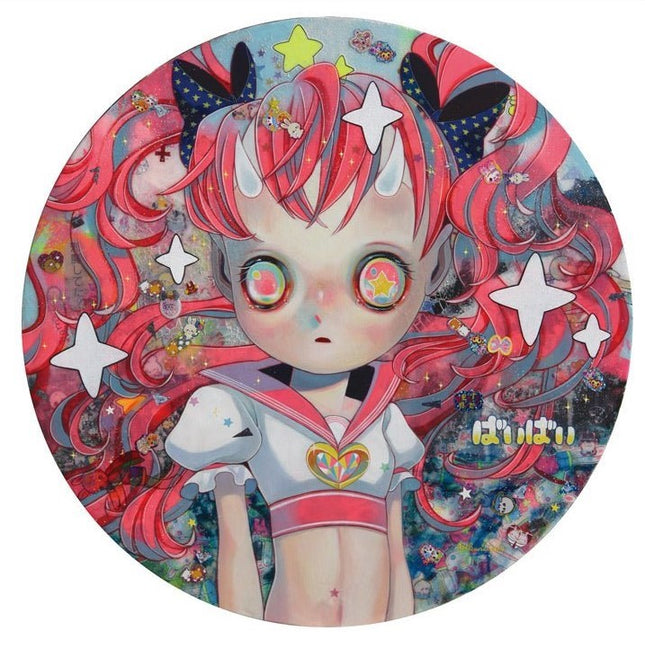
  • Solitary Child 1 Archival Print by Hikari Shimoda

    Hikari Shimoda Solitary Child 1 Archival Print by Hikari Shimoda

    Solitary Child 1 Limited Edition Archival Pigment Prints on 310gsm Fine Art Paper by Hikari Shimoda Graffiti Street Artist Modern Pop Art. 2016 Signed & Numbered Limited Edition of 50 Artwork Size 12x12 "Solitary Child is a series of works, focused on my original theme of the inevitability of the Apocalypse. In this series, I am offering a new savior for humankind- she is a magical girl (Solitary Child #1) and a little boy hero (Solitary Child #3). In the world of my paintings, humanity has perished, as seen in the collage background, where there is an expressed chaos throughout. In these images, my saviors have come upon the dying human race. After the death of man, the world has found some relief from the turmoil that he has brought upon it. Meanwhile, mankind selfishly dreams of newfound happiness in his afterlife. In the mythology of my work, as humanity is destroyed, only one figure remains and that is the Messiah represented as a child. The magical girl was the first to be left alone after humanity was destroyed, left to deal with the despair and damage he left behind. Her eyes are shining and sparkling, but her stare is blank. In contrast, my hero’s eyes are closed ever so gently. To him, everything in the world is very chaotic and overwhelming. He feels all of its happiness, despair, hope, sadness, everything… in such a state, even the world’s savior must shut his eyes to it." - Hikari Shimoda Solitary Child 1 Archival Pigment Print by Hikari Shimoda Solitary Child 1 is a haunting yet luminous work by Japanese artist Hikari Shimoda, executed as a limited edition archival pigment print on 310gsm fine art paper in 2016. Measuring 12x12 inches and part of a signed and numbered edition of only 50 pieces, the print is an exemplary artifact of modern Street Pop Art & Graffiti Artwork. Hikari Shimoda’s visual language is deeply influenced by anime, manga, and the traditions of Japanese pop culture, yet she transcends those frameworks by embedding layered commentary on psychological turmoil, existential despair, and the fractured identity of post-apocalyptic innocence. A Childlike Messiah in a Dystopian Aftermath Solitary Child 1 features a central character presented with almost overwhelming intensity: a young girl in a magical girl costume with heart motifs and sailor-style attire. Her pink and red hair bursts outward, saturated with visual energy, covered in stars and cosmic motifs. The round composition suggests a window into another dimension, one that has already processed the collapse of humanity. Her large, glowing eyes, rendered with 3D-like chromatic effects, stare blankly ahead, neither judgmental nor mournful. This emptiness is intentional, a thematic thread in Shimoda’s work meant to evoke both detachment and forced resilience. Within the background—a swirling collage of detritus, symbols, and abstract fragments—the chaos of a forgotten civilization bleeds through. Shimoda situates her character as both witness and survivor. The child does not weep for the world but exists beyond it, as its last remnant or perhaps as its reluctant redeemer. Her eyes, sparkling with galaxies and stars, are full of wonder and terror. Her small frame is juxtaposed against the density of visual information around her, reminding the viewer that she is no longer a child in the traditional sense but a totem for hope, destruction, memory, and transcendence. The Narrative of the Apocalypse and Magical Realism This print is part of Shimoda’s larger Solitary Child series, which contemplates the inevitable downfall of humankind and the rise of symbolic children as messianic figures. Her use of magical girl archetypes and child heroes blends contemporary kawaii aesthetics with harrowing existential themes. The result is a visual paradox: alluring and innocent on the surface, but deeply reflective of societal failure, emotional vacancy, and the search for meaning after cultural ruin. Solitary Child 1 is more than a work of visual pop; it is a philosophical reflection clothed in vibrant, hallucinogenic textures. A Singular Voice in Pop Apocalyptic Visual Language Hikari Shimoda’s Solitary Child 1 stands at the intersection of anime fantasy, pop aesthetics, and postmodern emotional realism. Printed with extraordinary precision on archival paper, the piece balances delicate brush textures with high-impact digital color precision. Each work in the edition is hand-signed and individually numbered, preserving its place in the limited pantheon of collectible Street Pop Art & Graffiti Artwork. As Shimoda continues to rise in global prominence, pieces like Solitary Child 1 serve as portals into her richly imagined mythos—where apocalyptic desolation and magical innocence collide to question what it means to save a world that cannot save itself.

    $298.00

  • Struck Down Archival Print by Jed Henry

    Jed Henry Struck Down Archival Print by Jed Henry

    Struck Down Archival Pigment Fine Art Limited Edition Print on Hand Made Japanese Paper by Artist Jed Henry. 2022 Signed Limited Edition 12x17 Hand Deckled "If I am struck down, Then the increase of my power will become unstoppable."

    $134.00

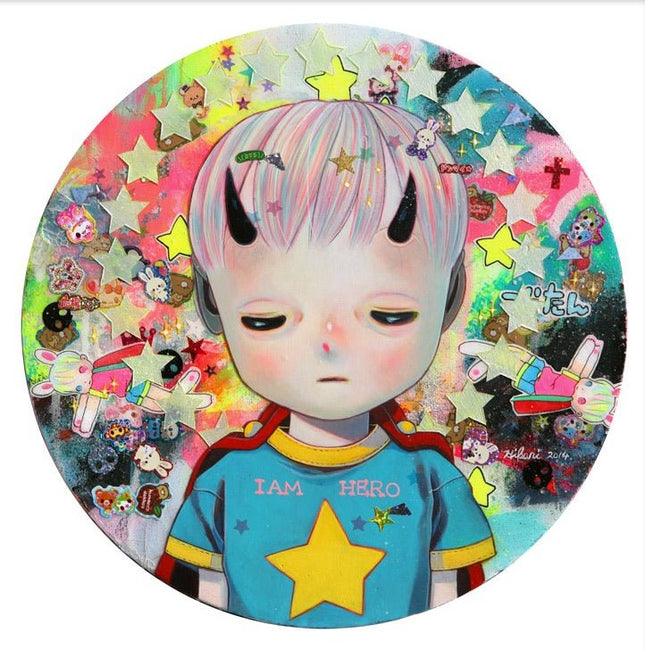
  • Solitary Child 3 Archival Print by Hikari Shimoda

    Hikari Shimoda Solitary Child 3 Archival Print by Hikari Shimoda

    Solitary Child 3 Limited Edition Archival Pigment Prints on 310gsm Fine Art Paper by Hikari Shimoda Graffiti Street Artist Modern Pop Art. 2016 Signed & Numbered Limited Edition of 50 Artwork Size 12x12 "Solitary Child is a series of works, focused on my original theme of the inevitability of the Apocalypse. In this series, I am offering a new savior for humankind- she is a magical girl (Solitary Child #1) and a little boy hero (Solitary Child #3). In the world of my paintings, humanity has perished, as seen in the collage background, where there is an expressed chaos throughout. In these images, my saviors have come upon the dying human race. After the death of man, the world has found some relief from the turmoil that he has brought upon it. Meanwhile, mankind selfishly dreams of newfound happiness in his afterlife. In the mythology of my work, as humanity is destroyed, only one figure remains and that is the Messiah represented as a child. The magical girl was the first to be left alone after humanity was destroyed, left to deal with the despair and damage he left behind. Her eyes are shining and sparkling, but her stare is blank. In contrast, my hero’s eyes are closed ever so gently. To him, everything in the world is very chaotic and overwhelming. He feels all of its happiness, despair, hope, sadness, everything… in such a state, even the world’s savior must shut his eyes to it." - Hikari Shimoda Solitary Child 3 Archival Pigment Print by Hikari Shimoda Solitary Child 3 by Hikari Shimoda is a vivid embodiment of emotional symbolism and post-apocalyptic narrative rendered through the lens of Japanese Street Pop Art & Graffiti Artwork. Released in 2016 as a signed and numbered archival pigment print limited to 50 editions, the artwork measures 12x12 inches and is printed on 310gsm fine art paper. This circular piece, like its counterpart Solitary Child 1, presents a child as a spiritual savior in the wake of humanity’s collapse. However, where the magical girl of the first installment gazes outward with shining eyes, Solitary Child 3 closes his eyes to the world, weighed down by its chaos and sorrow. The Child Hero as a Symbol of Emotional Overload The central figure is a young boy depicted with softly closed eyes, a vacant expression, and flushed cheeks. His pale, almost ghostlike complexion contrasts with the electric vibrancy of the chaotic collage behind him. The boy wears a star-laden shirt with the phrase I AM HERO emblazoned across the chest. This phrase is not a declaration of ego but a burden of responsibility in a world shattered by human error. With small black horns rising from his head and a solemn composure, the character straddles the line between innocence and burdened divine messenger. Hikari Shimoda’s universe exists in a fantastical space where childlike visuals are infused with heavy existential themes. The surrounding background in Solitary Child 3 is littered with neon stars, stickers, anime-inspired creatures, and cultural flotsam. The visual chaos symbolizes the overstimulation of modern society and the debris left behind after its collapse. The messianic child stands amid this wreckage, absorbing it all in quiet contemplation. Unlike heroes who fight with swords or powers, this savior’s resistance lies in his inward emotional experience. Aesthetic Tension Between Kawaii and Catastrophe Shimoda blends traditional Japanese pop culture imagery with deeply contemporary anxieties. The work’s aesthetic borrows heavily from kawaii sensibilities—cute characters, colorful motifs, childlike wonder—but it is filtered through a lens of apocalypse, grief, and spiritual ambiguity. The character is not smiling. His closed eyes speak to a need to shut out the pain of the world, even as he must stand as its redeemer. The artist challenges the viewer to question what innocence means when it exists in the shadow of destruction, and what heroism requires when the world has already ended. Pop Iconography Transformed Through Spiritual Narrative Solitary Child 3 situates itself within the new wave of Street Pop Art & Graffiti Artwork by merging painterly techniques, manga aesthetics, and conceptual symbolism. Hikari Shimoda’s work challenges traditional Western ideas of what children represent in visual culture. Here, the child is not naive or oblivious but rather deeply aware, spiritually complex, and emotionally overwhelmed. The use of archival pigment print on heavy fine art paper preserves both the vibrancy and the texture of the original, allowing collectors to experience the intimacy and power of Shimoda’s vision. This print serves as a profound statement within Shimoda’s mythological continuum. It reminds the viewer that amid ruin, the last figure standing is not a politician or warrior, but a child—silent, enduring, and burdened with the sorrow of a fallen world.

    $298.00

  • ZX 2K Boost Pure Atmos Size 12 Shoe by Adidas Shoes

    Adidas Shoes ZX 2K Boost Pure Atmos Size 12 Shoe by Adidas Shoes

    Unworn New Old Stock Adidas ZX 2K Boost Pure Atmos- Size 12 Shoe Rare Limited Edition Sneaker Artwork Collectible. Give your look a boost of color. Co-created with celebrated Tokyo-based boutique Atmos, these Adidas ZX 2K Boost Pure Shoes fuse heritage ZX running style with fresh color. Pops of animal print and woven details stand out across the sleek leather build. The half-encapsulated full-length Boost midsole keeps you feeling energized whether you're busy running your start-up or just out running errands.

    $256.00

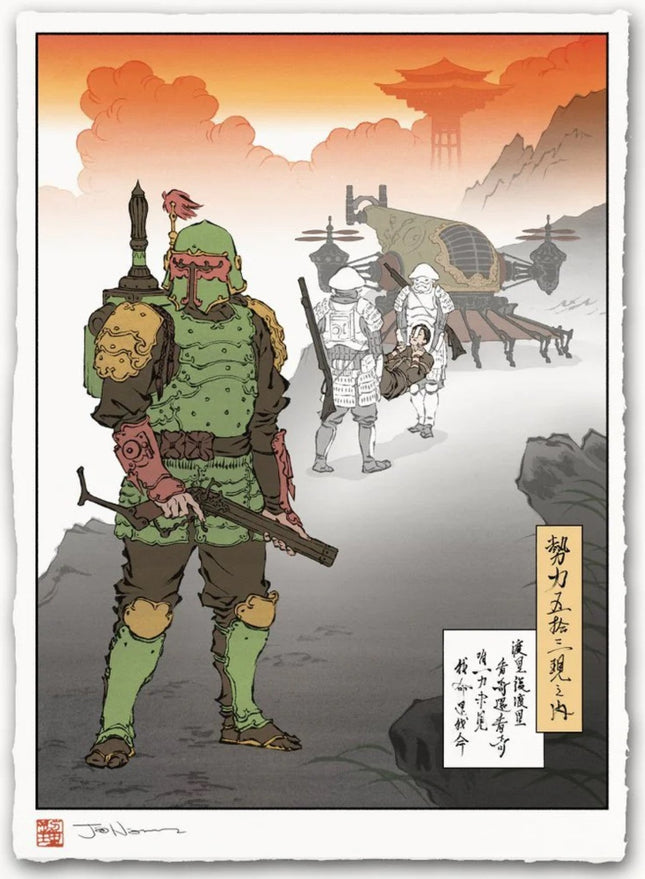
  • The Hunters Quarry Archival Print by Jed Henry

    Jed Henry The Hunters Quarry Archival Print by Jed Henry

    The Hunters Quarry Archival Pigment Fine Art Limited Edition Print on Hand-Made Japanese Paper by Artist Jed Henry. 2022 Signed Limited Edition 12x17 Hand Deckled "I've crossed the galaxy, and crossed again, I've seen strange things, and seen strange things again, But I've never seen a singular Force, My life is mine"

    $134.00

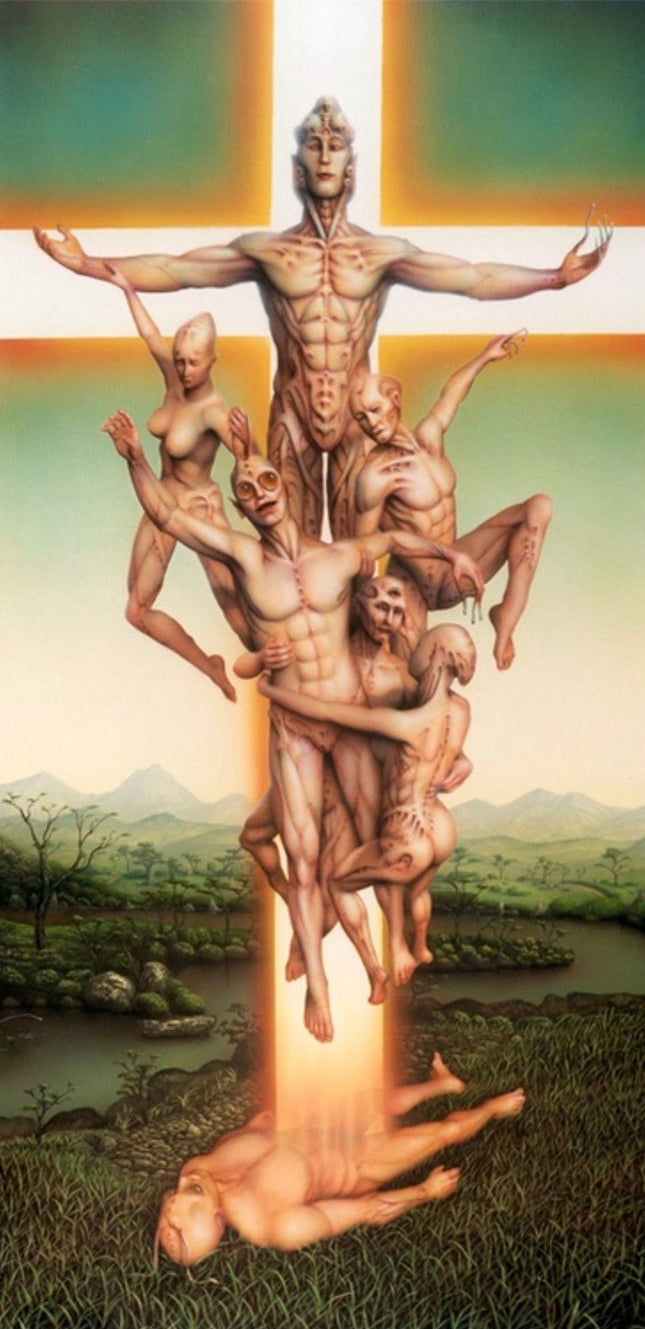
  • Ascension Giclee Print by Naoto Hattori

    Naoto Hattori Ascension Giclee Print by Naoto Hattori

    Ascension Artwork Giclee Limited Edition Surreal Print on 100% Cotton Rag Fine Art Paper by Pop Culture Graffiti Artist Naoto Hattori.

    $218.00

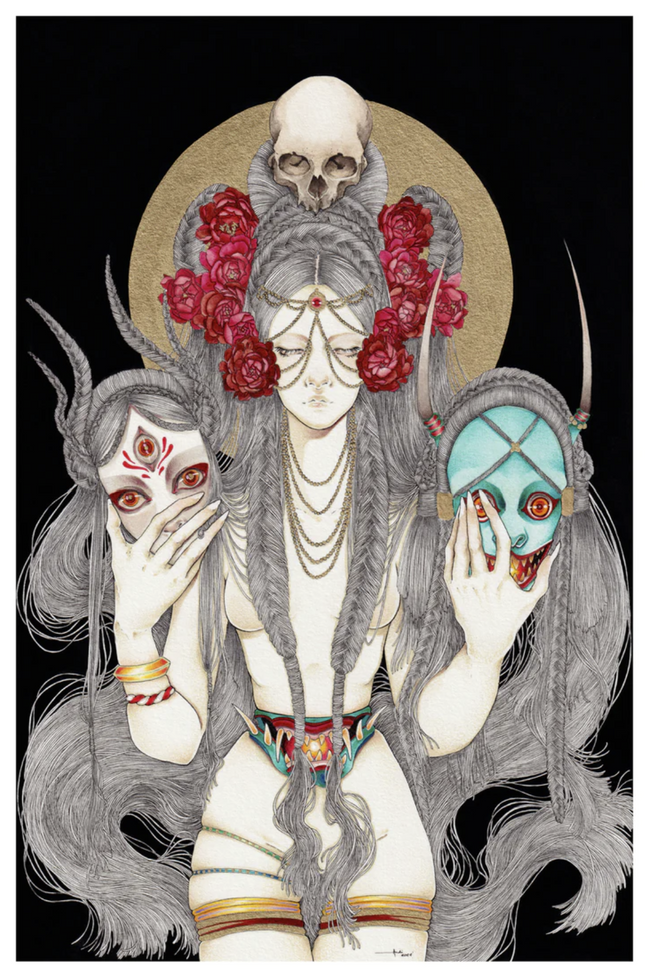
  • The Removal of Masks Archival Print by Andi Soto

    Andi Soto The Removal of Masks Archival Print by Andi Soto

    The Removal of Masks Archival Print by Andi Soto Archival Pigment Fine Art Limited Edition Print on Fine Art Paper Pop Artist Modern Artwork. 2022 Signed & Numbered Limited Edition of 50 Artwork Size 12x18

    $210.00

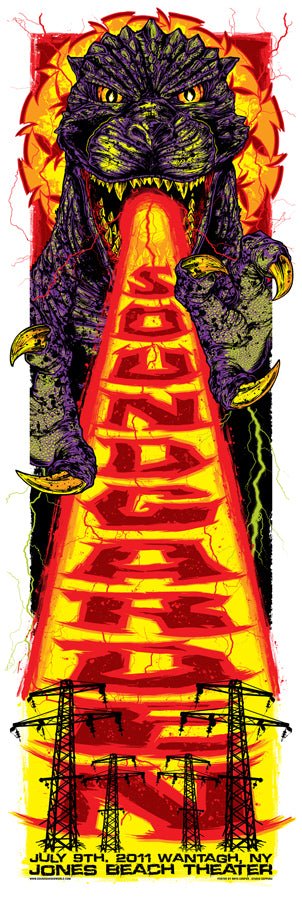
  • Godzilla Soundgarden Jones Beach NY 2011 Silkscreen Print by Rhys Cooper

    Rhys Cooper Godzilla Soundgarden Jones Beach NY 2011 Silkscreen Print by Rhys Cooper

    Godzilla Soundgarden Jones Beach NY 2011 Music Limited Edition Gig Poster 5-Color Hand-Pulled Silkscreen Print Artwork on Fine Art Paper by Rhys Coopers. July 9th 2011 Wantagh New York Jones Beach Theater Godzilla Music Print For Chris Cornell Band Soundgarden.

    $307.00

  • Master Stroke AP Silkscreen Print by Tim Doyle

    Tim Doyle Master Stroke AP Silkscreen Print by Tim Doyle

    Master Stroke Limited Edition 4-Color Hand-Pulled Silkscreen Print on Fine Art Paper by Tim Doyle Graffiti Street Artist Modern Pop Art. AP Artist Proof 1st Edition

    $249.00

Baby Milo Horizon 400% Be@rbrick by Medicom Toy x Karimoku
apan has been a significant influence in the world of art, and graffiti and pop art are no exceptions. In the 1970s and 1980s, Japan became a hotbed for both graffiti and pop art, and since then, it has influenced artists from around the world. Graffiti art in Japan has a unique style that combines traditional Japanese calligraphy with modern graffiti techniques. The result is a style that is both contemporary and rooted in Japanese culture. One of the most prominent graffiti artists in Japan is known as ESOW, who has been active since the early 2000s. His work often features a combination of cartoon-like characters and calligraphy, and he has gained international recognition for his unique style. Pop art in Japan has a different style than the pop art that originated in the West. Japanese pop art, or "Superflat," was popularized by the artist Takashi Murakami in the 1990s. Superflat is characterized by bright colors, anime and manga influences, and flat, two-dimensional shapes. Murakami's work often features cute and whimsical characters, such as his famous "Mr. DOB" character, which is based on Mickey Mouse. Other notable Japanese pop artists include Yoshitomo Nara, who is known for his edgy and provocative depictions of children, and Yayoi Kusama, whose work often features polka dots and psychedelic patterns. In addition to the unique styles of graffiti art and pop art that originated in Japan, the country has also had a significant influence on street art and urban culture as a whole. Tokyo, in particular, has become a hub for street art and graffiti, with many artists using the city's walls and buildings as a canvas. One notable street artist from Japan is Aiko Nakagawa, who goes by the moniker Aiko. Her work often features bold, colorful images of strong women, and she has gained international recognition for her murals and installations around the world. Another prominent Japanese artist in the world of street art is the collective known as teamLab. The group creates immersive, interactive installations that blur the line between art and technology. Their work often features elements of Japanese culture and tradition, such as cherry blossoms and traditional calligraphy. In the realm of pop culture, Japan has also had a significant impact on music and fashion. The country's fashion scene, which is known for its avant-garde and streetwear styles, has influenced fashion trends around the world. Japanese music, particularly J-pop and anime soundtracks, has also gained a dedicated following outside of Japan. Overall, Japan's influence on graffiti art and pop art is just one part of a broader cultural impact that the country has had on the world. From street art to fashion to music, Japan continues to be a source of inspiration for artists and creatives around the globe. There have been many famous and influential Japanese artists throughout history. Here is a list of some of the most notable: Hokusai Katsushika - A painter and printmaker from the Edo period, known for his iconic print "The Great Wave off Kanagawa." Yayoi Kusama - A contemporary artist known for her bold and colorful installations and sculptures, often featuring polka dots. Takashi Murakami - A contemporary artist who is credited with founding the "Superflat" movement of pop art in Japan. Yoshitomo Nara - A contemporary artist known for his stylized and edgy depictions of children and animals. Hiroshige Utagawa - A painter and printmaker from the Edo period, known for his landscape prints. Isamu Noguchi - A sculptor and designer who worked in a variety of mediums, including stone, wood, and metal. Tadanori Yokoo - A graphic designer and artist known for his psychedelic and colorful works. Shiko Munakata - A woodblock printmaker who was awarded the title of Living National Treasure in Japan. Kishio Suga - A contemporary sculptor and installation artist who was a part of the Mono-ha movement in Japan. Kazuo Shiraga - A painter who was a part of the Gutai group, a post-war Japanese avant-garde art collective. This list is by no means exhaustive, as there are many other notable Japanese artists from a variety of disciplines and time periods.
Footer image

© 2025 Sprayed Paint Art Collection,

    • Amazon
    • American Express
    • Apple Pay
    • Bancontact
    • Diners Club
    • Discover
    • Google Pay
    • iDEAL
    • Mastercard
    • PayPal
    • Shop Pay
    • Visa

    Login

    Forgot your password?

    Don't have an account yet?
    Create account