
Japan

2 artworks

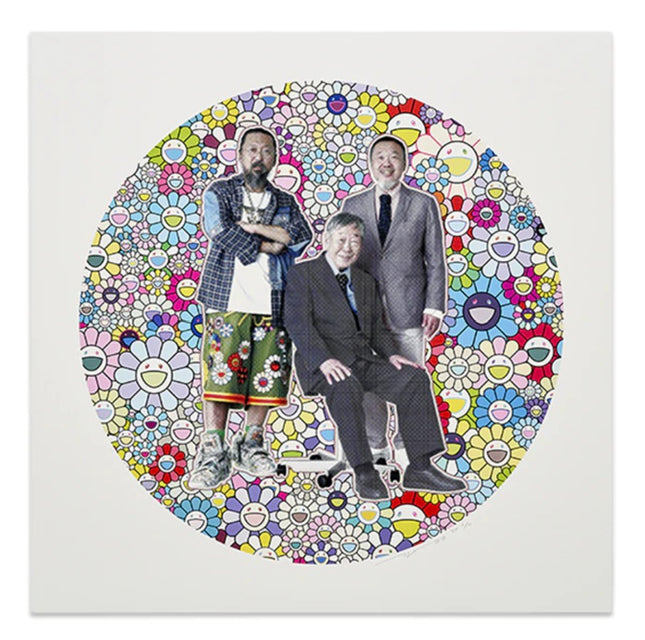
  • Rhapsody of a Foolish Family SP Silkscreen Print by Takashi Murakami TM/KK

    Takashi Murakami TM/KK Rhapsody of a Foolish Family SP Silkscreen Print by Takashi Murakami TM/KK

    Rhapsody of a Foolish Family SP Special Proof Hand-Pulled Color Silkscreen Print on Fine Art Paper by Pop Graffiti Artist Murakami Takashi TM/KK Rare Street Art Limited Edition Artwork. SP State Artist Proof 2020 Signed & Numbered Limited Edition of 10 Artwork Size 23.62x23.62

    $2,941.00

  • Sansho Copper HPM PP Silkscreen Print by Fin DAC

    Fin DAC Sansho Copper HPM PP Silkscreen Print by Fin DAC

    Sansho Copper HPM PP Printers Proof Silkscreen Print by Fin DAC 23-Color Screen Print on 330gsm Somerset Fine Art Paper Limited Edition Pop Street Art Artwork. PP Printers Proof 2020 Signed & Marked PP Copper Leaf HPM Hand Finished Embellished Limited Edition Artwork Size 23.62x33.46 Concept and Execution in Fin DAC's Artwork The "Sansho Copper HPM PP" silkscreen print stands as a significant piece within the oeuvre of the artist Fin DAC, known for his distinctive fusion of street pop art and traditional painting techniques. The piece is part of a limited edition, highlighting the artist's intricate work with a 23-color screen print on 330gsm Somerset fine art paper, a testament to the high quality and attention to detail hallmarks of Fin DAC's art. In "Sansho Copper HPM PP," Fin DAC showcases his mastery of color and form. The image is a striking portrait featuring a subject adorned in traditional Asian attire, overlaid with vibrant, explosive color patterns and copper leaf embellishments. This contrast of the subject's serene, almost stoic, expression with the dynamic splashes of color reflects the artist's aim to juxtapose the calm of the figure with the chaos of the surrounding environment, a theme prevalent in street pop art. Artistic Significance and Cultural Impact The artwork is marked PP, denoting 'Printer's Proof,' indicating its status as a rare piece outside the standard numbered series. Fin DAC's decision to sign and mark these proofs assures collectors of authenticity and exclusivity. The copper leaf HPM, or 'Hand Painted Multiple,' signifies that each piece in the edition, while part of a series, contains unique hand-applied elements, making each print a standalone work of art. Technique and Materials Fin DAC employs silkscreen printing, a technique beloved in street art and pop art for producing vibrant, crisp images. Using 23 separate screens to apply color illustrates the complexity and labor-intensiveness of the process. The 330gsm Somerset paper, chosen for its high quality and durability, ensures that the artwork's vivid colors and intricate details are preserved. Placement in Pop and Street Art "Sansho Copper HPM PP" manifests how street pop art can be accessible and sophisticated. By incorporating traditional elements of pop art, such as screen printing and vivid coloration, with the nuanced details of hand embellishment, Fin DAC bridges the gap between street art's raw energy and fine art's refined techniques. This piece exemplifies the potential of street pop art to not only exist within the public sphere but also to hold a prestigious place in private collections. Fin DAC's Influence on Contemporary Art Fin DAC has carved a niche for himself within the art world by consistently delivering visually arresting and thematically resonant works. His ability to capture the essence of his subjects while infusing them with a modern aesthetic has made him a prominent figure in the dialogue surrounding contemporary street pop art. "Sansho Copper HPM PP" is a testament to Fin DAC's skill in creating pieces that resonate with a broad audience and contribute to the discourse of what constitutes art in the modern era. "Sansho Copper HPM PP" by Fin DAC is an exemplar of contemporary street pop art and a significant contribution to the evolving narrative of pop art and graffiti artwork. It showcases the potential for traditional art forms to adapt and thrive in the context of modern aesthetics and cultural commentary. This print stands as a vibrant intersection of history, culture, and contemporary art, reflecting the diverse and dynamic nature of the genre.

    $6,301.00

Baby Milo Horizon 400% Be@rbrick by Medicom Toy x Karimoku
apan has been a significant influence in the world of art, and graffiti and pop art are no exceptions. In the 1970s and 1980s, Japan became a hotbed for both graffiti and pop art, and since then, it has influenced artists from around the world. Graffiti art in Japan has a unique style that combines traditional Japanese calligraphy with modern graffiti techniques. The result is a style that is both contemporary and rooted in Japanese culture. One of the most prominent graffiti artists in Japan is known as ESOW, who has been active since the early 2000s. His work often features a combination of cartoon-like characters and calligraphy, and he has gained international recognition for his unique style. Pop art in Japan has a different style than the pop art that originated in the West. Japanese pop art, or "Superflat," was popularized by the artist Takashi Murakami in the 1990s. Superflat is characterized by bright colors, anime and manga influences, and flat, two-dimensional shapes. Murakami's work often features cute and whimsical characters, such as his famous "Mr. DOB" character, which is based on Mickey Mouse. Other notable Japanese pop artists include Yoshitomo Nara, who is known for his edgy and provocative depictions of children, and Yayoi Kusama, whose work often features polka dots and psychedelic patterns. In addition to the unique styles of graffiti art and pop art that originated in Japan, the country has also had a significant influence on street art and urban culture as a whole. Tokyo, in particular, has become a hub for street art and graffiti, with many artists using the city's walls and buildings as a canvas. One notable street artist from Japan is Aiko Nakagawa, who goes by the moniker Aiko. Her work often features bold, colorful images of strong women, and she has gained international recognition for her murals and installations around the world. Another prominent Japanese artist in the world of street art is the collective known as teamLab. The group creates immersive, interactive installations that blur the line between art and technology. Their work often features elements of Japanese culture and tradition, such as cherry blossoms and traditional calligraphy. In the realm of pop culture, Japan has also had a significant impact on music and fashion. The country's fashion scene, which is known for its avant-garde and streetwear styles, has influenced fashion trends around the world. Japanese music, particularly J-pop and anime soundtracks, has also gained a dedicated following outside of Japan. Overall, Japan's influence on graffiti art and pop art is just one part of a broader cultural impact that the country has had on the world. From street art to fashion to music, Japan continues to be a source of inspiration for artists and creatives around the globe. There have been many famous and influential Japanese artists throughout history. Here is a list of some of the most notable: Hokusai Katsushika - A painter and printmaker from the Edo period, known for his iconic print "The Great Wave off Kanagawa." Yayoi Kusama - A contemporary artist known for her bold and colorful installations and sculptures, often featuring polka dots. Takashi Murakami - A contemporary artist who is credited with founding the "Superflat" movement of pop art in Japan. Yoshitomo Nara - A contemporary artist known for his stylized and edgy depictions of children and animals. Hiroshige Utagawa - A painter and printmaker from the Edo period, known for his landscape prints. Isamu Noguchi - A sculptor and designer who worked in a variety of mediums, including stone, wood, and metal. Tadanori Yokoo - A graphic designer and artist known for his psychedelic and colorful works. Shiko Munakata - A woodblock printmaker who was awarded the title of Living National Treasure in Japan. Kishio Suga - A contemporary sculptor and installation artist who was a part of the Mono-ha movement in Japan. Kazuo Shiraga - A painter who was a part of the Gutai group, a post-war Japanese avant-garde art collective. This list is by no means exhaustive, as there are many other notable Japanese artists from a variety of disciplines and time periods.
Footer image

© 2025 Sprayed Paint Art Collection,

    • Amazon
    • American Express
    • Apple Pay
    • Bancontact
    • Diners Club
    • Discover
    • Google Pay
    • iDEAL
    • Mastercard
    • PayPal
    • Shop Pay
    • Visa

    Login

    Forgot your password?

    Don't have an account yet?
    Create account