Jolly Roger

1 artwork

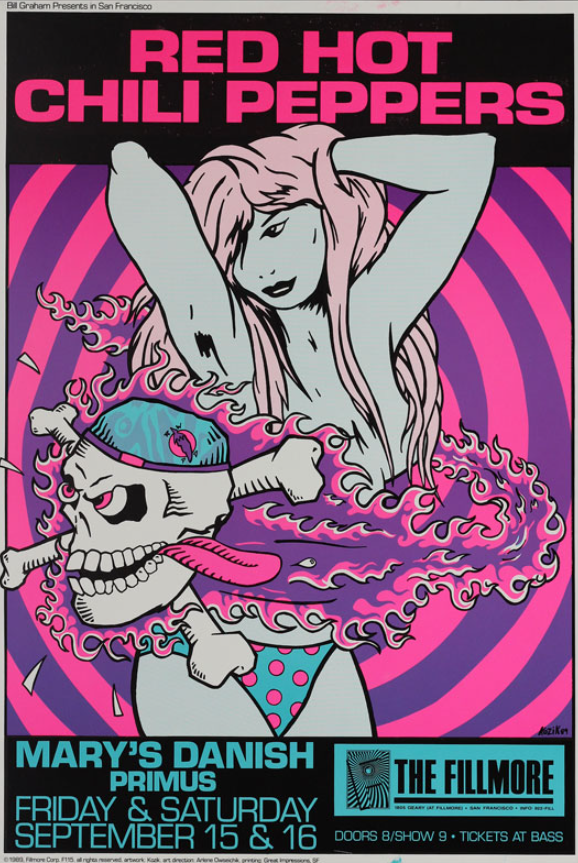
  • Red Hot Chili Peppers 1989 Fillmore Silkscreen Print by Frank Kozik

    Frank Kozik Red Hot Chili Peppers 1989 Fillmore Silkscreen Print by Frank Kozik

    Red Hot Chili Peppers Primus 1989 Fillmore Silkscreen San Francisco CA Print by Frank Kozik Hand-Pulled on Fine Art Paper Limited Edition Pop Street Art Artwork. 1989 Kozik Artwork Size 13x19 Silkscreen Print Band Gig Poster by Frank Kozik. Bill Graham San Francisco The Fillmore Poster F115 Red Hot Chili Peppers Mary's Danish Primus September 15 16, 1989 Red Hot Chili Peppers Primus 1989 Fillmore Silkscreen Print by Frank Kozik The Red Hot Chili Peppers Primus 1989 Fillmore silkscreen print by Frank Kozik is an iconic piece of Street Pop Art & Graffiti Artwork that embodies the rebellious energy of late 1980s underground music and poster culture. Created for the Red Hot Chili Peppers' performance at the legendary Fillmore in San Francisco, this 13x19-inch hand-pulled silkscreen print was commissioned as part of the Bill Graham Presents concert series. Featuring bold colors, surrealist imagery, and an unmistakable punk aesthetic, this piece captures the raw intensity of the era’s alternative rock movement. The inclusion of supporting acts Primus and Mary’s Danish further cements its significance as a relic of an explosive time in live music history. Visual Composition and Artistic Style Frank Kozik’s artistic style is instantly recognizable in this print, with its bold neon hues, high-contrast linework, and provocative subject matter. The composition features a flaming skeleton with an exaggerated grin, clad in a polka-dotted bikini bottom, with its tongue out in a defiant gesture. The presence of a stylized, curvy female figure in the background adds a surreal, almost psychedelic touch, reinforcing the wild, chaotic energy associated with the Red Hot Chili Peppers' music. The background consists of swirling patterns in bright pink and purple, creating a hypnotic effect that draws the viewer into the image. The heavy use of black outlines and exaggerated cartoonish elements reflect Kozik’s influence from underground comics, skate culture, and punk zine aesthetics. The typography follows a classic gig poster format, with large block lettering announcing the headlining act in bright pink against a dark background, while additional text in cyan provides details of the event. This mix of playful, irreverent imagery and structured design highlights Kozik’s mastery in blending controlled chaos with striking visual appeal. Street Pop Art & Graffiti Artwork Influence Frank Kozik’s work stands at the crossroads of Street Pop Art & Graffiti Artwork, merging countercultural aesthetics with fine art printmaking techniques. The poster's aggressive, high-contrast design is reminiscent of graffiti stencils, while the hand-pulled silkscreen process ensures that each print carries a unique, raw texture. The exaggerated punk-inspired figures, combined with psychedelic color palettes, align with the visual language found in 1980s street art and underground concert promotion. This piece reflects the DIY spirit of gig poster culture, where artists crafted promotional artwork that doubled as collectible art. Kozik’s ability to merge lowbrow sensibilities with high-impact design has made his prints some of the most sought-after in the gig poster scene. His background in self-published artwork and street-level design tactics translates into compositions that feel alive, rebellious, and unfiltered. Collectibility and Cultural Impact As an official Fillmore poster, this silkscreen print holds immense historical and artistic value. The late 1980s were a defining era for the Red Hot Chili Peppers, as they blended funk, punk, and rock to create a sound that would later dominate alternative music. The collaboration with Primus, a band equally known for its genre-defying sound, adds to the poster’s significance as a symbol of musical innovation. Frank Kozik’s gig posters have become highly collectible, with limited-edition prints from this era commanding high demand among both art collectors and music fans. The handcrafted nature of the silkscreen process ensures that each piece has its own unique character, reinforcing the authenticity and individuality of the work. Kozik’s influence continues to shape modern poster design, and this print remains a testament to his ability to translate the raw energy of live music into visually arresting artwork. This piece is not just a concert advertisement; it is a statement of the era, an artifact of underground culture, and a masterpiece within the world of Street Pop Art & Graffiti Artwork.

    $750.00

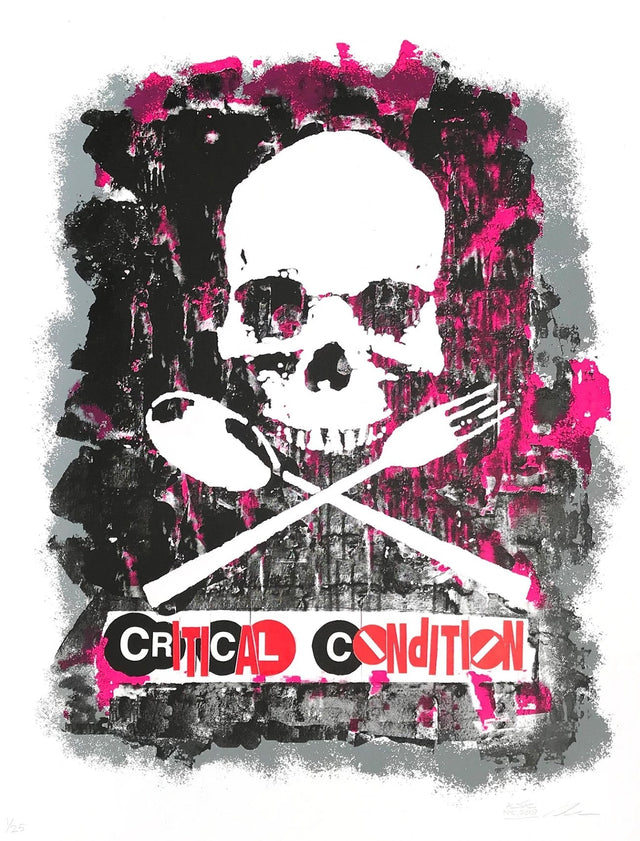
Jolly Roger Graffiti Street Pop Artwork

Jolly Roger in Street Pop Art & Graffiti Artwork

The Jolly Roger, a symbol historically rooted in maritime piracy, has become a recurring image in Street Pop Art & Graffiti Artwork as a marker of rebellion, resistance, and cultural subversion. Traditionally featuring a skull and crossbones or variations of skeletal iconography, this emblem once signaled danger on the high seas. Today, it serves as a potent graphic tool for artists challenging the authority of systems, the saturation of branding, and the commodification of identity. Its stark simplicity and symbolic depth offer artists an instantly recognizable visual language to layer with irony, parody, or critique in public space and gallery settings alike.

Rebellion and Counter-Culture Symbolism

Graffiti writers and street artists have long embraced the Jolly Roger as a statement of defiance. In Street Pop Art & Graffiti Artwork, it often appears spray-painted on walls, stickers, wheatpastes, or modified in stencils with punk aesthetics. The flag’s core visual—the skull—resonates with underground movements and has been reimagined by artists to reflect contemporary anxieties. Sometimes the bones are replaced by paintbrushes, spray cans, or other art tools, creating visual metaphors for creativity as a weapon against societal oppression. The symbol is deployed not as a glorification of violence but as a challenge to compliance, reflecting the outlaw nature of unsanctioned street expression.

Adaptations in Pop Iconography

The Jolly Roger has been appropriated by pop artists and graffiti creators alike to engage with the blurred lines between danger and consumerism. In Street Pop Art, the flag is frequently integrated with logos, cartoons, or figures from mass media. It might appear beneath the branding of corporate empires or intertwined with celebrity images, offering a critique of how capitalism repackages rebellion. Artists like Shepard Fairey, Ron English, or Banksy have each employed skull motifs in ways that evoke the Jolly Roger’s visual impact while reframing it for modern contexts. It becomes a vessel for sarcasm, dystopian vision, or warnings cloaked in visual appeal.

The Jolly Roger as Visual Weaponry

The impact of the Jolly Roger in Street Pop Art & Graffiti Artwork lies in its duality—simultaneously playful and menacing. When sprayed across a wall, it draws immediate attention and offers an unspoken challenge to the viewer. Its presence can serve as a reminder of the artist’s anonymity, the temporary nature of street art, and the confrontation between creator and authority. Some graffiti artists integrate the motif into character designs or use it to mark high-risk spots as a badge of achievement. The image of the pirate has evolved from historical outlaw to contemporary urban warrior, and the Jolly Roger flies as its flag in asphalt battles, artistic protests, and the visual territories claimed by subcultural expression.

Footer image

© 2025 Sprayed Paint Art Collection,

    • Amazon
    • American Express
    • Apple Pay
    • Bancontact
    • Diners Club
    • Discover
    • Google Pay
    • iDEAL
    • Mastercard
    • PayPal
    • Shop Pay
    • Visa

    Login

    Forgot your password?

    Don't have an account yet?
    Create account