Jolly Roger in Street Pop Art & Graffiti Artwork
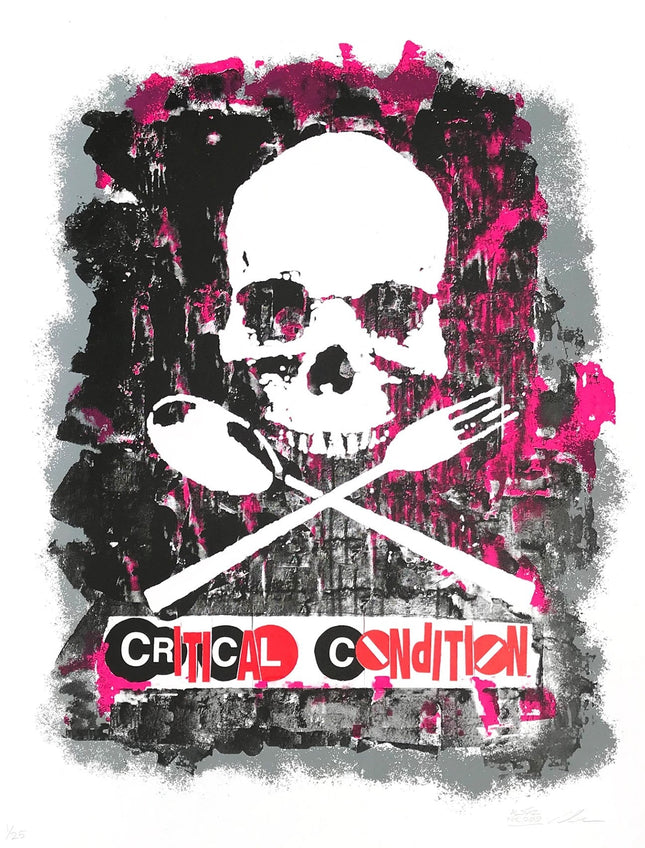
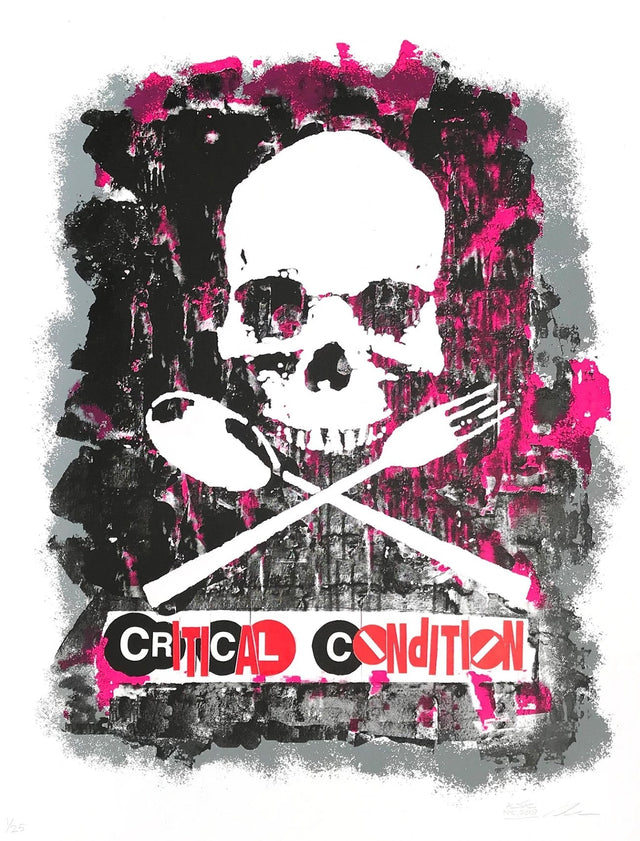
The Jolly Roger, a symbol historically rooted in maritime piracy, has become a recurring image in Street Pop Art & Graffiti Artwork as a marker of rebellion, resistance, and cultural subversion. Traditionally featuring a skull and crossbones or variations of skeletal iconography, this emblem once signaled danger on the high seas. Today, it serves as a potent graphic tool for artists challenging the authority of systems, the saturation of branding, and the commodification of identity. Its stark simplicity and symbolic depth offer artists an instantly recognizable visual language to layer with irony, parody, or critique in public space and gallery settings alike.
Rebellion and Counter-Culture Symbolism
Graffiti writers and street artists have long embraced the Jolly Roger as a statement of defiance. In Street Pop Art & Graffiti Artwork, it often appears spray-painted on walls, stickers, wheatpastes, or modified in stencils with punk aesthetics. The flag’s core visual—the skull—resonates with underground movements and has been reimagined by artists to reflect contemporary anxieties. Sometimes the bones are replaced by paintbrushes, spray cans, or other art tools, creating visual metaphors for creativity as a weapon against societal oppression. The symbol is deployed not as a glorification of violence but as a challenge to compliance, reflecting the outlaw nature of unsanctioned street expression.
Adaptations in Pop Iconography
The Jolly Roger has been appropriated by pop artists and graffiti creators alike to engage with the blurred lines between danger and consumerism. In Street Pop Art, the flag is frequently integrated with logos, cartoons, or figures from mass media. It might appear beneath the branding of corporate empires or intertwined with celebrity images, offering a critique of how capitalism repackages rebellion. Artists like Shepard Fairey, Ron English, or Banksy have each employed skull motifs in ways that evoke the Jolly Roger’s visual impact while reframing it for modern contexts. It becomes a vessel for sarcasm, dystopian vision, or warnings cloaked in visual appeal.
The Jolly Roger as Visual Weaponry
The impact of the Jolly Roger in Street Pop Art & Graffiti Artwork lies in its duality—simultaneously playful and menacing. When sprayed across a wall, it draws immediate attention and offers an unspoken challenge to the viewer. Its presence can serve as a reminder of the artist’s anonymity, the temporary nature of street art, and the confrontation between creator and authority. Some graffiti artists integrate the motif into character designs or use it to mark high-risk spots as a badge of achievement. The image of the pirate has evolved from historical outlaw to contemporary urban warrior, and the Jolly Roger flies as its flag in asphalt battles, artistic protests, and the visual territories claimed by subcultural expression.