

Katsu: A Provocateur of Street Pop Art & Graffiti Artwork
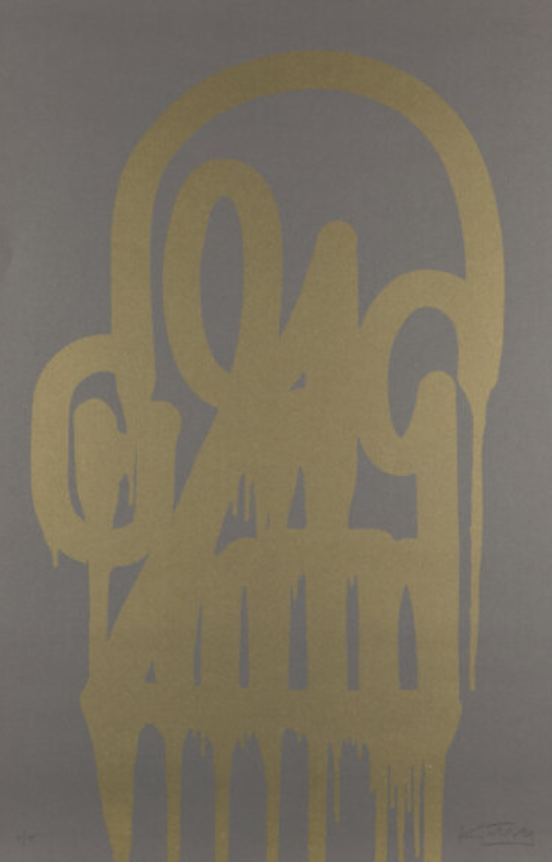
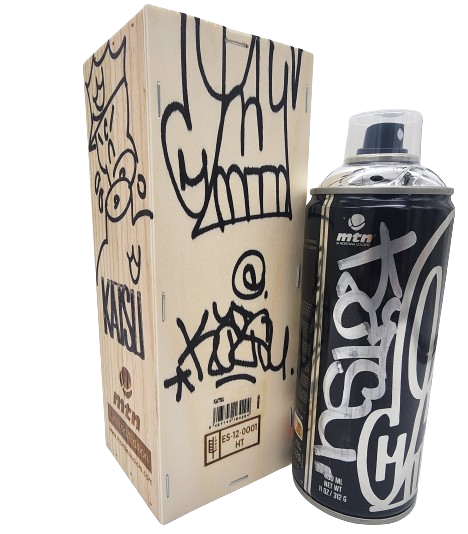
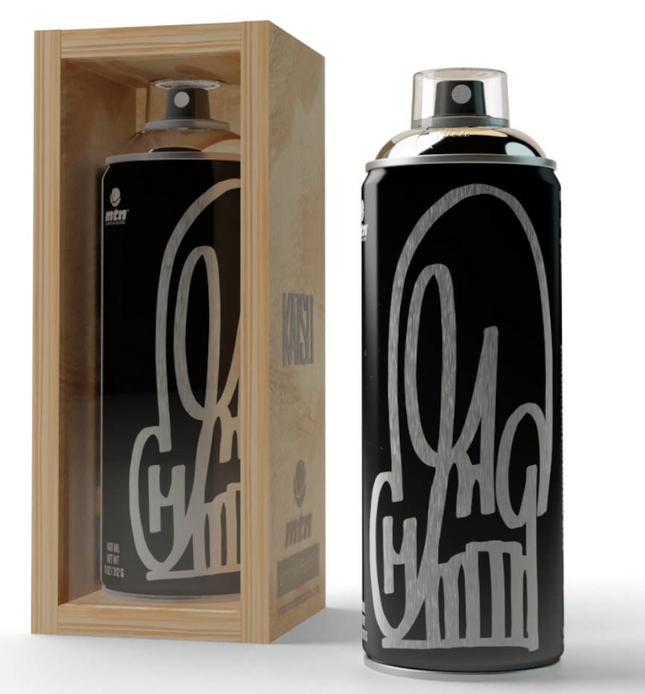
Katsu is a New York-based graffiti artist and digital provocateur known for merging traditional street art tactics with technology-driven disruption. With a background rooted in tagging and urban subversion, Katsu rose to prominence in the early 2000s through a series of highly visible and controversial works, including the defacement of billboards and public surfaces using fire extinguishers filled with paint. His signature skull icon became instantly recognizable across cityscapes, signifying rebellion and a disregard for conventional limits in graffiti culture. What sets Katsu apart is his constant evolution, pushing past the analog tradition of graffiti into realms involving drone technology, digital manipulation, and artificial intelligence.
Technology as a Tool of Graffiti Subversion
In 2015, Katsu gained international attention by using a custom-built drone to spray paint a red scribble across a large billboard featuring a corporate advertisement. This marked one of the first instances where drone technology was used to perform an unsanctioned act of graffiti. By turning a tool of surveillance and industry into a weapon of artistic sabotage, Katsu challenged perceptions of public space, ownership, and authorship. He later expanded this idea with the creation of autonomous drone art systems, including machines that could be programmed to reproduce his tags or create new works independently. These projects questioned the role of the artist in a digital age and highlighted how tools of control could be repurposed for resistance.
Blurring Digital and Physical Realities
Katsu's output spans mediums, often combining painting, sculpture, video, and augmented reality. His gallery works carry the same aggressive energy as his street interventions but are often encoded with commentary on surveillance, celebrity culture, and the commodification of graffiti. He has created spray-painted portraits of cultural icons like Steve Jobs and Kim Kardashian, rendered in intentionally chaotic strokes that mirror digital glitch aesthetics. These works reflect a fractured media landscape while also parodying the idolization of tech and fame. Katsu’s approach to Street Pop Art & Graffiti Artwork embraces both critique and chaos, where the traditional spray can coexists with code, and vandalism becomes a conceptual framework.
Anti-Institutional Stance and Artistic Autonomy
Despite being represented by galleries and recognized by major art institutions, Katsu maintains an antagonistic stance toward commodification and surveillance culture. He operates under a pseudonym, rarely appears in public, and frequently questions the boundaries of legality and authorship. His projects are often executed anonymously or through proxy technologies, reinforcing a commitment to freedom and anonymity. Katsu’s work pushes the boundaries of graffiti not just in form but in philosophy, asserting that art can be a tool of disruption in both physical and digital domains. His presence in the Street Pop Art & Graffiti Artwork movement signals a future where resistance, innovation, and irreverence continue to shape the visual language of dissent.
Katsu: The Enigmatic Innovator of Urban Art
Katsu, a pseudonym shrouding the artist's true identity, signifies a compelling presence in the Street Pop Art and graffiti Artwork community. His early work, characterized by audacious tags and the recurring motif of a skull, staked a claim on urban landscapes. Katsu's distinctive style is not merely recognized by its boldness but also by its defiance of convention and its embrace of the city as a living gallery. Venturing beyond the spray can, Katsu adopted technology as a new medium, harnessing drones as his unconventional brushes. These aerial tools enabled him to drape the skies with abstract patterns and figures, marrying the spontaneity of street art with the precision of technology. This innovative approach not only distinguished Katsu within the art community but also sparked conversations around the themes of surveillance and privacy.
The Social Commentary of Katsu's Graffiti
Katsu's Artwork transcends aesthetic appeal, delving into the realms of social and political commentary. His interventions are often seen as challenges to authority, critiques of societal norms, and reflections on the individual's place within the urban tapestry. The streets become a stage for Katsu's art to provoke dialogue, invite introspection, and sometimes incite controversy. Transitioning from street to gallery, Katsu's work navigates the divide between public dissent and institutional acceptance. His exhibitions are not simply displays but recontextualizations of street art within the establishment. This journey from the exterior walls of the city into the curated spaces of galleries underscores the transformative potential of Street Pop Art and graffiti Artwork.
Katsu's Ongoing Impact on Street Art
Katsu's legacy within street art will be remembered for his capacity to disrupt and redefine. His continued exploration of new mediums and methods positions him as a figure of endless innovation. As Street Pop Art and graffiti Artwork evolve, Katsu stands as a testameArtworkhe genre's ability to adapt and the artist's power to influence the trajectory of contemporary art. While Katsu himself may remain an enigma, his work is a beacon of creative freedom, challenging the boundaries of street art's possible boundaries. His influence shaped the future of Street Pop Art and graffiti Artwork, demonstrating that the genre is not static but a fluid form of cultural expression. The art world watches with anticipation as Katsu continues to leave his indelible mark on the canvas of urban creativity.