
Kaws (Brian Donnelly) and His Influence on Street Pop Art & Graffiti Artwork
Brian Donnelly, known professionally as Kaws, is an American artist whose work emerged from graffiti subculture and expanded into a globally recognized force in contemporary visual art. Born in 1974 in Jersey City, New Jersey, Donnelly began tagging in the early 1990s under the name Kaws on the streets of New York. His distinctive lettering style and use of skull-and-crossbones motifs with X-ed out eyes became instantly recognizable symbols throughout the urban landscape. Rather than remaining strictly within traditional graffiti methods, he evolved his practice into character-based visual storytelling that blends commercial appeal with underground roots. This evolution placed him at the forefront of the movement now identified as Street Pop Art & Graffiti Artwork, where the techniques and energy of graffiti intersect with consumer culture, animation, and product design.
From Graffiti to Gallery and Collectible Culture
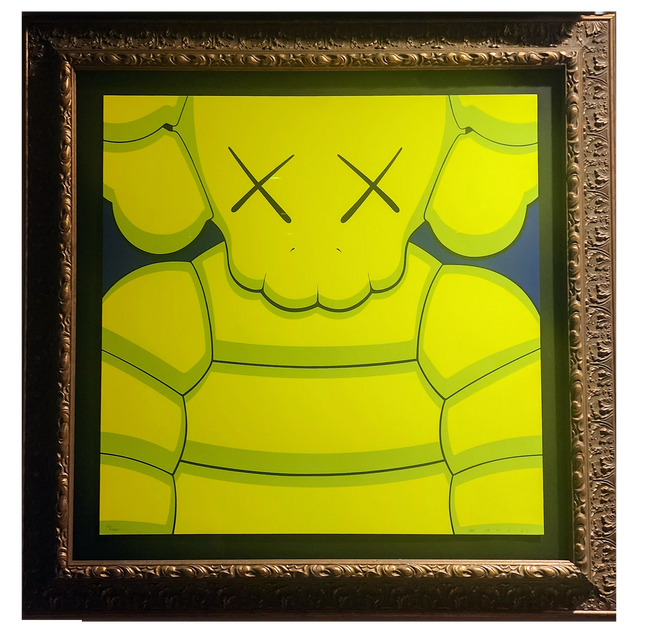
Kaws transitioned from tagging billboards and bus stop ads to creating collectible vinyl figures, large-scale sculptures, paintings, and collaborations with major brands. He reimagined characters like Mickey Mouse and The Simpsons through his unique visual lens, giving them skull faces, cartoonish gloves, and emotionally vacant eyes. These figures reflect both nostalgia and alienation, capturing the tension between mass appeal and personal expression. The Companion figure, one of his most iconic creations, has become a symbol within Street Pop Art & Graffiti Artwork, representing the emotional core of pop-driven culture with a graffiti-born defiance. Despite his commercial success, Kaws retains the rebellious, accessible spirit that graffiti stands for by continuing to create public art installations and offering limited edition releases outside of traditional gallery systems.
Visual Language and Public Installations
The visual structure of Kaws’ work is rooted in flat color fields, clean linework, and familiar forms distorted through repetition and stylized exaggeration. These elements make his art instantly digestible while embedding subtle critiques about media saturation, branding, and emotional disconnection. His installations have been featured in cities around the world, including large-scale inflatable figures in Hong Kong’s Victoria Harbour and monumental sculptures in parks and museums. These pieces extend the reach of Street Pop Art & Graffiti Artwork into civic and institutional spaces, showing that urban visual language can thrive beyond illegal walls and gallery frames. Kaws has also exhibited in major institutions such as the Brooklyn Museum and the National Gallery of Victoria, further solidifying his presence within both pop culture and art history.
Global Impact and Contemporary Presence
Kaws’ trajectory exemplifies the growing acceptance and influence of street-rooted artists in the broader cultural and economic landscape. His work challenges distinctions between fine art, design, and street culture by functioning across all three without compromise. From his roots in New York graffiti to his status as a global art brand, Kaws has helped shape how Street Pop Art & Graffiti Artwork is consumed, collected, and contextualized in the modern era. By consistently blending commercial aesthetics with personal motifs, he has built a visual language that is both accessible and complex. His continued relevance is driven by a commitment to craft, cultural awareness, and a deep understanding of how image, identity, and repetition function in contemporary life.
KAWS: The Intersection of Street Art and Pop Culture
KAWS, the artistic moniker of Brian Donnelly, is a name that has become synonymous with a unique blend of street pop art and graffiti artwork. In 1974, in Jersey City, New Jersey, KAWS started as a graffiti artist in the early 1990s. He gained recognition by subverting imagery on billboards, bus shelters, and phone booth advertisements. These early interventions in the urban landscape laid the groundwork for a career that would eventually blur the lines between street art and the global art market. Graduating from the School of Visual Arts in New York with a Bachelor of Fine Arts in illustration in 1996, KAWS embarked on a journey to see his work evolve from spray-painted walls to highly sought-after fine art and massive public sculptures. His art is characterized by a cast of figurative characters and motifs—most notably, 'Companion,' with its crossed-out eyes, which has become his signature. His work is often described as a sophisticated version of what began as street art, evolved through soft sculpture, and later expanded into various materials and imagery.
KAWS' Artistic Evolution and Global Impact
The artistic evolution of KAWS is marked by his seamless transition from creating graffiti on the streets to designing limited-edition toys, clothing, and other collectibles. His aesthetic—grounded in a distinct lineage of pop art and characterized by its bold, graphic, and instantly recognizable style—resonates with a broad audience, from art lovers to the general public. KAWS has also cultivated a strong presence in the commercial sector, collaborating with international brands such as Nike, Uniqlo, and Dior. These collaborations have expanded his influence and allowed him to bridge the gap between high art and mainstream consumer culture. His works often contain a deep emotional resonance, playing on human vulnerability and resilience themes. KAWS' art provides commentary on the nature of consumerism, fame, and the idolatry of celebrity culture. The universality of these themes has allowed his work to hold a mirror to contemporary society and to become a cultural phenomenon in its own right.
Legacy and Continuation in Contemporary Art
KAWS continues to influence the trajectory of contemporary art by challenging the conventions of creativity and the artist's role in society. His exhibitions in prestigious venues worldwide have introduced street pop art to new audiences and cemented its legitimacy within the art historical canon. His large-scale sculptures and public installations have become gathering points, transforming the perception of public art and its ability to engage communities. The work of KAWS—Brian Donnelly—is a testament to the transformative power of street pop art and its capacity to permeate and profoundly influence the art world and popular culture. His distinctive style, marked by recurring motifs, a vibrant palette, and thought-provoking themes, continues to engage viewers, provoke dialogue, and inspire a new generation of artists and collectors. As his art traverses the realms of painting, sculpture, and digital media, KAWS remains at the forefront of an evolving art scene, defining the contours of street pop art and graffiti artwork for the 21st century.