

From Animation to Urban Walls: The Transformation of Lilo & Stitch
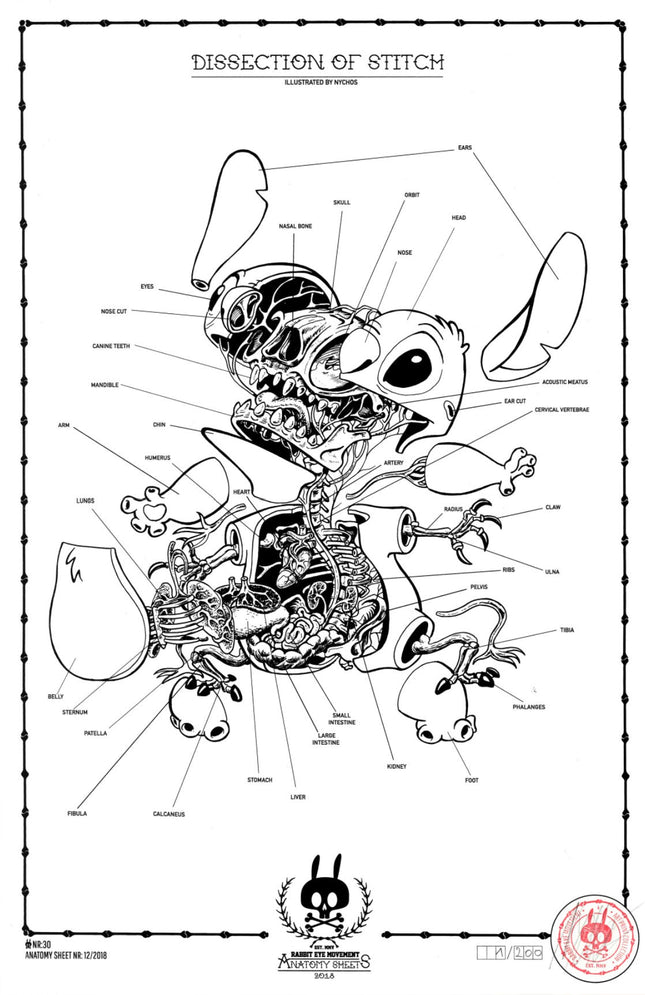
Lilo & Stitch, originally a 2002 animated film produced by Walt Disney, has transcended its narrative of extraterrestrial chaos and Hawaiian culture to become a recurring symbol in Street Pop Art & Graffiti Artwork. The image of Stitch in particular, with his punk-like demeanor, irreverent energy, and emotional duality, resonates with the rebellious spirit at the heart of contemporary street movements. While traditionally housed in cinema and consumer merchandise, this character has taken on new meaning in urban contexts, reinterpreted by street artists as a symbol of nonconformity, misunderstood identities, and found family in a chaotic world.
The Rebellious Nature of Stitch in Graffiti Context
Graffiti artists have long gravitated to figures who represent anti-authority attitudes and outsider status. Stitch, as a genetically engineered alien prone to destruction and labeled a monster, speaks to the experience of being misjudged or rejected by mainstream society. His image has appeared in murals, stencil art, stickers, and street posters around the world, often portrayed with expressive emotion or exaggerated features to highlight inner turmoil. These adaptations bypass the sanitized corporate version of the character and instead offer rawer interpretations that align with real human experiences of isolation, rage, and longing for connection.
Cultural Mashups and Global Appeal
One of the defining features of Street Pop Art & Graffiti Artwork is its ability to recontextualize recognizable imagery within local settings. In the case of Lilo & Stitch, artists often use the character as part of mashups—placing him alongside hip-hop icons, anime figures, or political messages. This creates layers of commentary that are both humorous and charged. The iconography of Stitch, whether painted into dystopian backdrops or alongside defaced luxury brand logos, becomes a conduit for critiquing capitalism, pop culture saturation, and lost innocence. His wide eyes and unpredictable posture offer a visual anchor in murals that are both chaotic and intimate, injecting the walls of cities with a blend of childhood familiarity and underground rebellion.
Stitch as a Symbol of Emotional Complexity in Street Pop Narratives
Unlike many cartoon characters reduced to flat symbolism, Stitch carries emotional weight that resonates across subcultures. Street Pop Art often uses him not just for aesthetic appeal but as an emblem of duality—rage versus love, destruction versus protection. Artists tap into this complexity to explore deeper emotional states, especially in urban spaces where public art becomes therapy, protest, and personal confession. Whether tagged on alley walls or printed on blotter paper, Stitch becomes more than a cartoon. He evolves into a reflection of the human condition, refracted through the stylized visual language of street culture and the poignant punch of graffiti.