


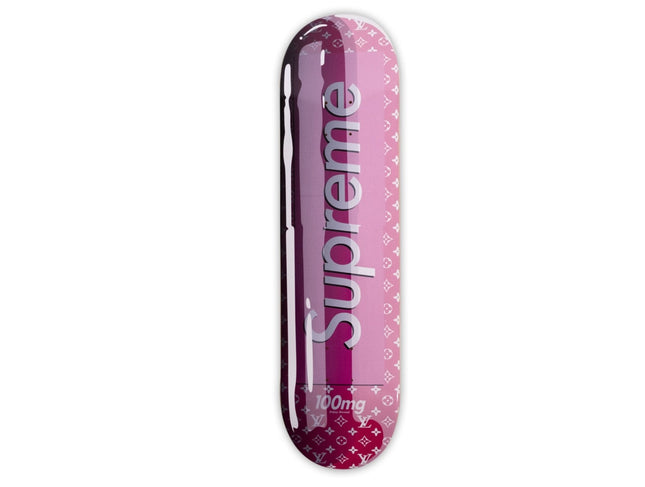

Louis Vuitton's Visual Language in Contemporary Art Culture
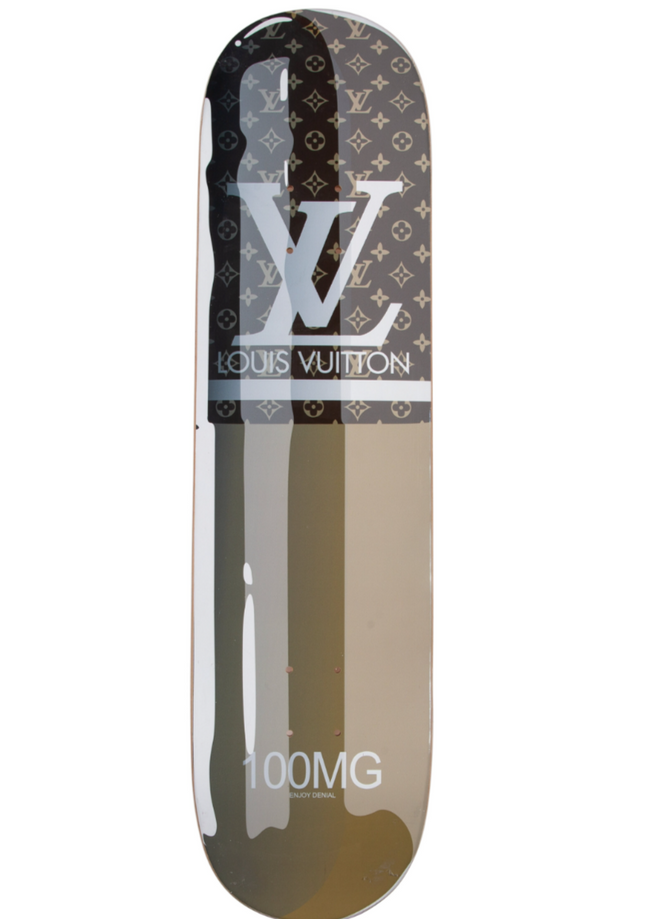
Louis Vuitton, established in 1854 in Paris by its namesake founder, has grown into one of the most globally recognized luxury brands. While rooted in traditional fashion, its identity has become a recurrent symbol across Street Pop Art & Graffiti Artwork. The interlocking LV monogram and floral motifs, once indicators of elite travel and Parisian sophistication, have become canvases for visual rebellion, reinterpretation, and commentary. As fashion collided with street culture in the late 20th and early 21st centuries, artists began repurposing the brand’s symbols not just for status, but as raw material for cultural dialogue.
Graffiti Artists and the Reappropriation of Luxury Symbols
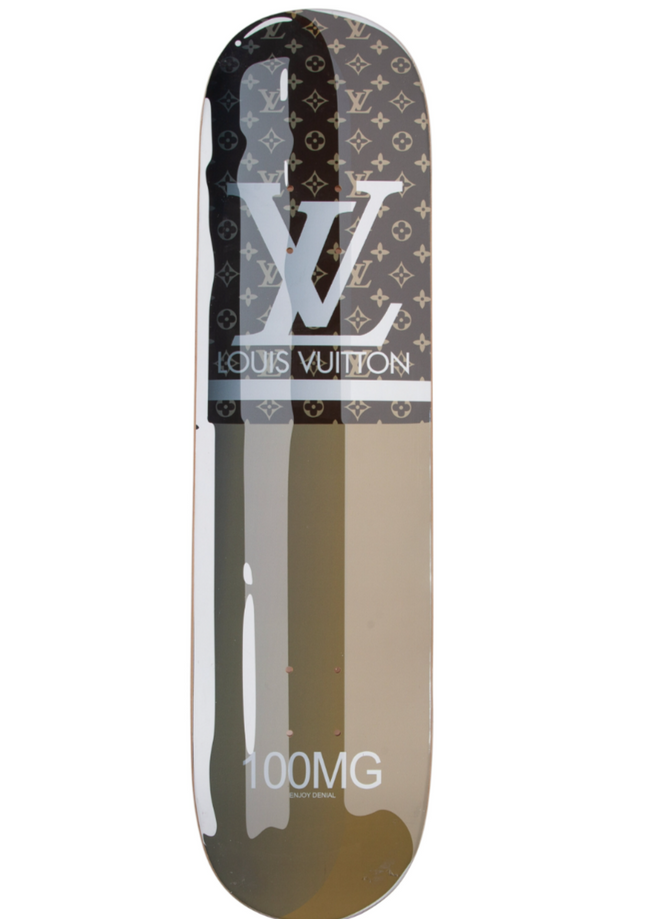
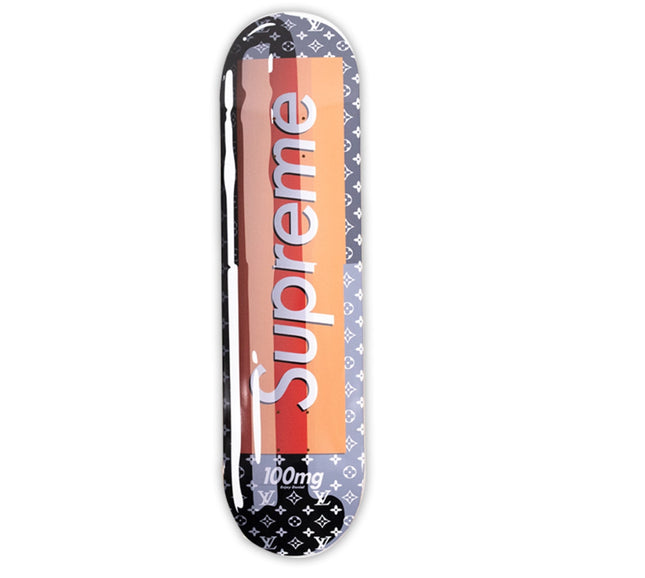
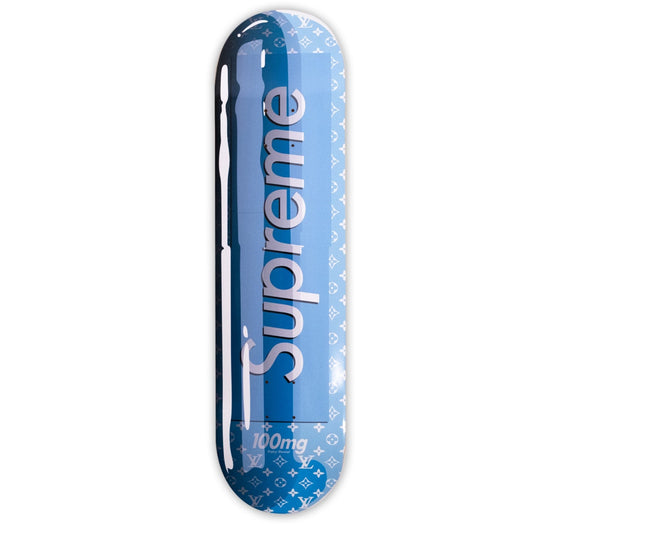
By the early 2000s, graffiti and pop artists began referencing Louis Vuitton’s aesthetic to challenge ideas of value, branding, and consumer worship. Artists like RETNA, Damien Hirst, and most notably Stephen Sprouse and Takashi Murakami have engaged with the brand both officially and independently. Murakami’s multi-color reinterpretation of the monogram, launched in collaboration with Marc Jacobs, turned the label into a pop culture event. Sprouse’s graffiti-style overlays across classic Vuitton pieces brought street energy to its polished legacy. In Street Pop Art & Graffiti Artwork, the LV logo often appears scrawled, glitched, spray-painted, or deconstructed, reflecting how symbols of luxury are absorbed and reshaped by the street.
The Monogram as a Commentary on Status and Identity
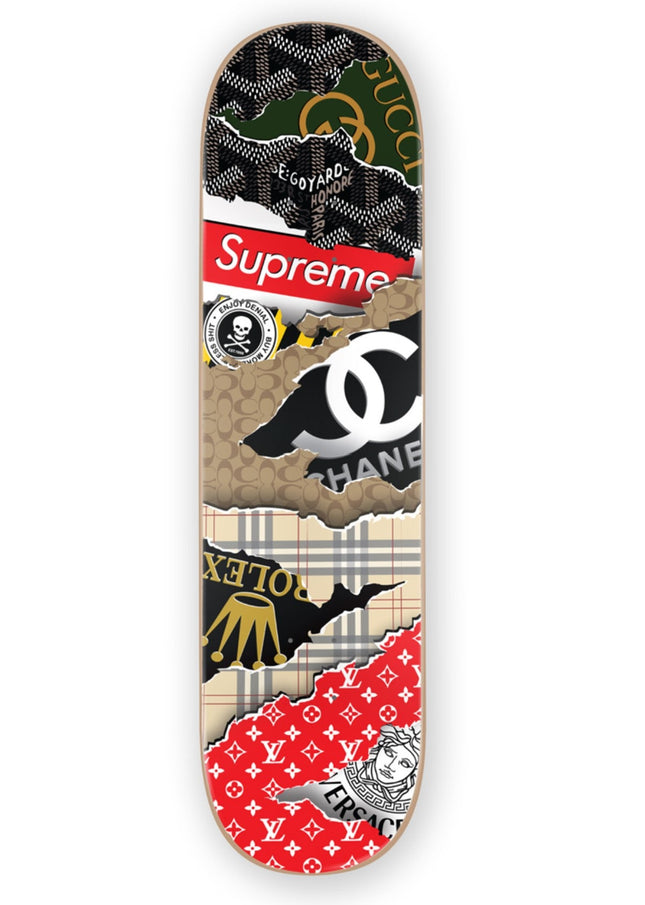
Louis Vuitton’s prominence within Street Pop Art & Graffiti Artwork often functions as critique. When a tag artist bombards a canvas with repeated LV symbols, the act may not be homage—it may be commentary on obsession, imitation, or the illusion of exclusivity. Artists like Mr Brainwash, Alec Monopoly, and Zevs have pushed these ideas by fusing the logo with cartoon characters, dollar signs, and visual satire. This process challenges the audience to reconsider what defines luxury in a culture saturated with logos. The LV motif becomes a tool of disruption, simultaneously attracting admiration and interrogation.
Fashion as Medium in the Urban Contemporary Movement
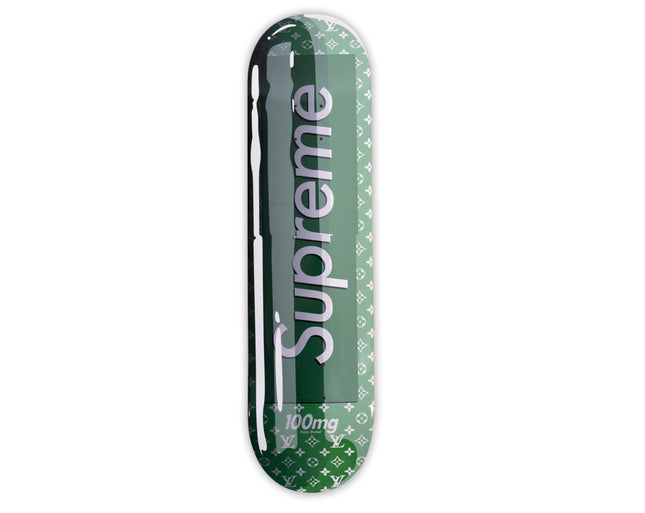
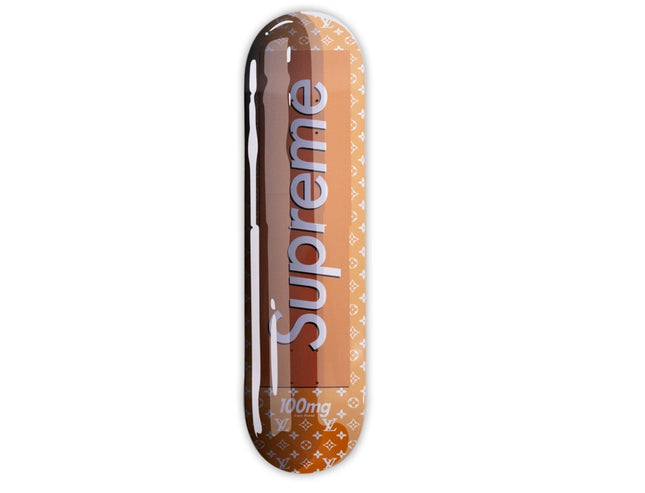
Louis Vuitton’s influence on Street Pop Art & Graffiti Artwork represents the larger conversation between fashion and subculture. Limited-edition collaborations and artist-designed bags reflect how the brand now actively engages with the very scene that once unofficially remixed it. The monogram is no longer confined to runways or elite boutiques—it appears in murals, silkscreens, and installations across cities worldwide. Whether celebrated, mocked, or repurposed, it maintains presence as a visual signal of how luxury and art can be entangled in complex, expressive, and sometimes confrontational ways. This dynamic relationship continues to evolve with every stencil, spray, and silk screen.