Luxury

1 artwork

  • Vogue Black Silkscreen Print by Stinkfish

    Stinkfish Vogue Black Silkscreen Print by Stinkfish

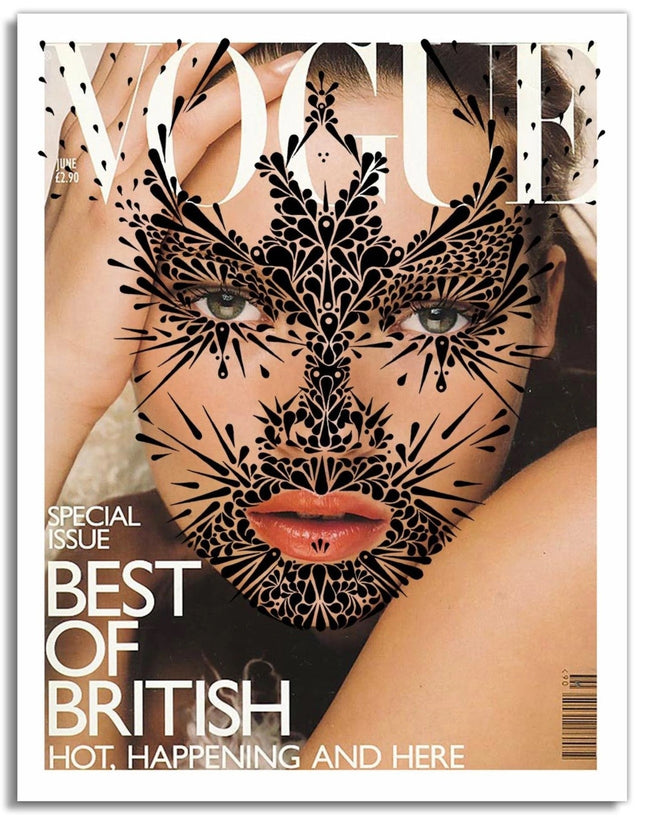
    Vogue- Black Hand-Pulled Limited Edition Silkscreen Print on Fine Art Paper by Stinkfish Rare Street Art Famous Pop Artwork Artist. 2015 Signed & Numbered Vogue by Stinkfish Screen Print Edition of 60 | Signed by the Artist Size: 18" x 24" City: Bogata, Colombia. The first release was based on a Spanish language magazine Stinkfish had found - the second is based on an English language magazine they had found for him. His lively detailing abstract redefines the glamor and beauty of Kate Moss. Stinkfish and the Evolution of Street Pop Art The Colombian street artist, Stinkfish has carved a unique space for himself in contemporary art. His works, often characterized by vibrant colors and intricate stencils, reflect the dynamic energy of street culture. One of his notable contributions to the art world is a limited edition silkscreen print on fine art paper titled "Vogue," a work that seamlessly blends street art's rawness with pop culture's polished aesthetics. This particular piece from Stinkfish pays homage to the iconography of fashion magazines, explicitly drawing inspiration from a Vogue cover. It's a rare street art piece that elevates the familiar image of a fashion model to a work of famous pop artwork. Created in 2015, this signed and numbered screen print is part of an exclusive series, with only 60 editions made available, each measuring 18" x 24". The art was conceptualized in Bogota, Colombia, and it represents a significant departure from Stinkfish's often more spontaneously created public murals. The Artistic Process Behind Stinkfish's "Vogue" The "Vogue" silkscreen print by Stinkfish is particularly notable for its process and backstory. The inception of the artwork is rooted in the discovery of a Spanish-language magazine that caught the artist's eye. Later, a second iteration was based on an English language magazine provided for him, suggesting a narrative that spans cultures and languages. This cross-cultural journey is central to understanding the piece, reflecting the globalized nature of both street art and fashion. The artwork showcases Stinkfish's signature style, with intricate black patterns overlaying the photograph, transforming the image into something more abstract and lively. The patterns vibrate with life, giving the piece a kinetic energy that redefines the glamour and beauty associated with the fashion model, reportedly Kate Moss. Stinkfish's work disrupts the conventional portrayal of fashion figures, infusing them with a rebellious and celebratory spirit. Impact and Significance of "Vogue" in Street Pop Art "Vogue" is a testament to street pop art's transformative power. Stinkfish's approach to the piece—taking a symbol of high culture and reinterpreting it through the lens of street art—challenges perceptions of value and beauty in the art world. By incorporating elements of graffiti artwork, the print becomes a commentary on the permeable boundaries between high and low culture, between the exclusive elite of fashion and the inclusive, democratic nature of street art. The limited edition nature of "Vogue" also speaks to the changing landscape of art collection. Traditionally, street art is ephemeral, often illegal, and created in the public eye. By transferring his work onto fine art paper and limiting its production, Stinkfish bridges the gap between the fleeting nature of street art and the permanence sought by collectors. This rare edition allows for broader access to his work and elevates the status of street art within the fine art market. Stinkfish's "Vogue": A Cultural Intersection Stinkfish's "Vogue" silkscreen print is much more than a collectible piece of art; it is a cultural artifact that embodies the intersection of diverse artistic worlds. It encapsulates the essence of street pop art and graffiti artwork while respecting the polished world of fashion. This print is not merely a representation of a fashion icon but a redefined image that challenges the viewer to see beyond the surface and appreciate street art's underlying vibrancy and complexity. As such, "Vogue" by Stinkfish is a significant contribution to the discourse on the value and place of street art in contemporary culture.

    $217.00

Luxury
Luxury is a term that has been associated with wealth, excess, and indulgence. It is often depicted in the form of high-end brands, expensive jewelry, luxurious cars, and lavish lifestyles. Graffiti art and pop art have both explored the concept of luxury in their own unique ways, using the medium of art to comment on society's fascination with wealth and excess. Graffiti art is a form of street art that involves the use of spray paint, stencils, and markers to create bold, colorful images on public surfaces such as walls, buildings, and bridges. Graffiti artists often use their art to make political statements, express their personal beliefs, or simply to beautify the urban environment. However, luxury is also a common theme in graffiti art, as many artists use the medium to comment on the wealth gap and consumerism. One example of luxury in graffiti art is the work of Banksy, a renowned street artist known for his politically charged and socially conscious art. In his piece "Kissing Coppers," Banksy depicts two police officers engaged in a romantic kiss, with their helmets masking their identities. The artwork was created in Brighton, UK, in 2004 and has since become an iconic symbol of rebellion against authority. Another example of luxury in graffiti art is the work of Mr. Brainwash, a French street artist and filmmaker. His art often incorporates images of celebrities and luxury brands, such as Chanel and Louis Vuitton, to comment on the excess and consumerism of modern society. In one of his pieces, "Life is Beautiful," Mr. Brainwash created a mixed media collage featuring Marilyn Monroe holding a Chanel handbag. Pop art is a form of art that emerged in the 1950s and 60s, characterized by its use of popular culture and everyday objects as subject matter. Pop artists often appropriated images from mass media, advertising, and consumer culture to create works that challenged traditional notions of high art. Luxury was a common theme in pop art, as many artists used the medium to comment on the commercialization of art and the rise of consumerism. One of the most famous pop art pieces is Andy Warhol's "Campbell's Soup Cans," which consists of 32 individual canvases, each featuring a different flavor of Campbell's Soup. The artwork was created in 1962 and has since become an iconic symbol of pop art and consumer culture. Another example of luxury in pop art is the work of Jeff Koons, an American artist known for his sculptures and installations featuring everyday objects such as balloon animals and vacuum cleaners. In his series "Luxury and Degradation," Koons created sculptures of luxury goods such as liquor bottles and cigarettes, commenting on the glamorization of harmful behaviors and the marketing of addiction. Luxury has been a common theme in both graffiti art and pop art, as artists use their medium to comment on the excess and consumerism of modern society. Whether it is through the use of luxury brands, celebrities, or everyday objects, artists have found ways to critique and challenge the notion of wealth and excess through their art. Both graffiti art and pop art continue to inspire and challenge artists today, as they seek to use their art to make a statement about the world around them.
Footer image

© 2025 Sprayed Paint Art Collection,

    • Amazon
    • American Express
    • Apple Pay
    • Bancontact
    • Diners Club
    • Discover
    • Google Pay
    • iDEAL
    • Mastercard
    • PayPal
    • Shop Pay
    • Visa

    Login

    Forgot your password?

    Don't have an account yet?
    Create account