Mail & Shipping

1 artwork

  • Limited Quantities Slap-Up Label Sticker Original Tag Art by Saber

    Saber Limited Quantities Slap-Up Label Sticker Original Tag Art by Saber

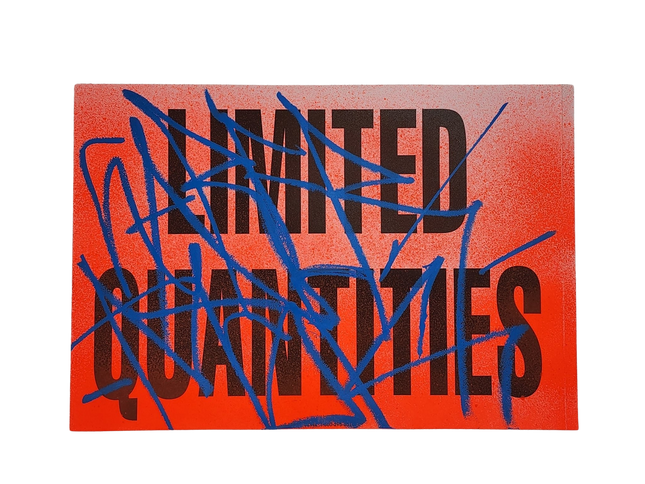
    Limited Quantities Slap-Up Label Sticker Original Tag Art by Saber Original Spray Paint Art Drawing on Glossy US Flag Sticker by Graffiti Artist Modern Street Artwork. 2020 Signed by Tag Original Slap Up Graffiti Art 10x7 Neon Orange Spray Paint & Acrylic Paint Tagged on Limited Quantities Sticker. Saber's Signature Style and Medium The notion of exclusivity and scarcity often heightens the allure of an artwork, a concept that street pop art and graffiti artwork embody with particular zeal. In the realm of this artistic expression, the 'Limited Quantities' slap-up label sticker original tag art by Saber is a vivid exemplar of such rarity and desirability. This piece is a testament to the graffiti artist's signature style, where the urban landscape becomes a canvas for bold statements and visual disruptions. The artist, Saber, whose real name is respected in the street art community, chooses an everyday object—a glossy US flag sticker—and transforms it into a conduit for artistic expression. Measuring 10x7 inches, the work features neon orange spray paint and acrylic, a combination that Saber employs to create an arresting visual impact. The piece is a 2020 original, signed by the artist's tag, a mark of authenticity in the graffiti world. Saber's work is a dialogue between the artwork and its viewers. It is a conversation sparked by the vibrant hues and the vigorous, almost aggressive application of the tag that slices through the text 'Limited Quantities.' Using a slap-up sticker underscores the guerrilla nature of street art—fast, unexpected, and often fleeting. This mode of art-making aligns with the concept of limited editions; just as the sticker is quickly placed, it can be just as rapidly removed or covered, its existence as fleeting as the quantity it denotes. The Cultural Resonance of Limited Quantities in Modern Street Art In the culture of street pop art and graffiti artwork, the phrase 'Limited Quantities' speaks volumes. It is not just a literal indication of availability but also a symbolic nod to the transient nature of the genre. Street art is often at the mercy of environmental elements, city clean-up crews, or even other artists who may paint over a piece in the ever-evolving urban gallery. Thus, each work's existence is inherently limited, a transient moment of expression captured before it is altered or erased. Saber's piece serves as a literal and figurative marker of the times. In an age where consumerism often leads to mass production and replication, there is a growing appreciation for what is rare and unique. With its exclusive tag and vibrant spray paint on a glossy sticker, this artwork becomes a collectible item, a treasure hunt find for street art lovers and casual observers alike. The neon orange color, often associated with caution and high visibility, plays a dual role in this artwork. It demands attention, ensuring the message and the art cannot be ignored. Simultaneously, it satirizes the concept of caution by implying that the content, the 'Limited Quantities' of authentic street art, should be approached with reverence and awareness. Saber, an American artist, has contributed to the urban art scene and shaped the conversation around the value and significance of street pop art. Much like the 'Limited Quantities' slap-up sticker, his works reflect a societal commentary on the state of art, consumerism, and the politics of space and visibility. They are symbols of resistance, creativity, and the indomitable spirit of the street art movement. Saber's 'Limited Quantities' sticker is more than just a piece of graffiti artwork; it is a statement on street pop art's transient yet impactful nature. It is an emblem of the scarcity that often accompanies true creativity and originality in the bustling marketplace of ideas that is the modern cityscape. With each piece, Saber not only leaves his mark on the physical world but also imprints on the collective consciousness of a culture that continues to seek out the rare, the unique, and the authentic expressions of human experience.

    $65.00

Mail & Shipping
Graffiti and street art are contemporary forms of expression that have gained widespread recognition over the past few decades. These art forms have evolved from a niche subculture to a global movement, influencing visual culture and inspiring a new generation of artists. One theme that has captured the imagination of graffiti and street artists is the concept of mail, exploring its various dimensions and significance in modern society. Mail, as a traditional means of communication, has become a symbol of connection in an increasingly digital age. Graffiti and street artists have utilized this theme to create thought-provoking prints that explore the nostalgia associated with handwritten letters, envelopes, and stamps. These prints often contrast the tangible nature of mail with the ephemeral nature of electronic communication, drawing attention to the cultural shift in how we interact with one another. Postal workers, mailboxes, and the postal system itself have also emerged as central subjects in graffiti and street art prints. Artists have used these motifs to depict the dedication of postal workers, who tirelessly deliver messages and parcels across the globe. Mailboxes, in particular, have become a popular symbol in street art, often painted with vibrant colors and intricate designs. These works not only celebrate the essential role of the postal system but also serve as a reminder of its historical importance in connecting communities and cultures. Another fascinating aspect of mail-inspired graffiti and street art is the use of stamps and postmarks as creative elements. Stamps often feature famous figures, landmarks, or symbols from a country's history, making them ideal subjects for artistic reinterpretation. Artists have transformed these tiny pieces of paper into large-scale murals, incorporating their unique designs and bold colors to make powerful statements about identity and heritage. Postmarks, with their date and location information, have been employed in a similar way, serving as visual markers of time and place in graffiti and street art prints. Mail art, a movement that dates back to the 1960s, has also found its way into the world of graffiti and street art prints. Mail art involves the creation and exchange of artworks through postal systems, often pushing the boundaries of what can be sent and received. Graffiti and street artists have embraced this concept, creating prints that incorporate elements of mail art such as collage, rubber stamping, and artistamps (artist-created stamps). By merging these two art forms, artists challenge the traditional notions of what constitutes fine art and celebrate the power of creativity in everyday life. The theme of mail in graffiti and street art prints offers a fascinating exploration of communication, connection, and the role of the postal system in modern society. By employing motifs such as handwritten letters, envelopes, stamps, and mailboxes, artists evoke nostalgia for a bygone era while commenting on the ever-evolving nature of human interaction. Additionally, the integration of mail art techniques and concepts further blurs the line between traditional and unconventional art forms. These mail-inspired graffiti and street art prints not only capture the imagination but also serve as a testament to the transformative power of creativity in the public sphere.
Footer image

© 2025 Sprayed Paint Art Collection,

    • Amazon
    • American Express
    • Apple Pay
    • Bancontact
    • Diners Club
    • Discover
    • Google Pay
    • iDEAL
    • Mastercard
    • PayPal
    • Shop Pay
    • Visa

    Login

    Forgot your password?

    Don't have an account yet?
    Create account