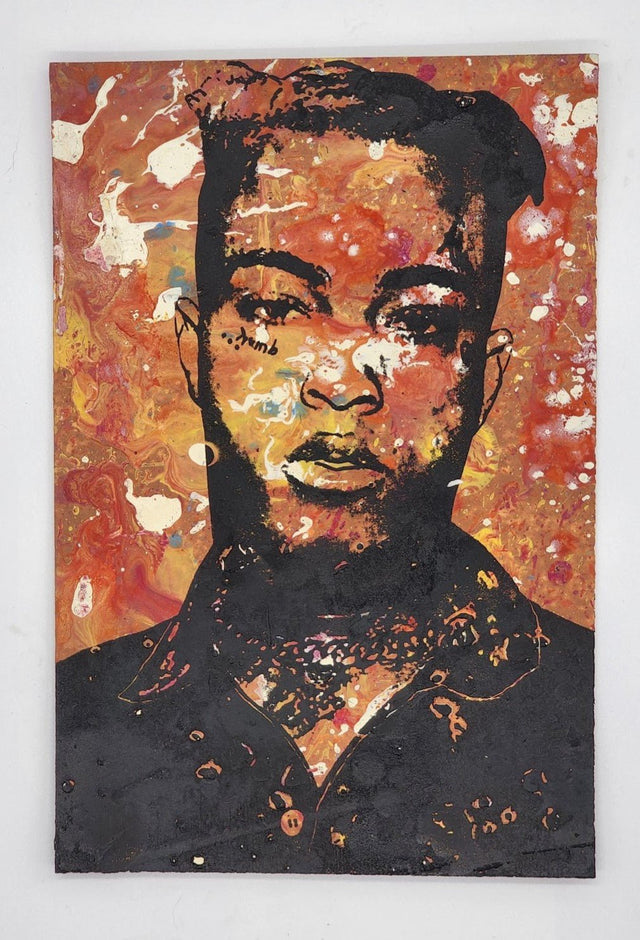
Man Male

18 artworks

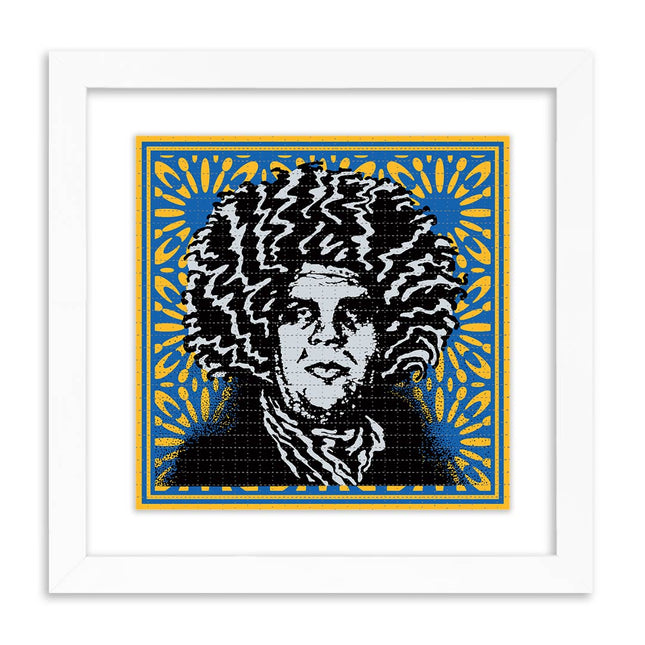
  • Psychedelic Andre- Pinnacle Blue Blotter Paper Print by Shepard Fairey- OBEY

    Shepard Fairey- OBEY Psychedelic Andre- Pinnacle Blue Blotter Paper Print by Shepard Fairey- OBEY

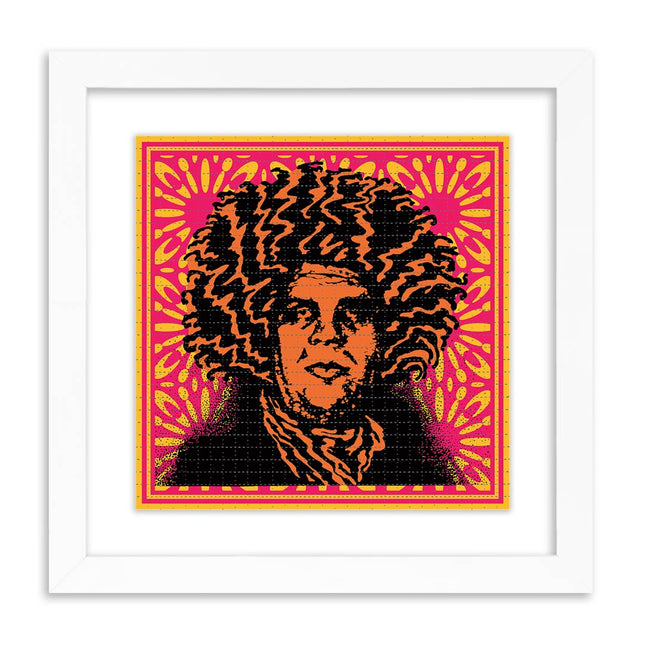
    Psychedelic Andre- Pinnacle Blue Blotter Paper Limited Edition Archival Pigment Print Art on Perforated Blotter Paper by Shepard Fairey X John Van Hamersveld pop culture LSD artwork. "I first made this image in 1967, and then the poster came out in 1968. One day I sat down and started this drawing out of my style. I had been an art director at Capitol Records, and I hadn't been drawing very much. It was a whole new state I was in. But it was an opportunity to test my drawing and put it into a poster and have it published. It all came out great. It was a fantastic show. There were ads everywhere and people loved the poster. It just started to become a piece of history right away, much like The Endless Summer poster." - John Van Hamersveld "I became a fan of Hendrix after I exited my punk rock orthodoxy phase. I ended up gravitating towards John's image because it had that nod to psychedelia, without going so overboard in the baroque detail, that it remained iconic. This Hendrix image itself — along with a few other influences, like Barbara Kruger and Russian Constructivism — was a huge influence in how I was going to make work that had the ability to cut through the clutter of what's on the street and still have a recognizable style. When I was just making variations of the Andre on the different backgrounds, I was looking at a lot of psychedelic work, but John's piece really inspired me to make something that was a deviation from just playing it safe with the original Andre image. So John's Pinnacle Hendrix was sort of a gateway to the evolution of my entire Andre The Giant project. I can't really understate the importance of this image for me." - Shepard Fairey

    $384.00

  • Be Still My Heart Icons Art Toy by Chris RWK- Robots Will Kill

    Chris RWK- Robots Will Kill Be Still My Heart Icons Art Toy by Chris RWK- Robots Will Kill

    Be Still My Heart Icons Art Toy by Chris RWK- Robots Will Kill Limited Edition Vinyl Sculpture Collectible Artwork by Pop Street Artist x UVD Toys. 2023 Limited Edition of 50 Artwork Size 4x7.5 New In Box Stamped/Printed. RWK Robot in Yellow Stylized Homer Simpson from the TV & Movie Cartoon The Simpsons. The Artistic Crossover: Chris RWK's "Be Still My Heart" Vinyl Sculpture In street pop art, the intersection of familiar cultural icons with the distinctive styles of individual artists creates a unique space for commentary and reinterpretation. Chris RWK, a notable figure in this artistic domain, has done this with his "Be Still My Heart" art toy, a limited edition vinyl sculpture produced in collaboration with UVD Toys. The piece, which features a robot with a stylized resemblance to the iconic character Homer Simpson, extends the dialogue of pop art into the tangible realm of collectibles. Limited to a release of just 50 pieces in 2023, this artwork encapsulates the essence of Chris RWK's vision and adds a layer of street art credibility to the collectible toy market. Chris RWK and the Synthesis of Street Art with Pop Culture Chris RWK, recognized for his work with Robots Will Kill, an art collective, has long been blending street art's gritty, expressive language with the polished and often sanitized world of pop culture. His work is stamped with an indelible mark of authenticity, often physically on the pieces he produces, making each sculpture a piece of street art history. The "Be Still My Heart" figure is a testament to his ability to navigate these two worlds, marrying the subversive edge of street art with the widespread appeal of pop culture imagery. This particular piece speaks volumes through its silent vinyl form. With its yellow head and expressionless face, the character becomes a canvas onto which viewers can project their thoughts about the pervasive nature of pop culture in our daily lives. The robot's form challenges the onlooker to consider the mechanization of our consumption patterns, particularly concerning the entertainment we digest and the icons we elevate. Impact and Collectibility of Chris RWK's Limited Editions The collectibility of Chris RWK's "Be Still My Heart" sculpture extends beyond the appeal of owning a piece of limited edition art. It represents the evolving narrative of street pop art and its increasing embrace by the mainstream. The numbered editions, new in the box, represent the fleeting and often ephemeral nature of street art, capturing a moment in time where the artwork can be owned and held, as opposed to being a transient part of the urban landscape. Chris RWK's robot, with its printed features and the iconic "X" on its torso, carries the weight of street art's history and its future potential. Each piece, while identical in make, carries a different story, a different home, and a different meaning to each owner, much like street art touches each viewer in a unique way as they pass by. The limited run of these sculptures ensures that each one is a sought-after item, cherished for its aesthetic value and the cultural significance it holds as a piece of pop street art history. Chris RWK's "Be Still My Heart" is more than a vinyl sculpture; it is a statement about the convergence of street art and pop culture, the emotional connection we forge with the images we see, and the commodification of art in the modern world. Through his work, Chris RWK invites us to question, feel, and ponder art's role in an ever-changing landscape of visual stimuli.

    $361.00

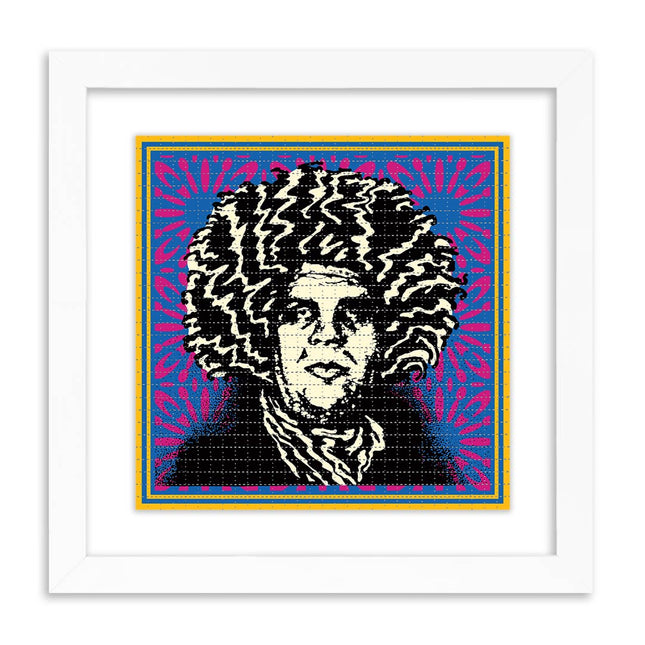
  • Psychedelic Andre- ‘92 Obey Giant Blotter Paper Print by Shepard Fairey- OBEY

    Shepard Fairey- OBEY Psychedelic Andre- ‘92 Obey Giant Blotter Paper Print by Shepard Fairey- OBEY

    Psychedelic Andre- ‘92 Obey Giant Blotter Paper Limited Edition Archival Pigment Print Art on Perforated Blotter Paper by Shepard Fairey X John Van Hamersveld pop culture LSD artwork. "I first made this image in 1967, and then the poster came out in 1968. One day I sat down and started this drawing out of my style. I had been an art director at Capitol Records, and I hadn't been drawing very much. It was a whole new state I was in. But it was an opportunity to test my drawing and put it into a poster and have it published. It all came out great. It was a fantastic show. There were ads everywhere and people loved the poster. It just started to become a piece of history right away, much like The Endless Summer poster." - John Van Hamersveld "I became a fan of Hendrix after I exited my punk rock orthodoxy phase. I ended up gravitating towards John's image because it had that nod to psychedelia, without going so overboard in the baroque detail, that it remained iconic. This Hendrix image itself — along with a few other influences, like Barbara Kruger and Russian Constructivism — was a huge influence in how I was going to make work that had the ability to cut through the clutter of what's on the street and still have a recognizable style. When I was just making variations of the Andre on the different backgrounds, I was looking at a lot of psychedelic work, but John's piece really inspired me to make something that was a deviation from just playing it safe with the original Andre image. So John's Pinnacle Hendrix was sort of a gateway to the evolution of my entire Andre The Giant project. I can't really understate the importance of this image for me." - Shepard Fairey

    $384.00

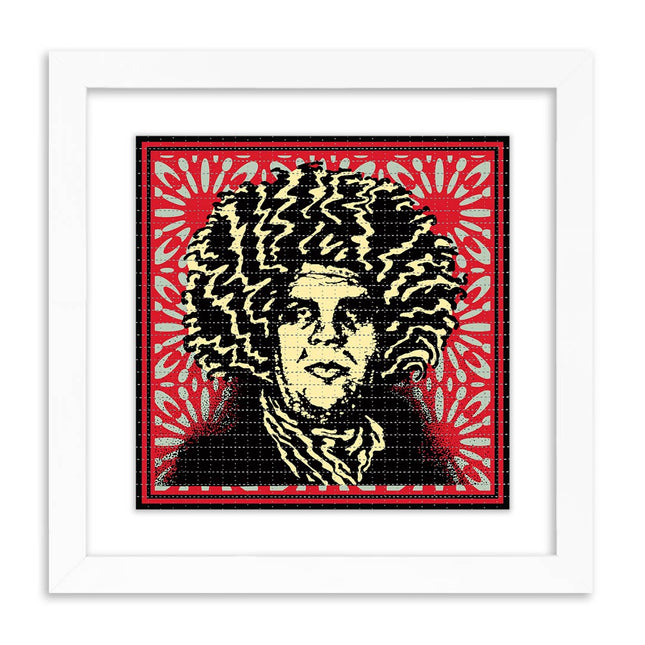
  • Psychedelic Andre- Red Blotter Paper Print by Shepard Fairey- OBEY

    Shepard Fairey- OBEY Psychedelic Andre- Red Blotter Paper Print by Shepard Fairey- OBEY

    Psychedelic Andre- Classic Red Obey Giant Blotter Paper Limited Edition Archival Pigment Print Art on Perforated Blotter Paper by Shepard Fairey X John Van Hamersveld pop culture LSD artwork. "I first made this image in 1967, and then the poster came out in 1968. One day I sat down and started this drawing out of my style. I had been an art director at Capitol Records, and I hadn't been drawing very much. It was a whole new state I was in. But it was an opportunity to test my drawing and put it into a poster and have it published. It all came out great. It was a fantastic show. There were ads everywhere and people loved the poster. It just started to become a piece of history right away, much like The Endless Summer poster." - John Van Hamersveld "I became a fan of Hendrix after I exited my punk rock orthodoxy phase. I ended up gravitating towards John's image because it had that nod to psychedelia, without going so overboard in the baroque detail, that it remained iconic. This Hendrix image itself — along with a few other influences, like Barbara Kruger and Russian Constructivism — was a huge influence in how I was going to make work that had the ability to cut through the clutter of what's on the street and still have a recognizable style. When I was just making variations of the Andre on the different backgrounds, I was looking at a lot of psychedelic work, but John's piece really inspired me to make something that was a deviation from just playing it safe with the original Andre image. So John's Pinnacle Hendrix was sort of a gateway to the evolution of my entire Andre The Giant project. I can't really understate the importance of this image for me." - Shepard Fairey

    $384.00

  • Fade Into The Dark Stars Blotter Paper Archival Print by Camille Rose Garcia

    Camille Rose Garcia Fade Into The Dark Stars Blotter Paper Archival Print by Camille Rose Garcia

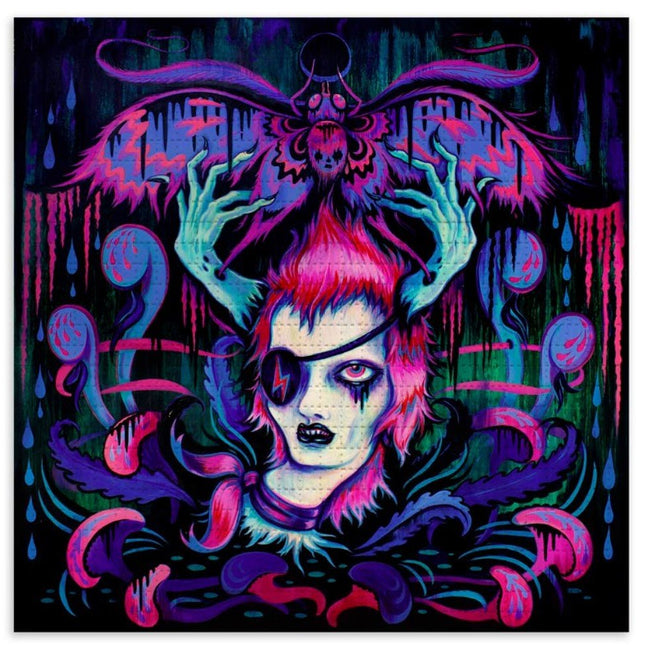
    Fade Into The Dark Stars Blotter Paper Limited Edition Archival Pigment Print Art on Perforated Blotter Paper by Camille Rose Garcia pop culture LSD artwork. 2021 Signed & Numbered with COA Archival Pigment Print on Perforated Blotter Paper Artwork Size: 7.5 x 7.5 Inches Release: April 19, 2021. Limited blotter editions are hand-perforated by Zane Kesey. Fade Into The Dark Stars by Camille Rose Garcia – Street Pop Art & Graffiti Artwork on Blotter Paper Fade Into The Dark Stars is a striking 2021 archival pigment print on perforated blotter paper by pop surrealist Camille Rose Garcia. Measuring 7.5 x 7.5 inches and released on April 19, 2021, this limited edition artwork is signed, numbered, and comes with a Certificate of Authenticity. Hand-perforated by Zane Kesey, son of literary figure Ken Kesey, the print pays homage to the countercultural history of LSD blotter sheets while channeling Garcia’s visually explosive style. This edition transforms ephemeral materials into collectible objects, linking the legacy of psychedelia with contemporary street pop art and graffiti artwork. Surrealism and Symbolism in a Lurid Technicolor Fantasy The artwork presents a surreal and electrified composition bathed in luminous violets, acidic pinks, and spectral blues. At its center is a haunting figure with sharp fangs, a glam-inspired lightning bolt eye patch, and hair erupting in a blaze of neon. Branching antlers and dripping flora crown the figure, evoking mythology, fantasy, and decay. An ominous moth hovers above like a guardian or spectral watcher. The composition vibrates with visual tension—dream and nightmare, beauty and grotesque—rendered in Garcia’s precise yet dripping aesthetic. Each element echoes themes of transformation, vulnerability, and resistance. Camille Rose Garcia and the Dark Side of Pop Camille Rose Garcia, born in 1970 in California, is a foundational figure in the lowbrow and pop surrealist art movements. Her work is rooted in a hybrid of street culture, fairy tale, punk, and political commentary. Known for confronting systems of control and environmental destruction, she often uses feminine archetypes to subvert power structures. Fade Into The Dark Stars reveals Garcia’s capacity to blend bold, cartoonlike forms with disquieting narratives. Her stylistic vocabulary pulls from Disney animation, horror comics, and Day-Glo psychedelia, placing her firmly within the lineage of American street pop art & graffiti artwork. Blotter Art as Medium and Message The use of blotter paper ties this edition to the underground culture of LSD distribution, especially prominent in the 1960s and 70s. By printing on perforated sheets and collaborating with Zane Kesey, Garcia signals a dialogue between personal hallucination and collective protest. Blotter art, once purely functional, now becomes a canvas for transgressive, subversive expression. The physical format encourages intimacy and iconoclasm, distilling Garcia’s larger works into tactile moments of visionary rebellion. Fade Into The Dark Stars becomes a portal—small yet symbolically potent—where fine art meets rebellion, mythology merges with modernity, and street culture collides with psychedelic transcendence.

    $352.00

  • Pinnacle Indian Blotter Paper Archival Print by John Van Hamersveld

    John Van Hamersveld Pinnacle Indian Blotter Paper Archival Print by John Van Hamersveld

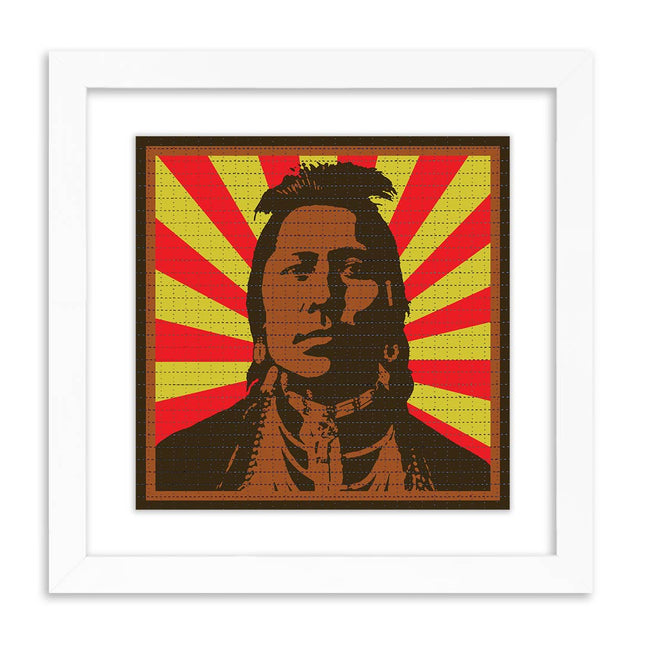
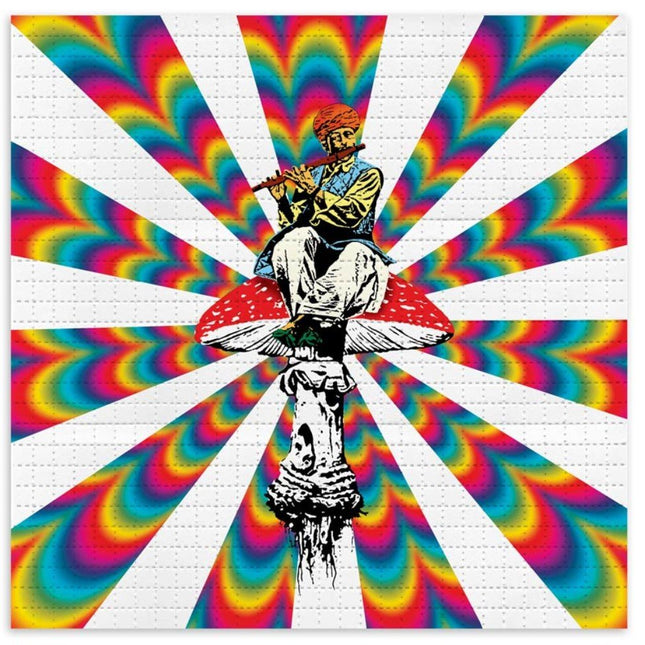
    Pinnacle Indian Blotter Paper Limited Edition Archival Pigment Print Art on Perforated Blotter Paper by John Van Hamersveld pop culture LSD artwork. With this Indian image it goes from the original poster in 1968, then to the Traffic poster, then to the Hippie Nation poster in 2007, then the image we have today as a blotter." - John Van Hamersveld

    $352.00

  • Stoned Trooper Blotter Paper Archival Print by Tim Page

    Tim Page Stoned Trooper Blotter Paper Archival Print by Tim Page

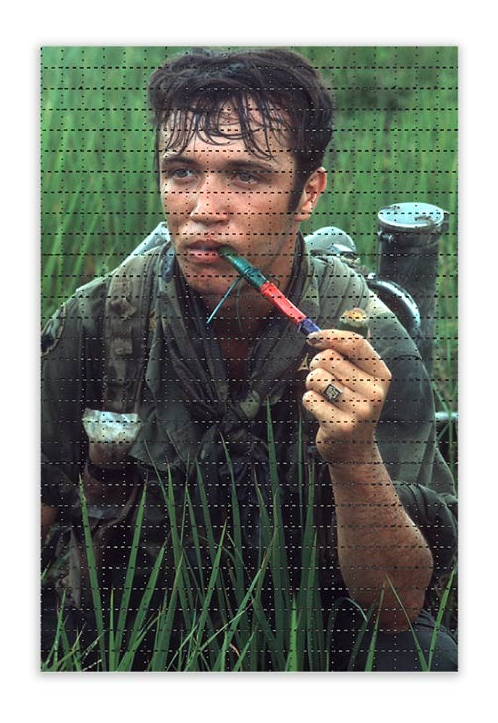
    Stoned Trooper Blotter Paper Archival Print by Tim Page Limited Edition Fine Art Archival Pigment Print Art on Perforated Blotter Paper. 2019 Signed & Numbered Limited Edition of XXX Archival Pigment Print on Perforated Blotter Paper Size: 5x7.5 Inches Limited blotter editions are hand-perforated by Zane Kesey. Tim Page, a renowned photojournalist and author, had a keen eye for the counterculture movement of the 60s and 70s. He was able to capture some of the most captivating images of the Vietnam War, despite being wounded in combat on four different occasions. Page's adventurous spirit never wavered, and his unique personality even inspired Dennis Hopper's character in the acclaimed movie Apocalypse Now. Page's fascinating life has been the subject of numerous documentaries, ten books, and two films. He even held the prestigious position of the UN's Photographic Peace Ambassador in Afghanistan for two years. His exceptional talent and contributions to the art of photography have recently earned him a spot on the list of "100 Most Influential Photographers of All Time," cementing his place among the greatest artists.

    $363.00

  • Psychedelic Andre- Endless Summer Blotter Paper Print by Shepard Fairey- OBEY

    Shepard Fairey- OBEY Psychedelic Andre- Endless Summer Blotter Paper Print by Shepard Fairey- OBEY

    Psychedelic Andre - Endless Summer Obey Giant Blotter Paper Limited Edition Archival Pigment Print Art on Perforated Blotter Paper by Shepard Fairey X John Van Hamersveld pop culture LSD artwork. "I first made this image in 1967, and then the poster came out in 1968. One day I sat down and started this drawing out of my style. I had been an art director at Capitol Records, and I hadn't been drawing very much. It was a whole new state I was in. But it was an opportunity to test my drawing and put it into a poster and have it published. It all came out great. It was a fantastic show. There were ads everywhere and people loved the poster. It just started to become a piece of history right away, much like The Endless Summer poster." - John Van Hamersveld "I became a fan of Hendrix after I exited my punk rock orthodoxy phase. I ended up gravitating towards John's image because it had that nod to psychedelia, without going so overboard in the baroque detail, that it remained iconic. This Hendrix image itself — along with a few other influences, like Barbara Kruger and Russian Constructivism — was a huge influence in how I was going to make work that had the ability to cut through the clutter of what's on the street and still have a recognizable style. When I was just making variations of the Andre on the different backgrounds, I was looking at a lot of psychedelic work, but John's piece really inspired me to make something that was a deviation from just playing it safe with the original Andre image. So John's Pinnacle Hendrix was sort of a gateway to the evolution of my entire Andre The Giant project. I can't really understate the importance of this image for me." - Shepard Fairey

    $384.00

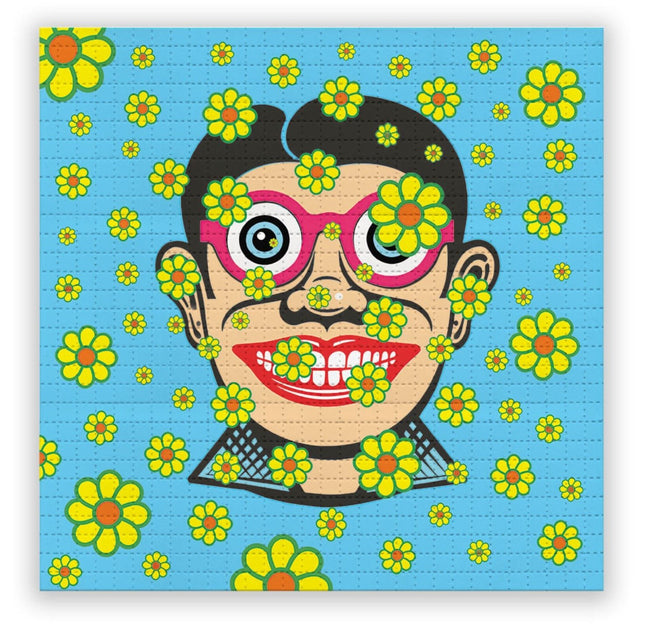
  • Johnny Face- Flower Child Blotter Paper Archival Print by John Van Hamersveld

    John Van Hamersveld Johnny Face- Flower Child Blotter Paper Archival Print by John Van Hamersveld

    Johnny Face- Flower Child Limited Edition Fine Art Blotter Paper Archival Pigment Print Art on Perforated Blotter Paper by Modern Pop Artist John Van Hamersveld. 2022 Signed & Numbered Limited Edition of 35 Archival Pigment Print on Perforated Blotter Paper Size: 7.5 x 7.5 Inches Release: April 19, 2022 Limited blotter editions are hand-perforated by Zane Kesey.

    $352.00

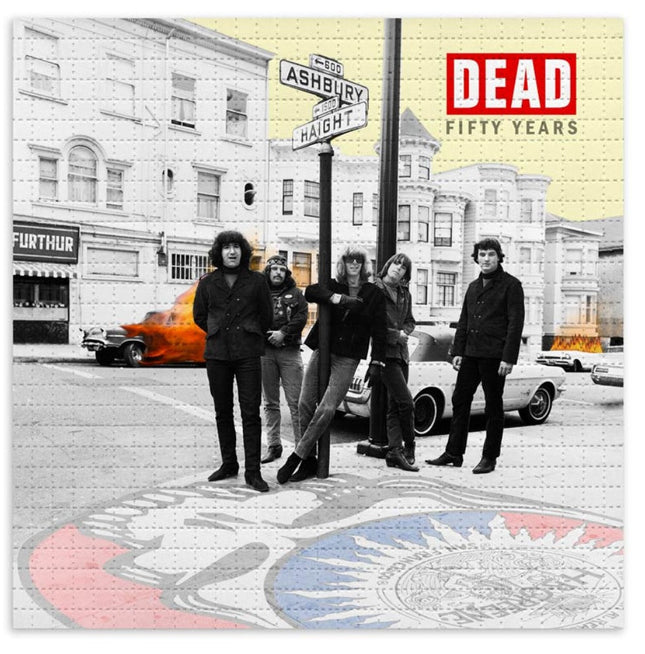
  • Dead On Blotter Paper Archival Print by Herbie Greene

    Herbie Greene Dead On Blotter Paper Archival Print by Herbie Greene

    Dead On Blotter Paper Limited Edition Archival Pigment Print Art on Perforated Blotter Paper by Herbie Greene pop culture LSD artwork. 2021 Signed & Numbered with COA Archival Pigment Print on Perforated Blotter Paper Artwork Size: 7.5 x 7.5 Inches Release: April 19, 2021. Limited blotter editions are hand-perforated by Zane Kesey. Dead On by Herbie Greene: Grateful Dead, Haight-Ashbury, and the Psychedelic Core of Street Pop Art & Graffiti Artwork Dead On is a 7.5 x 7.5 inch archival pigment print on perforated blotter paper by Herbie Greene, released April 19, 2021, as a signed and numbered limited edition. Each print includes a certificate of authenticity and was hand-perforated by Zane Kesey, reinforcing the historical tie to LSD blotter art. This striking composition, both nostalgic and confrontational, features a black-and-white image of the Grateful Dead standing on the iconic corner of Haight and Ashbury in San Francisco. Greene injects color sparingly but strategically: flames erupt from a vintage car, the sidewalk bursts with a red-white-and-blue Steal Your Face logo, and the text DEAD FIFTY YEARS glows in red and gold in the upper right corner. The result is a collision of eras, attitudes, and iconography that embodies the rebellious core of Street Pop Art & Graffiti Artwork. Herbie Greene, born in the United States, rose to prominence documenting the psychedelic explosion of the 1960s, especially as the unofficial photographer of the Grateful Dead. In Dead On, he transforms a historic moment into a symbolic monument of counterculture energy. The band's casual stance at the heart of San Francisco's hippie revolution feels timeless and alive, made more powerful by the blotter format. LSD and the Dead have long shared intertwined legacies, and placing this image on perforated paper makes the print an artifact of both visual and chemical transformation. Greene's use of selective color against grayscale lends a raw immediacy that echoes the emotional sharpness found in wheatpaste murals, stencil tags, and handmade gig posters. Documenting Counterculture Through Psychedelic Media The corner of Haight and Ashbury is not just a location in this print—it is a symbol of a social and artistic uprising that defined an era. By capturing the Grateful Dead there, Herbie Greene documents more than a band. He preserves a time when art, music, and consciousness were all being redefined through collective experimentation and resistance. The vintage cars, residential buildings, and storefronts are left untouched in grayscale, reinforcing the photographic reality of the moment, while the graffiti-like color accents bring the spirit of protest, psychedelia, and spiritual fire to the forefront. The use of blotter paper adds a deeper layer of symbolism. This was not a material chosen for novelty. It is a deliberate nod to the role visual art played in enhancing or reflecting LSD experiences during the 1960s and beyond. Zane Kesey’s involvement in perforating the print adds continuity to that history. His connection to the original Merry Pranksters and his stewardship of psychedelic print traditions ensure that each sheet holds more than ink—it carries the energy of a cultural lineage that never stopped questioning the status quo. Visual Resistance and the Street Pop Art Aesthetic Dead On blurs the line between documentation and confrontation. The addition of fire—literally exploding from the background—turns a peaceful street portrait into a moment of surreal spectacle. The visual message aligns closely with the tenets of Street Pop Art & Graffiti Artwork, where public spaces are transformed through color, message, and distortion. The Dead’s stoic faces contrast with the intensity of the fire and the bold pop typography, creating a tension between calm defiance and burning revolution. This technique of mixing photographic realism with stylized additions mirrors the way street artists use paste-ups or painted overlays on photographs or prints in urban spaces. It evokes a world where memory is always edited by experience, where sacred moments can be revisited and recontextualized through art. By adding a psychedelic floor mural and ominous flames, Greene does not just celebrate the past—he reimagines it for now. The message becomes one of persistence, cultural renewal, and unfiltered truth. Herbie Greene and the Printed Memory of Sound and Vision Herbie Greene’s contribution to American visual culture spans music, photography, and psychedelic art. Through Dead On, he presents not just a band, not just a corner, but a living monument to a movement that still resonates today. The Grateful Dead’s relationship with visual art has always been central to their mythos—from album covers to poster design—and Greene’s work amplifies that history with a tactile surface that recalls a time when the experience of seeing was inseparable from the experience of feeling. Dead On is more than a photograph. It is a constructed memory made physical on a material that once altered consciousness and inspired revolution. It speaks to the roots of Street Pop Art & Graffiti Artwork, where visual language is raw, urgent, and built for both permanence and decay. With this piece, Herbie Greene secures a place where nostalgia is not passive and history remains lit with the fires of psychedelic rebellion.

    $631.00

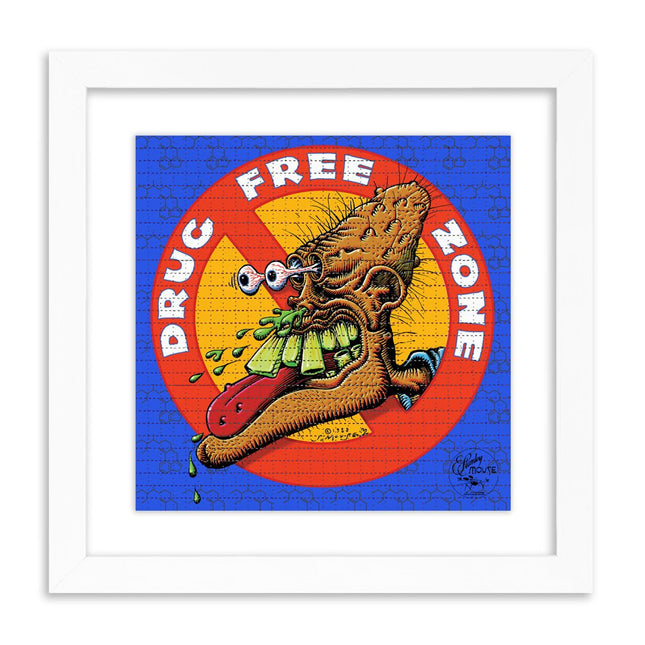
  • Drug Free Zone Blotter Paper Archival Print by Stanley Mouse

    Stanley Mouse Drug Free Zone Blotter Paper Archival Print by Stanley Mouse

    Drug Free Zone Blotter Paper Limited Edition Archival Pigment Print Art on Perforated Blotter Paper by Stanley Mouse pop culture LSD artwork. Stanley Mouse was born in California on October 10, 1940. His father was an animator with Disney Studios who worked on Snow White. Stanley grew up in Detroit where Motown music and the city’s obsession with motor cars combined with his genius at drawing and made Stanleys life path clear at an early age. Quiet and always drawing in class, Stanley earned his pen name, Mouse in the seventh grade. He’d become known for his sketches of monster-driven muscle cars and as soon as he began signing with his pen name, he became instantly famous at thirteen.

    $352.00

  • Sign Be Still My Heart Icons Art Toy by Chris RWK- Robots Will Kill

    Chris RWK- Robots Will Kill Sign Be Still My Heart Icons Art Toy by Chris RWK- Robots Will Kill

    Sign Be Still My Heart Icons Art Toy by Chris RWK- Robots Will Kill Limited Edition Vinyl Sculpture Collectible Artwork by Pop Street Artist x UVD Toys. 2023 Limited Edition of 50 Artwork Size 4x7.5 New In Box Stamped/Printed. RWK Robot in Yellow Stylized Homer Simpson from the TV & Movie Cartoon The Simpsons Holding a Sign that Reads: Be Still My (Heart Symbol). Chris RWK's "Be Still My Heart" Vinyl Sculpture: A Street Art Icon The "Be Still My Heart" art toy by Chris RWK, released in collaboration with UVD Toys, epitomizes the fusion of street pop art sensibilities with the burgeoning scene of collectible art. This limited edition piece, restricted to a mere 50 units, is a poignant representation of the artist's signature style. Chris RWK, a street artist who has been influential in the pop street art scene, has made a name for himself with his emotionally resonant imagery, often featuring robots as stand-ins for the human experience. The piece showcases a robot character stylized with the familiar yellow hue reminiscent of Homer Simpson from the iconic television and movie series, "The Simpsons," holding a sign that reads "Be Still My (Heart Symbol)." Emotive Expression in Pop Street Art Form This collectible transcends the boundary between mere toys and artwork, serving as a compelling commentary on the human condition. The robot, an often cold and unemotional figure, is juxtaposed with a message of heartfelt sincerity, creating a contrast that is central to Chris RWK's work. The expression "Be Still My Heart" is a call for calm in the face of emotional turmoil, a theme that resonates deeply within the chaotic backdrop of urban life. With its stamped and printed sign of authenticity, this piece captures the essence of street pop art's ability to communicate complex emotions through simple yet profound imagery. Impact and Legacy of Chris RWK in the Art Toy Movement The limited edition nature of "Be Still My Heart" underscores art toys' collectibility and sought-after status within the street art community. Each sculpture, new in a box and meticulously crafted, is a tangible extension of Chris RWK's street art, allowing enthusiasts to own a piece of the culture. The collectible is a testament to the growing trend of street artists translating their work into three-dimensional forms, expanding their reach from the walls of cities to the shelves of collectors. Chris RWK's foray into the vinyl art toy market with "Be Still My Heart" is a narrative on the commodification of art in contemporary society and the enduring need for connection and emotional expression. The artist's real name, associated with Robots Will Kill, has become synonymous with a style that captures the zeitgeist of modern urban life, and his collaboration with UVD Toys represents a significant moment in the cross-pollination of street art and tangible art objects. This piece is not just a collectible but a symbol of the enduring power of street pop art to evoke, engage, and endure.

    $450.00

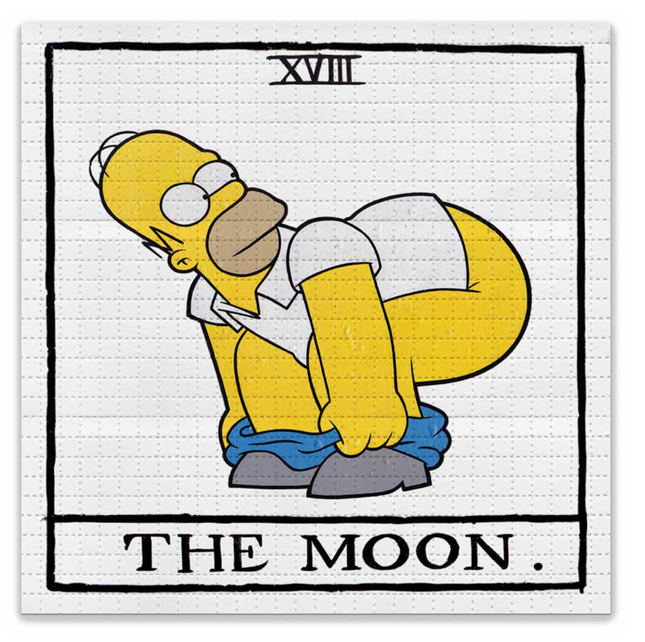
  • To The Moon & Back Simpsons Blotter Paper Archival Print by Skel

    Skel To The Moon & Back Simpsons Blotter Paper Archival Print by Skel

    To The Moon & Back Simpsons Blotter Paper Archival Print by Skel Limited Edition Fine Art Archival Pigment Print Art on Perforated Blotter Paper. 2023 Signed & Numbered Limited Edition of 40 Archival Pigment Print on Perforated Blotter Paper Size: 7.5 x 7.5 Inches Release: April 19, 2023 Homer Simpson Tarot Card Limited blotter editions are hand-perforated by Zane Kesey. Blotter paper artwork prints are a unique form of art that involves transferring ink onto specially treated blotter paper. The resulting prints are often abstract and colorful, and can be used for a variety of decorative and artistic purposes. To create a blotter paper artwork print, the artist first prepares the blotter paper by treating it with chemicals that will enhance its absorbency and ability to hold ink or dye. Then, ink or dye is applied to the paper using various techniques, such as dripping, pouring, or spraying. The paper is left to dry, and the resulting print is then carefully removed from the blotter paper. Archival printing techniques are used to produce high-quality prints of the original artwork. This involves using high-quality inks and paper that are designed to last for a long time without fading or deteriorating. Archival prints are also resistant to moisture and sunlight, which helps to preserve the artwork for years to come. Blotter paper artwork prints can be a great addition to any home or office decor, and they are often used as a unique form of wall art. They are also popular among collectors and art enthusiasts, as each print is one-of-a-kind and can never be replicated exactly.

    $360.00

  • Likeness Blotter Paper Archival Print by Jay Kaes

    Jay Kaes Likeness Blotter Paper Archival Print by Jay Kaes

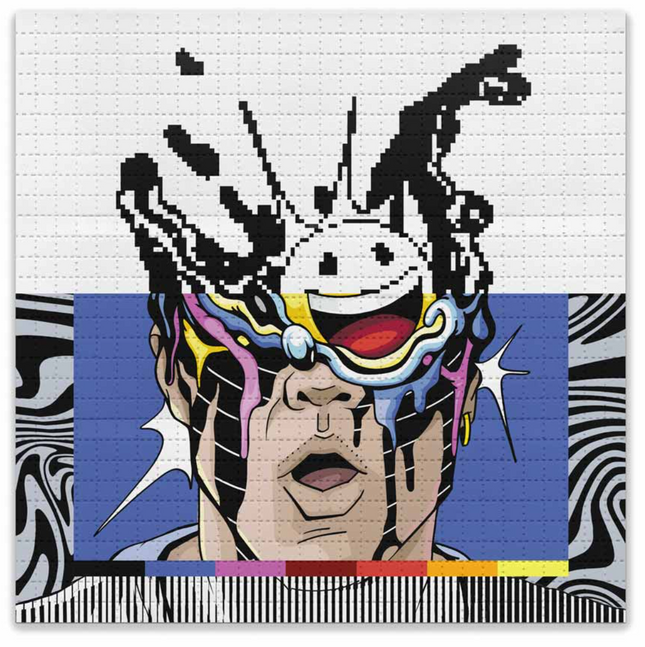
    Likeness Blotter Paper Archival Print by Jay Kaes Limited Edition Fine Art Archival Pigment Print Art on Perforated Blotter Paper. 2023 Signed & Numbered Limited Edition of 25 Archival Pigment Print on Perforated Blotter Paper Size: 7.5 x 7.5 Inches Release: April 19, 2023 Limited blotter editions are hand-perforated by Zane Kesey. Perforated blotter paper is a type of paper that is commonly used in the creation of graffiti fine art. This paper is perforated into small squares or tabs, which are then used to create unique artwork prints. The printing process used for blotter paper artwork prints is similar to that of traditional fine art prints, with a focus on using high-quality materials and techniques that ensure the longevity and preservation of the artwork. Archival inks are used to ensure that the print will resist fading and discoloration over time, and acid-free paper is used to prevent deterioration and yellowing. Blotter paper artwork prints are popular among collectors and enthusiasts of graffiti and street art due to their unique texture and the fact that each print is a one-of-a-kind piece of art. They are often framed and displayed in galleries and private collections, and can be a valuable addition to any art collection. Blotter paper artwork prints are made by first creating an original artwork on a sheet of blotter paper using various mediums, the artwork is then scanned or photographed and digitally reproduced using high-quality archival ink and paper. To ensure that these artwork prints are archival quality, it is important to use high-quality materials and techniques in the creation process. This might include using acid-free paper, archival inks, and other materials that will help to preserve the artwork for many years to come. With proper care and storage, these artwork prints can be enjoyed by collectors and enthusiasts for generations to come.

    $360.00

  • A Delightful Balance Original Watercolor Painting by Bwana Spoons

    Bwana Spoons A Delightful Balance Original Watercolor Painting by Bwana Spoons

    A Delightful Balance Original Watercolor Painting by Bwana Spoons One of a Kind Artwork on Deckled Wove Fine Art Paper by Street Art Pop Artist. 2006 Signed Watercolor Painting Original Artwork Size 5.5x7.5 A Delightful Balance by Bwana Spoons – Playful Equilibrium in Street Pop Art & Graffiti Artwork A Delightful Balance is a 2006 original watercolor painting by Bwana Spoons, executed on 5.5 x 7.5 inch wove fine art paper. Known for his whimsical characters, radiant color palettes, and deeply imaginative world-building, Bwana Spoons brings his signature blend of innocence, strangeness, and narrative abstraction into a compact composition full of visual delight. The painting features a fantastical character—half humanoid, half creature—juggling or balancing a dish on their head while riding or interacting with a stylized turtle. Surrounded by swirling floral motifs, loose color washes, and dense brush textures, the scene becomes a metaphor for composure amidst chaos. It evokes emotional calm while still exploding with energy. As a standalone work within the genre of Street Pop Art & Graffiti Artwork, it represents Bwana Spoons’ dedication to fantasy storytelling through accessible, painterly forms. Character, Gesture, and Symbolic Motion The figure at the center of A Delightful Balance is rendered with exaggerated limbs, stylized facial features, and expressive lines that combine cartoon logic with surreal motion. The character’s outstretched arms and lifted legs suggest both acrobatics and a moment of suspended movement. The wide smile, bright blue nose, and swirl of green hair enhance the overall whimsy, turning the figure into a visual protagonist in a wordless story. The turtle beneath the character anchors the piece in slow movement and grounded energy, reinforcing the theme of balance. Bwana Spoons' approach to character design is non-linear and playful, refusing conventional anatomy in favor of shapes that feel fluid and emotionally coded. Within Street Pop Art & Graffiti Artwork, these characters operate as emotional reflections, channeling energy through visual abstraction. Watercolor Technique and the Handcrafted World Bwana Spoons’ use of watercolor is dense, layered, and richly textural. Rather than soft washes or translucent minimalism, his approach embraces color collisions, thick brush gestures, and vibrant gradients. The pinks, greens, blues, and earth tones in A Delightful Balance blend into one another with intentional harmony, creating a background that feels like a fantastical natural setting without locking into realism. The use of opaque color in some sections pushes the boundaries of the medium, suggesting the layering seen in mural work or screen printing. The hand-torn edges of the wove paper further highlight the intimate scale and handcrafted nature of the work. Every part of the image vibrates with movement, making even stillness feel alive. In the language of Street Pop Art & Graffiti Artwork, this painting is a small-scale expression of large-scale imagination. Bwana Spoons and the Celebration of Emotional Design A Delightful Balance exemplifies Bwana Spoons’ ability to inject kindness, weirdness, and narrative into every stroke. His work does not seek to critique or confront—it offers escape, humor, and introspection in equal measure. By creating strange creatures in vibrant harmony with their environment, Spoons invites the viewer to pause, observe, and reconnect with a form of visual joy that is often absent in urban contemporary culture. The balance he explores is not just literal—it is emotional and visual. As a figure in Street Pop Art & Graffiti Artwork, Bwana Spoons continues to offer a portal into worlds that feel both personal and universal. This piece reminds us that art can be soft and ecstatic at once—that balance, while fleeting, is always worth painting.

    $575.00

  • Johnny Face Shoo Fly Blotter Paper Archival Print by John Van Hamersveld

    John Van Hamersveld Johnny Face Shoo Fly Blotter Paper Archival Print by John Van Hamersveld

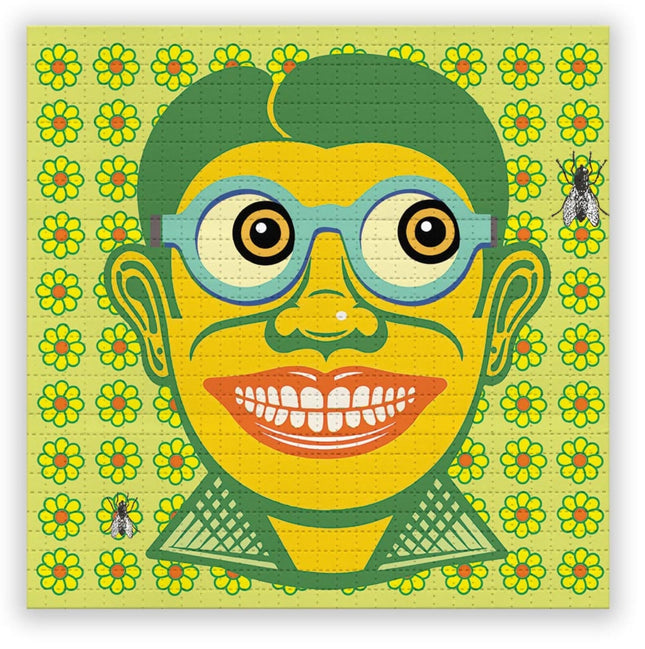
    Johnny Face- Shoo Fly Limited Edition Fine Art Blotter Paper Archival Pigment Print Art on Perforated Blotter Paper by Modern Pop Artist John Van Hamersveld. 2022 Signed & Numbered Limited Edition of 50 Archival Pigment Print on Perforated Blotter Paper Size: 7.5 x 7.5 Inches Release: April 19, 2022 Limited blotter editions are hand-perforated by Zane Kesey.

    $352.00

  • Soar LSD Blotter Paper Archival Print by Mad

    Mad Soar LSD Blotter Paper Archival Print by Mad

    Soar LSD Blotter Paper Limited Edition Archival Pigment Print Art on Perforated Blotter Paper by MAD pop culture LSD artwork. Archival Pigment Print on Perforated Blotter Paper Size: 7.5 x 7.5 Inches Release: April 19, 2021 Limited blotter editions are hand-perforated by Zane Kesey & may vary slightly from the example shown.

    $352.00

  • Oracle LSD Blotter Paper Archival Print by MAD

    Mad Oracle LSD Blotter Paper Archival Print by MAD

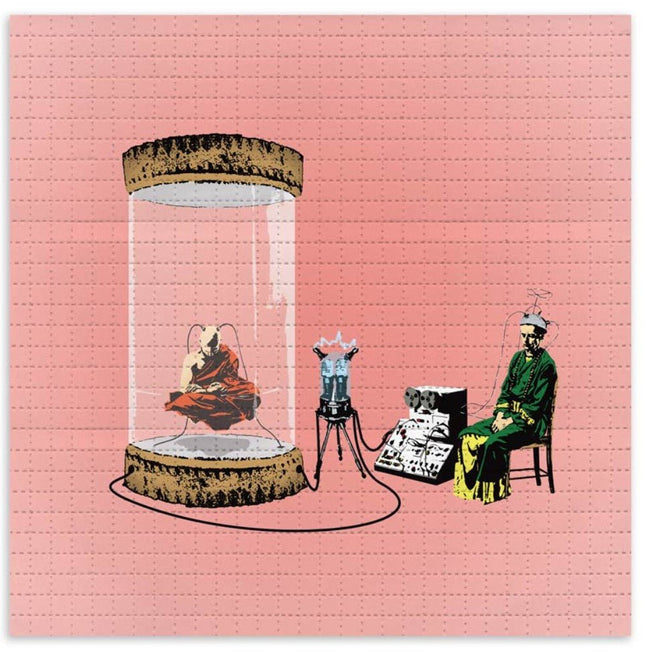
    Oracle LSD Blotter Paper Limited Edition Archival Pigment Print Art on Perforated Blotter Paper by MAD pop culture LSD artwork. 2021 Signed & Numbered Limited Edition of 35 Artwork Size 7.5x7.5 Archival Pigment Print on Perforated Blotter Paper Size: 7.5 x 7.5 Inches Release: April 19, 2021. Limited blotter editions are hand-perforated by Zane Kesey & may vary slightly from the example shown.

    $352.00

Man Male Graffiti Street Pop Artwork

The Evolution of Male Imagery in Street Pop Art and Graffiti Artwork

Graffiti street art has long been a platform for artists to express themselves, share messages, and challenge social norms. Men as a topic in graffiti street art can encompass a wide range of subjects, styles, and messages. Some key themes and aspects of men in graffiti street art include Portraits and representation: Graffiti artists often create portraits of men, whether they're famous figures, friends, or strangers. These portraits can showcase various emotions, characteristics, and styles, allowing artists to communicate messages and ideas about masculinity. Street Pop Art and Graffiti Artwork have long been powerful mediums for expression, often reflecting social, political, and cultural themes. Among these themes is the portrayal of men, which has evolved significantly. This evolution is a reflection of changing artistic styles and shifting societal perceptions about masculinity and male identity.

Early Representations of Men in Graffiti and Street Art

In the early days of graffiti and street art, male figures were often depicted as symbols of rebellion and social dissent. Graffiti, in its nascent form, was closely linked with the subcultures of urban environments, where it was used as a tool for the marginalized to voice their frustrations and aspirations. Exaggerated features, bold lines, and a sense of ruggedness typically characterized the male figures in these early works. They were often portrayed in dynamic poses, symbolizing strength and defiance against societal norms. One of the pioneering artists in this field was Keith Haring, an American artist known for his unique style that combined graffiti, pop art, and cartoon elements. Haring's work often featured male figures engaged in various actions, reflecting themes of life, death, sexuality, and war. He used these depictions to comment on broader social issues, including the AIDS crisis and LGBTQ+ rights. Haring passed away on February 16, 1990, but his influence on street pop art and graffiti remains profound.

Modern Interpretations and Diverse Perspectives

As street pop art and graffiti evolved, the representation of men in these mediums became more diverse and complex. Modern artists have moved away from one-dimensional portrayals, presenting men in various roles and contexts. This shift reflects a broader societal movement towards questioning and redefining traditional notions of masculinity. Contemporary artists like Banksy, whose real identity remains unknown, have utilized male imagery to critique political systems and societal structures. Banksy's work often features men in ironic or paradoxical situations, challenging viewers to reconsider their preconceptions about male identity and power structures. His art serves as a commentary on the vulnerabilities and complexities of modern masculinity, veering away from the stereotypical portrayal of men as merely solid and unemotional.
Similarly, Brazilian artist Eduardo Kobra uses colorful, kaleidoscopic patterns to create large-scale murals that often include male figures from history and pop culture. Kobra's work blends hyper-realism and abstraction, bringing a sense of humanity and depth to his subjects. His murals are visually striking and carry messages about peace, unity, and the human experience.

Impact and Influence of Male Imagery in Street Pop and Graffiti Art

The portrayal of men in street pop art and graffiti has significantly impacted both the art world and society. These artworks have provided a platform for discussing and challenging traditional gender roles, offering new perspectives on what it means to be a man in the modern world. They have also played a crucial role in democratizing art, taking it out of galleries and into public spaces, making it more accessible and relatable to a broader audience. Moreover, the evolution of male imagery in these art forms reflects the ongoing societal conversation about gender identity and expression. As attitudes towards masculinity continue to evolve, so too does the portrayal of men in street pop art and graffiti. This dynamic relationship between art and society ensures that these art forms remain relevant and powerful tools for social commentary and change. Cultural icons and role models: Artists may depict male icons, leaders, or role models from various cultures, highlighting their accomplishments, impact, or influence on society. This can include athletes, musicians, politicians, activists, or historical figures. Social issues and masculinity: Graffiti street art often addresses social issues and challenges cultural norms. Men can be the subject of these discussions as artists explore themes such as toxic masculinity, gender roles, and male vulnerability. These artworks can provoke thought and conversation about how men are perceived and expected to behave in society. Styles and techniques: Various styles and techniques in graffiti art can be used to represent men or masculine themes. For example, artists may use realistic, abstract, or cartoonish styles, incorporating typography, stencils, or mixed media elements. Collaborations and collectives: Many graffiti artists work in groups or collaborate on projects, creating a sense of community and shared artistic vision. These collaborations can lead to unique and impactful works that address themes related to men or masculinity. Men as a topic in graffiti street art can be approached in numerous ways, ranging from portraits and representation to social issues and cultural icons. The versatility of graffiti as a medium allows artists to express their thoughts and ideas about men and masculinity in a way that is accessible, thought-provoking, and engaging to the public. The representation of men in street pop art and graffiti artwork has undergone significant changes over the years. From symbols of rebellion in the early days to more nuanced and diverse portrayals in modern times, these images reflect the complex and ever-evolving nature of male identity. Artists like Keith Haring, Banksy, and Eduardo Kobra have shaped this narrative, using their art to challenge stereotypes and spark conversations about masculinity in contemporary society. The impact of their work extends beyond the art world, influencing societal perceptions and contributing to the broader discourse on gender.
Footer image

© 2025 Sprayed Paint Art Collection,

    • Amazon
    • American Express
    • Apple Pay
    • Bancontact
    • Diners Club
    • Discover
    • Google Pay
    • iDEAL
    • Mastercard
    • PayPal
    • Shop Pay
    • Visa

    Login

    Forgot your password?

    Don't have an account yet?
    Create account