Man Male

2 artworks

  • In The Treasure of Time Giclee Print by Handiedan

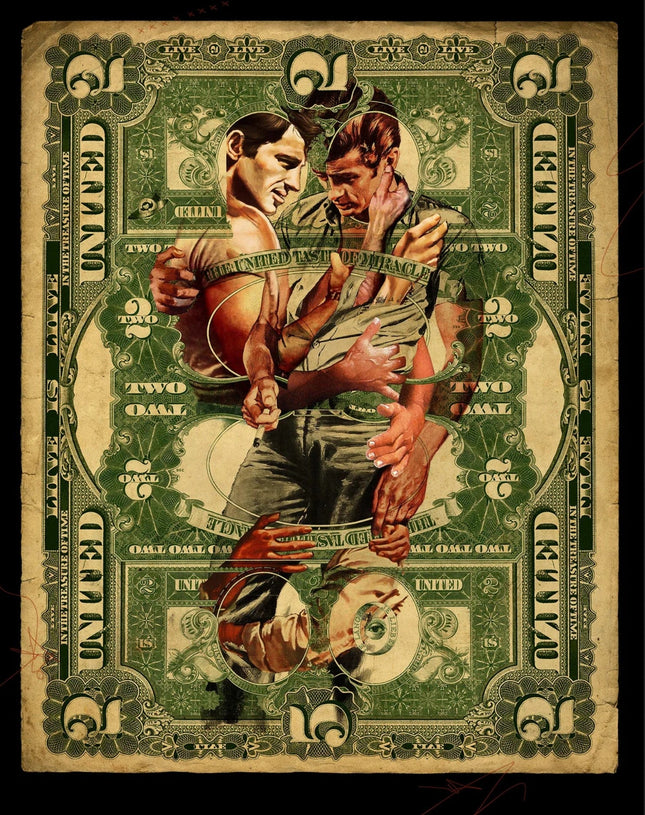
    Handiedan In The Treasure of Time Giclee Print by Handiedan

    In The Treasure of Time Artwork Giclee Limited Edition Print on 315 gsm Etching Cotton Rag Paper by Pop Culture Graffiti Artist Handiedan. 2020 Signed & Numbered Art print giclée With Augmented Reality 315 gsm Etching Cotton Rag 16.5" x 21.25” / 42 x 54 cm Signed & Numbered Hot Wax Seal Stamped Edition: 55 . AR Augmented Reality: https://vimeo.com/518617123 Uses the Artivive App

    $352.00

  • In The Treasure of Time Blue Giclee Print by Handiedan

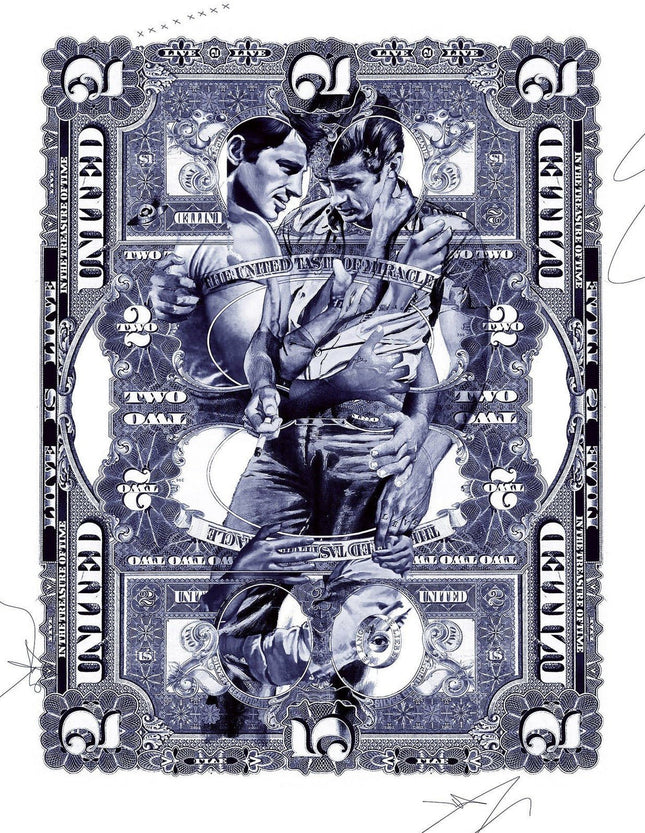
    Handiedan In The Treasure of Time Blue Giclee Print by Handiedan

    In The Treasure of Time- Blue Artwork Giclee Limited Edition Print on 315 gsm Etching Cotton Rag Paper by Pop Culture Graffiti Artist Handiedan. 2021 Signed & Numbered Blue variant. Art print giclée With Augmented Reality 315 gsm Etching Cotton Rag 16.5" x 21.25” / 42 x 54 cm Signed & Numbered Hot Wax Seal Stamped Edition: 25 2021. AR Augmented Reality: https://vimeo.com/518617123  Uses the Artivive App In The Treasure of Time – Blue Edition by Handiedan in Street Pop Art & Graffiti Artwork In The Treasure of Time – Blue is a 2021 limited edition giclée print by Dutch artist Handiedan, known for her intricate compositions blending vintage aesthetics with modern symbolism. This blue variant, sized at 16.5 x 21.25 inches and printed on 315 gsm etching cotton rag paper, features detailed visual layers that merge currency design, figurative collage, and classical romanticism. Released in an edition of only 25, each print is signed, numbered, hot wax seal stamped, and enhanced with augmented reality components that expand the viewer’s experience beyond the physical print. Handiedan’s work sits at the intersection of baroque complexity and street art composition, reworking monetary iconography and ornamental design into statements on value, identity, and the feminine form. Conceptual Depth Through Currency and Composition In The Treasure of Time – Blue centers around a reimagined banknote structure, loaded with allegorical and emotional symbolism. Two male figures occupy the center, engaged in an intimate yet ambiguous exchange that could suggest conflict, desire, or internal struggle. Their interaction is surrounded by decorative scrollwork, numerical references, and repeated motifs found in vintage currency design. The title of the piece, embedded in the ornate frame, speaks to the theme of time as both asset and illusion. Handiedan plays with classical portraiture and banknote aesthetics to critique the commodification of identity and emotion. The figures, though highly rendered, exist within a symbolic frame that suggests they are caught in cycles of value, ownership, and visual consumption. Blue Tone and the Role of Repetition in Street Pop Art The blue color variant is not simply a palette change but an emotional recalibration. The cooler tones evoke a sense of nostalgia and emotional distance, allowing viewers to experience the work with a slower, more contemplative gaze. The layering of ornate elements—frames, flourishes, and mirrored figures—creates a visual rhythm that mimics both street poster layering and vintage engraving. Repetition in Handiedan’s work functions both decoratively and philosophically, emphasizing cycles of power, attraction, and historical amnesia. Her manipulation of symmetry and pattern transforms elements of money and mass production into works of emotive and spiritual inquiry. This approach reflects the ethos of Street Pop Art & Graffiti Artwork, where subversion often hides beneath beauty. Technical Craft and Augmented Reality Integration Printed on high-quality 315 gsm etching cotton rag using giclée methods, the texture and richness of In The Treasure of Time – Blue speaks to Handiedan’s precision and material awareness. The hot wax seal and hand-signature reinforce the tactile, one-of-a-kind nature of each print in the edition of 25. What sets this piece apart is its integration of augmented reality, allowing digital interactions to expand the narrative. Through this technology, the viewer can access additional visual layers, animations, or symbolic references that enhance the meaning without distracting from the analog artwork. This fusion of traditional printing with digital experience situates Handiedan’s work at the forefront of modern Street Pop Art & Graffiti Artwork, where physical and virtual mediums coalesce to deepen artistic storytelling. In The Treasure of Time – Blue is not just a portrait or collage but a layered artifact of power, memory, and visual meditation.

    $533.00

Man Male Graffiti Street Pop Artwork

The Evolution of Male Imagery in Street Pop Art and Graffiti Artwork

Graffiti street art has long been a platform for artists to express themselves, share messages, and challenge social norms. Men as a topic in graffiti street art can encompass a wide range of subjects, styles, and messages. Some key themes and aspects of men in graffiti street art include Portraits and representation: Graffiti artists often create portraits of men, whether they're famous figures, friends, or strangers. These portraits can showcase various emotions, characteristics, and styles, allowing artists to communicate messages and ideas about masculinity. Street Pop Art and Graffiti Artwork have long been powerful mediums for expression, often reflecting social, political, and cultural themes. Among these themes is the portrayal of men, which has evolved significantly. This evolution is a reflection of changing artistic styles and shifting societal perceptions about masculinity and male identity.

Early Representations of Men in Graffiti and Street Art

In the early days of graffiti and street art, male figures were often depicted as symbols of rebellion and social dissent. Graffiti, in its nascent form, was closely linked with the subcultures of urban environments, where it was used as a tool for the marginalized to voice their frustrations and aspirations. Exaggerated features, bold lines, and a sense of ruggedness typically characterized the male figures in these early works. They were often portrayed in dynamic poses, symbolizing strength and defiance against societal norms. One of the pioneering artists in this field was Keith Haring, an American artist known for his unique style that combined graffiti, pop art, and cartoon elements. Haring's work often featured male figures engaged in various actions, reflecting themes of life, death, sexuality, and war. He used these depictions to comment on broader social issues, including the AIDS crisis and LGBTQ+ rights. Haring passed away on February 16, 1990, but his influence on street pop art and graffiti remains profound.

Modern Interpretations and Diverse Perspectives

As street pop art and graffiti evolved, the representation of men in these mediums became more diverse and complex. Modern artists have moved away from one-dimensional portrayals, presenting men in various roles and contexts. This shift reflects a broader societal movement towards questioning and redefining traditional notions of masculinity. Contemporary artists like Banksy, whose real identity remains unknown, have utilized male imagery to critique political systems and societal structures. Banksy's work often features men in ironic or paradoxical situations, challenging viewers to reconsider their preconceptions about male identity and power structures. His art serves as a commentary on the vulnerabilities and complexities of modern masculinity, veering away from the stereotypical portrayal of men as merely solid and unemotional.
Similarly, Brazilian artist Eduardo Kobra uses colorful, kaleidoscopic patterns to create large-scale murals that often include male figures from history and pop culture. Kobra's work blends hyper-realism and abstraction, bringing a sense of humanity and depth to his subjects. His murals are visually striking and carry messages about peace, unity, and the human experience.

Impact and Influence of Male Imagery in Street Pop and Graffiti Art

The portrayal of men in street pop art and graffiti has significantly impacted both the art world and society. These artworks have provided a platform for discussing and challenging traditional gender roles, offering new perspectives on what it means to be a man in the modern world. They have also played a crucial role in democratizing art, taking it out of galleries and into public spaces, making it more accessible and relatable to a broader audience. Moreover, the evolution of male imagery in these art forms reflects the ongoing societal conversation about gender identity and expression. As attitudes towards masculinity continue to evolve, so too does the portrayal of men in street pop art and graffiti. This dynamic relationship between art and society ensures that these art forms remain relevant and powerful tools for social commentary and change. Cultural icons and role models: Artists may depict male icons, leaders, or role models from various cultures, highlighting their accomplishments, impact, or influence on society. This can include athletes, musicians, politicians, activists, or historical figures. Social issues and masculinity: Graffiti street art often addresses social issues and challenges cultural norms. Men can be the subject of these discussions as artists explore themes such as toxic masculinity, gender roles, and male vulnerability. These artworks can provoke thought and conversation about how men are perceived and expected to behave in society. Styles and techniques: Various styles and techniques in graffiti art can be used to represent men or masculine themes. For example, artists may use realistic, abstract, or cartoonish styles, incorporating typography, stencils, or mixed media elements. Collaborations and collectives: Many graffiti artists work in groups or collaborate on projects, creating a sense of community and shared artistic vision. These collaborations can lead to unique and impactful works that address themes related to men or masculinity. Men as a topic in graffiti street art can be approached in numerous ways, ranging from portraits and representation to social issues and cultural icons. The versatility of graffiti as a medium allows artists to express their thoughts and ideas about men and masculinity in a way that is accessible, thought-provoking, and engaging to the public. The representation of men in street pop art and graffiti artwork has undergone significant changes over the years. From symbols of rebellion in the early days to more nuanced and diverse portrayals in modern times, these images reflect the complex and ever-evolving nature of male identity. Artists like Keith Haring, Banksy, and Eduardo Kobra have shaped this narrative, using their art to challenge stereotypes and spark conversations about masculinity in contemporary society. The impact of their work extends beyond the art world, influencing societal perceptions and contributing to the broader discourse on gender.
Footer image

© 2025 Sprayed Paint Art Collection,

    • Amazon
    • American Express
    • Apple Pay
    • Bancontact
    • Diners Club
    • Discover
    • Google Pay
    • iDEAL
    • Mastercard
    • PayPal
    • Shop Pay
    • Visa

    Login

    Forgot your password?

    Don't have an account yet?
    Create account