








Mandala in Street Pop Art & Graffiti Artwork
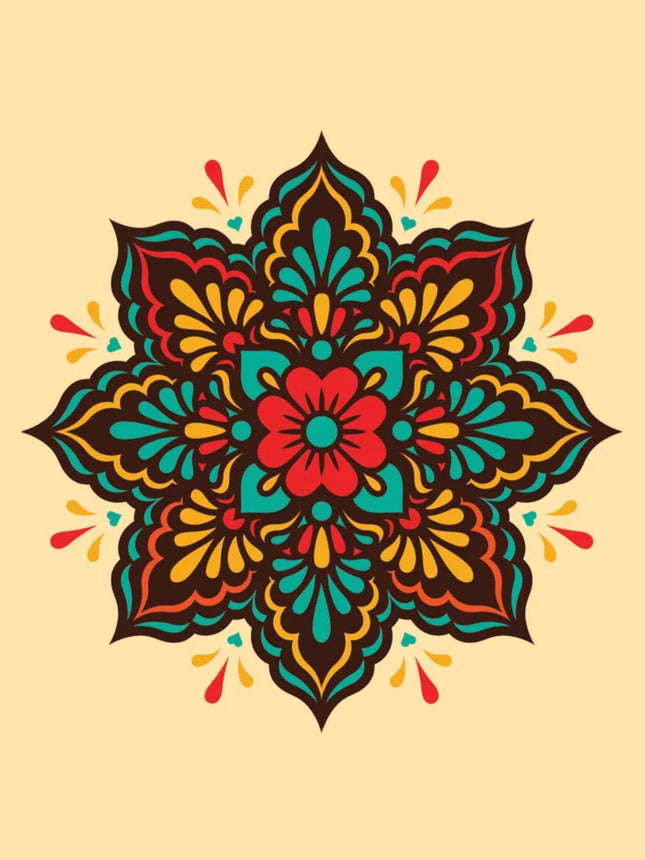
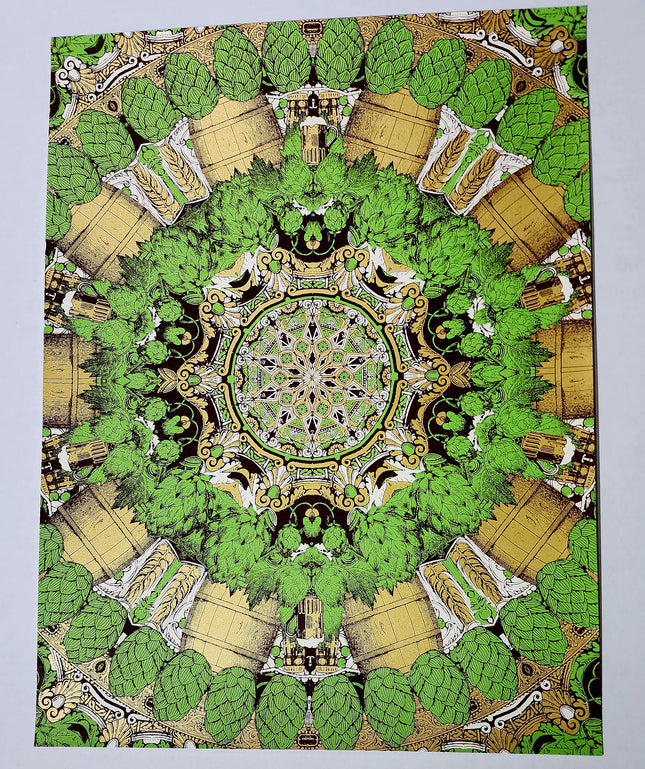
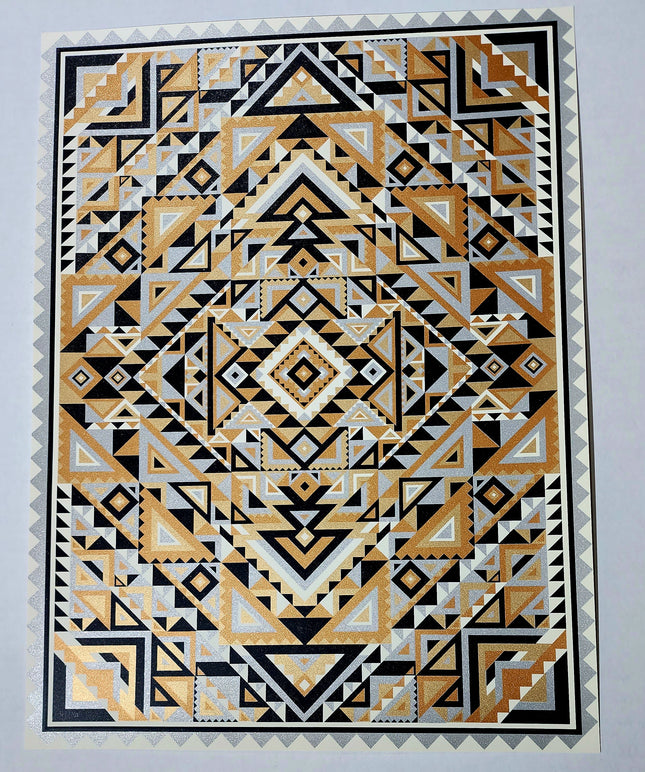
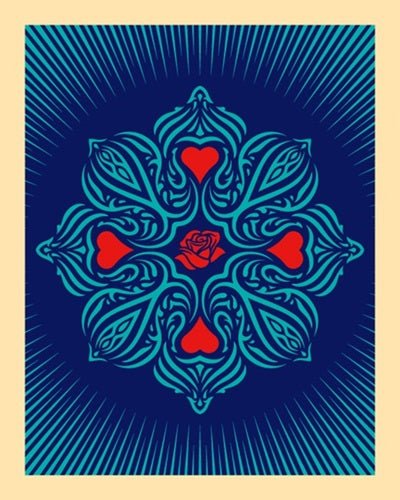
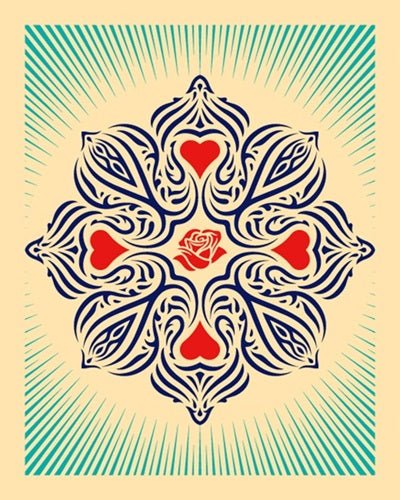
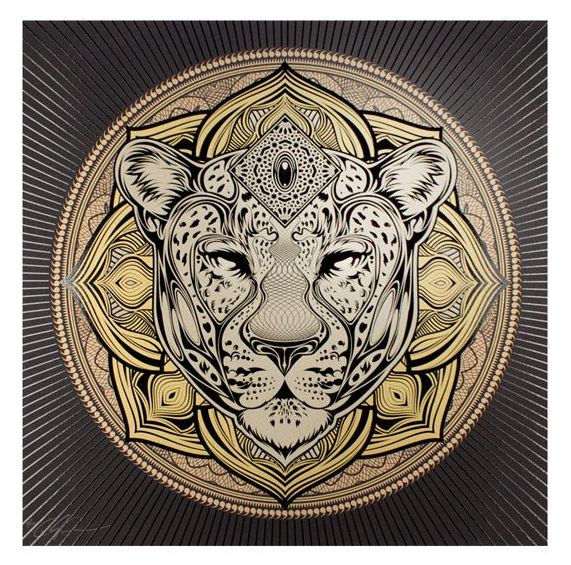
The mandala, traditionally a spiritual and ritual symbol rooted in Hinduism and Buddhism, has found renewed expression in contemporary Street Pop Art & Graffiti Artwork. Once used to represent cosmic and spiritual order, the mandala’s symmetrical structure now appears across urban surfaces and printed editions as a visual code blending ancient geometry with the rawness of urban culture. The emergence of mandala motifs in graffiti, muralism, and pop-inspired compositions demonstrates how street artists reinterpret sacred symmetry to reflect on balance, disorder, and cultural synthesis in modern life. These circular configurations, often layered with textures, drips, stencils, and aerosol sprays, now act as visual meditations rooted not in spiritual discipline but in rebellion and visual dynamism.
Geometry Meets Urban Grit
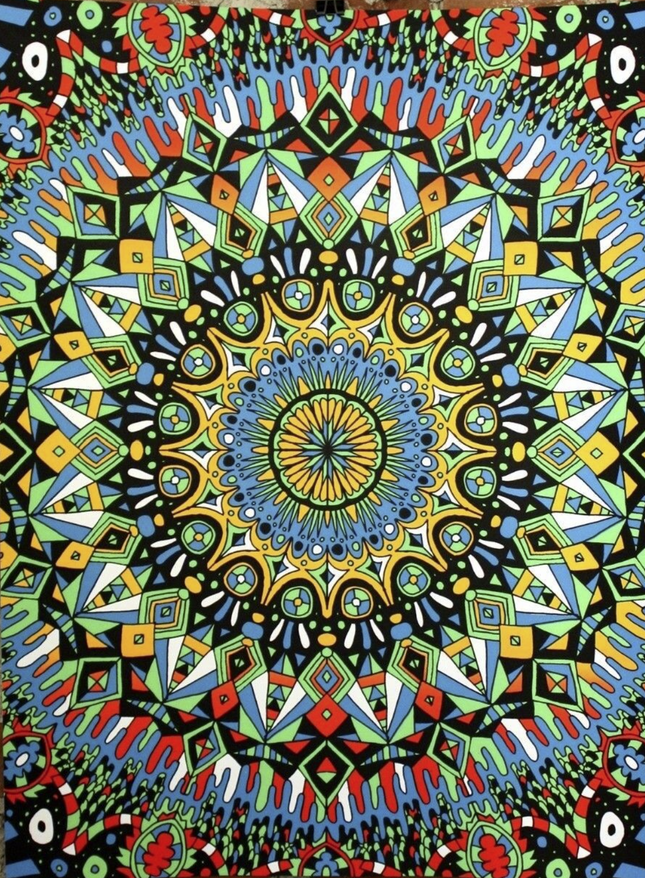
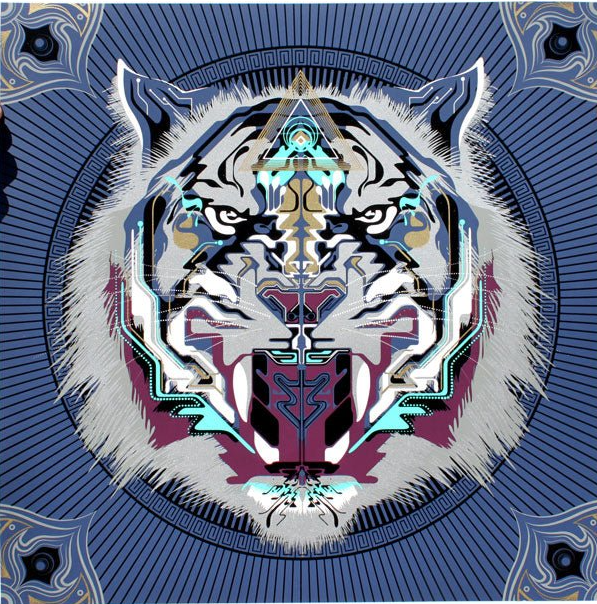
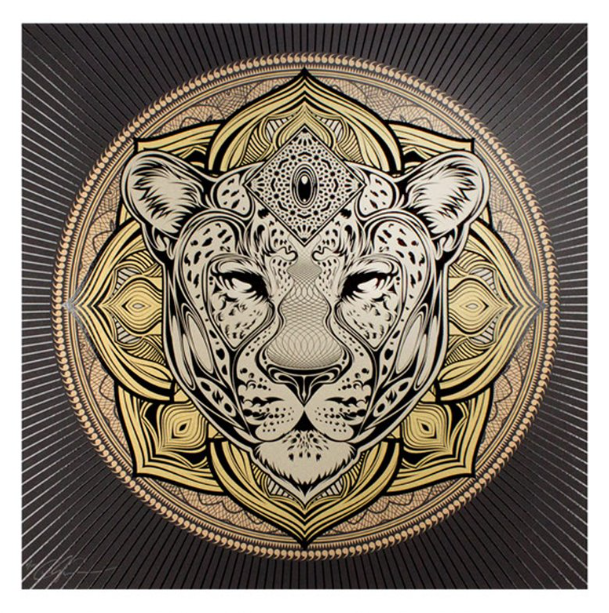
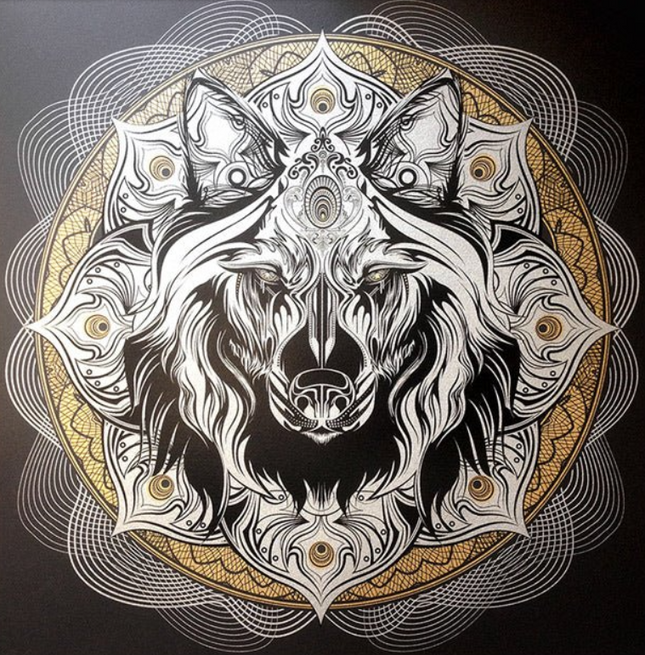
Mandalas in graffiti and pop art frequently challenge the boundaries of controlled form versus spontaneous expression. Artists working with silkscreen prints, stencils, or freehand graffiti adopt the radial symmetry of the mandala to center their compositions while surrounding them with the chaos and texture of city walls. This juxtaposition of clean, mathematical geometry against layers of street noise, poster remnants, or decaying paint gives the mandala new depth. In pieces where drips run across carefully constructed petals or backgrounds mimic cracked concrete, the mandala becomes more than a symbol of balance. It becomes a structure for navigating the unpredictability of urban life, a visual structure that holds meaning even when the surrounding environment is in flux.
Symbolism Reinterpreted Through Contemporary Eyes
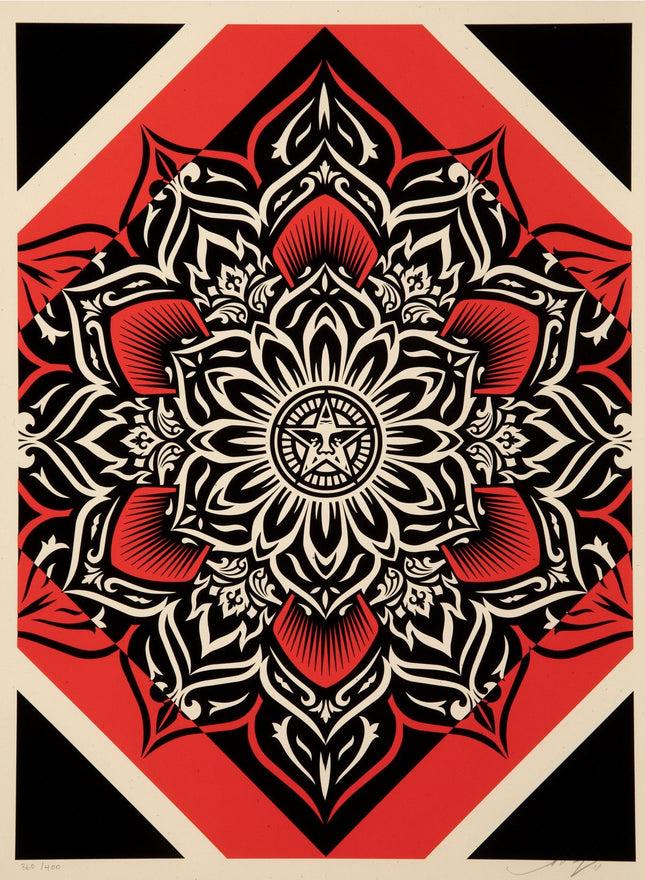
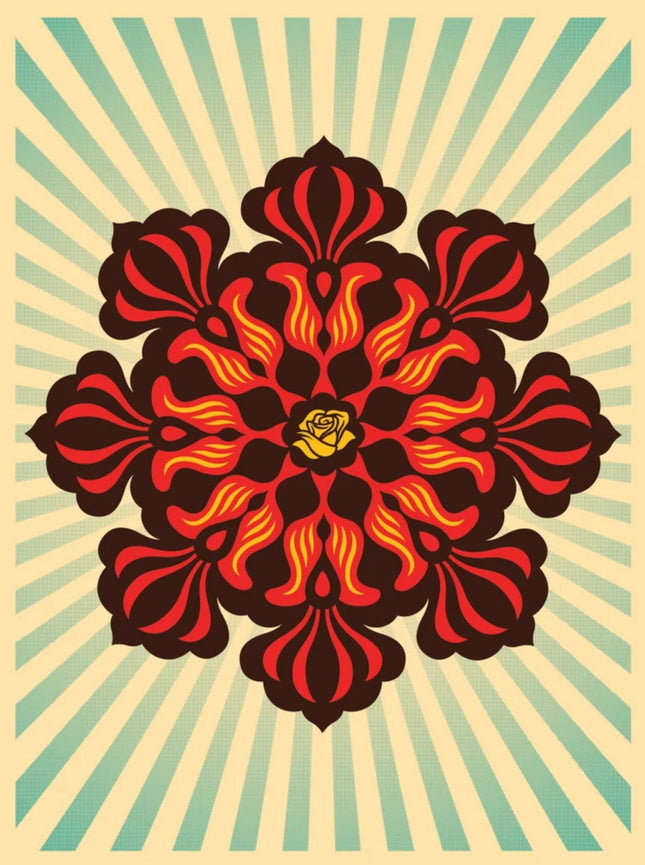
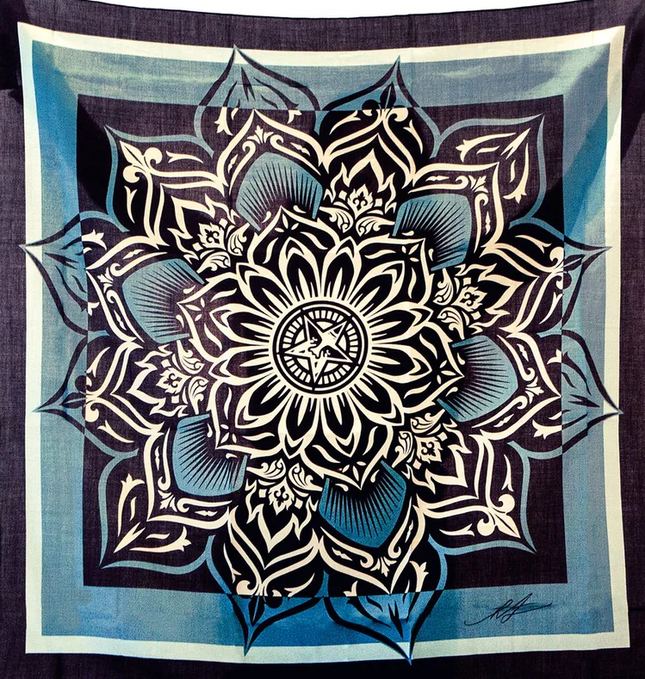
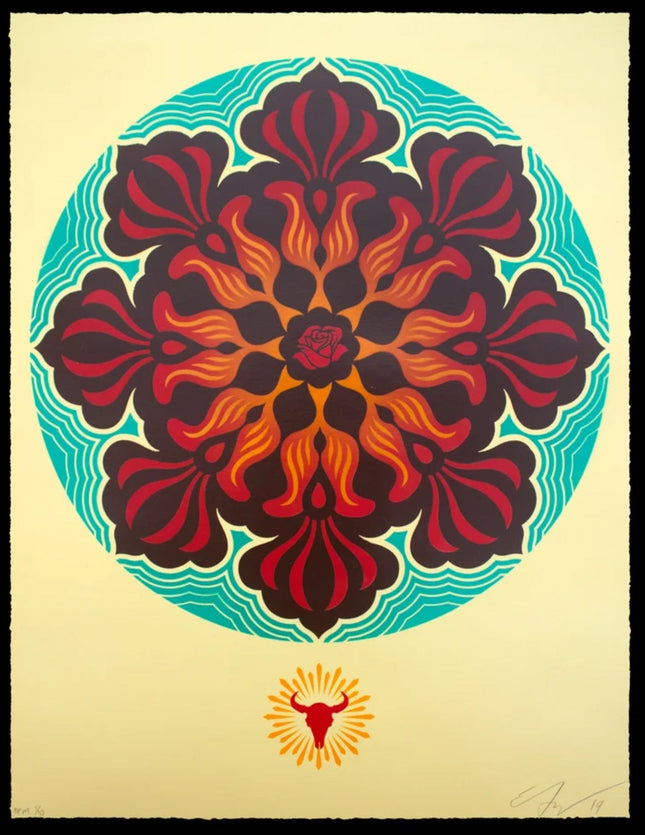
Contemporary artists like Shepard Fairey have used the mandala to infuse Street Pop Art & Graffiti Artwork with deeper philosophical layers. When rendered through stenciled patterns, silkscreen overlays, or wheat-paste murals, the mandala adopts a voice rooted in commentary on culture, consumerism, and the temporary nature of all visual statements. Fairey’s mandalas often feature his Obey iconography at their center, replacing traditional spiritual imagery with icons of modern dissent. This repurposing strips the symbol of its former dogma and refocuses it as a tool for provoking thought on impermanence, rebellion, and pattern as protest. As the mandala makes its way from temple ceilings to alley walls and gallery paper, its symbolic utility continues to evolve.
From Sacred Ornament to Subversive Design
In Street Pop Art & Graffiti Artwork, the mandala becomes an ornament of contrast. It brings an ancient lineage of craft to spaces where voices are often unheard and visibility is temporary. The practice of constructing a mandala from layered graffiti elements, cut stencils, or screen-printed inks transforms a symbol of permanence into a fleeting act of cultural resistance. Whether seen on the walls of a Los Angeles warehouse or printed on archival paper in limited runs, the mandala’s journey into street art spaces affirms its power to transcend time and function. In the hands of contemporary artists, it is no longer just a spiritual blueprint but a contemporary symbol of balance within chaos, harmony within disruption, and control within creative risk.