
Mario Brothers
-
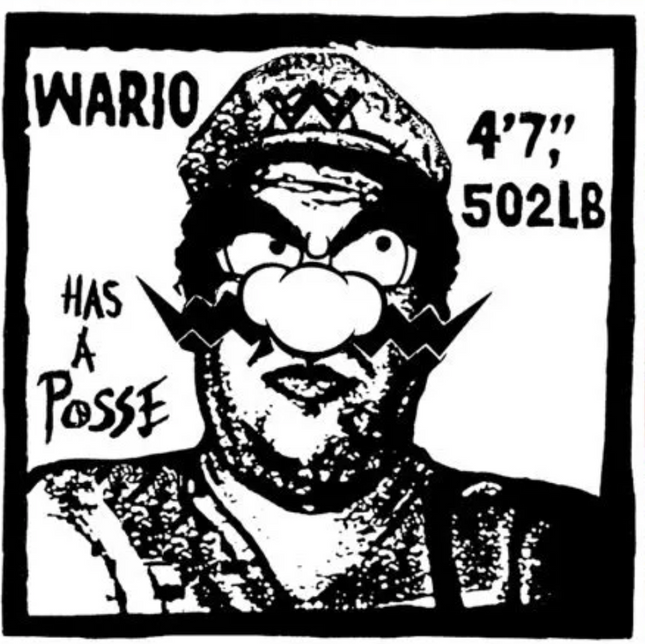
Nate Duval Obey Wario, Destroy Mario Silkscreen Print by Nate Duval
Obey Wario, Destroy Mario 1-Color Silkscreen Print on Fine Art Paper by Pop Artist Nate Duval Limited Edition Artwork. 2012 Signed Limited Edition of 50 Artwork Size 18x18 Subversion in Pop Art Nate Duval's "Obey Wario, Destroy Mario" is a compelling silkscreen print that embodies the rebellious and satirical undertones of street pop art and graffiti artwork. This 2012 signed limited edition of 50, each measuring 18x18 inches, portrays the iconic antihero Wario in a style reminiscent of Shepard Fairey's "Obey" campaign, cleverly subverting mainstream pop culture and video game iconography. In "Obey Wario, Destroy Mario," Duval takes a familiar character from the beloved Mario franchise and flips the script, presenting Wario as a character in a game and as a symbol of counter-culture resistance. By appropriating the visual language of Fairey's work, which is itself a comment on propaganda and control, Duval challenges the viewer's perception of villains and heroes, suggesting a more complex narrative behind these characters. This piece is a vibrant example of how pop art continually evolves, drawing from diverse elements of culture to create new meanings and dialogues. Technique and Limited Edition Value The one-color silkscreen technique used by Duval in this artwork is a nod to the DIY ethos of street art, where simplicity and message converge to make a powerful statement. The stark black-and-white design accentuates Wario's mischievous persona, encapsulating the essence of graffiti's bold and direct approach to communication. The limited edition status of "Obey Wario, Destroy Mario" elevates its desirability. It offers an exclusive piece of Duval's thought-provoking art that is as much a collectible as a conversation starter. In contemporary art, "Obey Wario, Destroy Mario" by Nate Duval is a prime example of the intersection between the playful and the profound that characterizes Street Pop Art and graffiti Artwork. It is a testament to the power of visual art to reinterpret and critique cultural narratives, using the canvas as a battleground for ideas and ideologies. Duval's work continues to inspire and challenge, cementing his place as a significant voice in the narrative of modern pop and street art.
$134.00
-
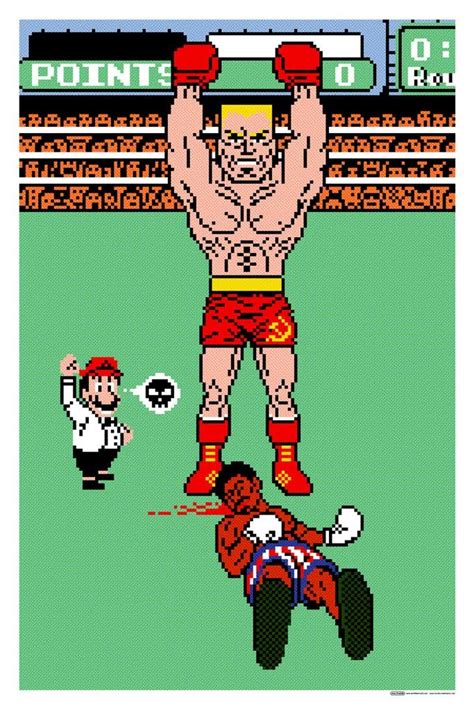
Jon Smith You Vil Lose Silkscreen Print by Jon Smith
You Vil Lose Limited Edition 4-Color Hand-Pulled Silkscreen Print on Fine Art Paper by Jon Smith Graffiti Street Artist Modern Pop Art. 2012 Signed & Numbered Litied Edition of 200 Artwork Size 12x18 You Vil Lose Silkscreen Print by Jon Smith Jon Smith’s You Vil Lose silkscreen print is a dynamic fusion of street pop art and graffiti artwork, blending nostalgia, satire, and bold artistic execution. Released in 2012 as a signed and numbered limited edition of 200, this 12x18-inch hand-pulled silkscreen print embodies a retro gaming aesthetic with a strong cultural and political undertone. Utilizing four colors on fine art paper, the print draws inspiration from classic 8-bit video game visuals while injecting modern commentary through exaggerated design and composition. The Visual Impact and Gaming Nostalgia The artwork immediately strikes with its bold, pixelated style reminiscent of vintage 1980s video games. The composition mirrors the aesthetics of Punch-Out!!, an iconic boxing video game that defined a generation of gamers. The image portrays a victorious, towering figure in red boxing trunks, flexing triumphantly over a fallen opponent in American flag-themed attire. The referee, designed in a cartoonish 8-bit style, stands beside them, adding to the authentic video game aesthetic. Smith’s use of silkscreen techniques enhances the vibrancy and sharpness of each color, reinforcing the nostalgic feel of retro gaming. The limited palette ensures a clean, high-contrast finish, making the characters pop against the background. The exaggerated proportions of the victorious boxer heighten the intensity, placing emphasis on power dynamics and thematic tension. The defeated fighter’s expressive posture and the addition of blood splatter further dramatize the moment, capturing the raw energy of video game knockouts. Cultural Commentary and Symbolism Beneath the playful, pixelated surface, You Vil Lose carries a deeper cultural narrative. The visual themes, particularly the color choices and character designs, evoke Cold War-era rivalries between the United States and the Soviet Union. The victorious figure bears a striking resemblance to the archetypal Eastern European boxing villains seen in popular media, drawing immediate parallels to characters like Ivan Drago from Rocky IV. The fallen fighter’s American flag trunks reinforce the competitive tension between opposing ideologies, a theme often explored in both sports and pop culture. By presenting this imagery in a pixelated video game format, Smith cleverly blends digital nostalgia with historical and political themes, making the piece both entertaining and thought-provoking. The title You Vil Lose reinforces the exaggerated villainous persona, playing on Cold War-era caricatures that were often used in Western media. The Influence of Street Pop Art and Graffiti Artwork Jon Smith’s approach to You Vil Lose aligns seamlessly with the ethos of street pop art and graffiti artwork. His ability to take digital culture and reinterpret it through the physical medium of silkscreen printing showcases the crossover between gaming culture and contemporary art. The fusion of recognizable video game aesthetics with bold social commentary makes this piece stand out as a clever and striking example of modern pop art. Smith’s work is widely celebrated for its ability to merge pop culture with visual storytelling, and You Vil Lose is a testament to his signature style. By taking inspiration from classic gaming, he taps into the collective memory of an entire generation while simultaneously offering a fresh, stylized reinterpretation. This print holds value not just for fans of retro video games, but also for collectors who appreciate the intersection of nostalgia, satire, and artistic craftsmanship.
$201.00