
Ecstasy & MDMA in Street Pop Art & Graffiti Artwork
Ecstasy, commonly known as MDMA, has played a significant role in influencing the aesthetic, themes, and cultural attitude within Street Pop Art & Graffiti Artwork. Emerging from the club scenes of the 1980s and gaining prominence throughout the 1990s rave era, MDMA's euphoric effects became closely tied with a new wave of underground visuals. Artists influenced by this chemical culture embraced high-saturation color palettes, psychedelic patterns, and expressive characters that mirrored the sensory distortion and emotional intensity often reported by users of the drug. This association between the substance and creative output has had a lasting imprint on graffiti, sticker culture, zines, and urban street posters that reflect youth rebellion, synthetic escape, and emotional liberation.
Visual Aesthetics Informed by MDMA Culture
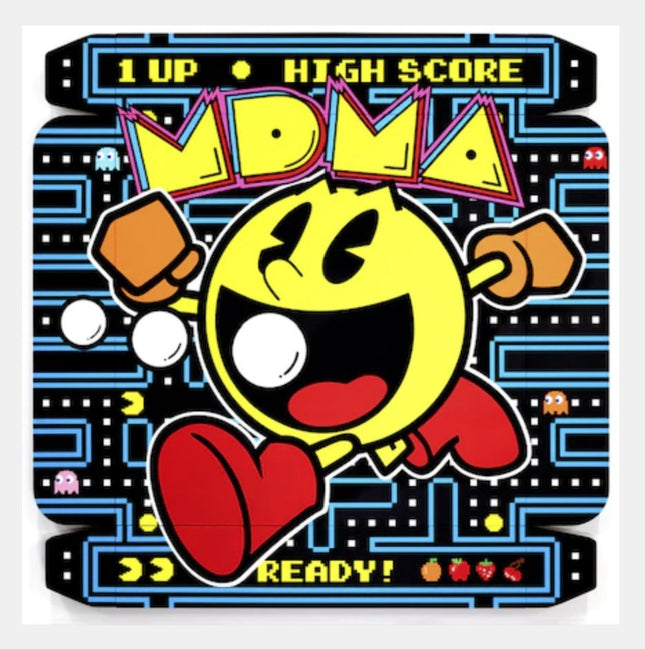
Street Pop Art & Graffiti Artwork has adopted the emotional highs and kinetic energy associated with MDMA in ways that are both direct and abstract. The visuals often exhibit glowing neons, fragmented typography, hearts, smiley faces, and melting forms. These motifs speak to the sensory overload experienced under the influence of ecstasy, with distortion and euphoria translating into exaggerated imagery. One of the most iconic symbols connected to MDMA use is the yellow smiley face, adopted heavily in both UK rave posters and global street paste-ups. This smiley symbol, paired with warped fonts or kaleidoscopic backgrounds, became shorthand for altered states and communal joy. Artists like Buff Monster and Takashi Murakami have tapped into this aesthetic—using hyper-color, melting forms, and emotionally heightened characters to echo themes found in drug-influenced subcultures.
Underground Messaging and Social Commentary
Beyond pure visual language, the use of MDMA as a subject also allows Street Pop Art & Graffiti Artwork to address topics like escapism, addiction, and the commodification of altered consciousness. Works appearing on city walls or limited edition prints sometimes include pill shapes, chemical diagrams, or parody logos that mimic pharmaceutical branding. These pieces question the legal hypocrisy surrounding drug enforcement while highlighting the emotional void being filled by synthetic highs. They simultaneously celebrate MDMA’s role in unifying dance culture and criticize society’s growing dependency on synthetic stimulation for social bonding and relief from anxiety. The result is a dual message—one of colorful transcendence and one of artificial necessity. Artists frequently blur the lines between glorification and caution, reflecting the complexity of the topic.
From Rave Ephemera to Institutional Critique
As MDMA continues to evolve from underground rave fuel to a substance being studied for therapeutic potential, the Street Pop Art & Graffiti Artwork community mirrors this shift with more refined commentary. Artists have turned to gallery walls and archival paper while still preserving the DIY energy of the street. Limited edition prints featuring capsule motifs or abstract serotonin pathways are often packaged in ways that resemble pharmaceutical kits, combining visual satire with collector’s appeal. Through silkscreen, wheatpaste, stickers, and even sculpture, artists remind viewers that ecstasy is not only a drug but a cultural trigger—one that helped define aesthetic trends, emotional language, and visual rebellion across decades of street-level art.