


Metallica as Cultural Iconography in Street Pop Art & Graffiti Artwork
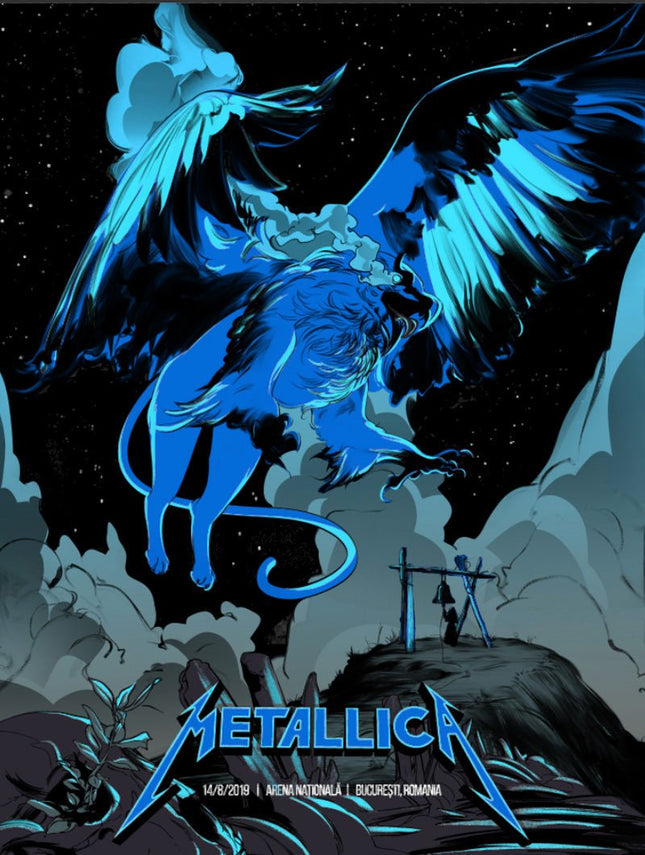
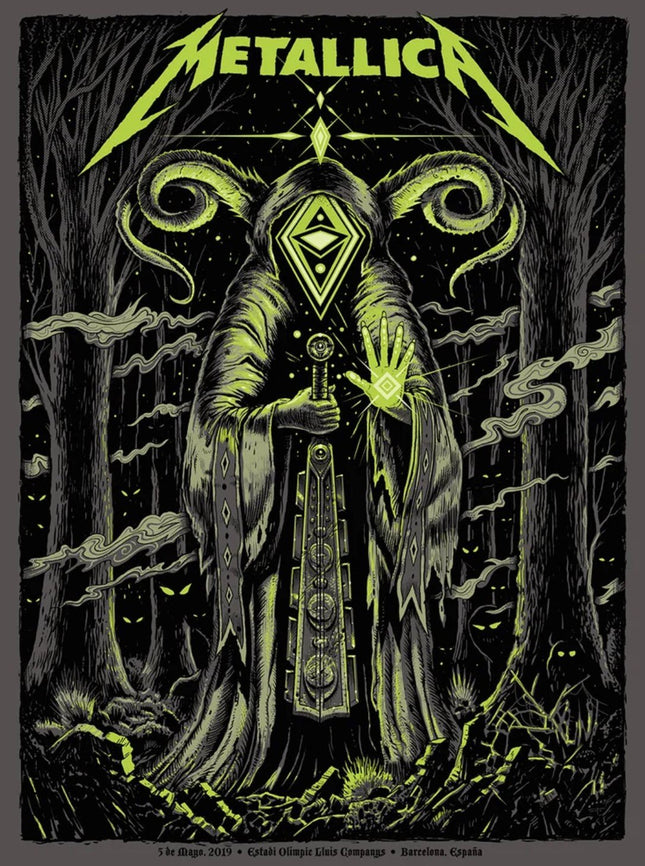
Metallica, the American heavy metal band formed in 1981, has transcended music to become a visual and ideological force within the world of Street Pop Art & Graffiti Artwork. With its sharp-edged logo, rebellious aesthetic, and confrontational lyrical themes, the band represents a visual identity as potent as its sound. The jagged lines, monochrome contrasts, and thunderbolt forms associated with Metallica have been adapted, subverted, and celebrated across global street walls and gallery canvases. Graffiti artists and pop stylists have long appropriated the band’s symbology—riffs on album covers, reinterpretations of the logo, and stencil-based portraits of band members populate everything from New York alleys to Berlin rooftops.
Heavy Metal Meets Urban Expression
The aesthetics of heavy metal culture—especially the darker, rawer edge Metallica brought to the genre—share deep visual connections with graffiti. Both emerge from outsider status, fueled by emotion, resistance, and youth-led counterculture. The band’s visual identity is marked by stark typography, chromatic intensity, and iconographic references that align closely with the tools and language of street art. Metallica’s iconography—particularly from the early albums like Ride the Lightning or Master of Puppets—features electric bursts, blood-drenched visuals, and symbolic violence, all of which have translated powerfully into stencil work, mural embellishments, and wheat-pasted homages in urban spaces.
Influence on Pop Art Narratives and Mixed Media
Within Pop Art frameworks, Metallica represents more than music—it represents mass media, cultural branding, and rebellion commodified. Artists working within this space often appropriate logos or adapt band lyrics into satirical or abstract compositions. The Metallica logo itself, with its distinctive hooked M and A, has become an object of deconstruction, sliced into vector fields or dissolved into graffiti wildstyle forms. Collage artists and pop muralists incorporate Metallica ephemera—concert flyers, ticket stubs, old album art—into layered installations that speak to the convergence of music, media, and identity. Whether embedded into skateboard decks or high-end silkscreen prints, Metallica is a common element in Pop Art’s ongoing interrogation of power, spectacle, and fandom.
Street Pop Art & Graffiti Artwork as a Stage for Sound and Symbol
Metallica’s presence in Street Pop Art & Graffiti Artwork isn’t just stylistic—it’s ideological. Their music speaks of injustice, rage, alienation, and defiance—tenets that echo across every graffiti-covered train and paint-choked underpass. Writers and muralists find in Metallica a kindred spirit: anti-commercial yet iconic, mainstream yet subversive. The fusion of metallic sound and sprayed surface builds an emotional connection between audio and visual intensity. Whether their influence takes the form of stencil silhouettes, graphic tributes, or reinterpretations of album narratives, Metallica remains a powerful symbol—a reminder that loud voices, whether shouted in lyrics or painted on walls, cannot be silenced. Their presence across the visual landscape confirms that the street belongs to the loud, the bold, and the unrelenting.