
Mexico as a Vibrant Canvas for Street Pop Art and Graffiti Artwork
Mexico has emerged as a global epicenter for Street Pop Art and Graffiti Artwork, reflecting the country’s deep cultural heritage and contemporary urban expression. The streets of cities like Mexico City, Oaxaca, and Guadalajara serve as dynamic canvases for artists who blend traditional Mexican motifs with modern artistic techniques. Murals, graffiti, and street art have long been a part of Mexico’s cultural identity, rooted in a history of public art that dates back to the Mexican Muralism movement of the early 20th century. This legacy lives on in contemporary works that challenge societal norms, honor cultural traditions, and celebrate the vibrant energy of Mexican life.
The Influence of Mexican Muralism on Modern Street Art
Mexican Muralism, spearheaded by artists like Diego Rivera, David Alfaro Siqueiros, and José Clemente Orozco, set the stage for public art as a means of storytelling and political commentary. Their large-scale murals, which often depicted themes of social justice, revolution, and indigenous heritage, continue to inspire modern graffiti artists and street art practitioners in Mexico. This influence is evident in the bold use of color, symbolic imagery, and narrative-driven compositions that characterize much of Mexico’s contemporary street art. The tradition of addressing political and social issues through public art has been embraced by graffiti artists who use urban spaces to give voice to marginalized communities.
The Intersection of Traditional Culture and Modern Techniques
Mexican street art is a unique blend of traditional cultural elements and modern artistic styles. Indigenous symbols, folkloric themes, and pre-Columbian iconography often appear alongside contemporary graphic elements, spray paint techniques, and stencil art. Artists such as Saner and Sego have gained international recognition for their ability to seamlessly merge these influences, creating works that are both deeply rooted in Mexican heritage and reflective of global artistic trends. The use of vibrant colors, intricate patterns, and dynamic compositions makes Mexican street art instantly recognizable, while its cultural references give it a profound sense of identity.
Mexico City as a Global Street Art Capital
Mexico City, in particular, has become a hub for Street Pop Art and Graffiti Artwork, attracting both local and international artists. Neighborhoods like Roma and Condesa are adorned with murals and graffiti that transform the urban landscape into an open-air gallery. Events such as the All City Canvas festival have further solidified the city’s reputation as a global street art destination, bringing together artists from around the world to create large-scale public artworks. These efforts have not only beautified the city but have also fostered a sense of community and dialogue, using art as a tool for cultural exchange and social engagement. The vibrancy and diversity of Mexico’s street art scene ensure its continued influence on both local and international artistic movements. Graffiti and street art have been forms of visual expression for decades, allowing individuals to convey their messages and ideas through public spaces. One of the most prominent themes in graffiti art and street art is cultural influence, and Mexico has been a significant contributor to this movement. The rich history, vibrant culture, and influential people of Mexico have inspired artists around the world to create works that pay homage to this country's unique and captivating qualities. Mexico has a long history of art, dating back to the pre-Columbian era, with many famous artists emerging from the country in modern times, including Frida Kahlo, Diego Rivera, and David Alfaro Siqueiros. This rich artistic heritage has provided an abundant source of inspiration for graffiti artists and street artists around the world, who have drawn from Mexico's art and culture to create new and exciting works of their own. One of the most common ways that Mexico has influenced graffiti art and street art is through the use of traditional Mexican symbols and motifs.
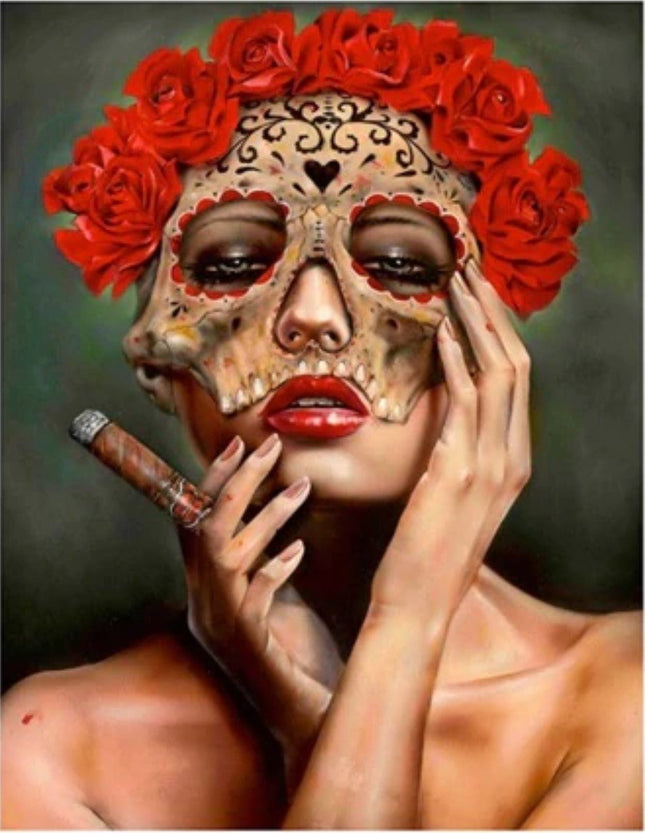
The country's indigenous culture is full of symbols that carry deep meaning, such as the Aztec calendar, the Mayan glyph system, and the iconic images of La Catrina, the skull-faced woman often associated with the Day of the Dead. These symbols have been incorporated into countless graffiti murals and street art pieces around the world, allowing artists to connect with Mexican culture and share its powerful imagery with a wider audience. Beyond traditional symbols, Mexican history and culture have also inspired many graffiti artists and street artists to explore themes of social justice and political activism. The country has a complex history of colonization and revolution, with many struggles for equality and human rights still ongoing today. Graffiti and street art have been powerful tools for expressing these struggles and raising awareness of important issues.
For example, many artists have used murals and graffiti art to protest against police brutality and political corruption, often incorporating the images of famous Mexican activists and revolutionaries, such as Emiliano Zapata and Pancho Villa. Mexico's rich street culture and music scene have also influenced the graffiti art and street art world. Mexico City, in particular, has a thriving street art scene, with countless murals and graffiti works adorning the city's walls and buildings. This vibrant and diverse culture has inspired many artists around the world, who have drawn on Mexican street art and music to create their own unique works. For example, the iconic Mexican street artist Sego has become internationally renowned for his bold and colorful murals, which often incorporate traditional Mexican imagery and themes. In recent years, Mexico has also emerged as a hub for contemporary street art and graffiti.