



Mona Lisa as a Symbol in Street Pop Art & Graffiti Artwork
The Mona Lisa, originally painted by Leonardo da Vinci between 1503 and 1506, has evolved from a masterpiece of the Italian Renaissance into a recurring icon within the worlds of street pop art and graffiti artwork. As perhaps the most recognized portrait in human history, her enigmatic expression and balanced composition have inspired countless reinterpretations across contemporary visual culture. While the painting itself resides within the Louvre Museum in Paris, its cultural influence escapes the confines of traditional galleries. Artists working in public and urban spaces have repeatedly recontextualized the Mona Lisa to comment on identity, mass culture, femininity, and rebellion.
Mona Lisa’s Reinvention in Urban Visual Culture
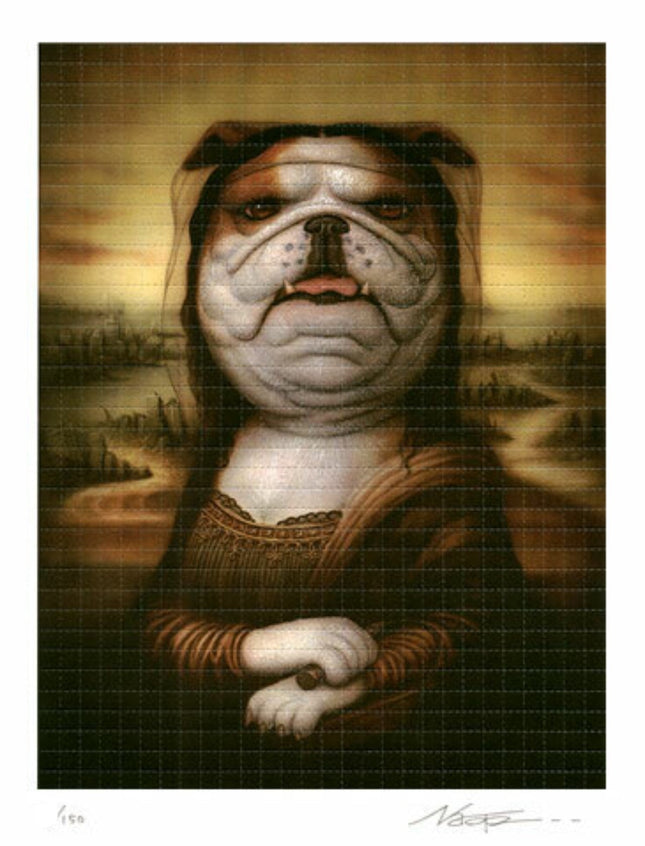
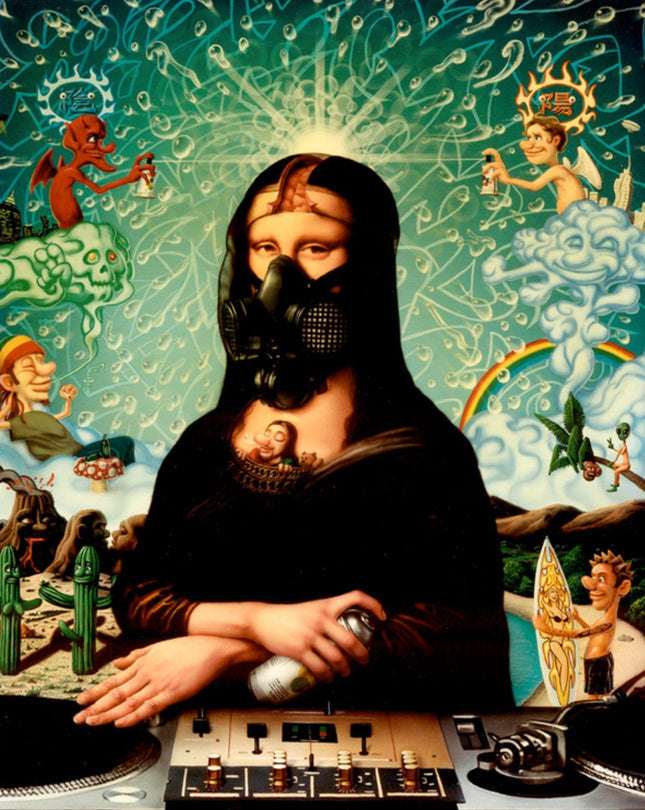
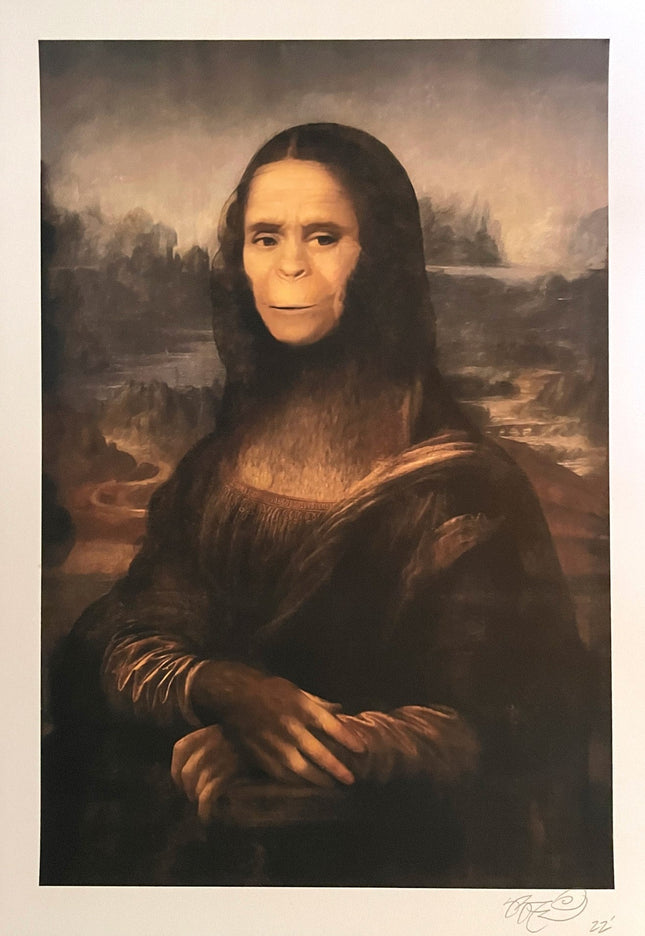
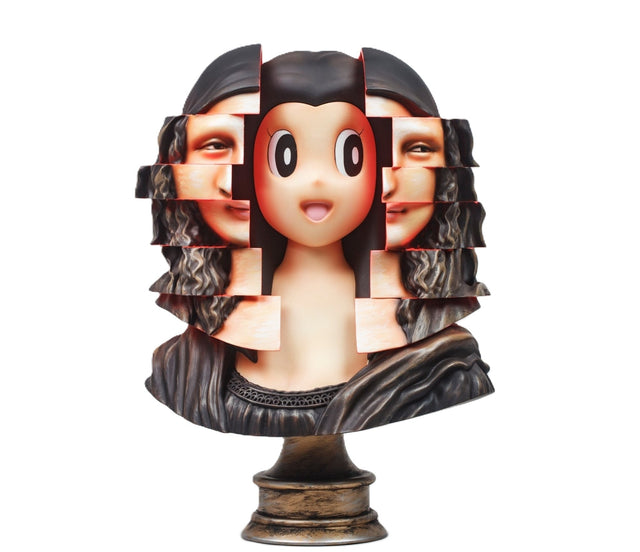
From wheatpaste posters to large-scale murals, the Mona Lisa has appeared in alleys, rooftops, subway stations, and street corners. Her image, reworked in vibrant stencils or distorted through digital collage, allows artists to merge classical references with commentary on consumerism, surveillance, and digital life. In many graffiti artworks, her gaze is altered or masked, her body is merged with cartoon iconography, or her backdrop is transformed into urban decay. These manipulations are intentional acts that treat the original as a visual anchor, allowing artists to both critique and celebrate art history. Street pop art practitioners often use her as a shorthand for sophistication while simultaneously undermining the structures that have historically dictated cultural value.
Notable Artists and the Mona Lisa Rework
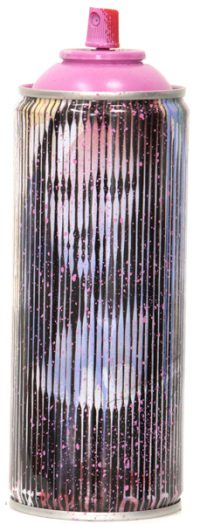
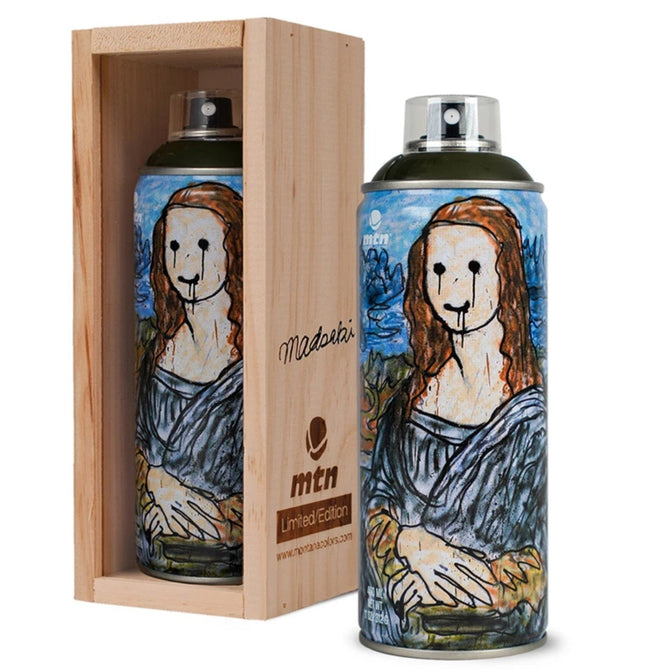
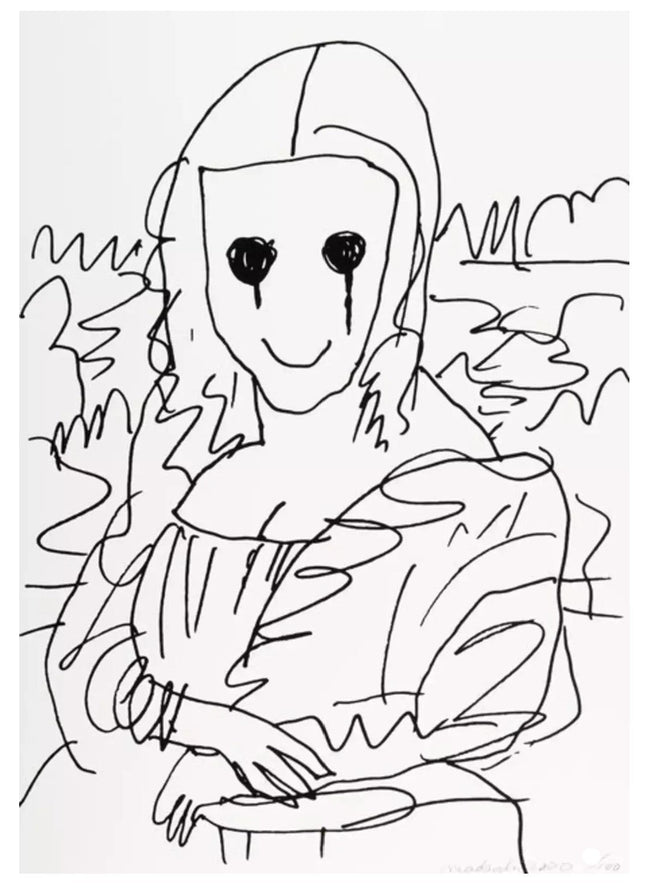
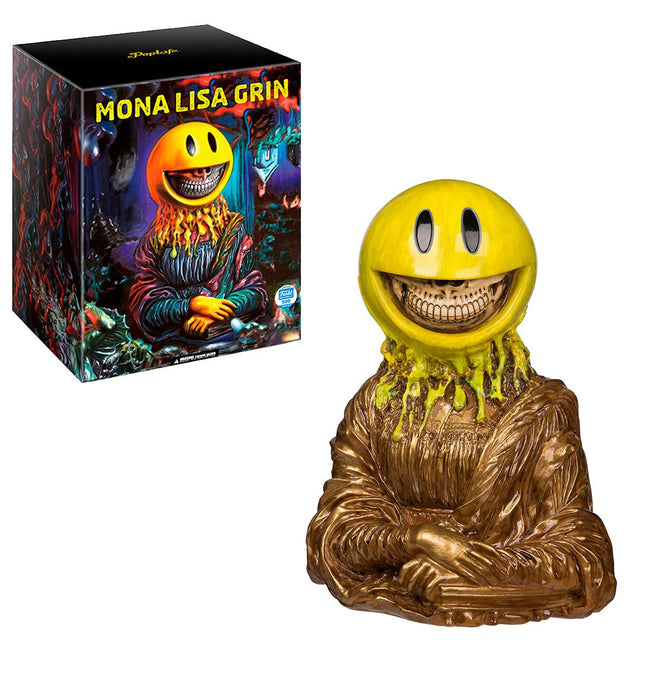
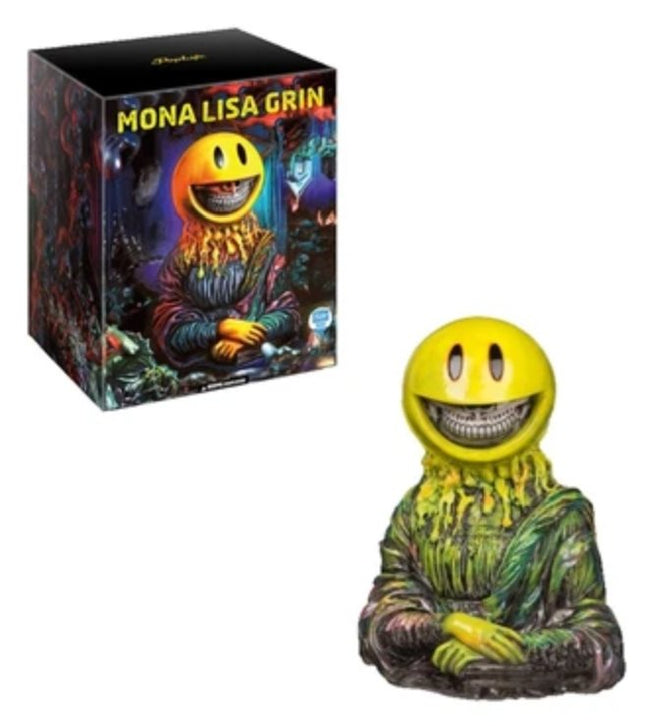
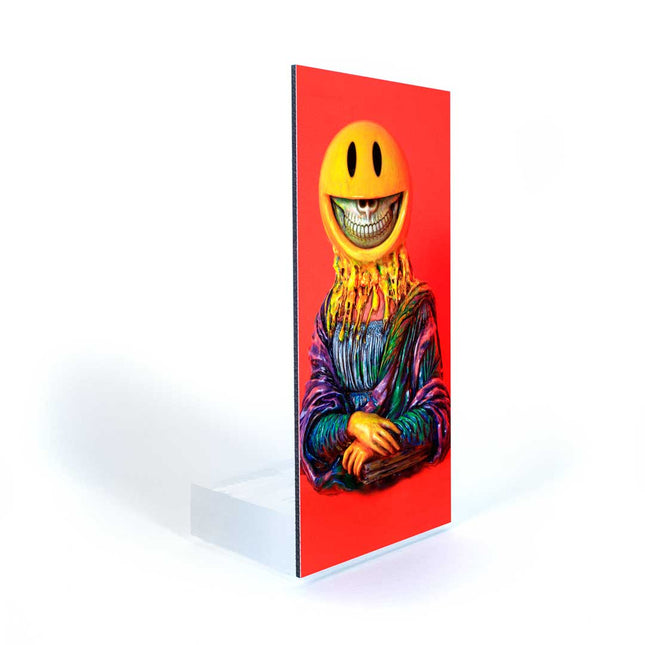
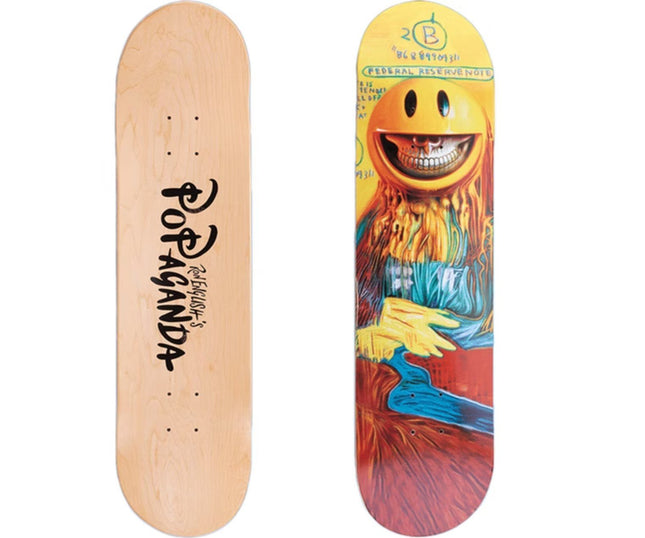
Graffiti and street pop artists such as Banksy, Mr. Brainwash, and Madsaki have each contributed notable renditions of the Mona Lisa, emphasizing different facets of her modern myth. Banksy, in particular, rendered the Mona Lisa in multiple formats including a version where she wields a rocket launcher, pointing toward resistance and the absurdity of institutional power. Japanese street pop artist Madsaki reinterpreted her using his signature drippy smiley face aesthetic, transforming the image into a raw, emotionally unsettled version of the original. These works do not merely parody—they function as cultural commentary, referencing a shared global memory while asserting new authorship and voice.
The Mona Lisa’s Enduring Power in Street Pop Art & Graffiti Artwork
The Mona Lisa has been transformed from a single canvas into a global symbol, repurposed by artists whose work lives outside traditional boundaries. Her face, replicated in spray paint, sticker art, and silkscreen prints, challenges the viewer to question the ownership and meaning of classic works. In street pop art and graffiti artwork, the Mona Lisa becomes a blank slate, a familiar icon reimagined with each artist’s unique handstyle or message. The constant reuse and adaptation of her image reflect not only the global reach of da Vinci’s painting but also the ability of graffiti artists to redefine symbols of beauty, power, and art itself through public, unauthorized expression.